



Leather Bound Classics
Leather bound classics bring history and literature to your shelves through the tactile weight of calfskin, paper, and gold leaf.
Leather Bound Classics
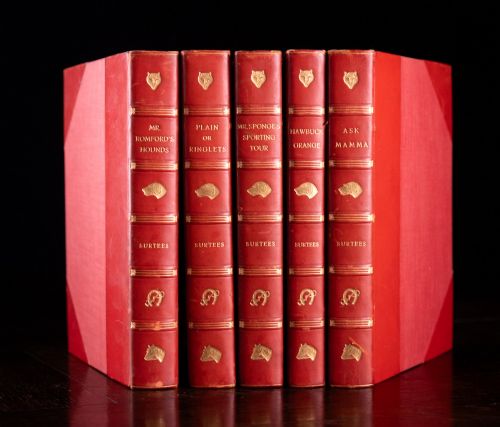
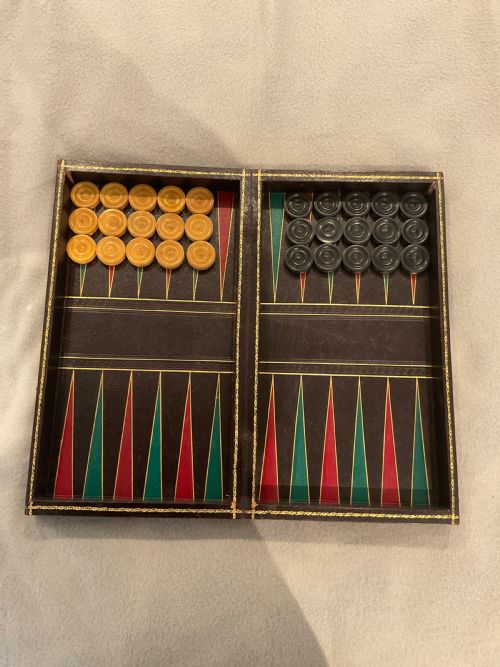
When you search for leather bound classics, you encounter a curated selection of antique books, multi-volume sets, and occasional related items such as faux book games boards. These pieces span from the eighteenth century through the Edwardian era, encompassing historical works, poetry, plays, and illustrated fiction.
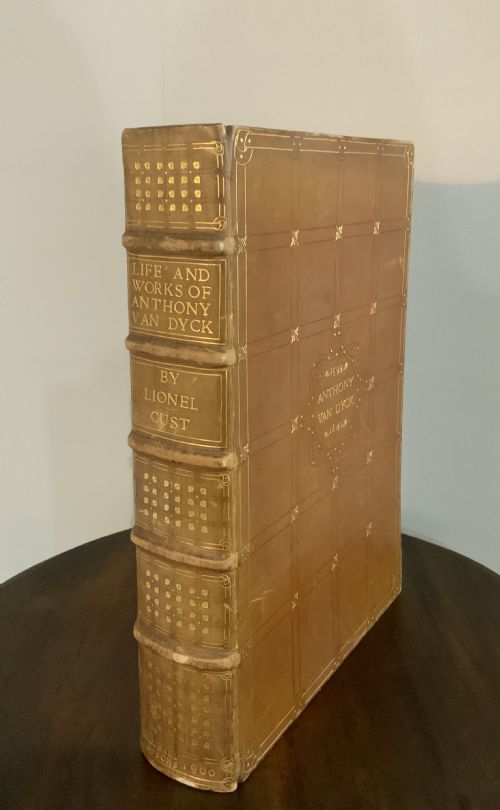
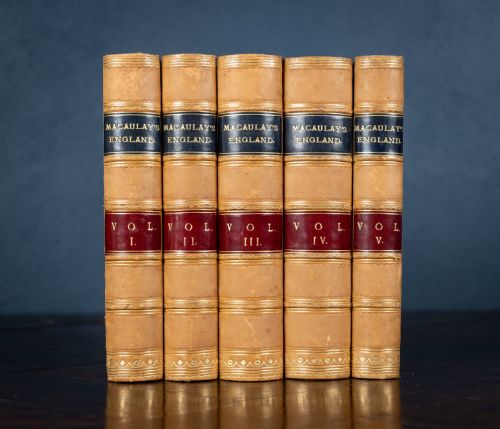
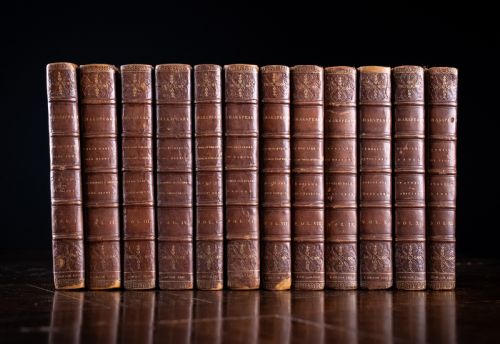
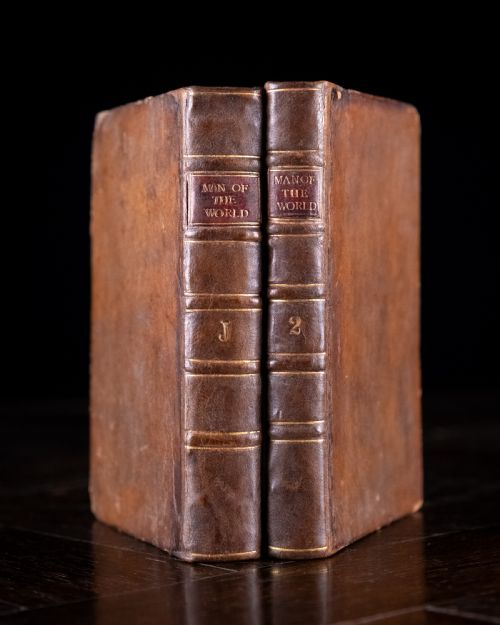
The most common form on this page is the nineteenth-century multi-volume book set, alongside individual volumes penned by notable literary figures. Bindings range from full calf leather and calfskin to cloth and vellum, frequently accompanied by period detailing.
Origins stretch across English, French, and German publishing traditions, offering both single editions and uniform sets spanning several decades of nineteenth-century production.
How they were made
Binders utilised durable materials such as calf leather, calfskin, and paper, building sturdy structures around wood elements in specific items like games boards. Pages consist of high-rag content paper designed to withstand centuries of handling.
Decoration relied on gold leaf and gilt tooling applied directly to the leather spines and boards, creating intricate patterns, titles, and geometric borders. Text blocks were sewn securely before casing in leather or vellum.
Materials recorded across the inventory include calf leather, calfskin, vellum, gold leaf, cloth, paper, and wood.
What varies in quality
The standard of binding craftsmanship sets the baseline, distinguishing simple utilitarian covers from elaborate editions featuring deep gilt tooling and uniform multi-volume coordination. The quality of the leather itself, whether supple calfskin or stiffer hide, dictates longevity and feel.
Completeness of a set and uniformity across volumes influence desirability, especially when matching historical novels or collected plays span numerous books published years apart. The presence of period illustrations by known artists adds another layer of distinction.
The Leather Bound Classics Glossary
- Calfskin
- A fine, smooth leather derived from the hide of a calf, frequently utilised for high-quality bookbindings. It takes gilt tooling exceptionally well.
- Gilt
- A thin layer of gold applied to the edges of paper or impressed into leather bindings. This technique protected the pages from dust while adding visual richness.
- Vellum
- A prepared animal skin used for binding or manuscript pages, valued for its durability and smooth, pale surface. It appears on select European editions.
- Folio
- A large book format created by folding sheets of paper once, resulting in tall pages. These volumes commanded significant presence on library shelves.
Leather Bound Classics: Frequently Asked Questions
How do I care for leather bound books?
Keep these volumes away from direct sunlight and damp environments to protect the organic leather and paper materials. Handle them by the middle of the spine rather than pulling them by the headcap.
Maintain stable room temperatures to prevent the calfskin and gold leaf from drying out or cracking over time.
Are multi-volume sets always complete?
Many sets gathered here span numerous volumes published across several years, such as extended historical works or collected novels. Some assemblies represent partial runs rather than full original printings.
Check individual volume counts within each listing to understand the exact scope of the set being offered.
What periods do these books represent?
The selection spans the eighteenth century, the Victorian era, and the Edwardian period. You will find publications dated from the seventeen-seventies through the early nineteen-hundreds.
Earlier eighteenth-century imprints sit alongside nineteenth-century multivolume sets and turn-of-the-century fine bindings.
How can I tell different binding styles apart?
Bindings vary from full calf leather and calfskin to vellum and cloth covers, often incorporating neoclassical or Victorian design motifs. Look at the spine for gilt tooling, raised bands, and stamped lettering.
French classical and traditional English execution show distinct ornamental patterns in their gold leaf application.