








Decorative Stack of Books
These decorative stack of books bring genuine history and tactile presence to a room, offering period bindings and literary weight for interior display.
Decorative Stack of Books
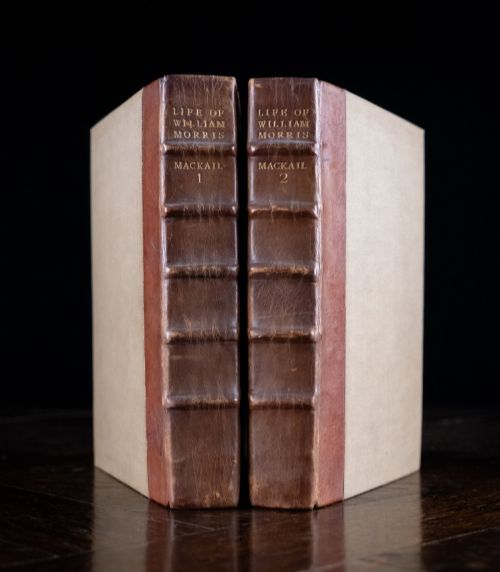
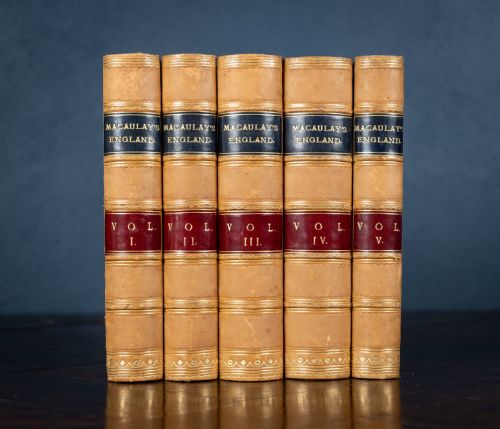
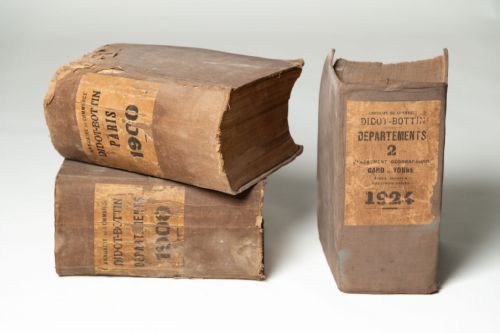
When you search for a decorative stack of books, you find bound volumes, multi-volume sets, and occasional book caskets selected primarily for their visual and period character. The offerings span centuries of publishing, from eighteenth-century histories and letters to nineteenth-century novels and avian references.
The selections frequently include uniform bindings, leather-clad multi-volume sets, and vellum-covered editions that sit neatly together on a shelf or table. French provincial and English Regency styles appear alongside Victorian editions, providing distinct regional flavours for interior schemes.
Materials and construction
The bindings rely on traditional materials such as calfskin, vellum, cloth, and paper, often accented with gold leaf tooling on spines and covers. Cardboard and ink complete the underlying structure and text blocks of these historical volumes.
Craftsmen utilised hand-tooling and specialist leatherwork to finish these sets, ensuring that uniform bindings matched precisely across multi-volume publications like novels and historical memoirs.
Listings feature materials including vellum, leather, cloth, and gold leaf across periods spanning the eighteenth to the mid-twentieth century.
Markers of distinction
Quality rests on the integrity of the binding materials, the crispness of any gold leaf tooling, and whether multi-volume sets retain their uniform appearance. Bindings executed in supple calfskin or clean vellum command attention through their preserved tactile quality.
The completeness of a multi-volume set and the clarity of period typography further separate ordinary volumes from desirable display pieces. Intact spines and consistent fading across a matching series indicate careful preservation over generations.
The Decorative Stack of Books Glossary
- Vellum
- Prepared calfskin or other skin used as a durable and smooth bookbinding material. It offers a pale, tactile surface that ages with a distinct warmth.
- Calfskin
- High-quality leather tanned from the hide of a calf, frequently employed for fine Victorian and Georgian bindings. It takes tooling and gold leaf exceptionally well.
- Gold Leaf
- Gold beaten into an extremely thin sheet, applied to book spines and covers for lettering and decorative tooling. It provides a lasting metallic lustre.
- Uniform Binding
- A series of books published or rebound to match in size, material, and spine decoration. This creates a cohesive visual rhythm when stacked together.
- Faux Book Casket
- A hollow box disguised as a leather-bound book or stack of books, often used for storage. These pieces combine deceptive functionality with period aesthetics.
Decorative Stack of Books: Frequently Asked Questions
How do I style a decorative stack of books?
Arrange volumes horizontally on coffee tables, mantels, or sideboards to anchor decorative objects like lamps or ceramics. Mixing heights and binding textures creates visual depth in a room.
Keep stacks balanced by placing the largest volumes at the bottom. This method supports smaller books and establishes a stable arrangement.
Are these books suitable for reading?
Many antiquarian and vintage sets contain complete literary works, historical texts, and novels that can be read carefully. Fragile bindings and delicate paper require gentle handling to preserve the volume.
Some pieces function primarily as decorative objects or secret boxes rather than standard reading copies. Checking the specific listing details clarifies the nature of each item.
How do I date antique book bindings?
Dating relies on observing binding styles, typography, paper textures, and date inscriptions printed on title pages or spine labels. Georgian, Victorian, and Edwardian eras each employed distinct leather treatments and lettering styles.
Comparing the materials, such as early cloth versus fine calfskin, helps narrow down the decade of production. Reference works and publisher details within the volumes provide further chronological markers.