



Leaded Window Frame
A leaded window frame brings architectural character and soft, filtered light into a room through historic glass and metalwork.
Leaded Window Frame
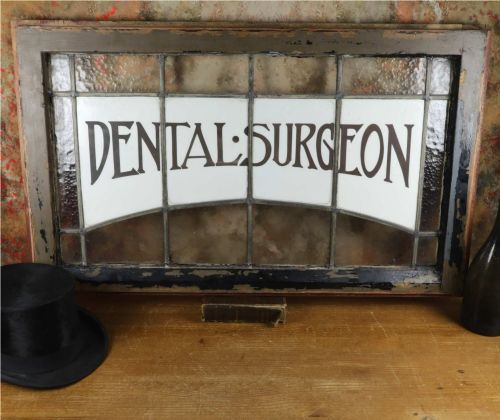
When you search for a leaded window frame, you are looking at architectural salvage that bridges structural joinery and decorative glass art. The pieces appearing here span the nineteenth century into the nineteen-thirties, taking the form of stained glass panels, ecclesiastical church windows, and domestic practice signs.
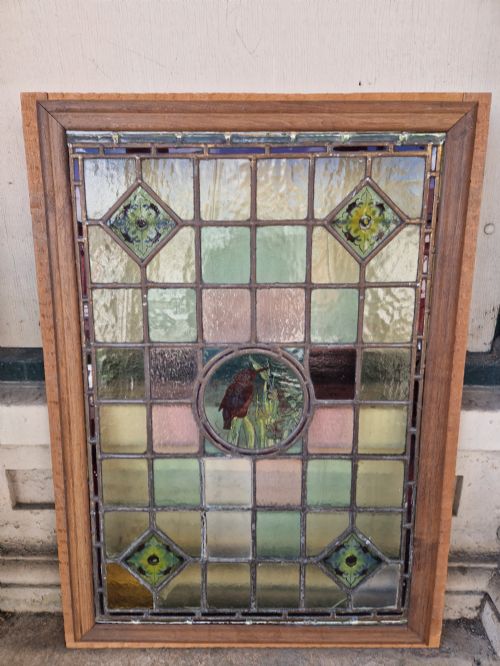
The domestic examples often feature pictorial hand-painted scenes, ranging from birds on branches and Shakespeare emblems to Dutch folk art children and knights in armour. Meanwhile, ecclesiastical and structural survivals tend to use simpler square or diamond panes set within shaped timber or stone arches.
Materials and construction methods
These pieces rely on the interaction between soft lead cames, individual glass segments, and supporting frames made from pine, timber, or iron. Craftsmen soldered the lead strips together to hold coloured, amber, or clear glass securely in place.
Many panels incorporate hand-painted details fired onto the glass surface, depicting specific figures, landscapes, or religious motifs. The whole assembly was then housed within sturdy wooden surrounds or stone and iron architectural arches for structural rigidity.
Leaded Window Frame Retail Price Guide 2026
Typical asking prices for leaded window frame among the pieces listed under this phrase on Sellingantiques today, from the lower quarter to the upper quarter. They describe what is for sale here now, not the wider market.
The listings combine pine, timber, stone, and iron frames holding leaded and stained glass across Victorian, Edwardian, and nineteen-thirties periods.
Assessing quality in architectural glass
Quality in these items rests upon the artistic ambition of the painted imagery and the crispness of the leadwork. Finely rendered historical scenes, heraldic emblems, or detailed bird and floral studies show a higher level of artisan skill than repeating geometric patterns.
The integrity of the surrounding timber and the stability of the lead matrix also determine the grade of a piece. Original wooden frames that retain their structural soundness alongside undamaged painted glass represent the higher end of what is available.
The Leaded Window Frame Glossary
- Came
- The slender channel of lead, shaped like an H in section, used to hold pieces of glass together in a window. These strips are soldered at the joints to form a rigid network.
- Bullseye
- A small, circular centrepiece of blown glass showing a concentric ripple where the punty iron was detached. They add texture and amber tones to surrounding clear or coloured panes.
- Stained glass
- Glass that has been coloured by the addition of metallic oxides during its manufacture, or painted and fired on the surface. It forms the primary decorative element in architectural panels.
- Architectural salvage
- Building components rescued from older structures slated for demolition or remodelling. This category includes windows, signs, and panels preserved for decorative reuse.
- Arch top
- A window frame featuring a curved upper edge rather than a standard rectangle. These shapes frequently appear in church and Victorian ecclesiastical architecture.
Leaded Window Frame: Frequently Asked Questions
How do I hang a heavy window frame?
Heavy architectural pieces require secure fixings anchored directly into wall studs or masonry rather than standard drywall hooks. Metal brackets supporting the base weight help distribute the load safely.
For interior display, hanging them in front of an existing light source or backlit box allows the stained glass and painted details to be fully appreciated.
Are these windows suitable for exterior use?
Most of these historic pieces are sold as architectural salvage meant for interior decoration, room dividers, or secondary glazing. Older lead cames and pine frames may lack the weather resistance required for modern exterior installation.
Placing them inside protects the fragile hand-painted surfaces and aged leadwork from the degrading effects of outdoor moisture and wind pressure.
How do I date an antique glass panel?
Dating relies on stylistic clues found in the painted subjects, such as Arts and Crafts motifs, Edwardian botanical designs, or 1930s folk art themes. The surrounding woodwork and frame construction also offer clear chronological markers.
Victorian pieces often favour gothic arches and ship motifs, while later nineteenth-century examples introduce more varied pictorial narratives and amber bullseyes.
Can damaged lead and glass be repaired?
Specialist conservators can stabilise cracked glass using modern adhesives or re-lead sections where the original metal has become brittle with age. Minor buckling in the lead matrix is common in historic panels and often forms part of their character.
Major structural intervention should be kept to a minimum to preserve the integrity of the original craftsmanship and painted surfaces.