



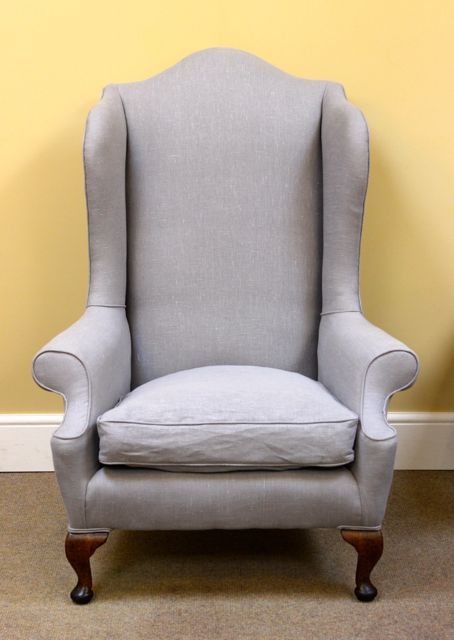


Late Victorian Wingback Chair
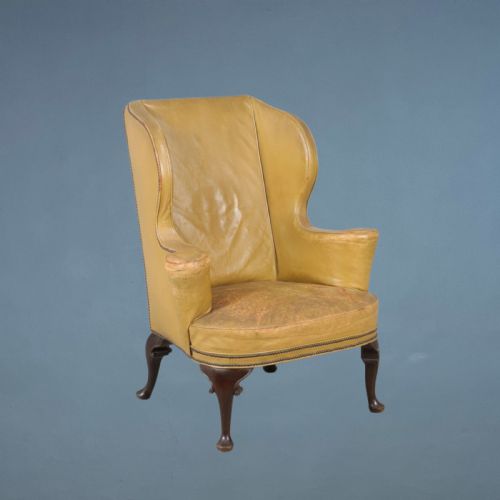
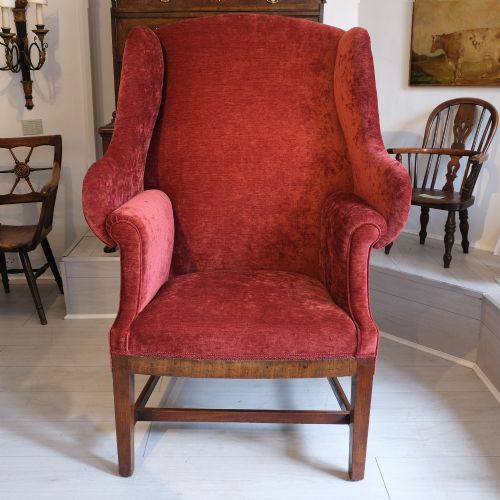
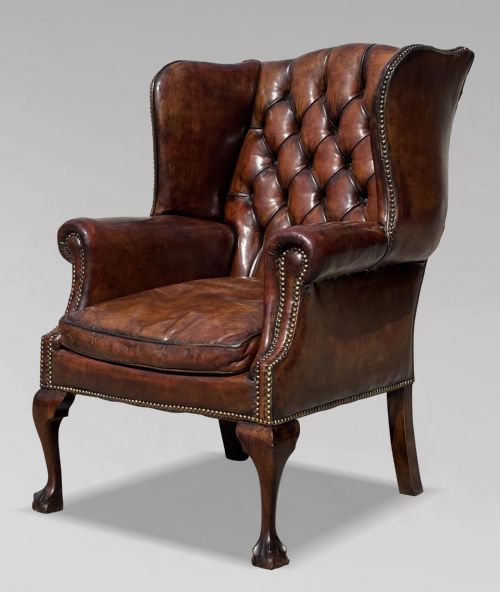
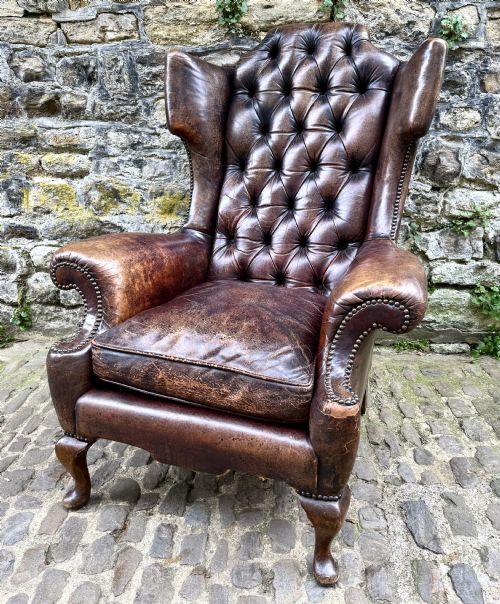
A late victorian wingback chair offers deep comfort and traditional presence, combining sturdy timber frames with supportive upholstered wings.
Late Victorian Wingback Chair
A late victorian wingback chair is a substantial upholstered seat designed to shield the sitter from draughts while keeping the head warm near the hearth. The form dates back centuries, but the examples found here belong firmly to the nineteenth century, with many bearing the hallmarks of the late Victorian era up to nineteen hundred.
Buyers will most frequently meet versions framed in timber such as walnut and mahogany, often influenced by revival styles like Queen Anne design. These armchairs typically feature deep seats, high backs and prominent protective wings flanking the sides.
How They Were Made
Makers constructed the structural frames of a late victorian wingback chair using sturdy hardwoods such as walnut and mahogany, sometimes supplemented by brass details. These timbers provided the rigid skeleton necessary to support heavy upholstery and daily use over generations.
The padding was traditionally covered in durable textiles including leather, linen, velvet and damask, often finished with buttoning to secure the interior stuffing. Upholsterers stitched these heavy fabrics tightly over the timber frame to create a taut, resilient surface.
Late Victorian Wingback Chair Retail Price Guide 2026
Typical asking prices for late victorian wingback chair among the pieces listed under this phrase on Sellingantiques today, from the lower quarter to the upper quarter. They describe what is for sale here now, not the wider market.
The high wings were originally designed to trap heat from the fire, proving that nineteenth-century inventors took serious steps against a chilly parlour.
What Varies in Quality
The grade of a late victorian wingback chair rests largely on the choice of frame timber and the precision of the joinery beneath the upholstery. Denser woods like walnut command attention for their durability and grain, whereas simpler timber frames sit lower in the range.
The character and preservation of the covering material also divide ordinary pieces from superior examples. Thick, supple leather and rich velvet hold their appearance better over decades than lighter linen or damask, reflecting the initial investment put into the furnishing.
The Late Victorian Wingback Chair Glossary
- Wingback
- A style of upholstered armchair featuring protective side panels attached to the backrest. These wings originally blocked cold air from reaching the sitter's head.
- Buttoning
- An upholstery technique where deep buttons are pulled through the padding to secure the stuffing and create a patterned indent. This method adds firmness and visual texture to the seat or back.
- Damask
- A reversible figured fabric traditionally woven on a jacquard loom with patterns formed by contrasting warps and wefts. It offers a subtle sheen suited to formal sitting rooms.
- Queen Anne Revival
- A design movement drawing inspiration from early eighteenth-century decorative arts. Pieces in this style often display characteristic curving lines and warm walnut timber.
Late Victorian Wingback Chair: Frequently Asked Questions
What is a late victorian wingback chair?
A late victorian wingback chair is a high-backed upholstered seat designed during the nineteenth century to keep draughts away from the sitter.
These pieces typically feature timber frames made from walnut or mahogany, enclosed in materials such as leather, velvet or damask.
How were these armchairs used originally?
These armchairs were placed near fireplaces in grand rooms to trap heat around the occupant while blocking cold air currents.
The high wings and deep seat provided privacy and physical support for reading, resting or conversing.
How do I live with one today?
Integrating a late victorian wingback chair into a modern room requires balancing its heavy proportions with simpler surrounding furniture.
Positioning the armchair in a study, library or corner provides a functional reading spot with distinct historical character.
How can I tell the period apart?
Dating these chairs relies on observing the timber types, upholstery styles and subtle design cues pointing to the late nineteenth century.
References to Queen Anne design or the use of specific woods like walnut help narrow down the decade of manufacture between eighteen eighty and nineteen hundred.