



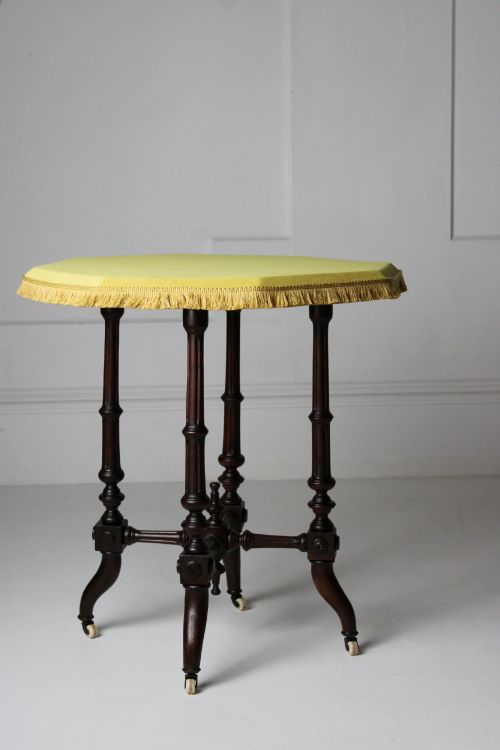
Late Victorian Walnut Table
A late victorian walnut table brings dark, figured timbers and solid nineteenth-century construction directly into a modern room.
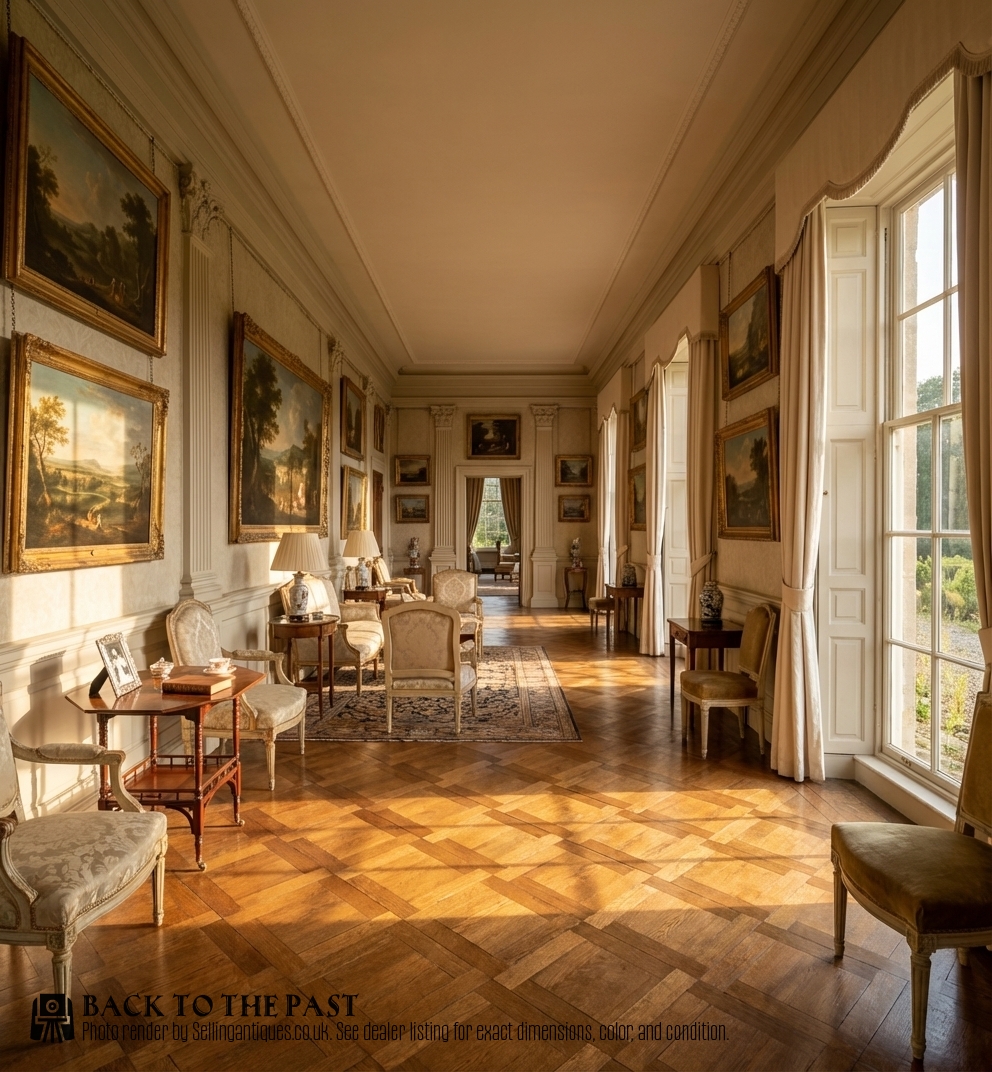
Late Victorian Walnut Table
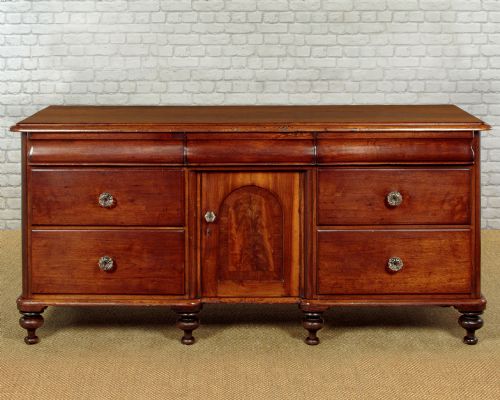
A late victorian walnut table encompasses a diverse group of domestic furnishings produced near the close of the nineteenth century. Buyers searching for a late victorian walnut table will encounter occasional pieces, centre tables, and side tables designed for sitting rooms and parlours. These items emerge from periods spanning the late Victorian decades into the early Edwardian years, reflecting varied cabinet-making traditions.
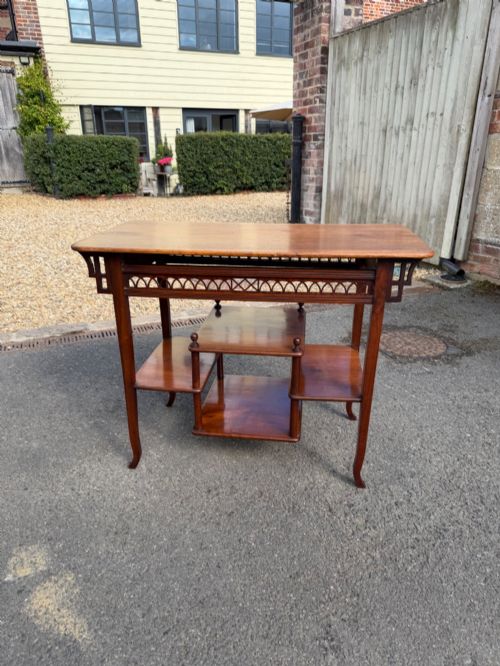
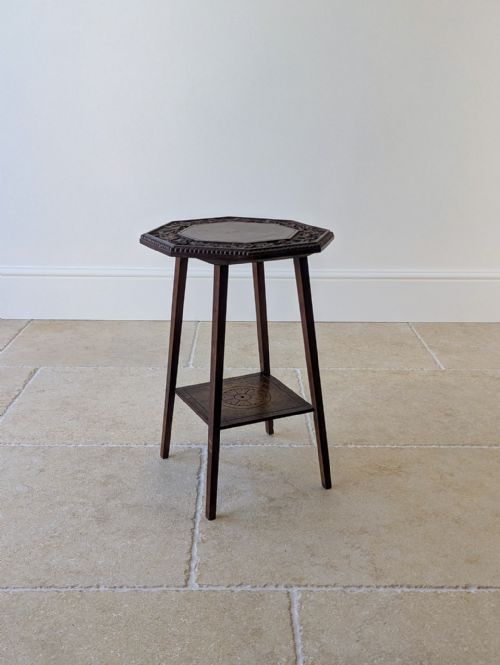
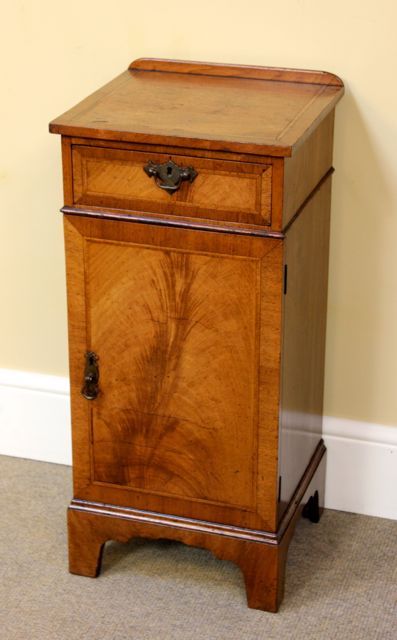
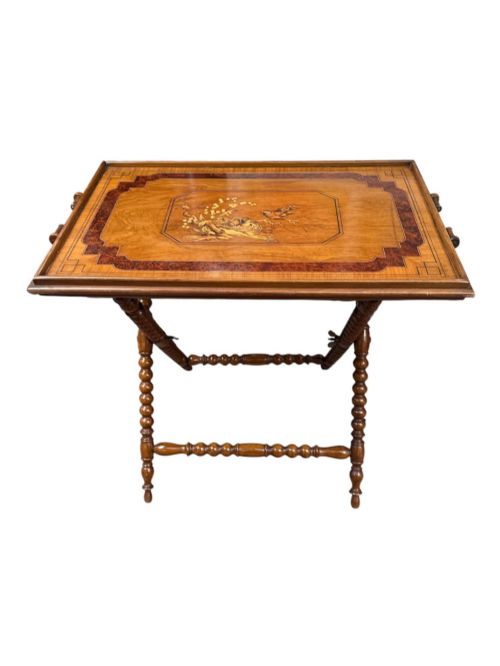
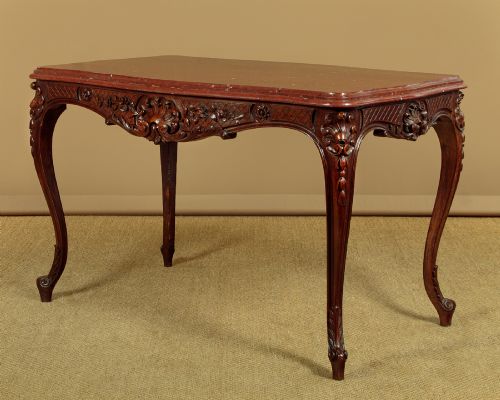
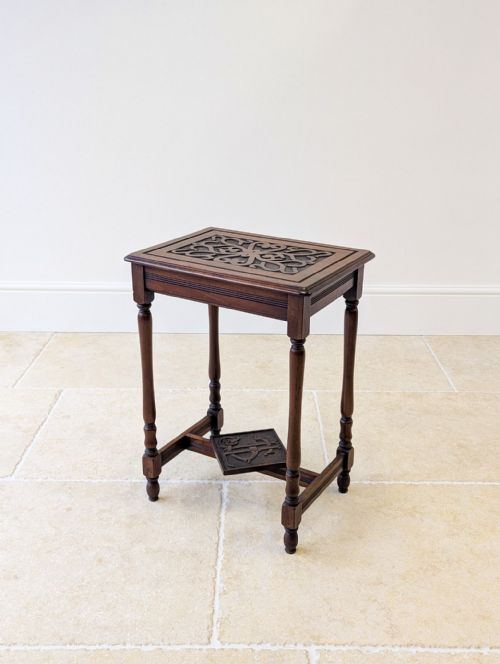
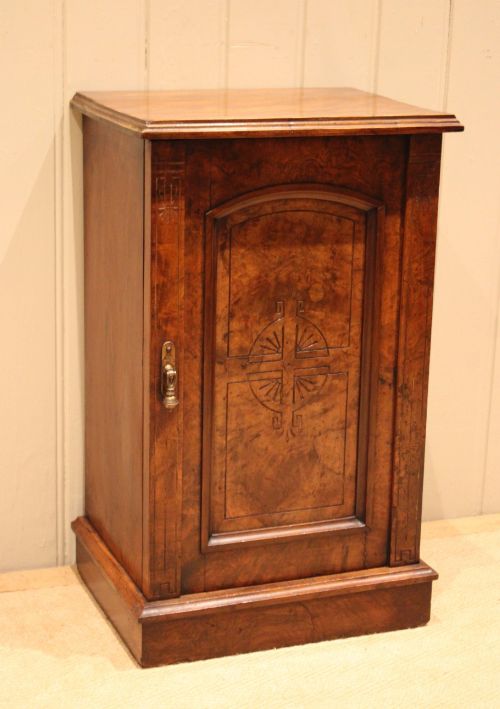
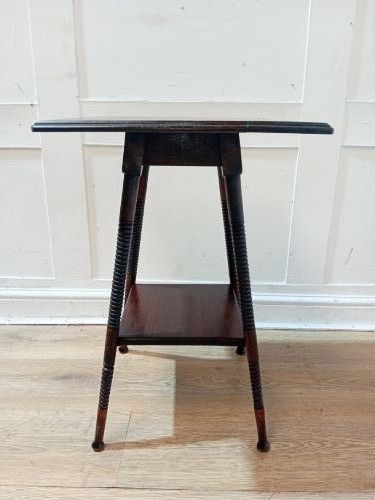
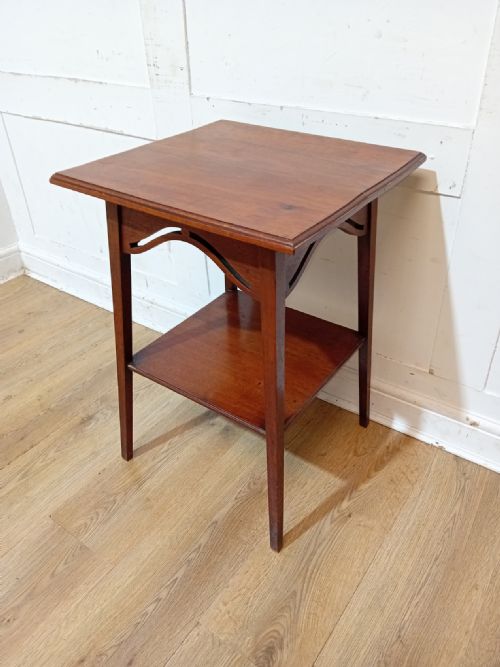
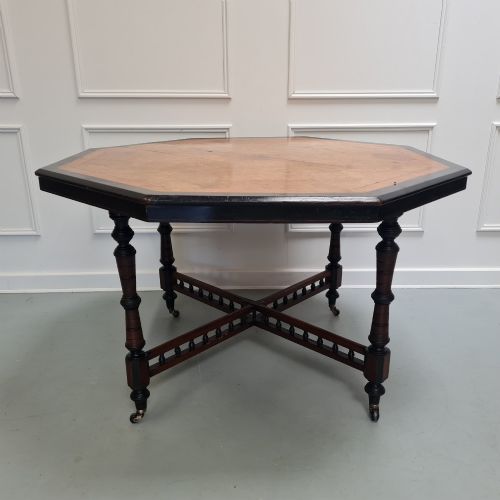
The assortment includes smaller utilitarian forms such as bedside cabinets, lamp tables, and tray tables alongside grander octagonal centre tables. Makers utilised diverse stylistic influences ranging from Aesthetic Movement severity to ornate French Revival and Arts and Crafts simplicity. Plain walnut and figured burr veneers dominate the domestic output recorded in the archive and current selections.
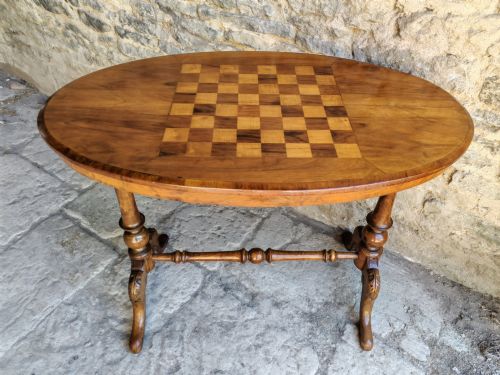
Larger formats like extending dining tables and writing desks appear alongside compact Sutherland tables and nesting quartetto sets. Many examples incorporate specialised surfaces, including chess boards, marble tops, and tooled leather insets. The surviving examples demonstrate how households of the period deployed functional timber furniture across every domestic space.
Materials and Technique
Cabinet-makers built these pieces using solid walnut framework overlaid with rich burr walnut veneer to create highly figured decorative surfaces. Workshops incorporated secondary timbers alongside brass hardware, carved detailing, and turned spindle legs to finish the construction. Selected examples integrate specialised elements like rouge marble slabs, inlaid wood marquetry, ebonised wood accents, and inset leather writing surfaces.
Construction techniques combine traditional joinery with applied decorative arts such as Sorrento ware, parquetry, and delicate wood inlay. Tables designed for specific uses integrate mechanical adjustments, drop leaves, or revolving mechanisms built into the walnut framing. The integration of solid structural elements with finely sliced veneers defines the physical manufacture of the period.
The surviving inventory highlights diverse design influences, uniting Aesthetic Movement geometric restraint with ornate Rococo Revival and Arts and Crafts traditions.
Evaluating Construction and Design
The standard of a late victorian walnut table rests upon the selection of timber figures and the precision of the underlying joinery. Superior examples display dense, well-matched burr walnut veneers paired with crisp hand-carved detailing rather than repetitive machine mouldings. The integration of secondary materials, such as heavy marble inserts or complex brass mechanisms, indicates a higher grade of workshop production.
Design ambition separates standard commercial output from exceptional pieces produced by prominent makers or specialised retail houses. Tables that retain original structural elements, such as unreplaced tooled leather tops or matching hardware, command greater appreciation among collectors. The harmony between the walnut frame, stylistic flourishes, and structural proportions determines the overall standing of an individual piece.
William Birch·Shoolbred and Co·Gillows Lancaster·Druce and Co London
The Late Victorian Walnut Table Glossary
- Burr walnut
- A figured veneer sliced from the knotty growths of the walnut tree, prized for its swirling grain patterns. Cabinet-makers applied these thin sheets to table tops and drawer fronts for rich visual depth.
- Aesthetic movement
- A late nineteenth-century design style emphasising visual beauty over narrative function, often featuring ebonised wood and simple geometric forms. Pieces in this style reject heavy Victorian ornamentation in favour of cleaner lines.
- Marquetry
- The art of creating decorative pictures or patterns on wooden surfaces using thin veneer slices of various timbers. Sorrento ware often utilises this technique to depict geometric or pictorial scenes on table tops.
- Etagere
- A set of open tiered shelves supported by slender columns, used for displaying ornaments. These freestanding walnut pieces typically feature multiple display levels.
- Occasional table
- A small, movable table designed for specific, intermittent domestic tasks such as holding lamps or afternoon tea. These versatile forms appear frequently in late nineteenth-century interiors.
Late Victorian Walnut Table: Frequently Asked Questions
How do I care for a walnut table?
Keep wooden furniture away from direct heat sources and sudden humidity changes to prevent timber movement. Apply natural beeswax periodically and buff gently with a soft cloth to nourish the finish.
Avoid placing damp glasses or hot dishes directly onto the polished walnut surface. Use protective mats to preserve the historic polish and underlying veneer.
Were these tables used for dining?
Certain larger formats functioned as dining surfaces, particularly the extending tables designed with removable leaves. Smaller variants served entirely different domestic purposes in sitting rooms and bedrooms.
Occasional tables, centre tables, and side tables catered to reading, letter writing, or holding decorative lamps. Examining the height, scale, and legroom helps determine the original domestic function.
What is the difference between occasional and centre tables?
Centre tables stand as substantial, freestanding pieces intended to occupy the middle of a principal room. They often feature finished detailing on all sides and heavier structural framing.
Occasional tables are lighter, smaller items built to be moved around a room as needed. They support minor tasks rather than acting as a primary room focal point.
How can I identify the Victorian period?
Look for characteristic timber choices, traditional joinery methods, and stylistic cues associated with nineteenth-century design movements. Walnut and burr walnut veneers combined with hand-turned spindle legs point directly to this era.
Consider the presence of period hardware, such as brass castors or locks, which corroborate nineteenth-century production. Comparing construction details against dated examples helps confirm the approximate decade of manufacture.