

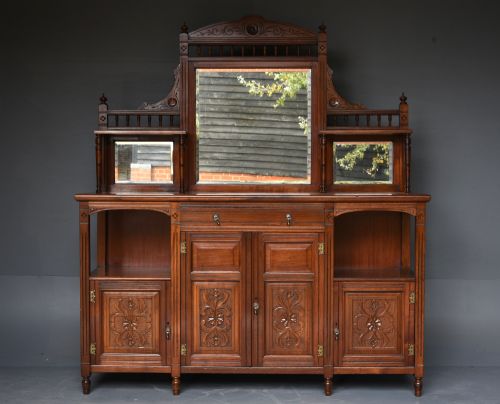
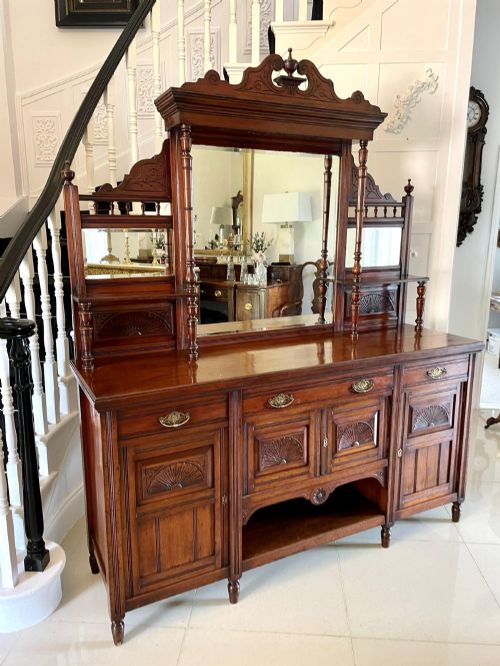
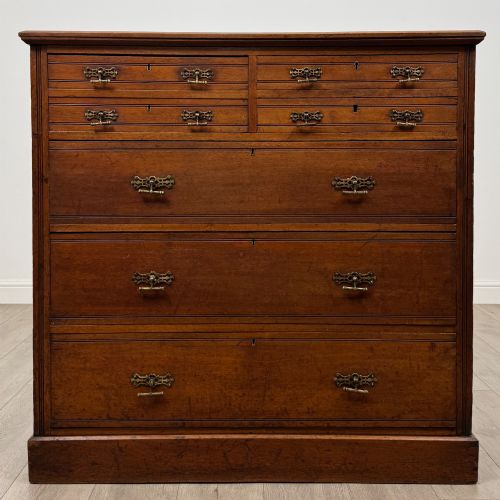
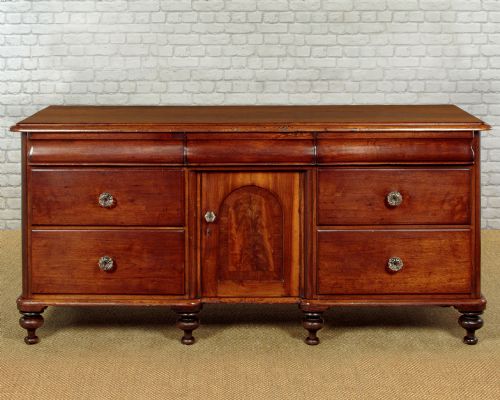





Late Victorian Walnut Dresser
These late victorian walnut dresser pieces and related sideboards combine rich timber grain with practical storage for any traditional room.
Late Victorian Walnut Dresser
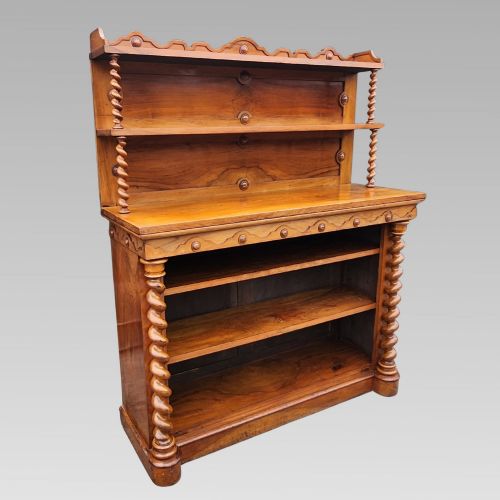
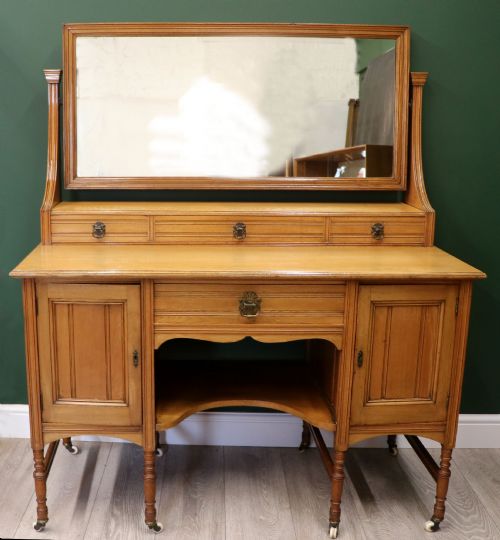
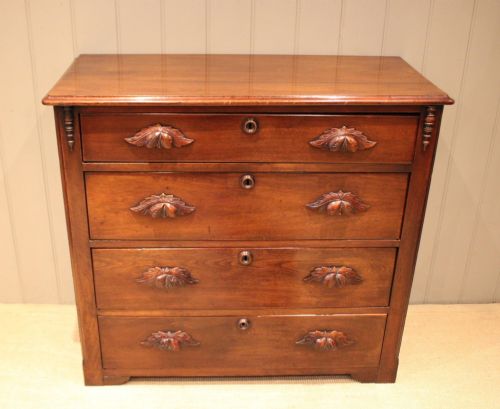
A late victorian walnut dresser brings together dark woods and traditional utility from the late nineteenth century and Edwardian period. Buyers searching this term encounter various forms, including sideboards, kitchen dressers, chests of drawers, and dressing tables.
Most items on this page date from around eighteen eighty or the wider Victorian era, occasionally crossing into early twentieth century Edwardian examples. American walnut frequently appears alongside standard walnut timber, shaping the regional variations found in these cabinets.
How they were made
Cabinet makers utilised solid walnut and burr walnut veneers, pairing rich timber surfaces with brass hardware and glass elements. Carved details often accent mirror backs, sideboards, and buffet cabinets.
Construction methods from the nineteenth century rely on sturdy joinery and sturdy drawer construction, designed to withstand daily domestic use while displaying the distinct figuring of walnut grain.
Late Victorian Walnut Dresser Retail Price Guide 2026
Typical asking prices for late victorian walnut dresser among the pieces listed under this phrase on Sellingantiques today, from the lower quarter to the upper quarter. They describe what is for sale here now, not the wider market.
Listings feature walnut, burr walnut, brass, and glass across Victorian and Edwardian periods.
What varies in quality
The standard of carving and the selection of timber grain separate simpler chests from finer mirror back sideboards. Burr walnut veneers and detailed carving demonstrate a higher level of workshop skill.
Original hardware, such as brass pulls and intact glass panels, adds to the integrity of a piece, while proportion and balanced ornamentation distinguish superior cabinet work.
Jas Shoolbred
The Late Victorian Walnut Dresser Glossary
- Walnut
- A dense, dark hardwood prized for its rich colour and prominent grain patterns. It forms the primary structural and decorative material for these cabinets.
- Burr Walnut
- A specialised wood veneer taken from growths on the walnut tree, showing swirling patterns. This material elevates the decorative appearance of drawer fronts and cabinet doors.
- Sideboard
- A dining room or living space cabinet used for storage and serving, often incorporating drawers and cupboards. Many pieces grouped under dresser searches share this form.
- Edwardian
- A stylistic period following the Victorian era, spanning the early twentieth century. Pieces from this time maintain traditional walnut construction methods.
Late Victorian Walnut Dresser: Frequently Asked Questions
What is a late victorian walnut dresser?
It is a nineteenth-century storage item built from walnut timber, encompassing sideboards, dressers, and chests of drawers from the Victorian era.
These pieces typically feature dark wood tones, brass hardware, and occasional carved details or mirror backs.
How do I care for walnut furniture?
Walnut benefits from occasional polishing with suitable wax and protection from direct sunlight to preserve the richness of the timber grain.
Keep these cabinets away from excessive moisture and sudden temperature changes to maintain the wood and veneer.
Are these pieces from America or Britain?
The evidence shows a mix of standard Victorian pieces and American walnut imports from the late nineteenth century.
American walnut items often present distinct cabinet proportions while utilising the same dark hardwood materials.
How do I identify the Victorian period?
Victorian furniture is characterised by nineteenth-century construction techniques, solid walnut or burr walnut timbers, and traditional hardware.
Details like carved mirror backs and heavy sideboards point directly to this era of cabinet making.