




Late Victorian Vase
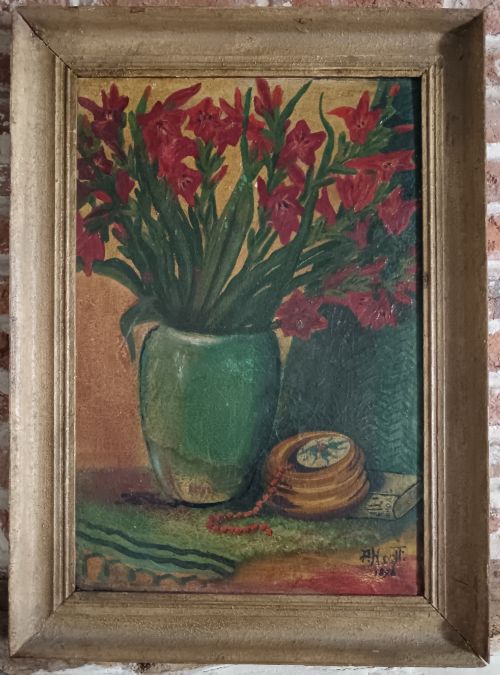
When you search for a late victorian vase, you encounter diverse ceramic, glass and metal vessels shaped by nineteenth-century revivalist and modernist movements.
Late Victorian Vase
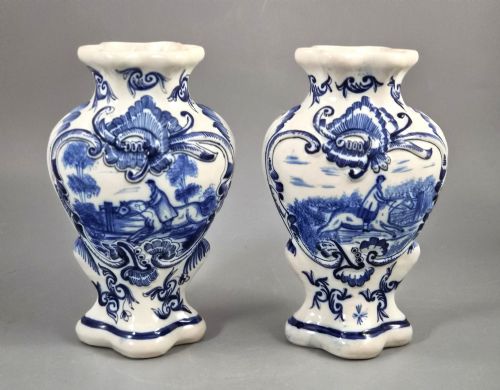
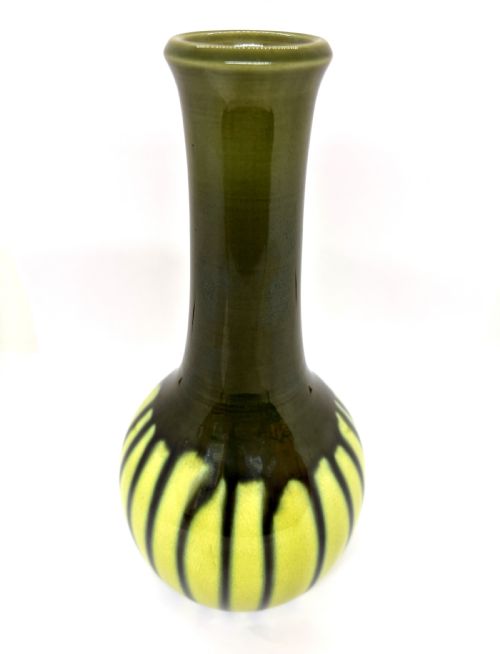
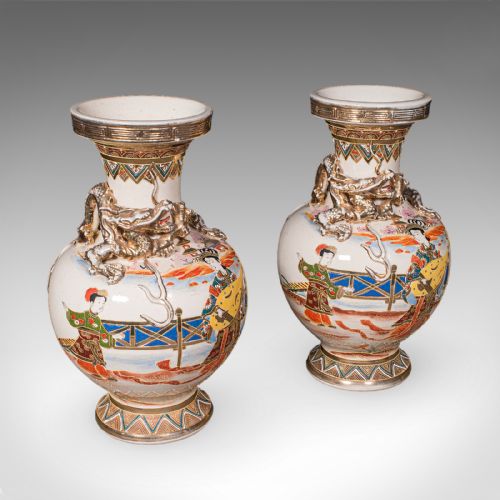
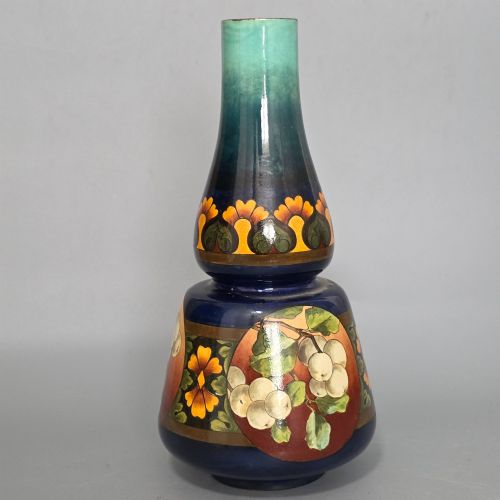
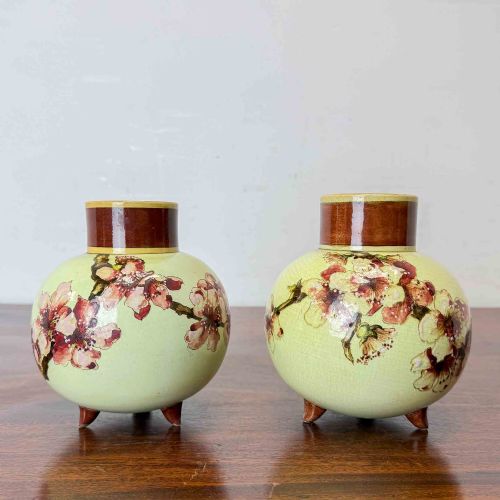
A late victorian vase encompasses ornamental vessels produced during the closing decades of the nineteenth century, reflecting eclectic domestic tastes. Buyers most frequently meet ceramic and porcelain examples alongside glassware and metalwork from this period.
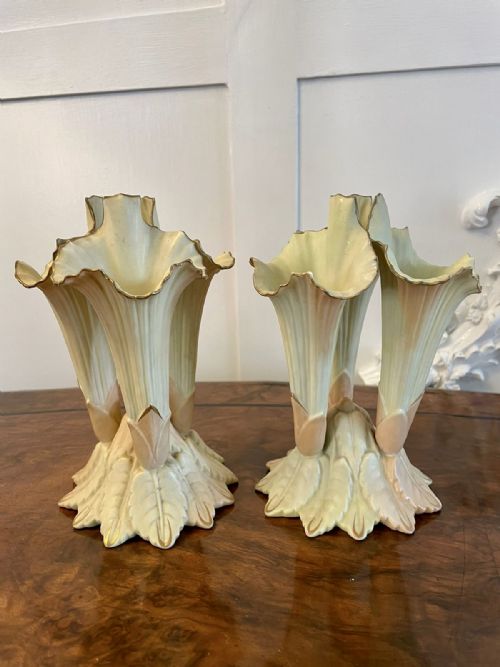
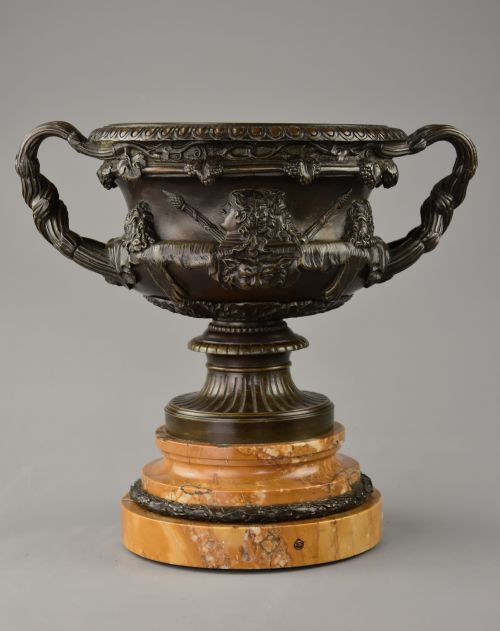
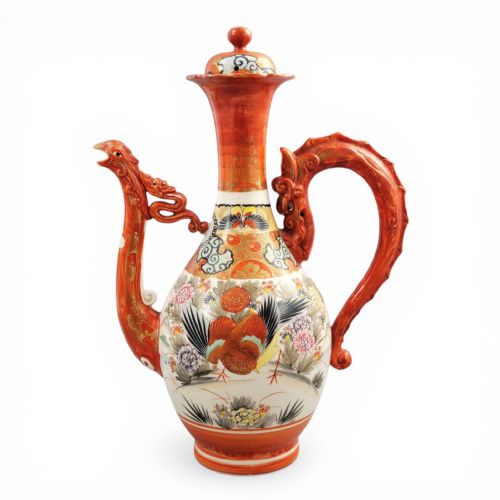
The objects span varied forms, from standard baluster and beaker shapes to ewers, urns and spill vases. These pieces demonstrate stylistic influences ranging from traditional neoclassical revivals to contemporary art nouveau and aesthetic movement designs.
Materials and production methods
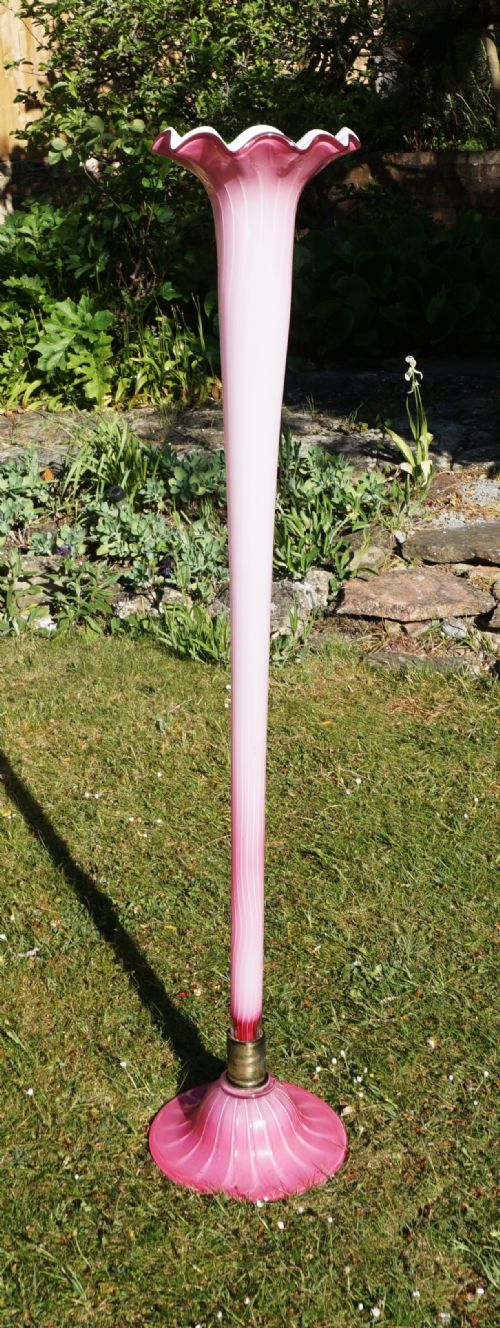
Makers utilised ceramic bodies including porcelain, earthenware and stoneware, often finished with detailed glazes, enamel or hand-painted motifs. Glass pieces involved cased glass, cameo techniques, wheel engraving and moulded vaseline or cranberry glass.
Metalwork vessels relied on brass, bronze and silver plating, sometimes combined with ceramic components. Artisans applied surface embellishments such as gilding, gold leaf and pierced metalwork to create decorative texture.
Some glass vessels contained uranium to achieve an uncanny neon glow.
Distinctions in craftsmanship
Superior examples demonstrate meticulous hand-painting, precise wheel engraving and complex reticulated piercing, reflecting the skill of named potteries and studios. Lesser pieces rely on simpler moulded forms with minimal surface decoration.
The refinement of the glaze, the crispness of applied enamel and the integration of mixed media such as silver mounts separate standard production items from distinguished artistic works.
Locke and Co·Burmantofts Pottery·Doulton Lambeth·Royal Worcester·Moser
The Late Victorian Vase Glossary
- Ewer
- A large jug with a wide spout and handle, frequently produced in porcelain or ceramic as a decorative display piece.
- Reticulated
- Pierced or openwork patterning forming a net-like design across ceramic or porcelain surfaces.
- Vaseline glass
- Pressed or blown glass containing uranium dioxide, which produces a distinctive yellowish-green fluorescence under ultraviolet light.
- Baluster
- An architectural shape featuring a rounded, bulging lower body tapering to a narrow neck, commonly seen in ceramic vases.
- Garniture
- A set of matching decorative vases or urns designed to be displayed together on a mantelpiece or sideboard.
Late Victorian Vase: Frequently Asked Questions
How were late victorian vases used?
These vessels functioned primarily as decorative interior ornaments rather than practical flower holders, often displayed on mantelpieces, tables or within garniture sets alongside clocks. Wealthy households utilised them to showcase refined tastes in art and contemporary manufacturing.
Smaller spill vases and posy vessels held cut flowers or hearth matches, while larger urns and ewers served as standalone decorative statements in formal reception rooms.
How do I identify a late victorian vase?
Examination of the base often reveals impressed pottery marks, registration numbers or painted studio ciphers that date the piece to the late nineteenth century. Stylistic clues such as aesthetic movement asymmetry, art nouveau flora or characteristic colour palettes also help determine the era.
Material composition provides further evidence, as specific glass types like cranberry or vaseline glass and distinct stoneware bodies gained widespread popularity during the late victorian decades.
What styles define late victorian ceramics?
Ceramics from this era span historicist revivals like neoclassical and rococo styles alongside modern movements including the aesthetic movement and arts and crafts. Many pieces also incorporate Japanese motifs influenced by mid-century international exhibitions.
Potteries experimented freely with Persian-inspired glazes, naturalistic floral painting and innovative surface textures such as raised paste and slip trailing.
How should I clean antique glass vases?
Careful dusting with a soft, dry cloth is usually sufficient for surface maintenance, avoiding abrasive materials that might scratch delicate glass or enamel. If washing is necessary, use lukewarm water and mild soap without submerging mounted metal bases.
Avoid chemical cleaners and rapid temperature changes, particularly with cased glass or antique pieces featuring hand-painted gilding that can degrade over time.