



Late Victorian Tea Table
A late victorian tea table brings functional elegance and rich period character to a room, serving as a versatile surface for afternoon gatherings or daily display.
Late Victorian Tea Table
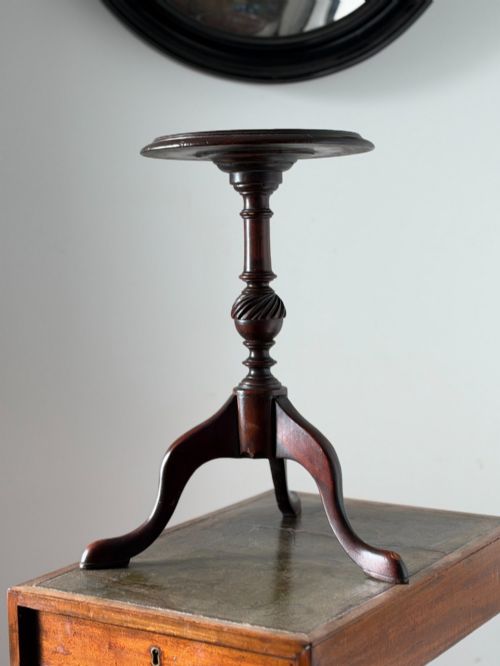
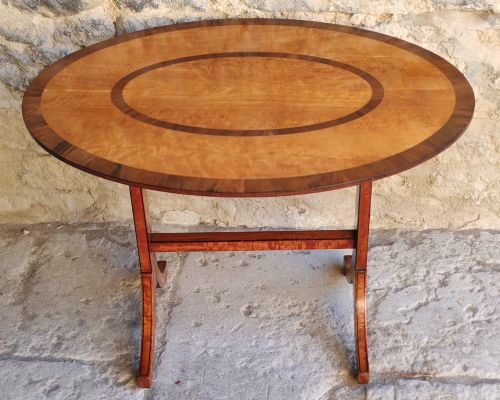
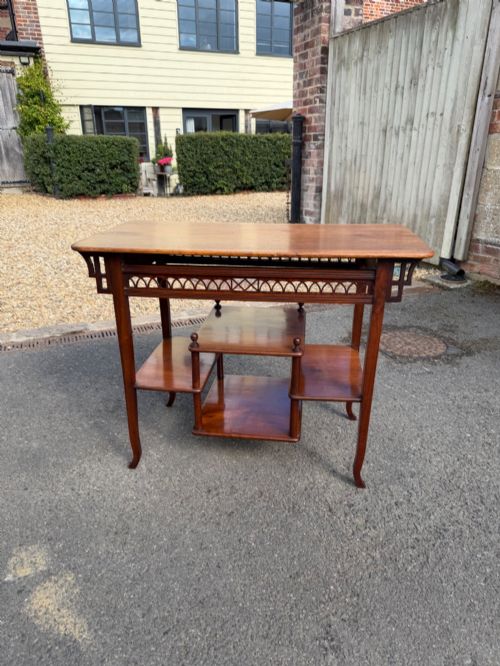
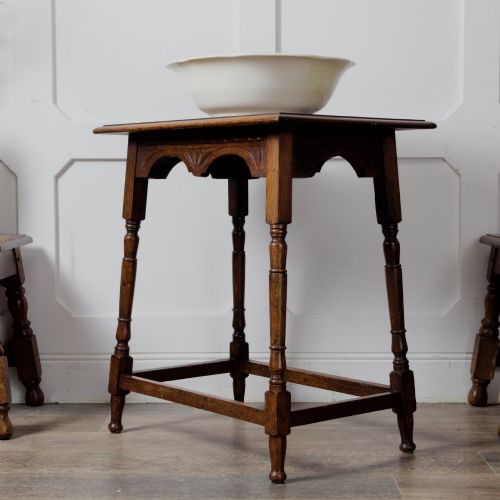
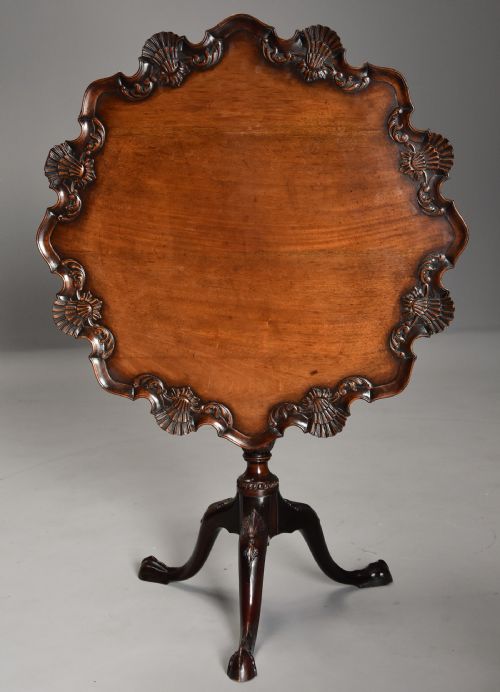
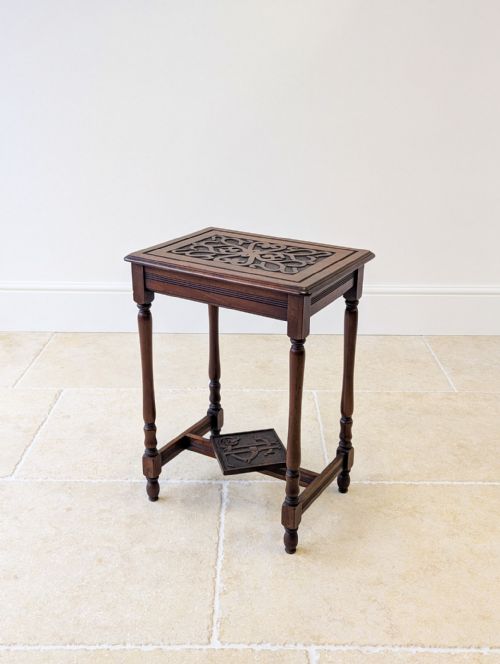
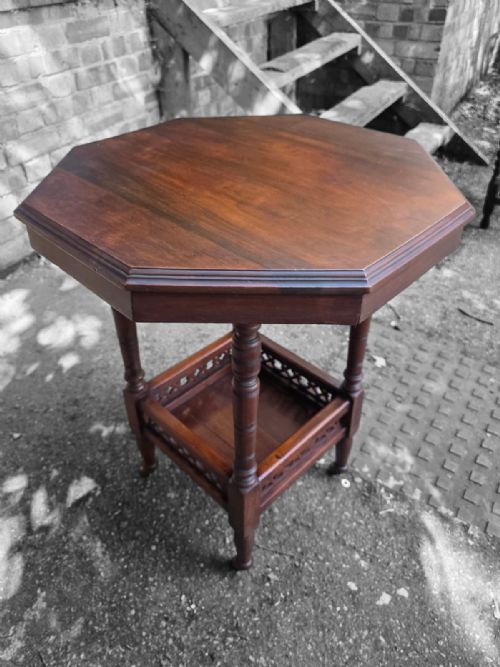
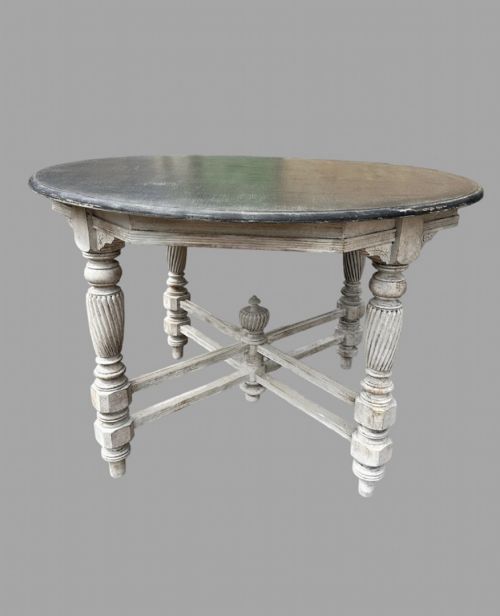
When searching for a late victorian tea table, buyers encounter a diverse selection of occasional, side, centre, and tray tables dating primarily from the late nineteenth century. The examples on this page span the Victorian era, specifically concentrating around the eighteen-eighties and nineties, reflecting the eclectic tastes of the period.
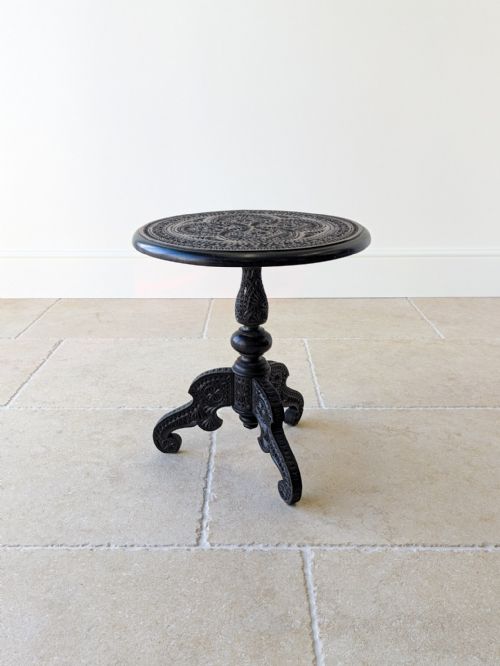
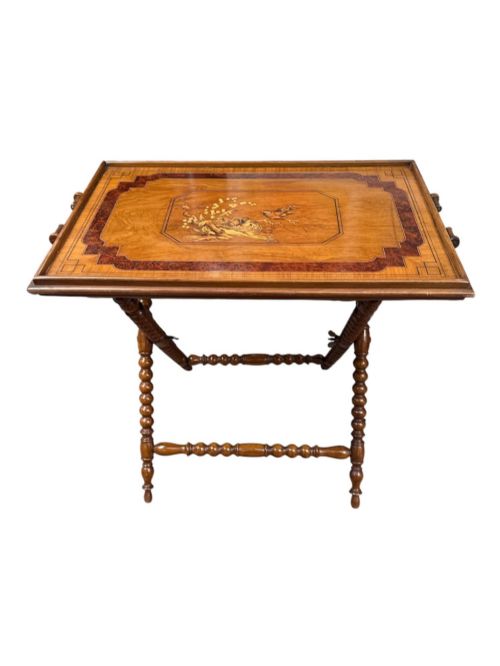
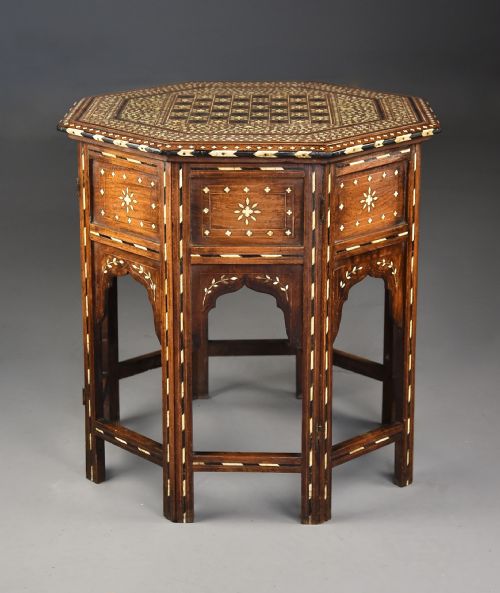
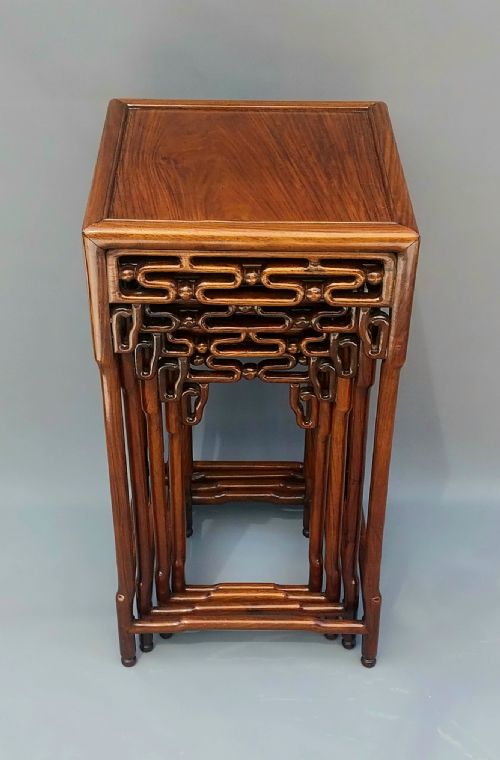
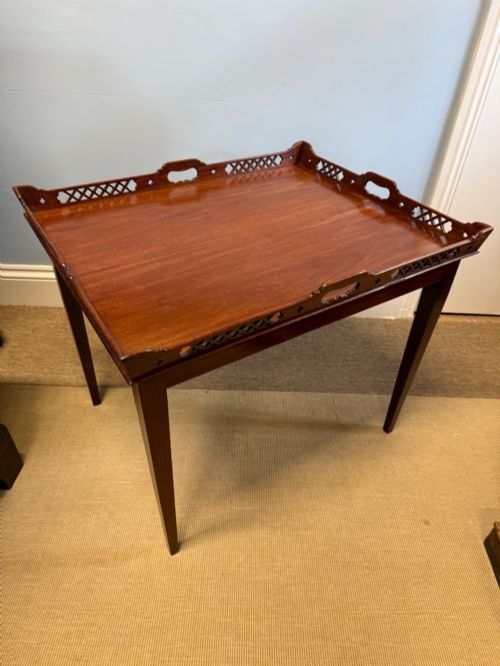
The forms vary widely from standard mahogany side tables and octagonal occasional pieces to intricate folding tray tables and drop-leaf Sutherland tables. Alongside traditional English designs, the inventory incorporates global influences such as Anglo-Indian, Chinese, and Burmese craftsmanship, often utilising rich timbers and detailed surface decoration.
Most pieces function flexibly within a modern interior, working equally well as lamp tables, small centrepieces, or dedicated display surfaces. The survival of these tables demonstrates the enduring utility of late nineteenth-century domestic furniture.
How They Were Made
Cabinetmakers of the period relied heavily on dense hardwoods such as mahogany, walnut, oak, and rosewood, frequently employing satinwood and teak for contrast and inlay work. Timber selection was matched to the intended function, ensuring structural stability for folding mechanisms and supporting surfaces.
Surface ornamentation involved skilled techniques including marquetry, parquetry, bone inlay, and elaborate hand-carving reflecting Aesthetic Movement, Chippendale Revival, and Eastern influences. Metal accents in brass and copper appear on tray tops, spirit kettles, and structural mounts, completing the composite construction typical of the era.
Late Victorian Tea Table Retail Price Guide 2026
Typical asking prices for late victorian tea table among the pieces listed under this phrase on Sellingantiques today, from the lower quarter to the upper quarter. They describe what is for sale here now, not the wider market.
Listings feature woods spanning mahogany, walnut, oak, rosewood, teak, satinwood, and Hongmu.
What Varies in Quality
The standard of execution separates workshop output, ranging from straightforward provincial joinery to exceptional pieces signed by notable makers. Precision in hand-carved details, the complexity of marquetry patterns, and the integration of exotic materials define the upper tier of production.
Material selection and structural integrity dictate the distinction between utilitarian domestic items and high-status furnishings. Tables featuring refined timber selection, complex multi-tiered constructions, or documented workshop attributions demonstrate superior craftsmanship.
Edwards and Roberts·Gillows·Lamb of Manchester·Liberty and Co·William Soutter and Sons
The Late Victorian Tea Table Glossary
- Occasional table
- A small, versatile table designed for sporadic use around a drawing room or parlour. These pieces moved easily to hold books, drinks, or decorative items.
- Marquetry
- The art of applying decorative veneer pieces to a structure to form intricate pictorial or geometric patterns. Craftsmen utilised various coloured woods and bone to achieve detailed ornamentation.
- Sutherland table
- A narrow drop-leaf table featuring exceptionally slender legs and deep flaps that fold down vertically. This design allowed the table to occupy minimal space when not in use.
- Aesthetic movement
- A late nineteenth-century design style emphasising visual beauty over narrative or moral content. Pieces often display clean lines, ebonised finishes, or Japanese-inspired motifs.
- Tray table
- A piece comprising a removable serving tray resting upon a folding or fixed support stand. They combine portable utility with decorative woodwork or metalwork.
Late Victorian Tea Table: Frequently Asked Questions
How were these tables used originally?
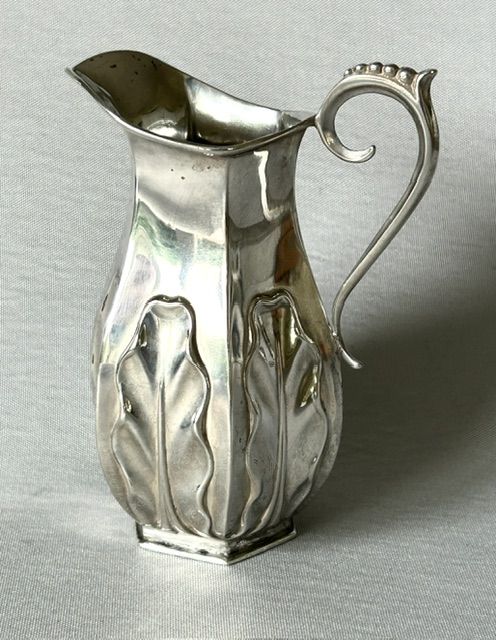
In Victorian homes, these tables served primarily during afternoon tea rituals to hold porcelain services, teapots, and cream jugs. Their portable nature allowed servants or residents to move them near seating areas as needed.
Beyond tea service, they functioned as parlour tables for displaying books, lamps, and ornamental items, adapting easily to the social habits of the late nineteenth-century household.
How do I identify an Aesthetic movement table?
Aesthetic movement tables often display ebonised wood finishes, parcel-gilt details, or incised Japanese-inspired motifs. They reject heavy Victorian ornamentation in favour of refined silhouettes and artistic surface decoration.
Many examples incorporate contrasting timber inlays or geometric arrangements, reflecting the philosophy of art for art's sake that dominated British design during the eighteen-eighties.
Are these tables practical for modern homes?
These tables integrate easily into contemporary interiors due to their compact footprints and versatile proportions. They function effectively as bedside stands, lamp tables, or accent surfaces in living rooms.
Their sturdy nineteenth-century construction ensures they withstand everyday use while adding distinct period character and historical warmth to a modern room.