




Late Victorian Taxidermy
Late victorian taxidermy brings the natural world indoors through preserved birds, mammals and shells set within glass domes and wooden cases.
Late Victorian Taxidermy
Late victorian taxidermy comprises preserved specimens mounted in glazed wooden cases or under glass domes, capturing natural history in interior decoration. These pieces reflect a nineteenth-century fascination with ornithology and exotic fauna from distant continents.
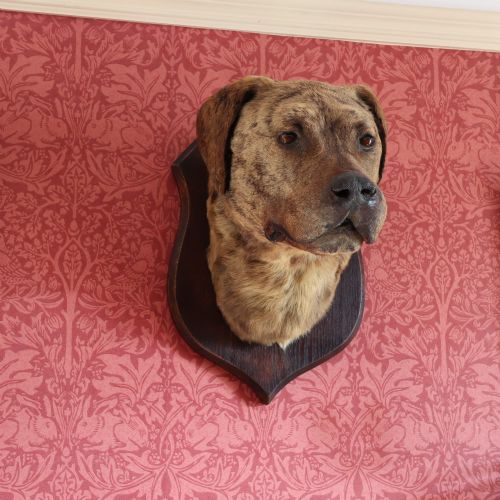
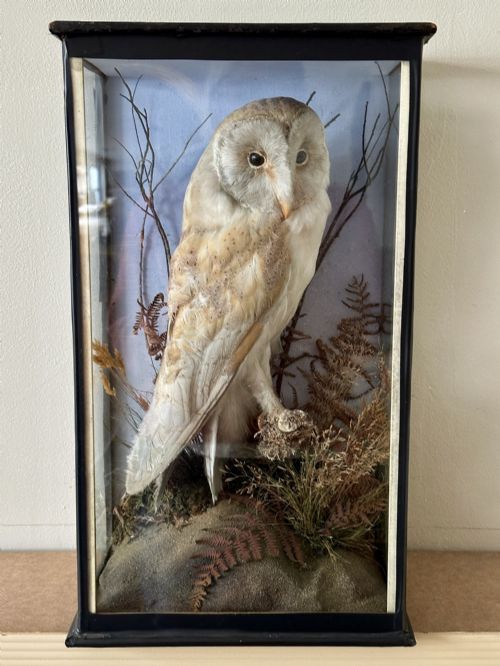
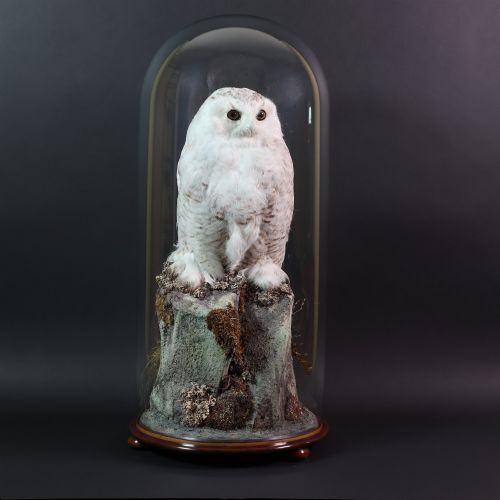
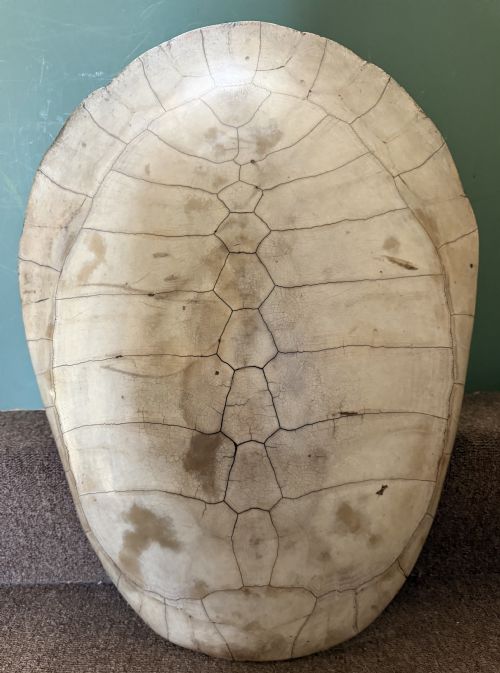
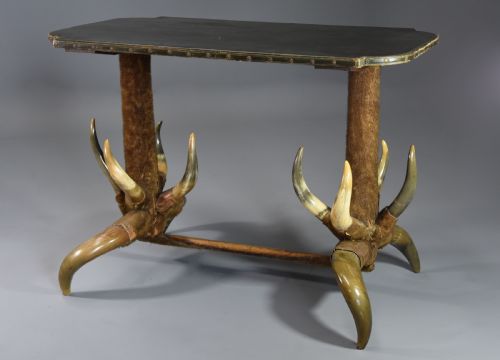
The selection centres on individual birds such as barn owls, snowy owls and parrots, alongside cases containing mixed exotic specimens and larger mounts like a dog head. Buyers also encounter display domes, turtle shell carapaces and horn furniture originating from the period.
Most examples date from the late nineteenth century around eighteen ninety, spanning styles from standard natural history display to hunting traditions. These items served as both scientific curiosities and decorative conversation pieces in period homes.
Materials and construction
Preservation relied on taxidermy techniques applied to pelts, feathers and organic specimens, mounted over internal armatures to retain lifelike postures. Artisans arranged these subjects within bespoke settings incorporating natural elements like twigs and foliage.
Display enclosures utilised glass domes, glazed timber showcases and ebonised wood or mahogany bases to protect the delicate specimens from dust and damage. Larger domestic items integrated natural materials such as cow horn and turtle shell into functional furniture.
Late Victorian Taxidermy Retail Price Guide 2026
Typical asking prices for late victorian taxidermy among the pieces listed under this phrase on Sellingantiques today, from the lower quarter to the upper quarter. They describe what is for sale here now, not the wider market.
Listings feature materials such as ebonised wood, mahogany, glass, feathers and preserved pelt across the Victorian era.
Factors of quality
Quality rests upon the anatomical accuracy and expression of the taxidermy mount, distinguishing skilled artisan work from stiff or distorted preservation. Natural feather and fur condition determines how well a specimen retains its original appearance over time.
The quality of the housing alters the overall merit of a piece, particularly clear blown glass domes and substantial timber bases made from oak or mahogany. Original glazed cases with intact sealing and backing retain higher authenticity than later replacements.
Rowland Ward
The Late Victorian Taxidermy Glossary
- Glass dome
- A blown glass cover used to protect delicate specimens from dust and handling. It sits upon a turned wooden base.
- Cloche
- A bell-shaped glass cover employed for displaying botanical or taxidermy specimens. The term derives from the French word for bell.
- Carapace
- The upper shell of a turtle or tortoise, preserved and polished as a decorative object. These specimens often feature intricate natural patterns.
- Ebonised wood
- Timber treated with a dark finish to imitate expensive ebony wood. This material frequently appears on Victorian display bases and furniture frames.
- Taxidermy showcase
- A glazed wooden cabinet built specifically to house and protect mounted birds or mammals. These enclosures often include painted background scenery.
Late Victorian Taxidermy: Frequently Asked Questions
How do I clean a glass dome?
Lift the glass very carefully using two hands while ensuring the specimen beneath remains untouched at all times.
Use a mild glass cleaner applied to a soft cloth rather than directly onto the glass to protect the antique base.
Where should I place taxidermy?
Keep mounted specimens away from direct sunlight and damp environments to prevent feather fading and material degradation.
Position cases on stable surfaces where temperature fluctuations stay minimal throughout the changing seasons.
Are these cases original?
Many specimens remain in their original glazed wooden enclosures dating from the late nineteenth century.
Inspect the joinery and glass characteristics to confirm whether the housing matches the period of the taxidermy inside.
How do I identify late victorian pieces?
Look for construction methods typical of the period, such as hand-blown glass, ebonised wood bases and traditional taxidermy mounting styles.
Dates around eighteen ninety and stylistic traits like Victorian natural history display point directly to this era.