







Antique Taxidermy Plaque
An antique taxidermy plaque brings natural history and traditional sporting heritage straight onto the wall.
Antique Taxidermy Plaque
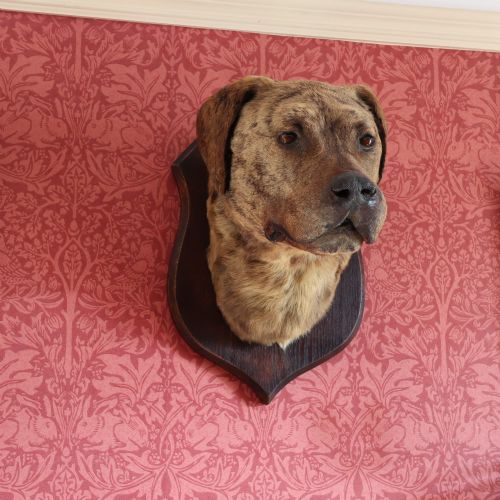
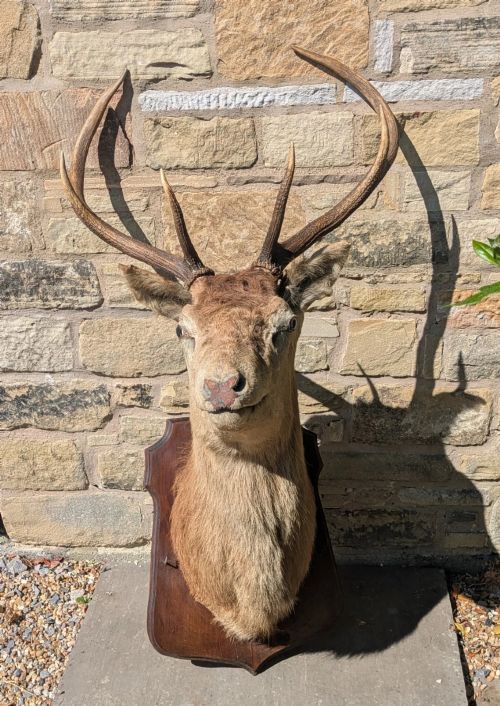
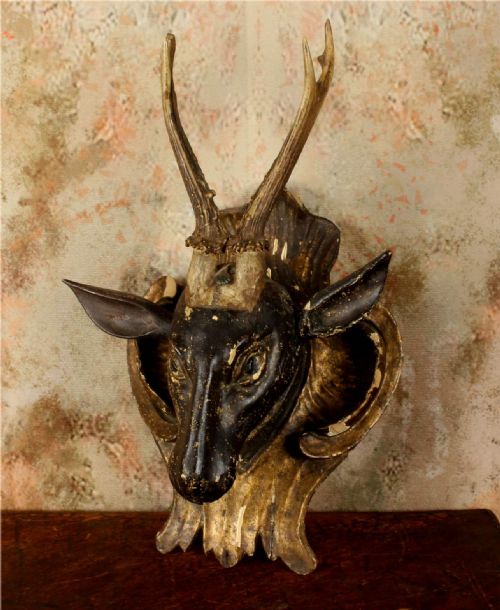
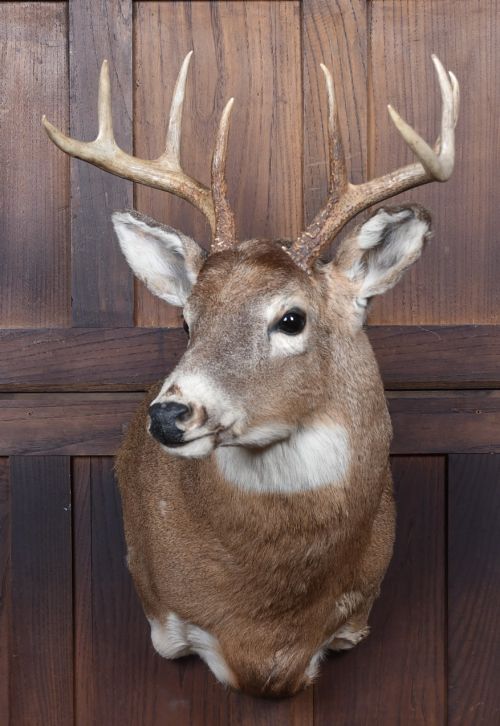
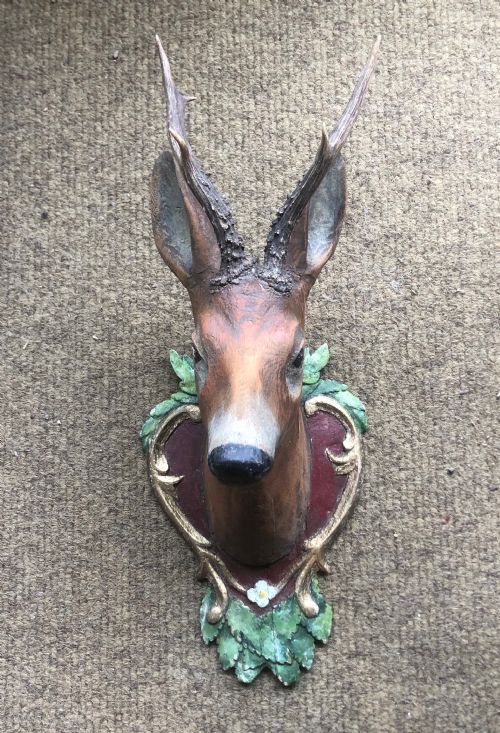
An antique taxidermy plaque represents a specialised branch of wall decor, featuring preserved animals, heads, and horns mounted for display. When searching for an antique taxidermy plaque, collectors encounter pieces ranging from Victorian stags' heads and fox masks to folk art carved wooden trophies.
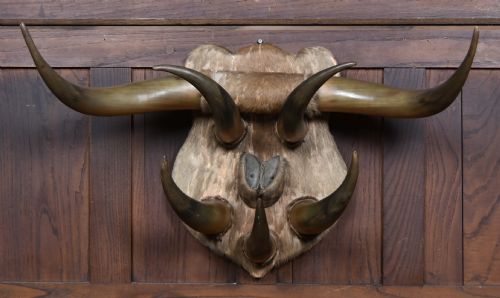
The selections span the nineteenth and twentieth centuries, incorporating Victorian, Edwardian, and interwar sporting traditions. Wall sculptures and taxidermy mounts appear alongside cattle horns and hooves, reflecting historical hunting and naturalist pursuits.
How they were made
Makers utilised natural materials such as bone, antler, hide, and timber to construct these wall mounts. Wooden shields and carved timber backings often support the preserved specimens, fixed securely with glass eyes and painted details.
Craftsmen shaped oak and other woods to create the wall plaques, mounting deer heads, horns, and masks onto shaped timber bases. Paint and glass were employed to enhance the realism of the taxidermy specimens.
Antique Taxidermy Plaque Retail Price Guide 2026
Typical asking prices for taxidermy plaque among the pieces listed under this phrase on Sellingantiques today, from the lower quarter to the upper quarter. They describe what is for sale here now, not the wider market.
Object types range from standard taxidermy mounts and wall sculptures to carved wood deer heads and mounted cattle horns.
What varies in quality
The standard of taxidermy work and the skill in anatomical modelling distinguish finer pieces from simpler items. Superior examples retain natural posture and lifelike expression, whereas lesser items display rigid forms or deterioration in the hide and hair.
The quality of the wooden shield or carved plaque also matters, with hand-carved folk art mounts offering greater character than standard factory-turned timber backings. Provenance and the renown of the workshop elevate the standing of a mounted piece.
Rowland Ward·P. Spicer & Sons·Peter Spicer & Sons
The Antique Taxidermy Plaque Glossary
- Taxidermy mount
- The preserved skin of an animal mounted over an artificial form to represent the living creature. These mounts serve as wall sculptures or traditional trophies.
- Mask
- The head and neck portion of an animal, particularly a fox, prepared and mounted for display. Fox masks frequently appear on wooden shields with dates and locality details.
- Shield
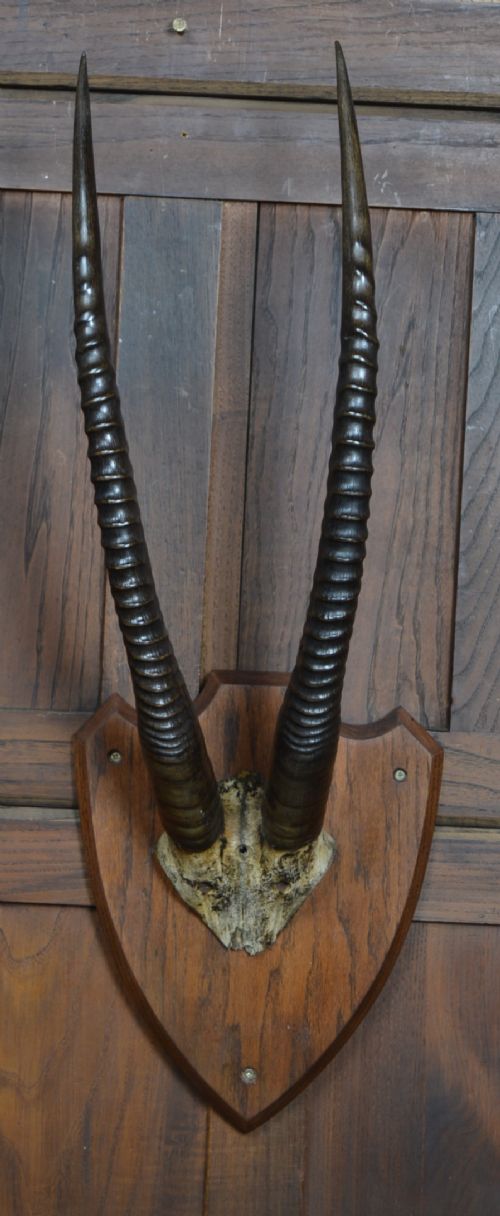
- The shaped wooden plaque or board upon which horns or animal heads are mounted for hanging. Carved timber shields often feature folk art detailing or oak construction.
- Folk art
- Objects created by self-taught or traditional artisans using accessible materials. In this category, items include carved wood deer heads and painted wooden animal trophies.
Antique Taxidermy Plaque: Frequently Asked Questions
How do I hang a heavy taxidermy plaque?
These pieces require secure fixings into solid wall studs or proper masonry anchors due to the weight of the timber shield and mounted head. The mounting bracket on the reverse must support the full combined weight of the wood and specimen safely.
Position the plaque at eye level where the structural support of the wall can bear the load permanently without strain.
What periods do these wall mounts come from?
The pieces span the nineteenth and twentieth centuries, encompassing Victorian, Edwardian, and interwar sporting eras. Dates range from the early eighteen hundreds through to the nineteen fifties.
Victorian and Edwardian examples dominate the selection, reflecting the popularity of naturalist collections and Highland hunting lodges during those periods.
How should I clean taxidermy mounts?
Maintenance involves gentle dusting with a soft brush or a dry cloth to prevent the accumulation of dirt on the hair, hide, and antlers. Avoid using water, chemical cleaners, or direct sunlight, which can damage natural organic materials.
Keeping the plaque in a stable environment away from extreme temperature fluctuations preserves the condition of both the taxidermy and the wooden backing.
What materials were used for the mounts?
Maker materials typically include timber, oak, bone, antler, hide, and glass eyes set within preserved animal specimens. Wooden shields provide the structural backing for heads, horns, and hooves.
Painted details and folk art carvings frequently supplement the natural materials, adding decorative character to the finished wall display.