


Late Victorian Table Light
A late victorian table light brings period weight and steady illumination to a room, combining brass columns or ceramic fonts with era-specific shades.
Late Victorian Table Light
When you search for a late victorian table light, you encounter a diverse group of nineteenth-century domestic lighting forms spanning oil lamps, converted candlesticks, and electrified metal or ceramic bases. These pieces date predominantly from the late nineteenth century, reflecting the transition from traditional oil burning to early electrical fittings.
How They Were Made
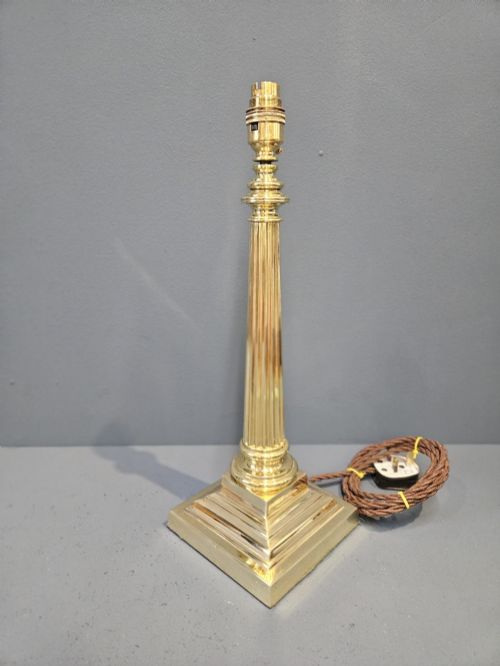
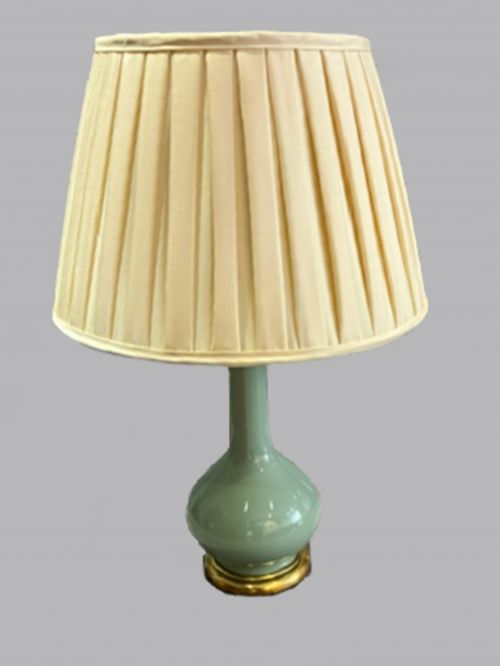
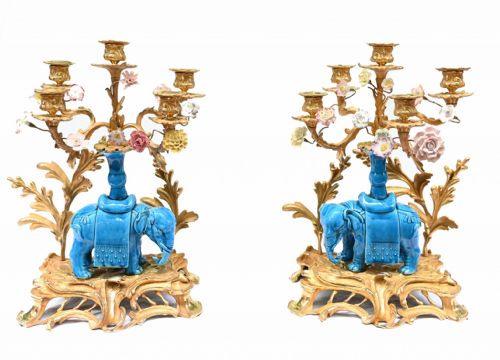
Makers utilised cast and spun brass, gilt bronze, and silver plating to build sturdy structural columns and bases, frequently pairing metalwork with hand-painted porcelain or coloured glass reservoirs. Ceramic elements often incorporate intricate pate-sur-pate decoration or glazed finishes in blue and celadon.
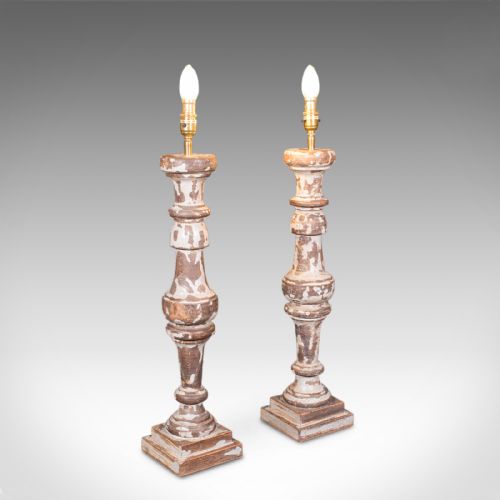
Assembly methods involved threaded metal components, weighted cast iron or glass bases for stability, and fitted collars designed to hold burners or shade rings securely. Skilled artisans combined turned wood, marble plinths, and hand-blown glass components to achieve balanced proportions.
What Varies in Quality
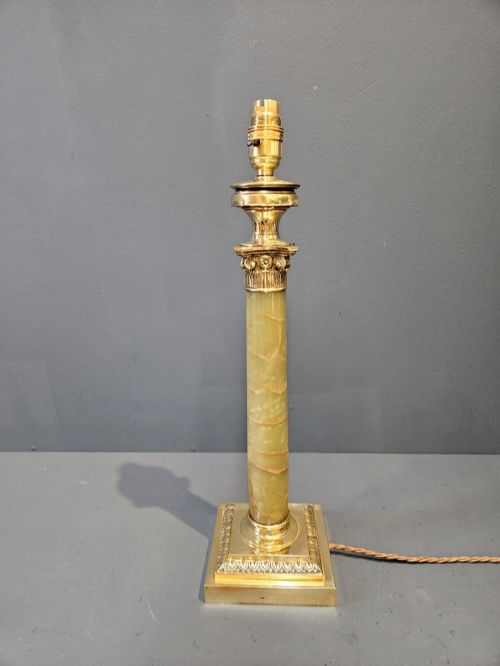
Quality rests upon the crispness of the metal casting, the weight and stability of the base materials, and the artistic merit of any ceramic or glass components. Finer examples display sharp detailing on Corinthian capitals or figural mounts, whereas simpler pieces rely on standard commercial castings.
The integrity of the original components and the harmony between the reservoir, column, and base dictate the standing of an individual piece. Superior items maintain matching pairs with intact gilding, uncompromised glass, and substantial gauge metalwork.
WMF·Frederick J Smith and Co·Richard Hodd and Son·Sitzendorf
The Late Victorian Table Light Glossary
- Corinthian Column
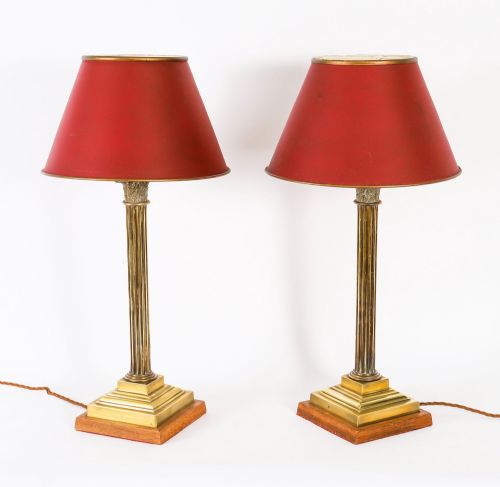
- A classical column design featuring an ornate capital decorated with acanthus leaves. This architectural form proved exceptionally popular for nineteenth-century metal table lamps.
- Ewer
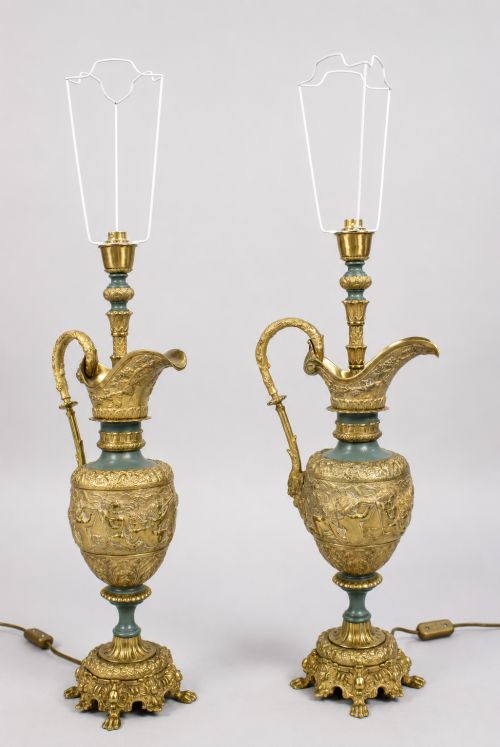
- A large jug with a wide spout and arched handle, historically used for water but frequently adapted as a decorative lamp body in the nineteenth century. These sculptural forms often sit on weighted metal bases.
- Pate-sur-Pate
- A ceramic decoration technique where liquid clay is painted in successive layers onto a contrasting body to create a low-relief cameo effect. French workshops frequently applied this method to fine porcelain lamp bases.
- Ormolu
- Gilded bronze produced by applying a mercury and gold amalgam to a bronze base, resulting in a rich golden surface finish. French manufacturers utilised this technique on decorative mounts and bases.
Late Victorian Table Light: Frequently Asked Questions
What is a late victorian table light?
A late victorian table light is an illuminating fixture or adapted candlestick produced during the final decades of the nineteenth century. These objects include brass columns, ceramic oil lamps, and early electrical conversions.
They reflect the domestic lighting technology of the era, combining functional metalwork with decorative glass, porcelain, and bronze elements suited for parlours and studies.
How were these lights used originally?
Originally, many of these pieces functioned as oil lamps burning paraffin or were used simply to hold wax candles for room illumination. They stood on desks, side tables, and mantelpieces to provide targeted task light.
Over time, a significant proportion of these fixtures underwent conversion to electricity, allowing modern homes to retain the period aesthetic while using contemporary wiring.
How do I live with a period table light?
Living with a nineteenth-century table light involves placing the piece on a stable surface where its weight and proportions complement surrounding furniture. Pairing the base with an appropriate fabric or glass shade balances the composition.
Maintenance requires gentle dusting of metal and ceramic surfaces, alongside occasional checks of the electrical cord and plug if the lamp is wired for daily use.
How do I tell periods apart?
Distinguishing periods relies on observing stylistic markers, manufacturing techniques, and material choices characteristic of specific decades. Late nineteenth-century pieces often mix classical revival forms like Corinthian columns with emerging art nouveau curves.
Examining construction details, maker marks, and patent stamps helps narrow down the production window between the late Victorian era and the early twentieth century.