


Late Victorian Silver Server
These late victorian silver server pieces are functional table implements and service sets designed for entertaining, prized for their traditional craftsmanship and period character.
Late Victorian Silver Server
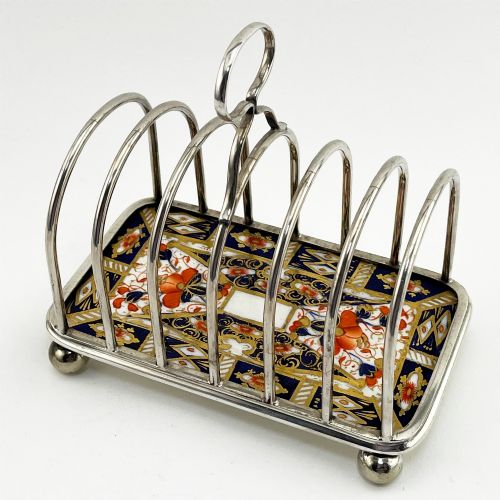
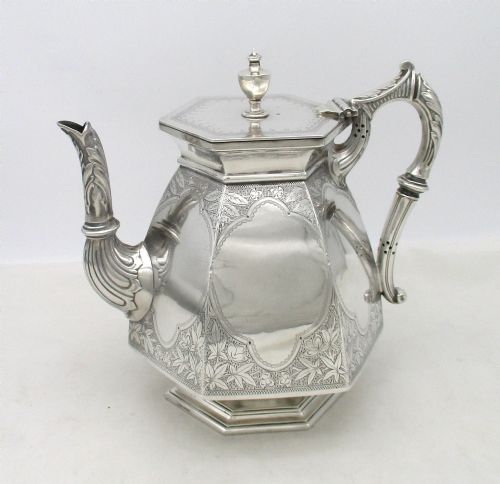
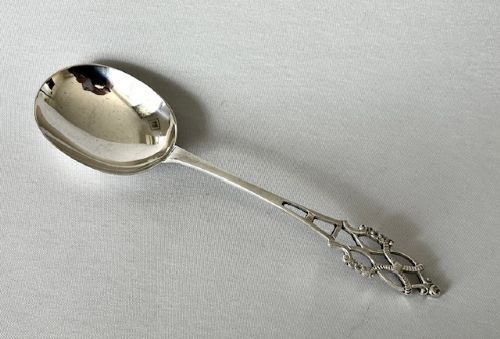
A late victorian silver server encompasses various serving utensils, cutlery sets, and holloware designed for formal dining and dessert courses. Buyers searching for a late victorian silver server typically encounter silver-plated or sterling silver pieces dating from the final decades of the nineteenth century.
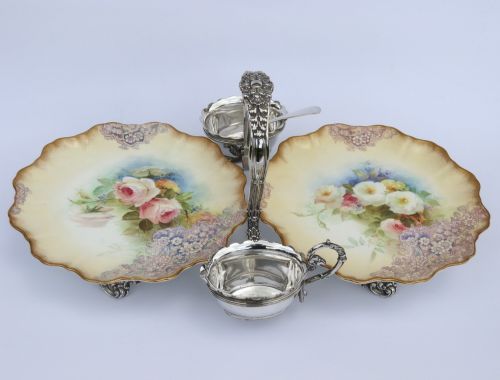
The selections span specialised items such as fish servers, fruit sets, strawberry dessert sets, sauce boats, and salad bowls. Many examples incorporate diverse materials including horn handles, porcelain plates, and velvet linings alongside metal components.
Originating largely from the Victorian period, these items reflect the elaborate dining customs of the era. The form varies from single serving spoons to cased sets intended for specific culinary tasks.
How they were made
Makers utilised sterling silver and electroplated nickel silver over base metals, shaping bowls and blades through stamping, casting, and hand-beating. Engraving is common, with scrolling foliage, hunting scenes, and dolphin motifs incised directly into the metal surface.
Handles frequently incorporate organic materials such as horn and ivory, secured to metal shafts with pins or ferrules. Specialised items integrate ceramics, including hand-painted porcelain plates and stoneware bowls produced by prominent potteries.
Several fish servers come engraved with startled-looking dolphins swimming amidst foliate scrolls, as though navigating an ocean of gravy.
What varies in quality
Quality rests upon the weight of the silver or the thickness of the silver plating over the base metal, alongside the crispness of the chased or engraved decoration. Pieces with hand-engraved detailing and robust structural integrity represent the higher tier of production.
The inclusion of original fitted boxes, matched canteens, or complementary components like grape shears and ceramic inserts elevates an object. Finer examples also demonstrate superior assembly where organic handles join seamlessly to metal blades.
Walker and Hall·Horace Woodward and Co Ltd·Charles Boyton·Frank Butler·Doulton Burslem
The Late Victorian Silver Server Glossary
- Silver Plate
- A thin layer of silver bonded to a base metal, typically nickel silver or copper. This technique allowed makers to produce durable tableware at a lower cost than solid sterling silver.
- Electroplated Nickel Silver
- A copper, nickel, and zinc alloy coated with a layer of pure silver using an electrical current. It serves as the durable foundation for many nineteenth-century serving utensils.
- Sterling Silver
- An alloy consisting of ninety-two point five percent silver and seven point five percent other metals, usually copper. This standard composition provides the strength required for functional cutlery and holloware.
- Salver
- A flat metal plate or tray used for presenting food, drinks, or visiting cards. In nineteenth-century dining, these were often fashioned from solid silver with decorative raised borders.
- Sugar Caster
- A perforated vessel used for sprinkling sugar over desserts or fruit. Victorian examples often take decorative forms, such as cornucopias, mounted on a footed base.
Late Victorian Silver Server: Frequently Asked Questions
How do I clean antique silver servers?
Clean sterling silver and silver plate gently using a specialised micro-abrasive silver polish and a soft cloth to remove tarnish without wearing away thin plating. Avoid submerging items that feature organic handles like horn or ivory in water.
Store the pieces in dry conditions, ideally within anti-tarnish flannel rolls or fitted wooden canteens, to minimise exposure to sulfur in the air and reduce the need for frequent polishing.
Can I use these for modern dining?
Many of these servers remain entirely functional for serving fish, desserts, salads, and sauces during contemporary meals. Their sturdy construction permits regular use if handled with appropriate care.
Hand washing is essential for preserving older materials, particularly where silver plate meets organic handles or ceramic inserts. Dishwashers subject these antiques to excessive heat and harsh detergents.
How do I date a Victorian server?
Dating relies heavily upon the stamped hallmarks found on sterling silver items, which record the assay office, the specific year of testing, and the maker's mark. Silver-plated pieces lack official date hallmarks but can often be dated through style, maker records, or registry marks.
Stylistic indicators such as Aesthetic Movement asymmetry, Gothic Revival geometry, or Rococo Revival scrolling also provide a reliable timeframe when combined with construction methods and materials.