


Equestrian Table Silver
Equestrian table silver brings the spirit of the hunt and the stable directly to the dining room, offering clever conversation pieces crafted in precious metals.
Equestrian Table Silver
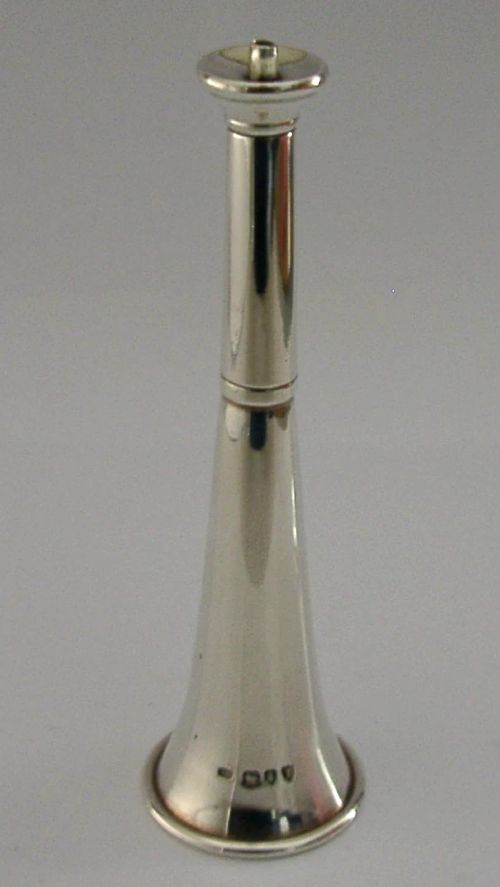
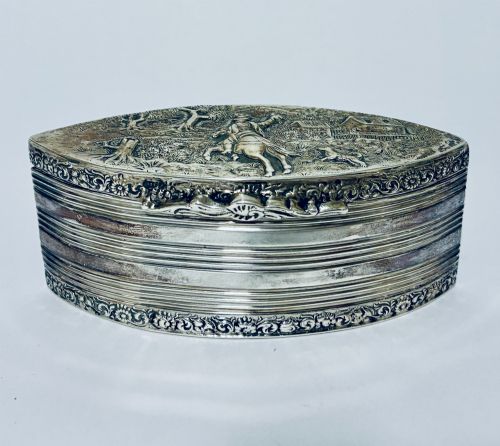
Equestrian table silver encompasses a distinct group of dining and desk accessories modelled on horses, riding gear, and hunt paraphernalia. When searching for equestrian table silver, buyers encounter items ranging from Victorian novelty toast racks and snuff boxes to twentieth-century menu holders, napkin rings, and table lighters.
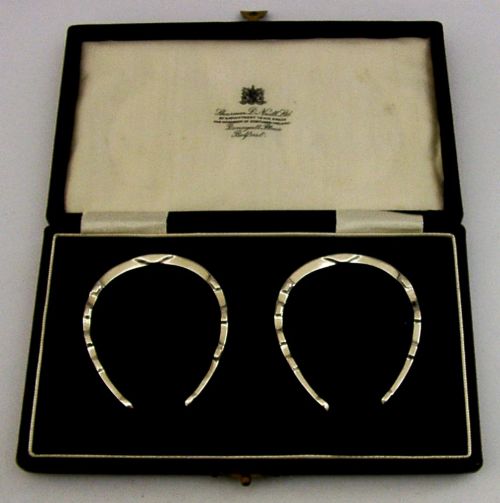
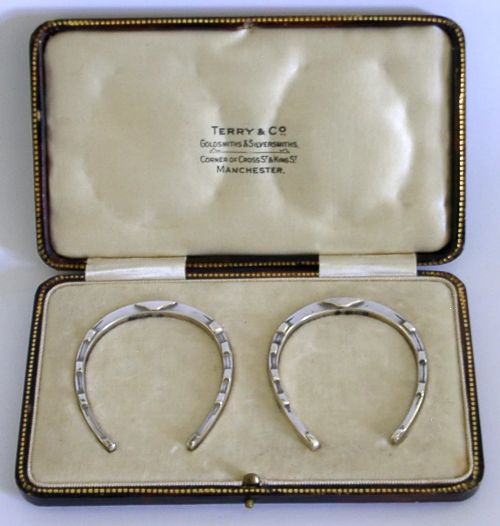
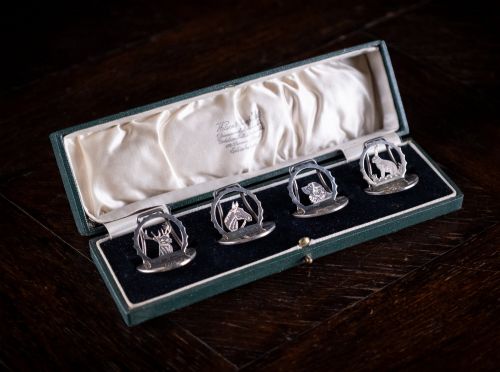
The objects serve both decorative and functional purposes at the table. Common forms include napkin rings shaped like horseshoes or stirrups, place card holders modelled as horse heads, and complex smoking compendiums or cruet sets tied to hunting themes.
Materials and construction
Makers utilised sterling silver and electroplated nickel silver to shape these dimensional forms, often employing casting and detailed chasing to render realistic textures like horsehair, leather straps, and metal links. Gilt bronze and silver plating appear on larger decorative objects such as clocks depicting historical riders on chargers.
Many smaller items, particularly sets of napkin rings and place card holders, were produced in matched groups and housed in custom cases. Interior linings of velvet, satin, or silk protected the polished metal surfaces during storage and presentation.
Dining guests historically had to admire menus held aloft by tiny silver animals.
Judging quality in equestrian silver
Quality rests heavily on the crispness of the modelling and the realism of the anatomical details. Superior pieces capture the authentic curve of a horseshoe, the precise twist of a stirrup, or the natural expression of an animal head without looking stiff or crude.
The reputation of the maker and the clarity of the hallmarking significantly influence value. Pieces bearing the marks of known silversmiths or luxury houses demonstrate superior weight, balanced proportions, and careful finishing compared to unmarked or purely utilitarian wares.
Braham·A. Wilcox·Hermes, Paris·WMF
The Equestrian Table Silver Glossary
- Sterling silver
- A silver alloy containing 92.5 percent pure silver by mass and 7.5 percent other metals, usually copper. This standard composition provides the durability required for functional table items while maintaining a bright lustre.
- Electroplated nickel silver
- A base metal alloy of copper, nickel, and zinc coated with a thin layer of pure silver through electroplating. This technique offered an affordable alternative to solid silver for larger novelty tableware.
- Toast rack
- A small tabletop framework fitted with vertical dividers designed to hold slices of toast upright and prevent them from becoming soggy. Equestrian examples often incorporate hunting horns or stirrups into the frame.
- Menu holder
- A small desk or table accessory designed to display a card detailing the courses of a meal. In this category, the weighted bases take the form of animals or riding equipment.
Equestrian Table Silver: Frequently Asked Questions
What is equestrian table silver?
Equestrian table silver refers to dining accessories and decorative items shaped like horses, riding gear, and hunting motifs. These pieces include napkin rings, menu holders, toast racks, and table lighters.
They were produced primarily from the Victorian era through the mid-twentieth century by silversmiths catering to enthusiasts of field sports and horses.
How were these silver items used?
Most of these objects served practical functions during formal meals and gatherings. Napkin rings marked places at the table, while menu holders informed guests of the upcoming courses.
Larger items like table lighters and smoking compendiums were utilised in the dining room or smoking room after a meal concluded.
How can I date my equestrian silver?
Dating relies primarily on hallmarks stamped into the metal, which indicate the assay office, the maker, and the exact year of production. Stylistic clues also help, such as the streamlined geometry of mid-century pieces compared to ornate Victorian designs.
Original fitted cases lined with materials like velvet or silk can also provide clues to the manufacturing period.
How do I care for silver table items?
Care involves gentle cleaning with a specialised silver cloth to remove tarnish without abrading the fine details. Storing items in dry conditions helps prevent rapid re-tarnishing.
Pieces with fitted cases benefit from being stored inside them when not in use to protect the delicate metal surfaces and plated finishes.