



Late Victorian Rococo Mirror
These late victorian rococo mirror pieces bring swirling asymmetrical frames and brilliant glass into a room, offering both practical reflection and undeniable decorative presence.
Late Victorian Rococo Mirror
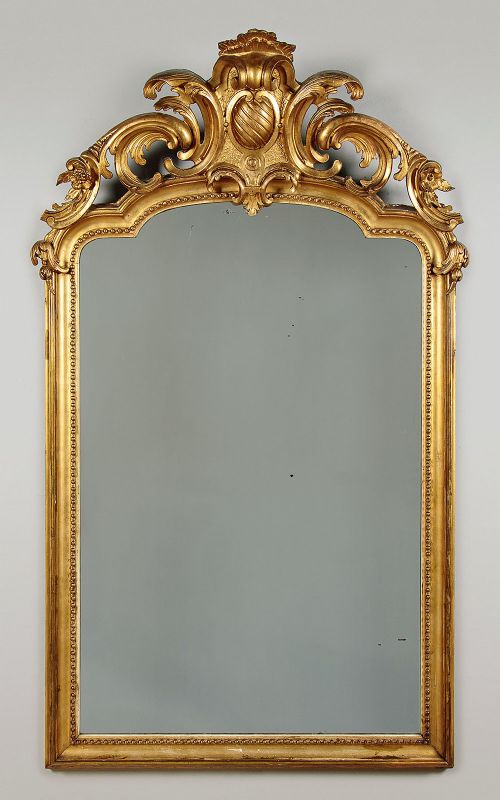
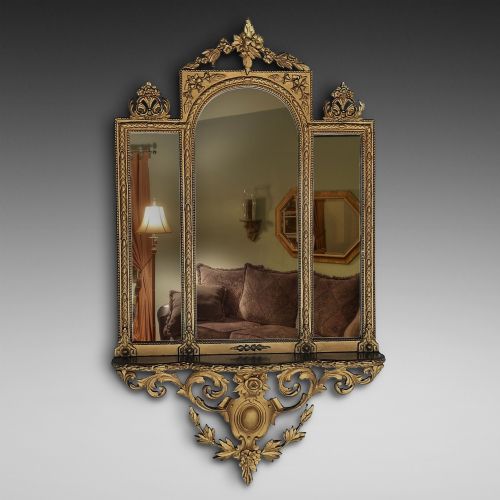
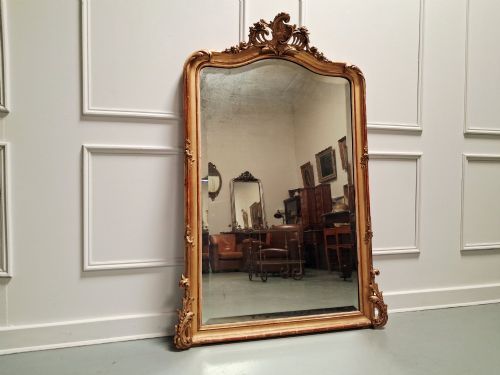
A late victorian rococo mirror brings the flamboyant curves of the eighteenth-century French taste into the later nineteenth century, capturing the revival spirit through spirited organic forms. Buyers seeking a late victorian rococo mirror encounter wall hung plates, grand overmantels, and smaller vanity or table pieces designed for intimate placement.
The objects span the decades from eighteen seventy to the close of the century, frequently aligning with the Victorian and Belle Époque periods. Makers of the time drew heavily on French design, producing pieces with shell motifs, pierced scrolling foliage, and asymmetrical cartouches intended to catch the candlelight or daylight of a Victorian interior.
How they were made
Carved giltwood and gesso form the backbone of the larger wall and overmantel frames, building up thick relief ornament that could be gilded with gold leaf or painted. Composition material is often pressed into moulds to shape the intricate repetitive scrolls and floral flourishes characteristic of the revival style.
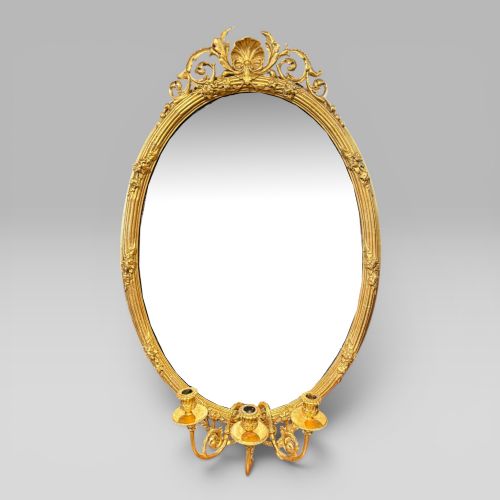
Cast brass and gilt metal provide a sturdy structure for smaller table mirrors, easel backs, and wall sconces, sometimes paired with bevelled mirror glass. Silver mounting appears on specific pieces, whilst carved oak serves as the structural medium for heavier vanity mirrors.
Late Victorian Rococo Mirror Retail Price Guide 2026
Typical asking prices for late victorian rococo mirror among the pieces listed under this phrase on Sellingantiques today, from the lower quarter to the upper quarter. They describe what is for sale here now, not the wider market.
Object forms range from grand overmantels and pier mirrors down to small brass table mirrors and mirrored wall sconces.
What varies in quality
The crispness of the carving and modelling dictates the visual success of the piece, separating hand finished wooden enrichment from softer, heavily moulded composition ornament. Sharp undercut foliage and clean symmetry in the framing demonstrate superior workshop practice.
The quality of the mirror plate itself and the depth of the gilding set the standard across the range, with thick gold leaf holding a warmer tone than flat metallic paint. Heavier brass castings and robust timber carcases ensure structural integrity over centuries of hanging.
The Late Victorian Rococo Mirror Glossary
- Giltwood
- Wood that has been coated with a thin layer of gold leaf. This finish provides a warm, reflective surface that does not tarnish easily.
- Gesso
- A plaster mixture applied to wood frames as a base for gilding. It allows craftsmen to carve intricate relief details before applying gold leaf.
- Girandole
- A wall mirror featuring attached candle sconces. The candle flames reflect in the glass to multiply the light in a room.
- Overmantel
- A large mirror designed to hang directly above a fireplace mantelpiece. These pieces often anchor the decorative scheme of a Victorian reception room.
- Pier mirror
- A tall, narrow mirror designed to hang on the wall space between two windows. It makes efficient use of ambient light in dim Victorian interiors.
- Bevelled glass
- Mirror glass with edges cut and polished at an angle. This technique creates a prismatic border that catches and refracts light.
Late Victorian Rococo Mirror: Frequently Asked Questions
Where should I hang an overmantel mirror?
These large mirrors belong directly above a fireplace mantelpiece, where they naturally anchor the room and reflect the opposite side of the space. They work best when scaled to match the width of the fireplace surround below.
Ensure the wall fixings are secured into solid masonry or stud work, as giltwood and gesso frames carry substantial weight.
What is a girandole mirror?
A girandole is a wall mirror fitted with one or more candle arms attached to the frame. The polished glass and gilded surround were designed to multiply the flickering candle light of nineteenth-century rooms.
These pieces function as both lighting fixtures and decorative wall art, making them particularly striking in hallways or dining spaces.
How do I date a late nineteenth century mirror?
Look closely at the materials, construction methods, and hardware on the reverse of the frame. The presence of bevelled glass, machine-cast brass, and specific registration marks often points towards the later decades of the nineteenth century.
Stylistic cues such as Belle Époque influence or heavy gesso composition work also help narrow the production window.