
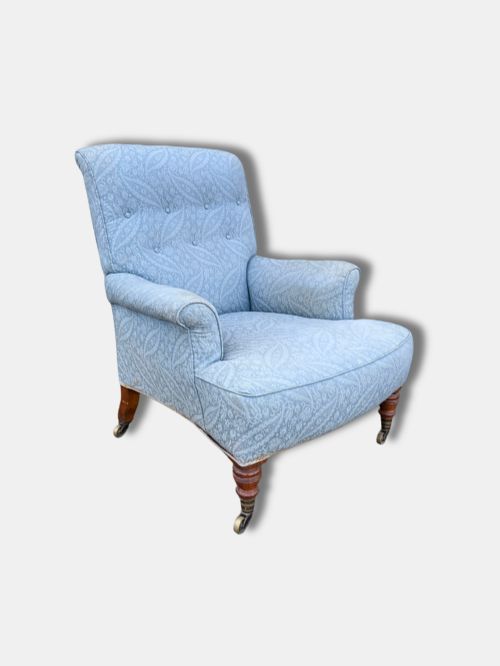
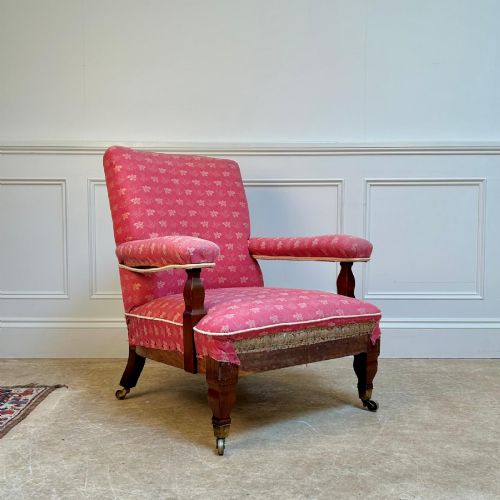
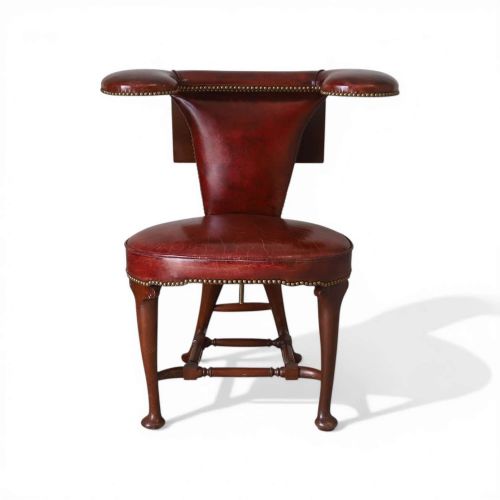
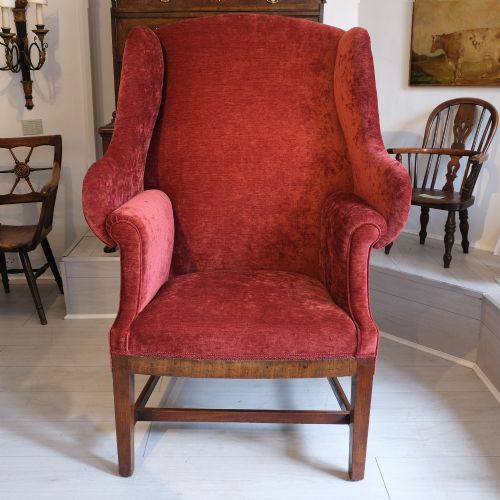


Late Victorian Reading Chair
A late victorian reading chair offers solid comfort and period character, bringing traditional seating into daily use.
Late Victorian Reading Chair
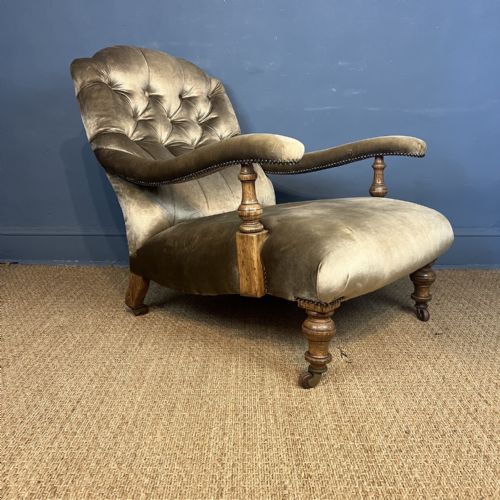
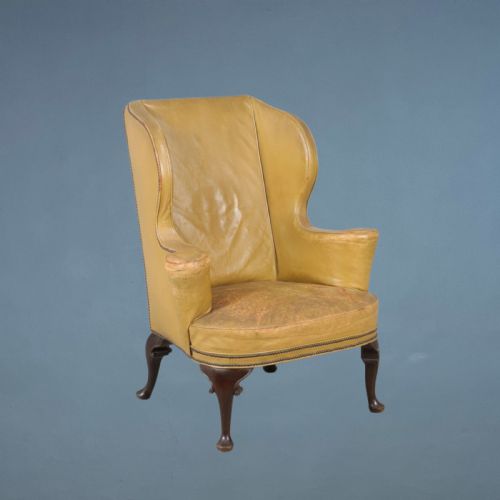
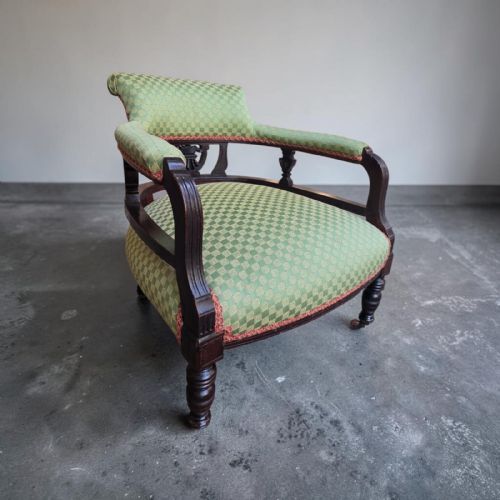
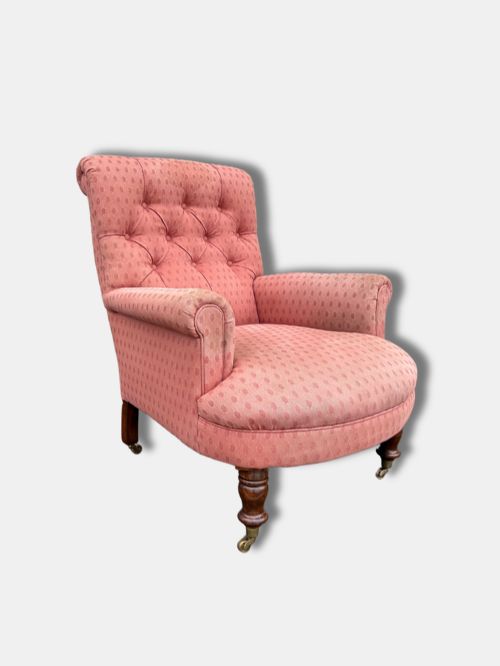
A late victorian reading chair is a sturdy piece of seating designed for comfort during long hours with a book or newspaper. These pieces range from open armchairs to substantial wingbacks and library seats created across the late nineteenth and early twentieth centuries.
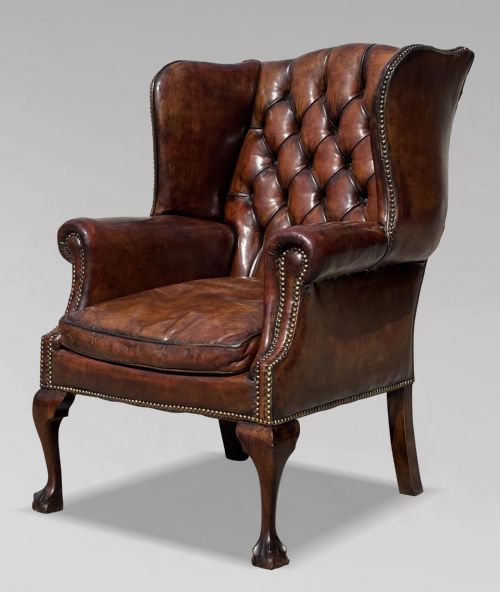
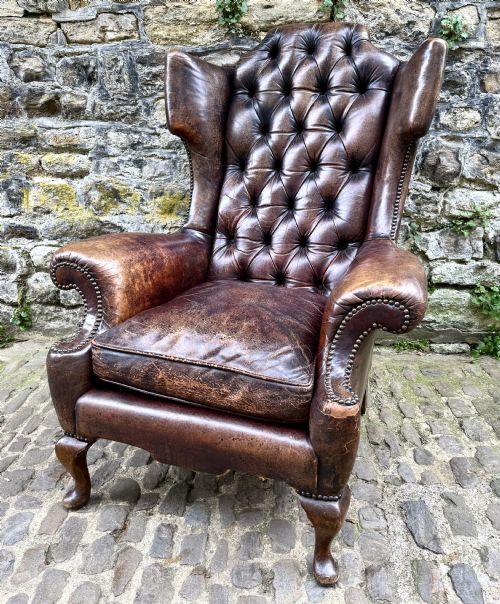
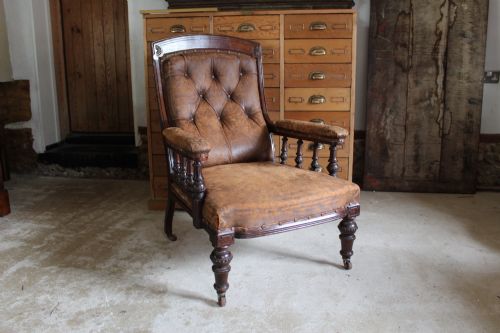
The versions most commonly met on this page include walnut and mahogany frames, often featuring button-backed upholstery and leather coverings. Many examples draw on earlier revivals such as Queen Anne, Sheraton, and George III styles.
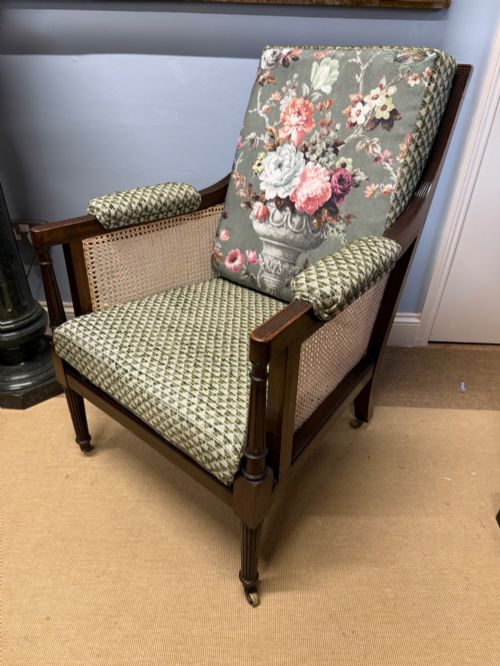
Makers and designers working in this period produced distinctive seating that combined traditional craftsmanship with domestic utility. Pieces often include specialised forms such as bergere chairs with cane panels and low stools.
How they were made
Makers utilised dense hardwoods such as mahogany, walnut, and oak to build robust frames that support deep upholstery. Brass details, inlaid timber work, and carved elements appear across various designs to add surface detail.
Upholstery techniques involve durable fabric, linen, velvet, and leather pulled tight over buttoned backs or sprung seats. Timber frames receive traditional joinery, while surfaces display polished or inlaid finishes.
Some chairs hid an entire library session in their deep pockets, while others simply waited for a weary reader.
What varies in quality
Quality in a late victorian reading chair depends on the integrity of the timber frame and the precision of the joinery. Heavier hardwoods and tighter joint construction separate standard utilitarian seating from finer workshop productions.
The standard of upholstery and the preservation of original leather or fabric influence the overall character of the piece. Refined carving, subtle inlay work, and balanced proportions distinguish elevated examples from simpler regional output.
Howard and Sons·Morris and Co·James Shoolbred
The Late Victorian Reading Chair Glossary
- Bergere
- An upholstered armchair with enclosed cane panels on the sides and back. This French-inspired form became popular in late nineteenth-century British seating.
- Wingback
- An armchair with side panels or wings attached to the back, designed to shield the sitter from draughts. These deep-seated chairs are frequently upholstered in leather.
- Button back
- An upholstery style where depressions are created in the padding by pulling buttons tight into the material. It provides a firm, structured surface.
- Inlaid
- A decorative technique where contrasting pieces of wood or other materials are inserted into recesses in the primary surface. This method appears on library and desk chairs.
- Open armchair
- A seat without upholstered side panels, exposing the wooden arms and supports. These pieces often feature carved mahogany or oak frames.
Late Victorian Reading Chair: Frequently Asked Questions
How do I identify a late victorian reading chair?
Look for dense timber frames in mahogany or walnut combined with characteristic upholstery styles like button backs and leather coverings. Construction details often reflect revival designs popular in the late nineteenth century.
Examine the frame beneath the upholstery where possible and check the timber species. Period pieces frequently utilise traditional joinery methods distinct from later reproductions.
Were these chairs used only for reading?
While designed to support long periods of sitting with books, these armchairs served general domestic purposes in libraries, studies, and drawing rooms. Their sturdy construction made them versatile pieces for everyday household use.
Reading chairs often incorporated wide arms or supportive wing designs suited for relaxed postures and prolonged sitting.
What materials are typical for these chairs?
Frames are constructed predominantly from mahogany, walnut, and oak, occasionally incorporating satinwood or brass fittings. Upholstery materials include leather, velvet, linen, and standard woven fabrics.
Caning also appears on specific forms such as bergere chairs, adding texture and lightness to the wooden frames.
How do I care for leather upholstery?
Maintain leather surfaces by keeping them away from direct heat sources and sunlight to prevent drying and cracking. Regular dusting and appropriate conditioning help preserve the material's suppleness over time.
Avoid harsh chemical cleaners and test any conditioning product on a hidden area before applying it to the entire chair.
Can I use these chairs in a modern interior?
These seating pieces blend easily into contemporary rooms due to their classic timber tones and neutral leather or fabric finishes. Their solid construction makes them practical for daily use alongside modern furniture.
Placing an antique armchair in a modern setting adds textural contrast and historical character to the space.