





Late Victorian Photo Frame
These late victorian photo frame pieces are domestic mantelpiece treasures crafted to showcase cherished family likenesses.
Late Victorian Photo Frame
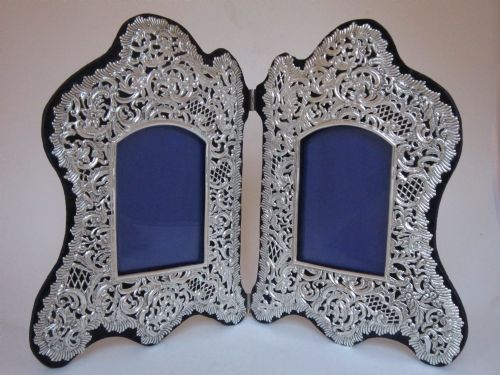
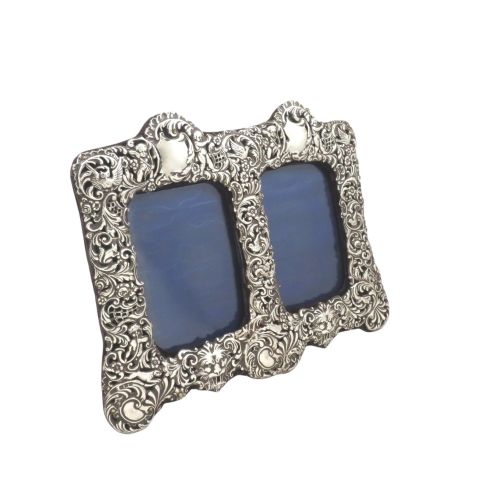
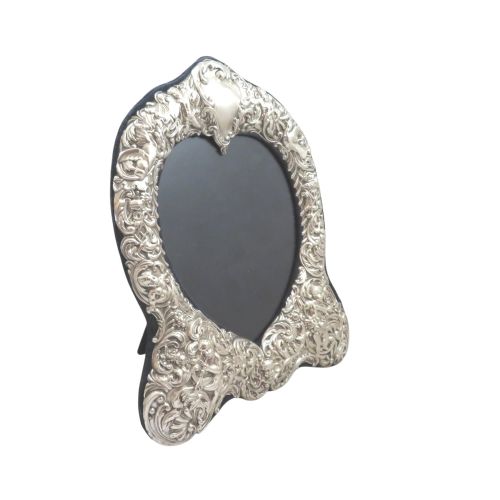
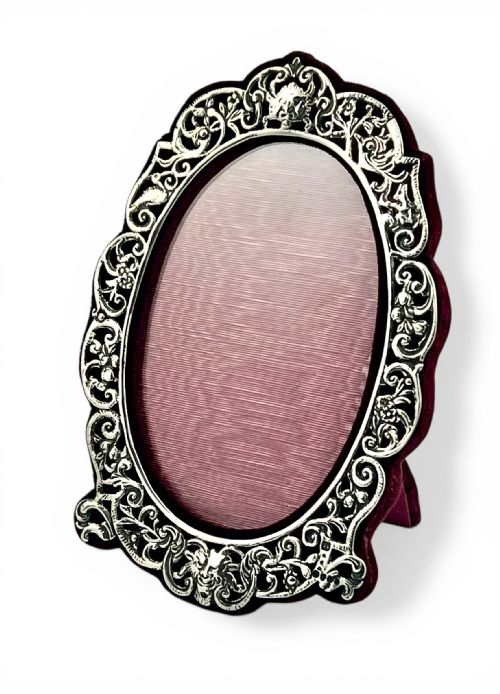
A late victorian photo frame brings nineteenth-century portraiture display directly into the modern interior. These domestic accessories encompass rectangular, circular, heart-shaped, and double configurations designed for tabletop or wall placement. Buyers encounter sterling silver examples alongside French ormolu and gilt wood variants from the period.
Most items appearing in this category date from the closing decades of the nineteenth century through to the turn of the century. Makers produced these pieces in standard portrait sizes as well as decorative novelty shapes. The selection ranges from plain rectangular silver borders to elaborate embossed designs featuring cherubs, scrolls, and floral motifs.
Materials and Construction
Sterling silver forms the primary structural material for domestic British examples, shaped through pressing, embossing, and piercing techniques. Makers mounted these metal fronts onto wooden backs covered in fabric or velvet, securing the glass window with small turn-pins.
Continental pieces utilise ormolu mounts combined with glass panels to create architectural frames reflecting French chateau and Louis XVI revival styles. Craftspeople integrated easel stands and hanging rings directly into the backing materials to permit versatile display.
Late Victorian Photo Frame Retail Price Guide 2026
Typical asking prices for late victorian photo frame among the pieces listed under this phrase on Sellingantiques today, from the lower quarter to the upper quarter. They describe what is for sale here now, not the wider market.
Tiny cherub faces peer out from several silver borders, keeping watch over generations of family portraits.
Defining Quality and Craftsmanship
Weight and gauge of the sterling silver distinguish superior examples from lighter production pieces. Heavier metal allows deeper embossing of intricate details such as cherubs, gadroon borders, and floral scrolls without risking distortion.
The integrity of the backing materials and the retention of original glass and velvet linings indicate superior preservation. Master smiths demonstrated precision in the piercing work on fretted frames and the crispness of hallmarks struck into the metal.
Walker & Hall·Syner & Beddoes·William Comyns
The Late Victorian Photo Frame Glossary
- Sterling silver
- A silver alloy containing 92.5 percent pure silver and 7.5 percent other metals, chiefly copper. This standard metal composition dominates British manufacturing in the period.
- Ormolu
- Gilded bronze or brass ornamentation applied to decorative objects. This technique appears frequently on French import pieces.
- Gadroon border
- A decorative carved or embossed edge pattern consisting of convex curves or lobes. Silversmiths employed this motif to frame rectangular apertures.
- Crystoleom
- A method of applying oil or watercolour paint to the reverse of a photograph mounted on glass. These delicate painted images sometimes accompany frame listings.
- Fretted
- Metalwork pierced with openwork patterns to create decorative silhouettes. This method results in intricate lightweight borders.
Late Victorian Photo Frame: Frequently Asked Questions
How do I clean a silver frame?
Use a soft microfibre cloth and specialised silver polish applied very gently to avoid damaging embossed details.
Keep moisture away from the fabric or velvet backing and the vulnerable wooden support structure during cleaning.
Can these frames hold modern photographs?
Standard nineteenth-century dimensions closely match traditional photograph sizes used today. You may need to trim contemporary prints slightly to fit within the glass aperture.
Opening the turn-pins on the wooden back allows safe insertion of your chosen picture.
How are hallmarks useful for dating?
British assay office marks indicate the town of testing, the standard of silver, and a specific date letter corresponding to the year of manufacture. Chester and Birmingham offices feature prominently in this category.
These tiny stamped symbols provide verification of nineteenth-century origin.
Where should I display my frame?
Place these decorative pieces on mantelpieces, desks, or wooden side tables where lighting highlights the metallic relief work. Avoid humid environments like bathrooms to protect the velvet and wood backing.
Secure placement prevents accidental tipping of easel-backed designs.