
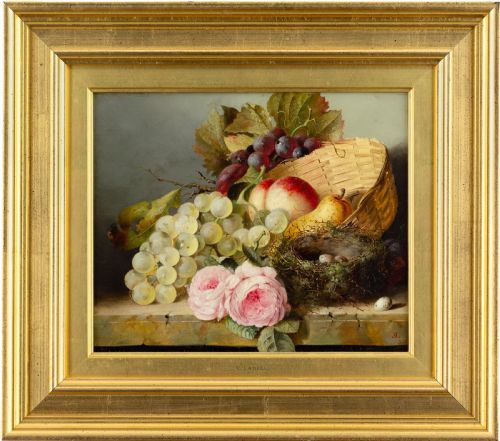
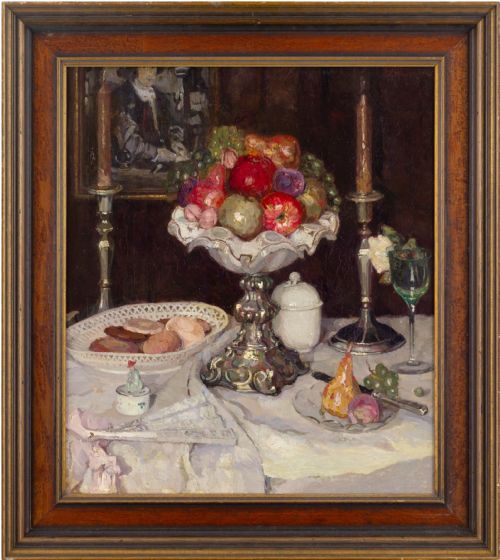
Antique Tabletop Frame
An antique tabletop frame brings portraiture and domestic reflection to desks and dressing surfaces through centuries of silver, wood and gilt.
Antique Tabletop Frame
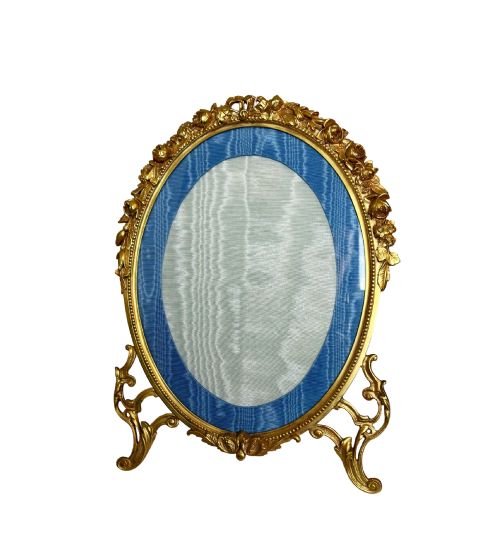
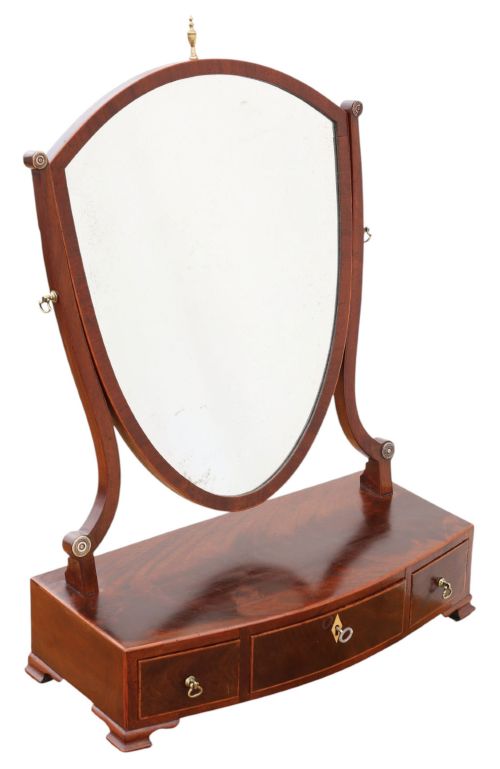
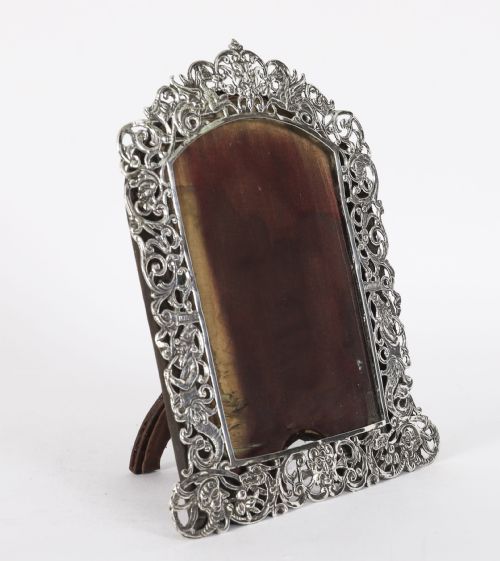
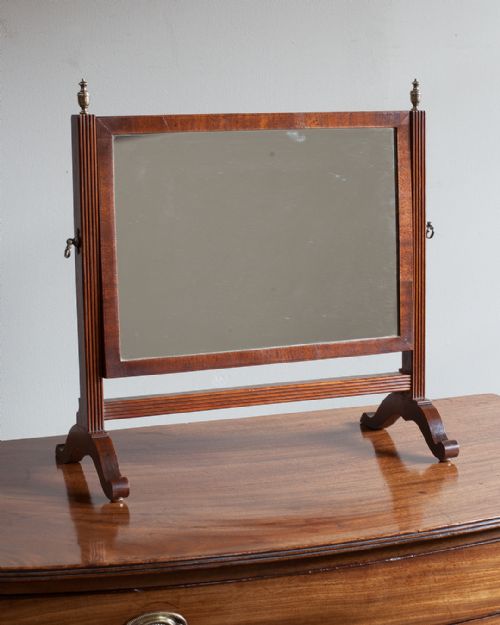
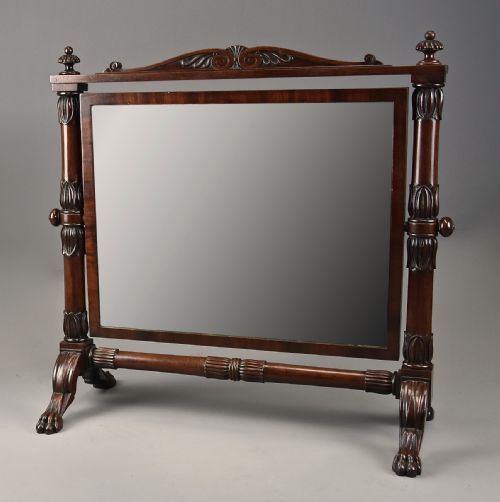
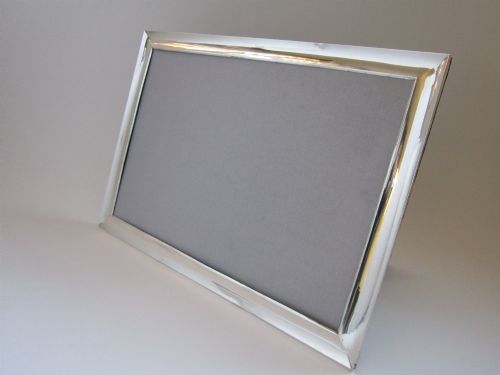
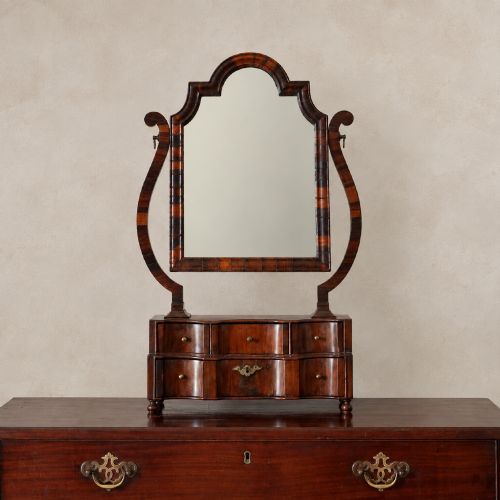
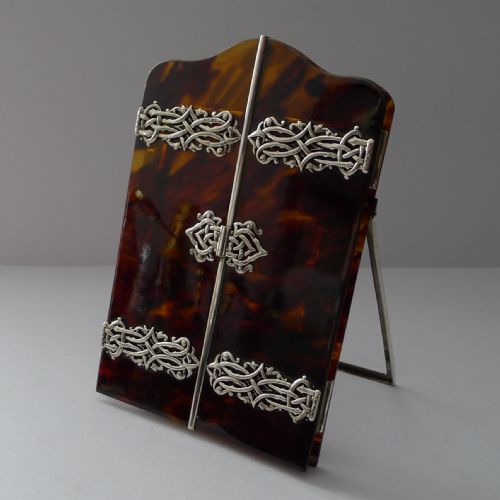
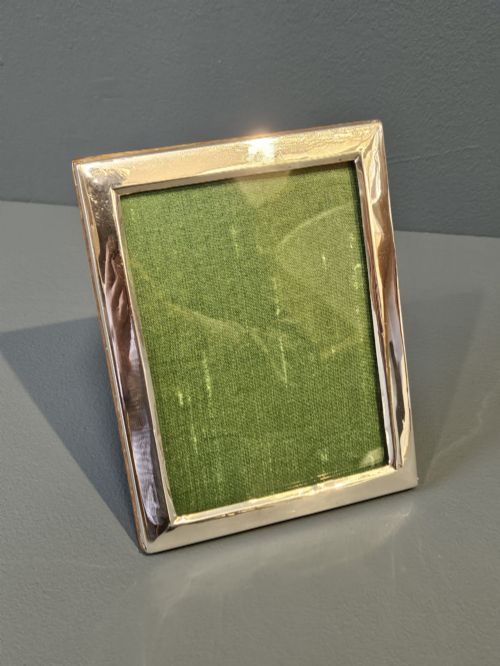
When you search for an antique tabletop frame, you encounter a diverse group of objects designed for desktop and dressing surface display. Picture frames, photo frames and strut mirrors dominate this selection, offering miniature architecture for personal portraits.
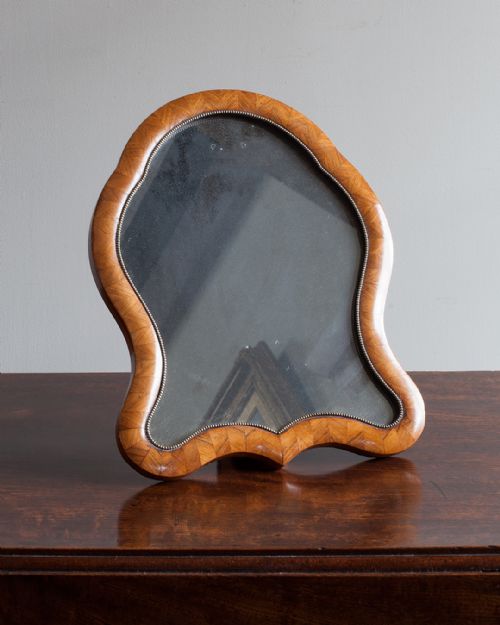
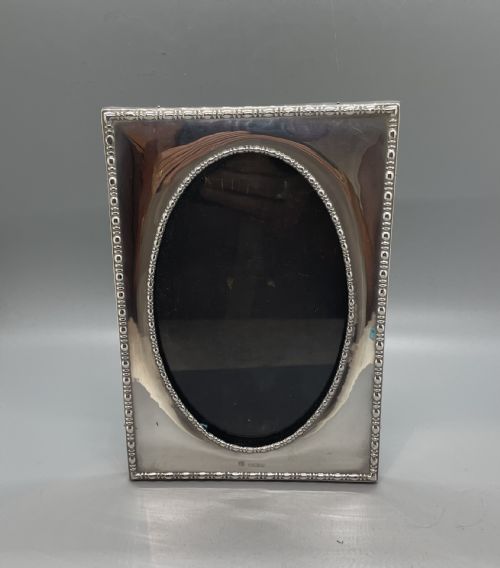
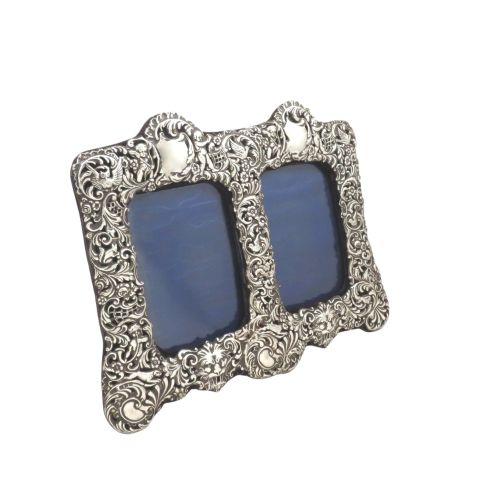
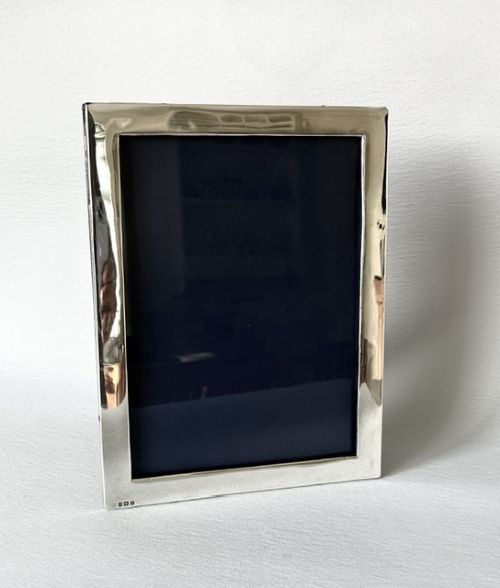
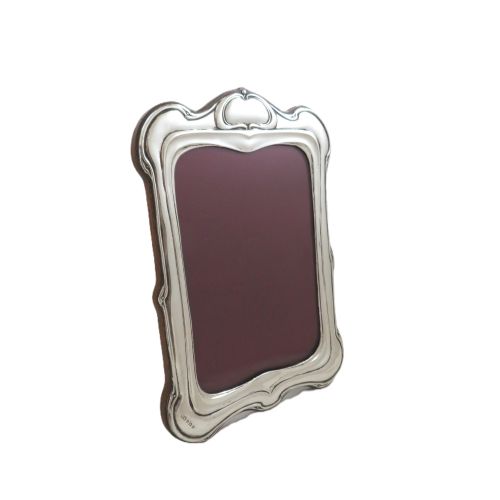
The objects span the nineteenth and twentieth centuries, taking forms from simple rectangular silver mounts to elaborate hinged double frames and shaped ovals. You meet items made for portraits, standing mirrors for toilet tables, and easel-backed pieces meant to tilt toward the viewer.
Materials range widely across these items, combining heavy Sterling silver borders with velvet backs and wooden stands. Metal options include gilt bronze and silver-plated brass, while wooden examples utilise mahogany, kingwood and walnut.
How they were made
Silversmiths constructed sterling silver photograph frames by stamping, piercing and embossing sheet metal over wooden formers, incorporating hallmarks for town, year and maker. These mounts typically rely on integral wooden backs lined with fabric, wool or velvet, secured by silver swing clips.
Cabinetmakers fashioned wooden dressing table mirrors and table mirrors from solid timbers and veneers, applying turnings, scroll supports and drawer boxes. Gilding techniques on bronze and wood involved applying thin metal leaf or gilt washes over prepared gesso grounds.
Glassmakers and silversmiths integrated bevelled mirror plates and window glass into rebated channels, securing them with pins or retaining strips. Engraving and engine-turning added geometric textures to silver borders, whilst pierced work created openwork designs of animals, birds and floral motifs.
The listings show frames and mirrors spanning the nineteenth and twentieth centuries, incorporating Sterling silver, mahogany, velvet and glass.
What varies in quality
The distinction between ordinary and superior pieces rests on the weight of the metal, the crispness of the chasing and the integrity of the structural joinery. Heavier gauge sterling silver resists denting and holds deep, legible hallmarks, whereas thinner metal distorts easily under handling.
In wooden dressing mirrors, the selection of timber veneers - such as figured mahogany or kingwood - and the precision of the dovetails on small trinket drawers indicate the maker's hand. Original backing materials, intact strut mechanisms and undamaged bevelled mirror plates elevate the preservation status of the piece.
Rosenthal Jacob And Co·Mappin Brothers
The Antique Tabletop Frame Glossary
- Strut mirror
- A small mirror supported by a hinged leg or prop at the back for standing upright on a flat surface.
- Engine-turned
- A decorative pattern of precise geometric lines mechanically engraved into metal surfaces using a rose engine lathe.
- Gilt bronze
- An alloy of copper and zinc finished with a gold-coloured wash or fire-gilt coating.
- Kingwood
- A dense, heavy tropical timber featuring rich brown and violet-black contrasting streaks, used frequently in fine veneer work.
- Hallmark
- An official stamp or series of marks applied to precious metals indicating purity, origin assay office and date.
Antique Tabletop Frame: Frequently Asked Questions
How do I date a silver photo frame?
Dating relies primarily on the stamped hallmarks found on the silver border, which indicate the assay office and the specific year of testing.
Stylistic cues such as Art Nouveau whiplash lines or Edwardian embossed floral borders also help narrow down the decade of manufacture.
What is the difference between a table mirror and a swing mirror?
A table mirror usually stands on an easel prop or fixed base designed for desktop placement.
A swing mirror sits within vertical upright posts on a base, allowing the glass plate to tilt back and forth.
Are the velvet backs on antique frames original?
Many silver frames retain their early fabric or velvet linings, though older textiles frequently show fading, wear or replacement.
Original wooden struts and period fabric backs add considerably to the historical integrity of the piece.
How should I clean tarnished sterling silver frames?
Silver frames require gentle cleaning with a soft cloth and a mild, non-abrasive silver polish formulated for antiques.
Care must be taken to avoid getting cleaning agents onto vulnerable wooden or velvet backing materials.