




Late Victorian Oil Painting
A late victorian oil painting captures the sombre realism and ornate tastes of the nineteenth century through enduring pigments on canvas or wood panel.
What these pieces are
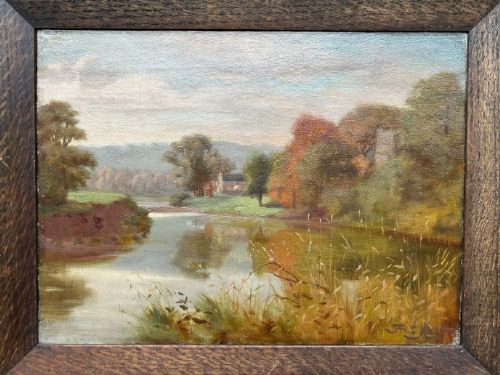
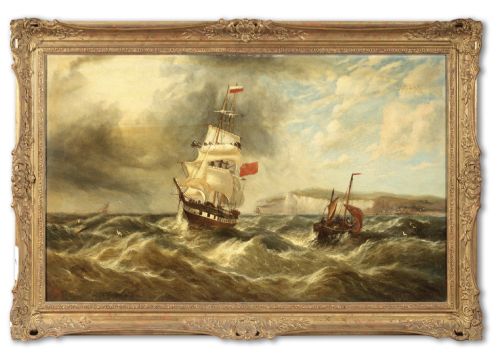
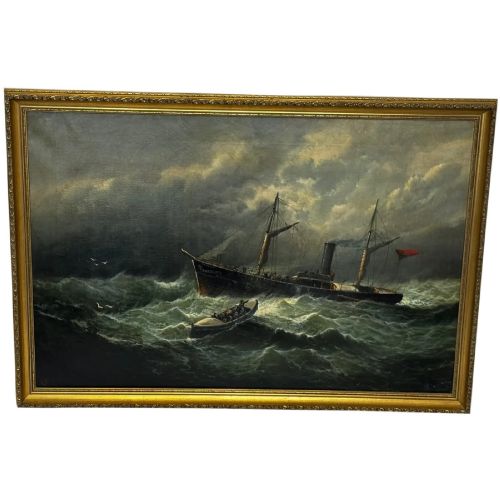
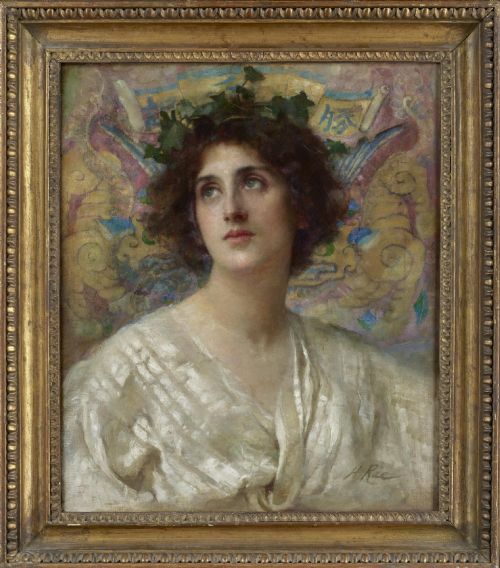
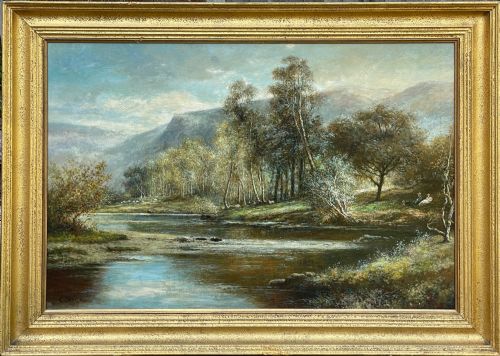
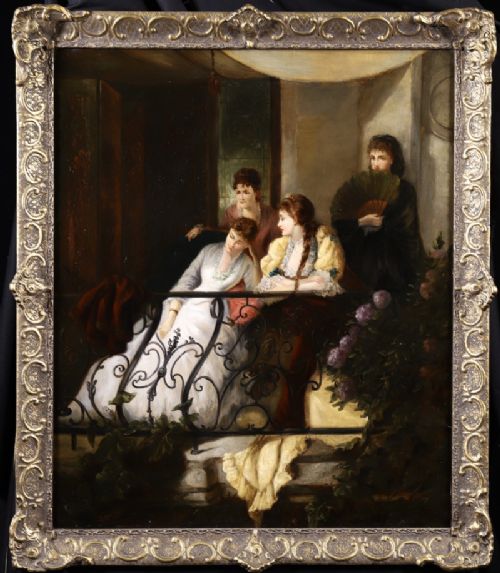
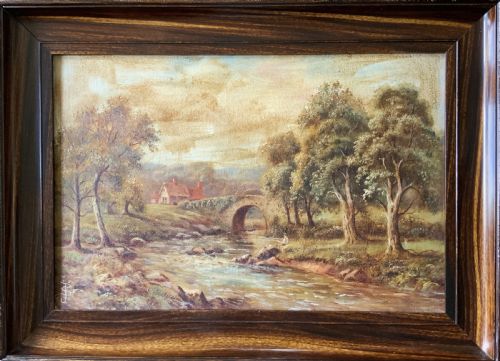
A late victorian oil painting comprises framed works executed during the latter part of the nineteenth century, encompassing both detailed portraiture and atmospheric landscapes. Collectors frequently encounter portraits of stern-faced ladies, gentlemen smoking cigars, or coastal scenes depicting Venice and British shores.
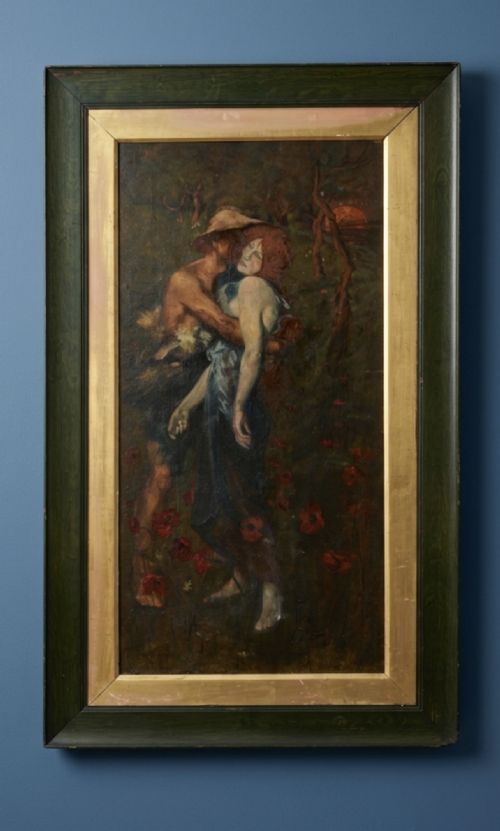
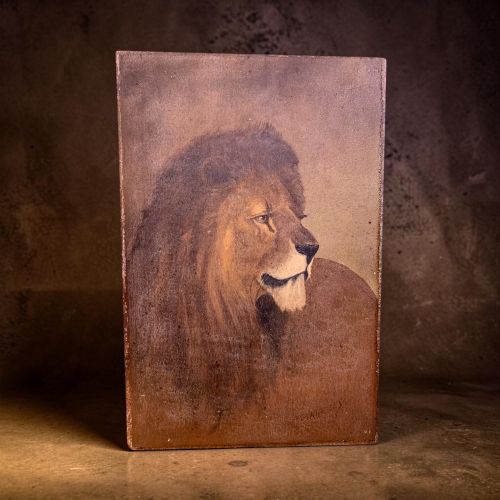
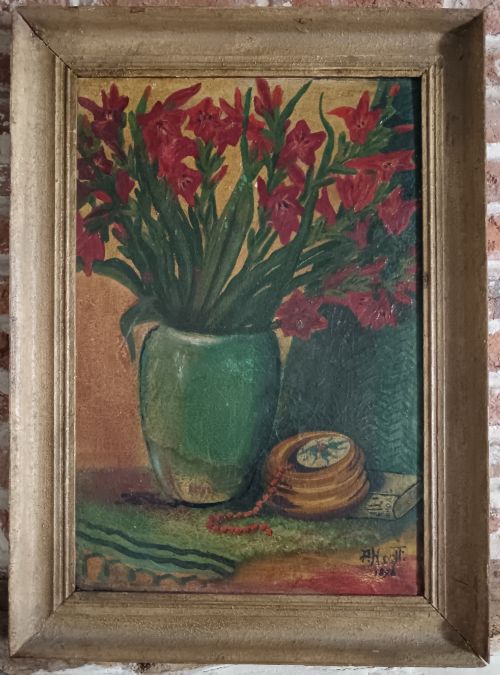
The selections span standard nineteenth-century styles including British Realism and Edwardian or Gilded Age aesthetics. Alongside portraits, the groupings feature still lifes, marine views, highland stags, and imaginative subjects such as fairies in moonlight.
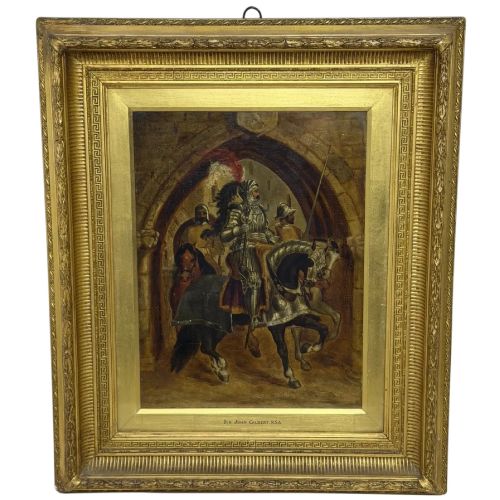
Works originate from diverse hands, ranging from signed pieces by artists like William Greaves, J. Yates, Clarence Roe, Walter Emsley, and Robert Watson to works associated with broader circles such as Sir John Gilbert or John Singer Sargent.
How they were made
These works utilise oil paint applied to prepared surfaces, primarily woven canvas or wood panels. Canvases are frequently secured within traditional wooden frames adorned with gesso and giltwood or gilt wood finishes.
Artists built depth through layered brushwork, rendering fine details such as lace bonnets, silk evening dresses, and textures of still life subjects. Signed pieces often bear contemporaneous dates and monograms reflecting studio practices of the period.
Retail Price Guide 2026
Typical UK retail prices for late victorian oil painting, calculated from the Sellingantiques database of over a million retail prices indexed since 2003. This retail price guide relies exclusively on Sellingantiques data; no external sources or auction records are used, so the figures do not describe the wider market.
Subject matter ranges from formal portraits of ladies and gentlemen to marine views, still lifes, and highland stags.
What varies in quality
Quality rests upon the handling of light, anatomical precision, and the expressive depth captured in portraiture or landscape. Superior examples demonstrate confident brushwork and well-preserved surface integrity across canvas or panel.
The craftsmanship of the original framing, particularly the preservation of moulded gesso and giltwood ornamentation, contributes significantly to the overall standing of an individual piece.
Sir John Gilbert·E Brown·William Joseph Carroll·William Greaves·J Yates·John Singer Sargent·Clarence Roe·G E Boyes·Walter Emsley·S Colman·Robert Watson
The Late Victorian Oil Painting Glossary
- Canvas
- A heavy woven fabric stretched across a wooden frame to serve as a sturdy support for oil paint. It forms the primary ground for the majority of these nineteenth-century works.
- Gesso
- A plaster-like mixture applied to wooden frames before gilding to create a smooth, sculptural surface for ornamentation. This material defines the ornate borders typical of the period.
- Giltwood
- Timber treated with gold leaf or a gold-coloured metallic finish to provide a reflective, decorative frame border. It enhances the visual weight of the paintings.
- Wood Panel
- A rigid flat wooden support utilised by artists instead of canvas for smaller or more detailed compositions. These panels offer a stable foundation for fine portraiture.
- British Realism
- An artistic movement focused on depicting everyday subjects and figures with unvarnished accuracy. This style underpins many of the character studies seen in this category.
Frequently Asked Questions
How do I identify a late victorian oil painting?
Look for characteristic nineteenth-century subjects, traditional canvas or wood panel supports, and period framing materials such as gesso and giltwood. Signatures, monograms, and dates often provide direct attribution to artists active towards the end of the century.
Examining the back of the canvas or panel can reveal historic labels, stamps, or canvas maker marks that help anchor the piece within its historical context.
Where should I hang an oil painting?
Position these works away from direct sunlight and steady heat sources to protect the oil pigments and wooden frames from degradation. Stable indoor environments preserve both the canvas and the delicate giltwood.
Ensure the wall fixings match the substantial weight of the framed canvas, particularly for larger landscape or portrait formats.
How were these paintings originally displayed?
Victorian interiors showcased these works within heavily furnished rooms, often hung closely together on walls decorated with rich wallpapers. The elaborate gilt frames were designed to catch the flickering light of gas lamps and candles.
Such displays emphasised family lineage through portraiture or brought idealised nature indoors via landscapes and marine scenes.
Can I clean an old oil painting?
Surface dust can be gently removed with a very soft, dry brush, taking care to avoid touching the exposed paint surface. Avoid using water or chemical cleaners on the canvas or the delicate gesso frame.
Professional conservators should handle any deeper cleaning or removal of discoloured varnish to prevent damaging the original brushwork.