


Late Victorian Occasional Chair
A late victorian occasional chair is a light, movable seat designed for bedrooms or parlours, combining comfort with ornamental styling.
Late Victorian Occasional Chair
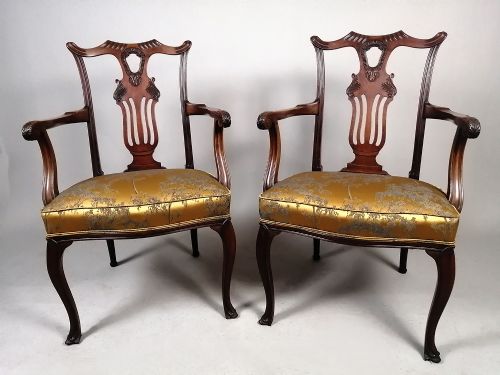
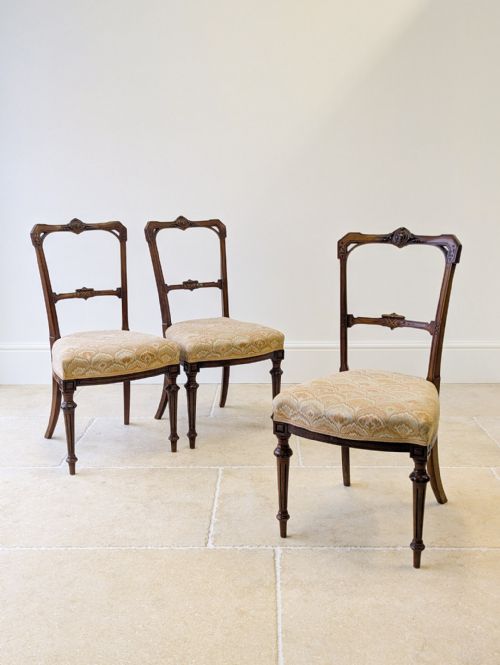
A late victorian occasional chair is a portable seating form designed for nineteenth-century parlours, bedrooms, and drawing rooms, often made in smaller proportions than standard dining furniture. Buyers searching this phrase encounter a diverse array of forms, including bedroom chairs, salon chairs, side chairs, armchairs, and nursing chairs.
The aesthetic range spans several distinct nineteenth-century movements, with pieces appearing in Victorian, Aesthetic Movement, Art Nouveau, and revival styles such as Rococo, Sheraton, and Neoclassical. These items were manufactured during the late nineteenth century, specifically around eighteen ninety, reflecting the eclectic tastes of the period.
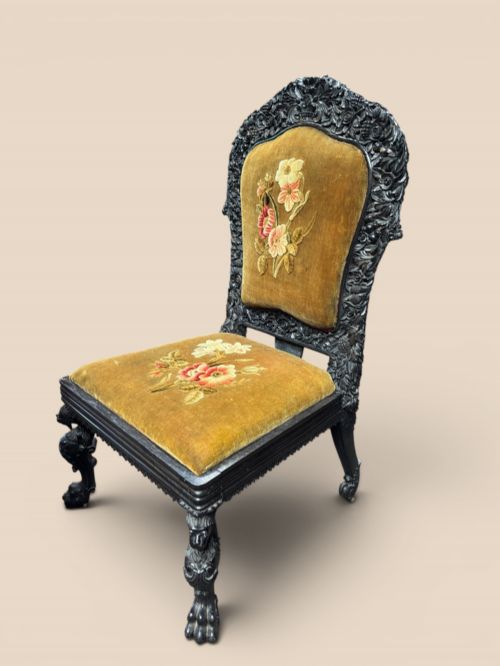
Most examples function as decorative seating rather than primary heavy-use furniture, utilising specific timber frames paired with varied upholstery fabrics. Origin influences are also visible in Anglo-Indian works, adding carved detail to the standard British forms.
How they were made
Makers constructed these frames predominantly using mahogany and walnut, alongside ebonised wood and ebony for specific aesthetic effects. Timber selection directly dictated the structural capacity and the level of intricate carving possible on splats, backs, and legs.
Upholstery techniques combined traditional stuffing with contemporary textiles, employing velvet, tapestry, and various standard upholstery fabrics. Hand-carved details and painted decorations were frequently added to elevate the visual appeal of parlour and bedroom pieces.
Some chairs fold for campaign use, proving Victorians took portable luxury very seriously indeed.
What varies in quality
Quality differences stem from the depth and precision of hand-carving on elements like pierced splats and frame borders. Finer examples display crisp, deliberate detailing by skilled hands rather than mechanical replication.
The choice of primary timber and secondary framing woods alters the overall integrity and weight of the piece. Superior construction maintains stability across delicate forms such as open-arm and balloon-back designs.
Collier and Plucknett
The Late Victorian Occasional Chair Glossary
- Occasional chair
- A movable, decorative seat designed for use in various rooms rather than a permanent dining setting. These pieces prioritise ornamental style and compact proportions.
- Balloon-back chair
- A seating form featuring an oval or rounded backrest resembling a blown balloon. This design gained prominence during the nineteenth century, particularly within Victorian parlours.
- Aesthetic Movement
- A late nineteenth-century design current emphasising visual beauty over narrative or moral content. Pieces from this movement often feature ebonised wood finishes and stylised motifs.
- Pierced splat
- The central vertical strip of a chair back that has been cut through to create an open pattern. This technique lightens the visual weight of mahogany and walnut frames.
- Slipper chair
- A low-seated bedroom chair originally designed to assist ladies with putting on shoes. The reduced height provides distinct ergonomic proportions.
Late Victorian Occasional Chair: Frequently Asked Questions
Where were these chairs used?
These chairs were primarily placed in bedrooms, drawing rooms, and parlours as auxiliary seating rather than primary furniture.
Their lightweight construction allowed servants or residents to move them easily around the home for entertaining or personal use.
How do I identify a late nineteenth-century date?
Dating relies on stylistic markers such as Aesthetic Movement ebonising, Art Nouveau linearity, and specific Victorian revival motifs.
Construction methods and timber choices characteristic of the eighteen nineties also provide reliable chronological indicators.
Can I use these for daily seating?
These decorative chairs were built for light domestic service rather than heavy, constant usage in modern busy spaces.
Placing them in low-traffic areas helps preserve the historic frames and traditional upholstery fabrics.