

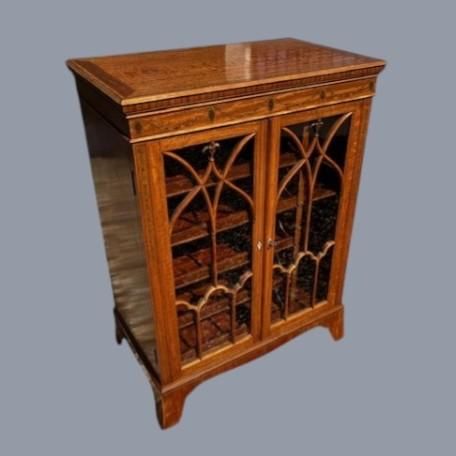
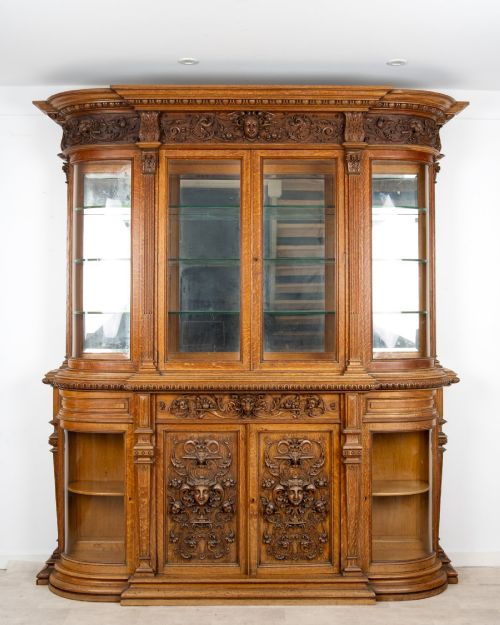
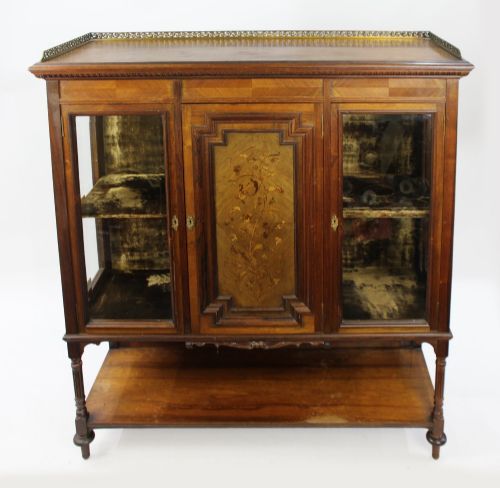
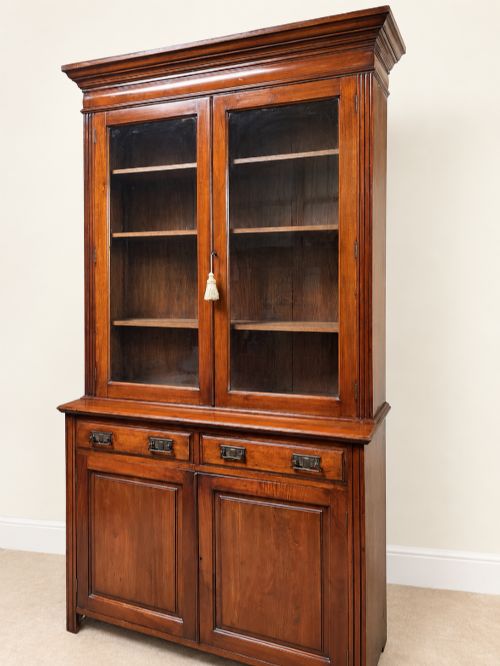



Late Victorian Glazed Cupboard
A late victorian glazed cupboard offers a refined way to display or store treasured possessions using period timber and glass.
Late Victorian Glazed Cupboard
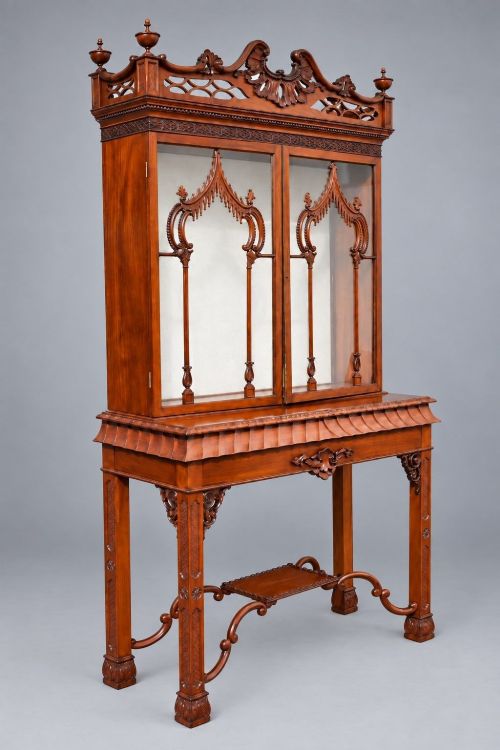
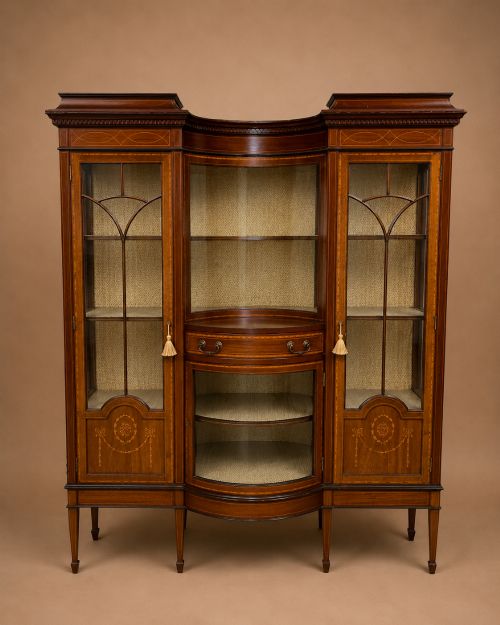
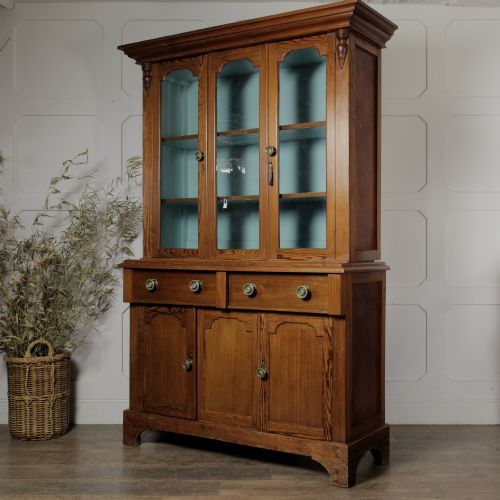
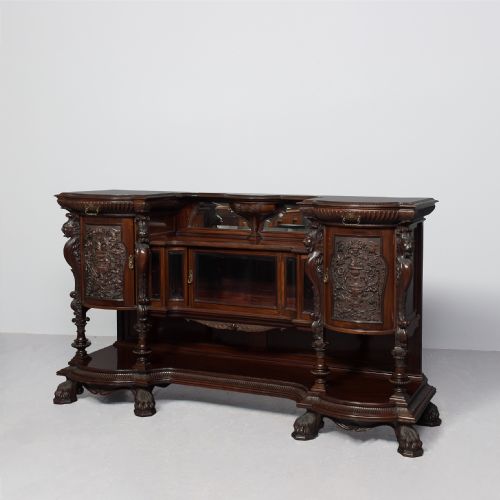
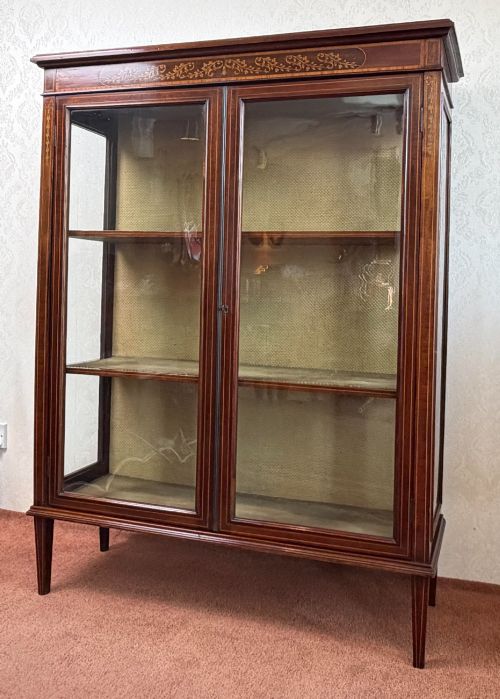
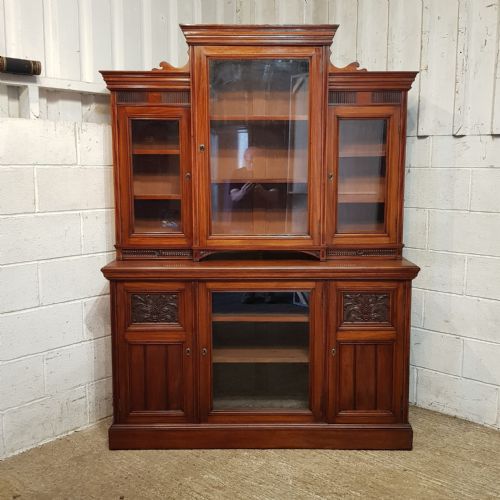
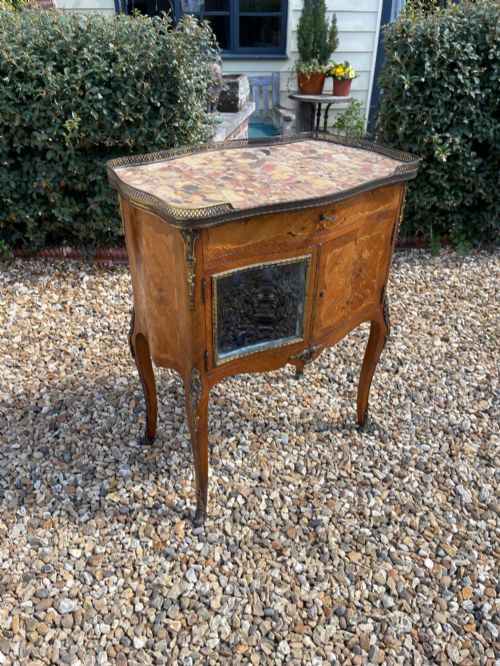
A late victorian glazed cupboard combines timber cabinetry with transparent glass panels to form display cabinets, bookcases, corner units and wall cabinets. These pieces date predominantly from the late nineteenth century, spanning the Victorian era through to Edwardian years.
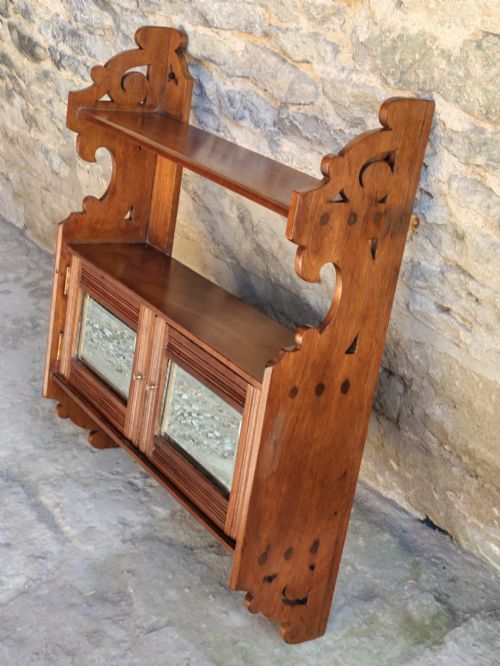
The format ranges from compact hanging wall cupboards and corner cabinets to large breakfront bookcases and display cabinets on stands. Mahogany remains the most frequent wood encountered, accompanied by walnut, oak, satinwood, ash and pitch pine.
How they were made
Cabinet makers utilised dense hardwoods such as mahogany, walnut and oak, often applying decorative satinwood or rosewood inlays alongside intricate carving. Structural integrity relied on traditional joinery techniques suited to supporting heavy glass doors and shelving.
Glass panels were secured within wooden frames, frequently incorporating astragal bars to form geometric patterns, while brass hardware served for hinges, locks and handles. Interiors occasionally integrated mirror-backs or fabric linings to enhance the presentation of stored items.
Late Victorian Glazed Cupboard Retail Price Guide 2026
Typical asking prices for late victorian glazed cupboard among the pieces listed under this phrase on Sellingantiques today, from the lower quarter to the upper quarter. They describe what is for sale here now, not the wider market.
The listings show a strong preference for mahogany across these cabinets, alongside walnut, oak, satinwood, ash and pitch pine.
What varies in quality
The standard of a late victorian glazed cupboard rests on the selection of timber veneers, the precision of inlaid motifs and the complexity of carved detailing. Pieces attributed to documented makers demonstrate superior execution in joinery and proportion compared to standard workshop output.
Refined examples incorporate distinctive stylistic revivals such as Chinese Chippendale or Sheraton Revival, utilising balanced proportions and slender astragal glazing bars. The choice of secondary woods and the sophistication of the hardware further distinguish finer examples from simpler utilitarian cupboards.
Edwards and Roberts
The Late Victorian Glazed Cupboard Glossary
- Astragal
- The narrow wooden moulding strips used to divide glass panes within a door frame. These create structured grid patterns common on display cabinets.
- Breakfront
- A cabinet design where the central section projects forward from the flanking sections. This architectural arrangement adds depth and visual interest to large bookcases.
- Bijouterie cabinet
- A specialised display case with a glazed top and sides designed for presenting small valuables or collections. These often feature velvet or fabric lined interiors.
- Compactum
- A multi-functional wardrobe or storage combination providing specialised compartments within a single footprint. They utilise various timbers like ash and burr walnut.
- Serpentine
- A curved furniture front characterised by a convex centre flanked by concave ends. This flowing contour requires advanced woodworking skill to execute.
Late Victorian Glazed Cupboard: Frequently Asked Questions
Where should I place a glazed cupboard?
These cabinets suit reception rooms, libraries or dining spaces where books, ceramics or glassware require dust-free display. Positioning them away from direct sunlight protects both the timber finishes and the contents.
Ensure the floor surface is level, particularly with taller breakfront bookcases or cabinets on stands, to maintain structural stability and proper door alignment.
How do I care for the timber?
Maintain the wood by applying appropriate natural waxes periodically to nourish the surface and preserve the grain. Avoid using silicone-based polishes that can build up a residue over time.
Keep the room environment stable regarding humidity and temperature to prevent the timber from warping and to protect antique veneer work.
What styles are common in these cabinets?
Revival aesthetics dominate this period, drawing inspiration from earlier centuries through Sheraton, Chippendale and French Rococo influences. These styles manifest in carved fretwork, inlaid patera and refined cornices.
Other examples reflect the Aesthetic Period or Arts and Crafts movement, emphasising solid construction, hammered brass hardware and simpler structural lines.
Are the shelves adjustable?
Many of the larger bookcases and display cabinets feature adjustable wooden shelving supported by traditional rack-and-pinion systems or wooden brackets. This allows storage heights to accommodate varying book sizes or display items.
Smaller wall cupboards or corner cabinets typically contain fixed wooden shelves determined by the original interior configuration.