
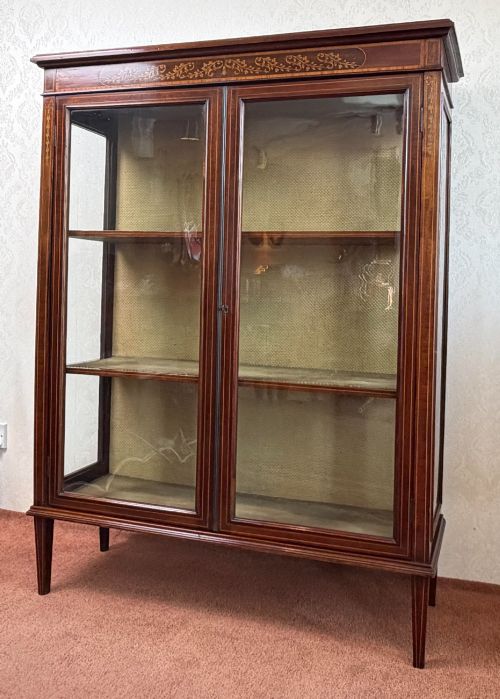
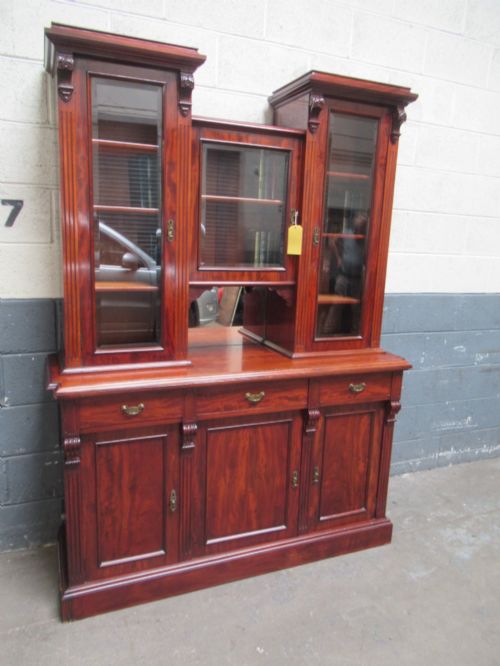
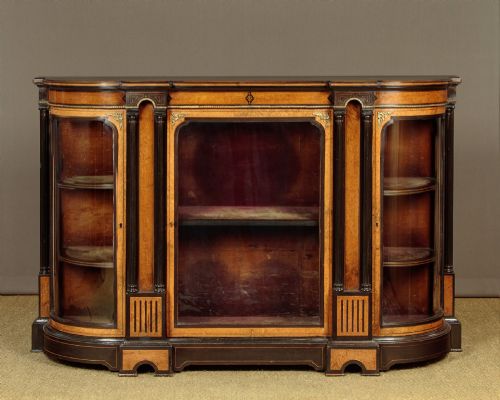
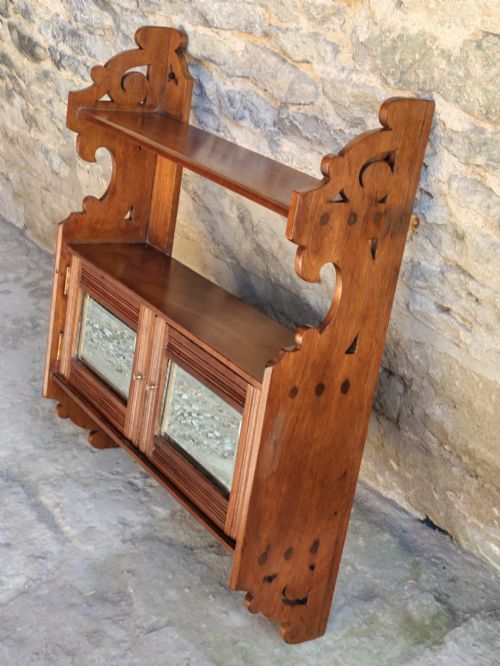
Late Victorian Glazed Cabinet
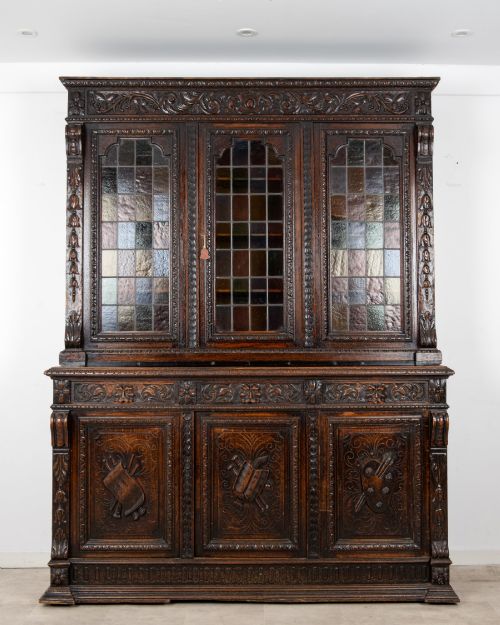
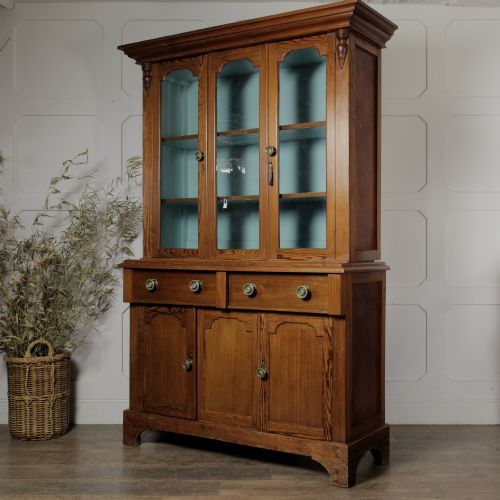
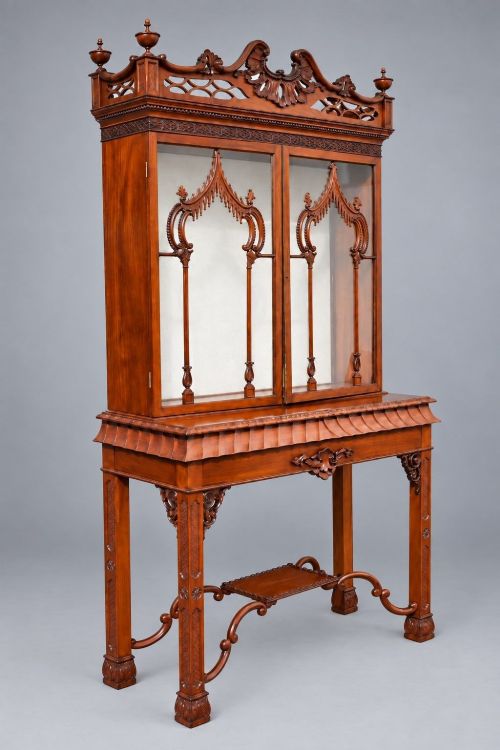
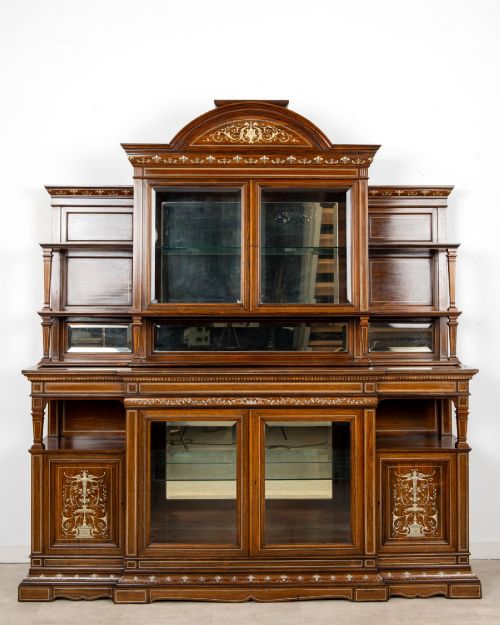
Late victorian glazed cabinet designs bring display storage to life through timber framing and glass panels made for viewing collections.
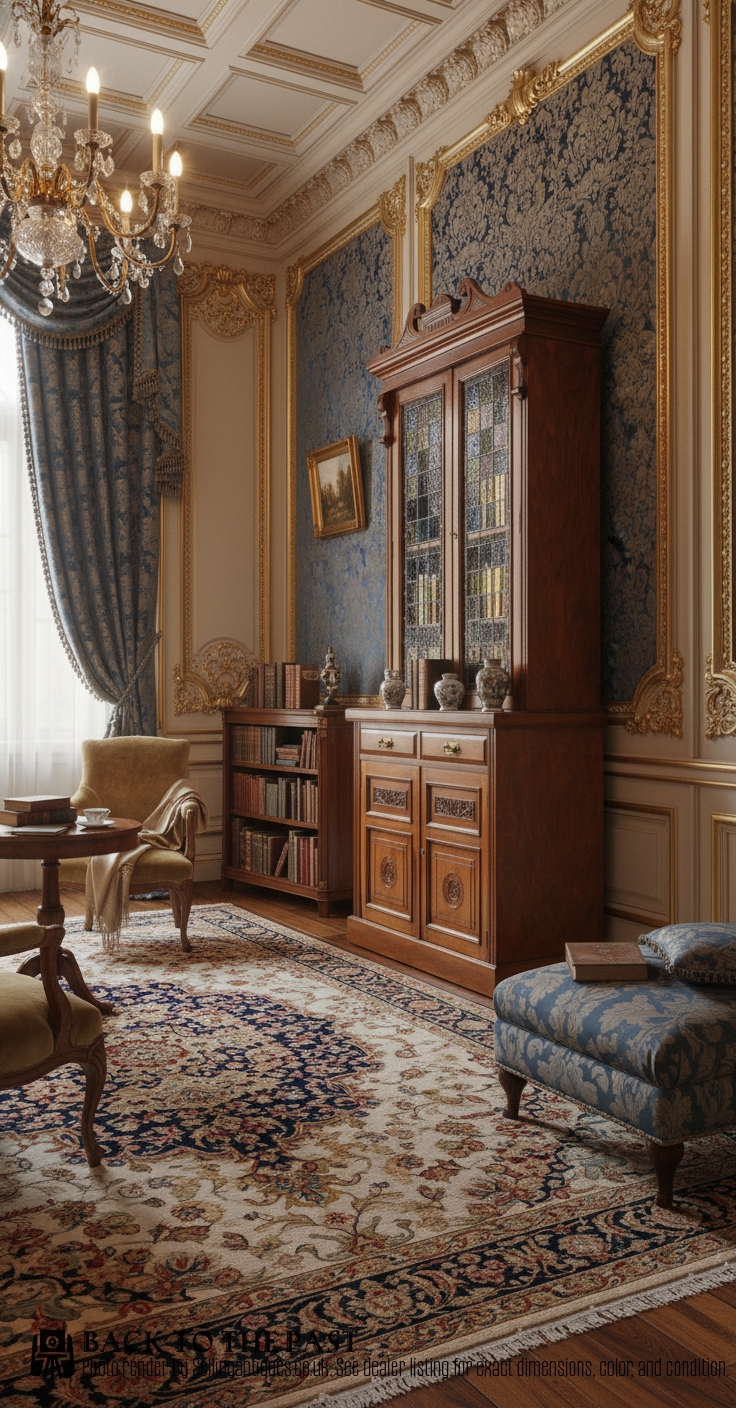
Late Victorian Glazed Cabinet
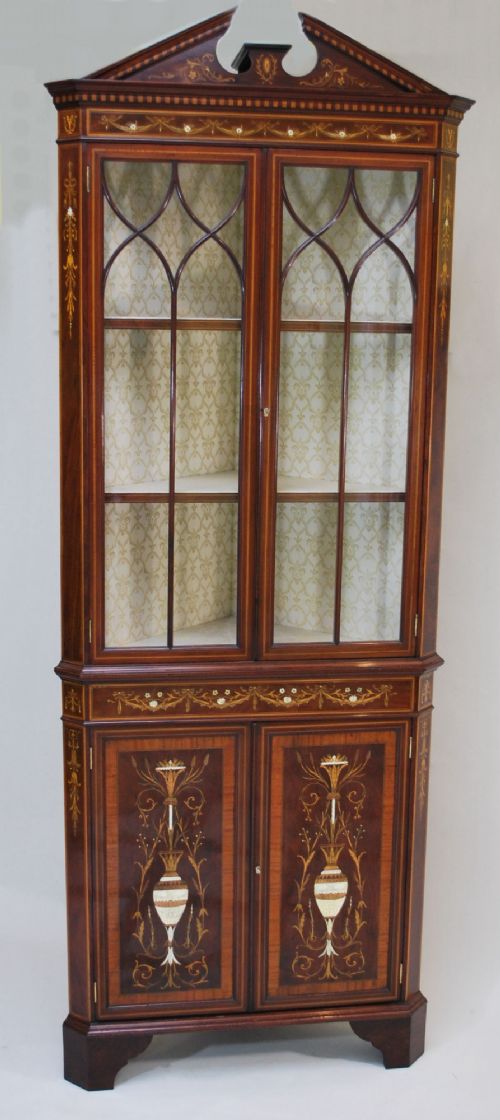
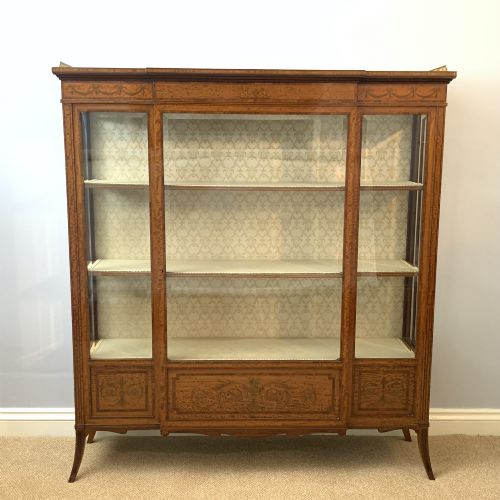
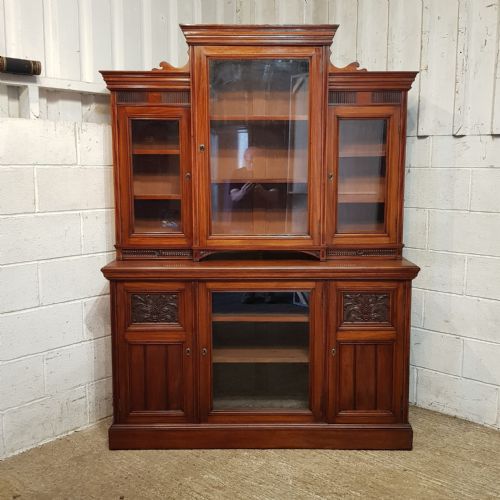
A late victorian glazed cabinet serves as a display piece or bookcase, housing books, china, and collectables behind glass doors. These items appear in formats ranging from tall library bookcases and corner units to small wall-hung cupboards and side cabinets.
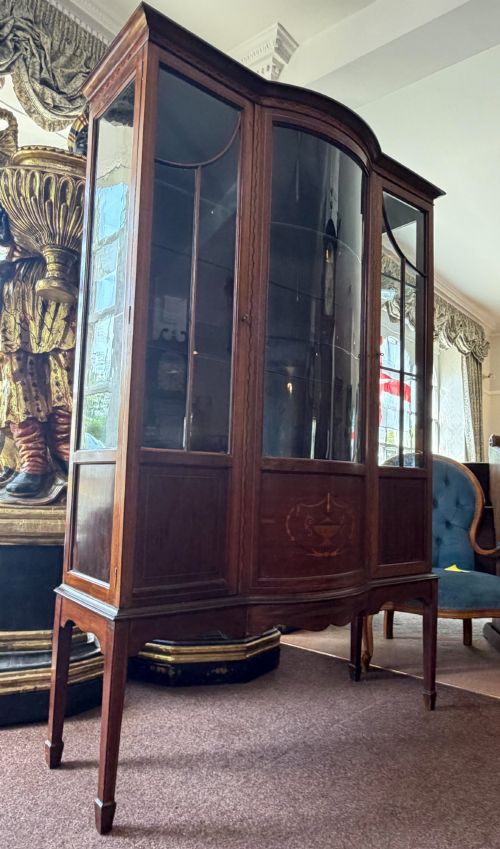
Mahogany and walnut form the primary timber choices for these pieces, often enriched with satinwood, rosewood, or marquetry inlay. Makers of the period drew upon Sheraton, Chippendale, and Gothic revivals to shape the silhouettes of these glazed storage pieces.
Materials and construction methods
Cabinet makers built these frames using solid hardwoods like mahogany, oak, and walnut, frequently applying fine veneers such as burr walnut or satinwood across larger surface areas. Brass hardware, ormolu mounts, and mirrored backs frequently accompany the glass panes.
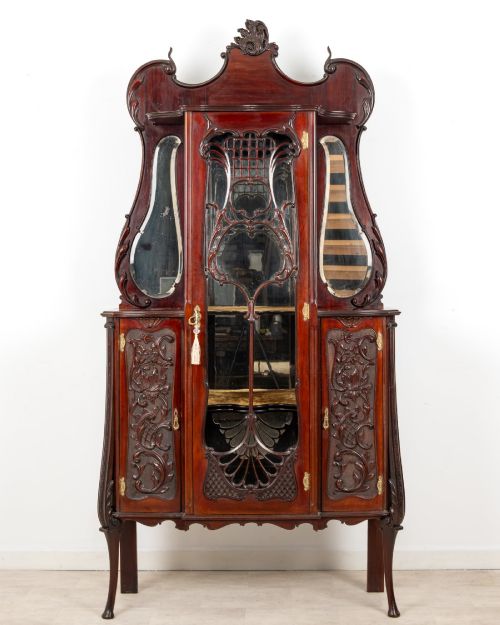
Glazing technique relied on wooden glazing bars, or astragals, dividing the glass into panels within the cabinet doors. Inlaid details utilised contrasting woods and marquetry to decorate the cornices and door panels.
Some cabinets bear historical hand-painted signwriting from former gunsmiths and chocolate makers.
Distinctions in construction and design
The choice of timber and veneer dictates much of the visual character, with finely figured burr walnut or meticulously inlaid satinwood marking out superior workmanship. Hand-carved details and balanced proportions distinguish bespoke workshop productions from simpler utility cupboards.
The complexity of the glazing bar arrangement and the weight of the timber frame indicate the ambition of the original maker. Cabinets bearing attribution to documented firms show higher standards of internal joinery and material selection.
Collinson & Lock·Edwards & Roberts·Lambs of Manchester
The Late Victorian Glazed Cabinet Glossary
- Astragal
- A small wooden moulding used to hold glass panes within a sash or cabinet door. These bars divide the door into geometric or arched viewing segments.
- Marquetry
- Decorative veneer patterns formed by fitting small pieces of various coloured woods together. Artisans applied these designs to the friezes and doors of cabinets.
- Bijouterie
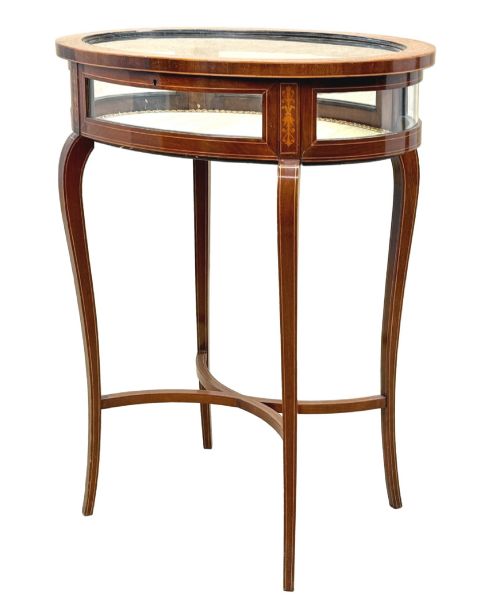
- A glass-topped display table or cabinet designed specifically for small precious objects and trinkets. These items elevate viewing surfaces to waist height.
- Credenza
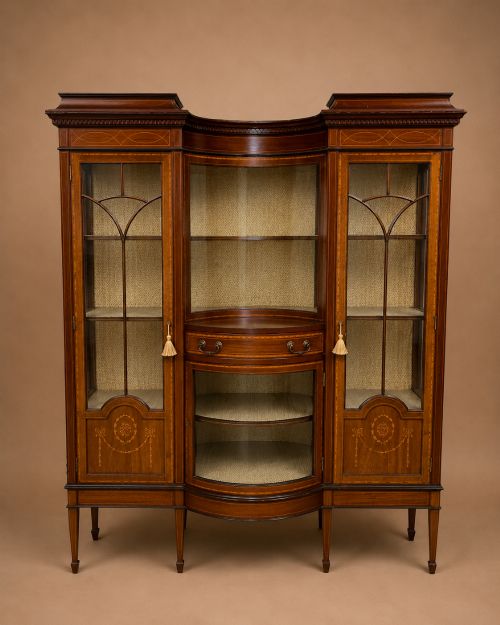
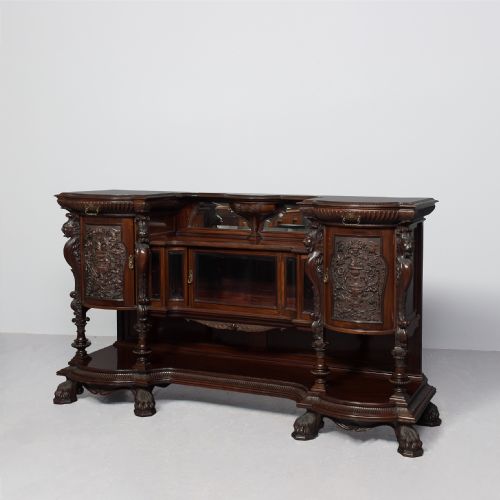
- A low-standing side cabinet originating from dining and reception rooms. Examples from this era incorporate glazed central sections flanked by cupboards.
- Breakfront
- A cabinet design where the central section projects forward from the flanking wings. This architectural layout creates depth across the front facade.
Late Victorian Glazed Cabinet: Frequently Asked Questions
Where should a glazed cabinet go?
These cabinets suit dining rooms, living spaces, or studies where books and ceramics benefit from dust-free visibility. Corner units and wall-hanging versions make use of compact or awkward room dimensions.
Positioning the piece away from direct sunlight protects antique timber and interior fabrics from fading over time.
How do I date a late victorian cabinet?
Cabinet dates typically fall between 1880 and 1900, drawing on stylistic clues such as revival motifs and inlay patterns. Secondary woods inside drawers and backboards offer further guidance on the manufacturing decade.
Matching the timber choice to prevailing trends of the late nineteenth century helps confirm the production window.
How do I care for antique wood and glass?
Maintenance involves dusting timber surfaces with a dry cloth and applying appropriate wax polish sparingly to preserve the finish. Glass panels require gentle cleaning with standard glass cleaner applied to a cloth rather than sprayed directly near the wood.
Maintaining stable room humidity prevents the timber frame and veneer from expanding or contracting.