
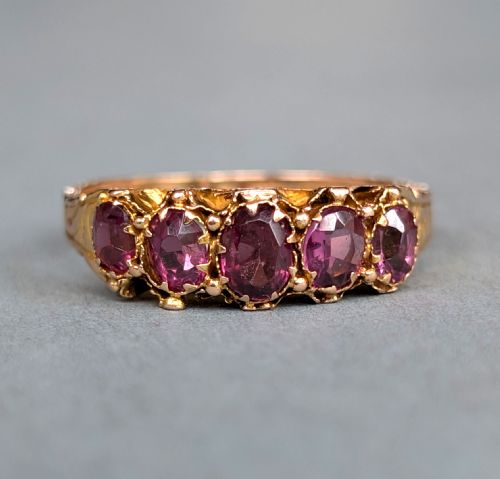


Late Victorian Gemstone Ring
Late victorian gemstone ring designs offer enduring appeal, combining rich coloured stones with intricate precious metal work from the nineteenth century.
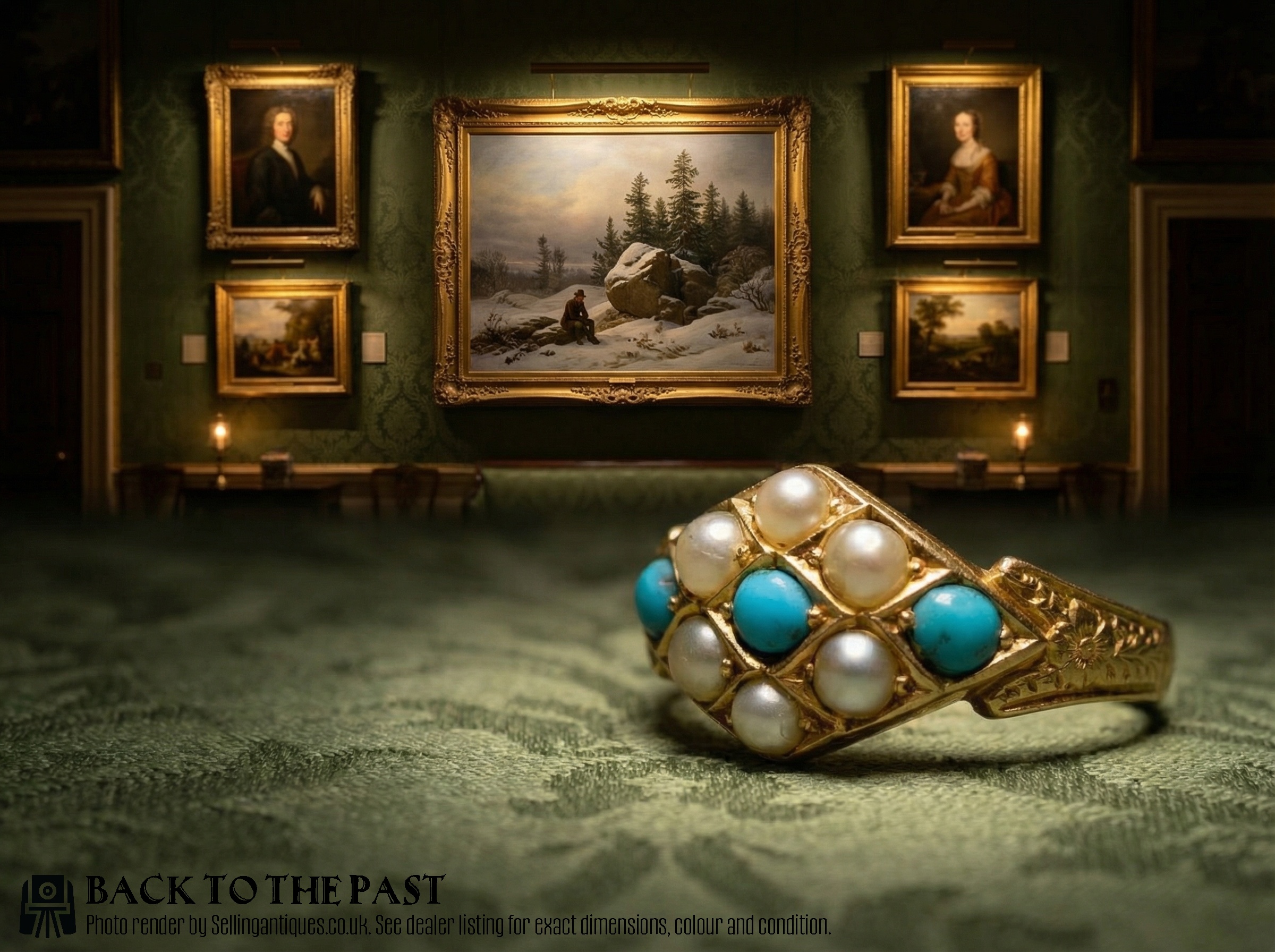
Late Victorian Gemstone Ring
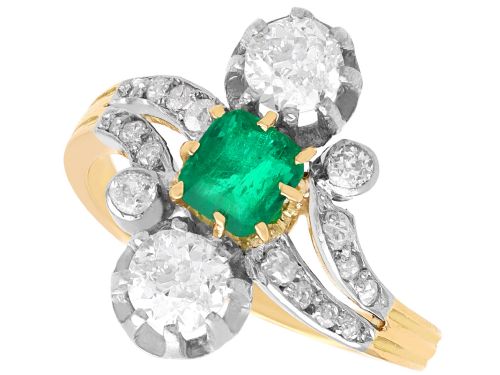
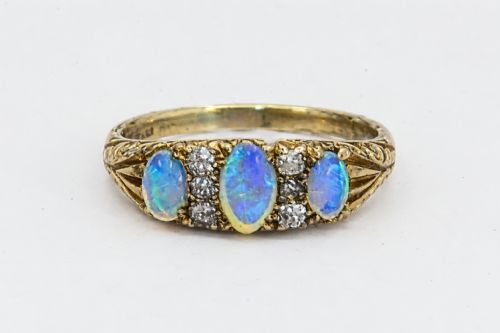
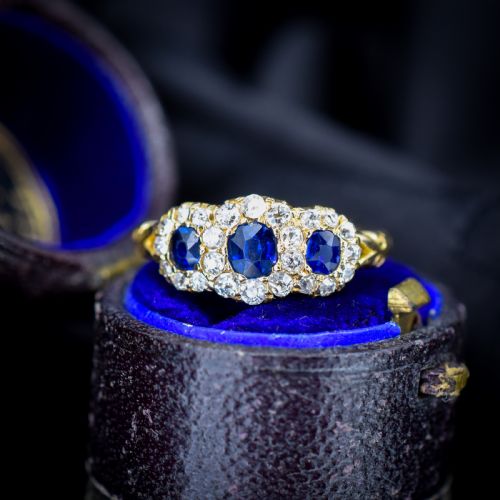
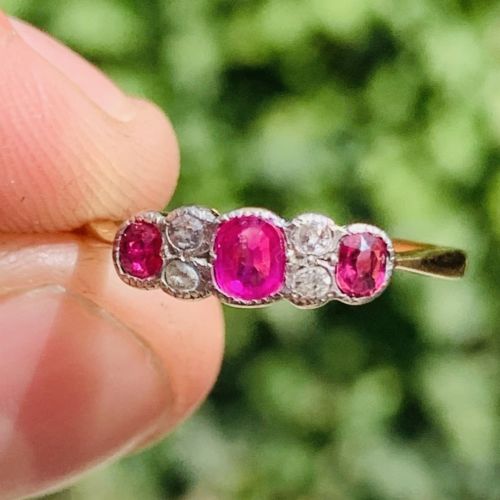
A late victorian gemstone ring represents a distinctive period of jewellery production spanning the late nineteenth century and the turn of the twentieth century. These pieces predominantly feature gold bands set with colourful stones, diamonds and pearls.
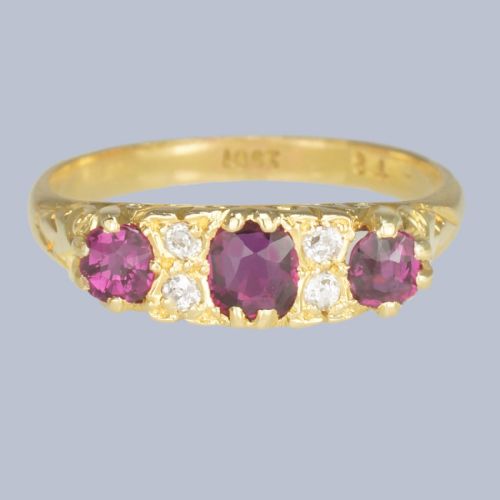
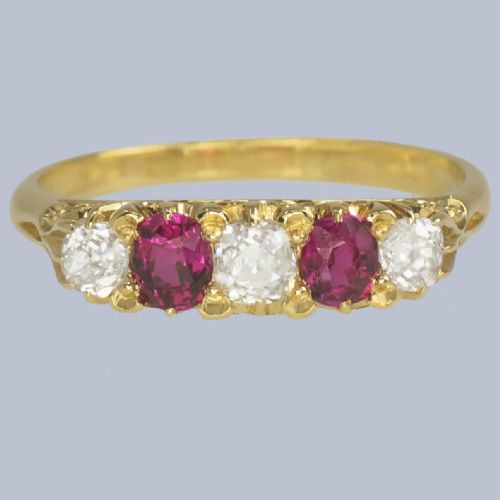
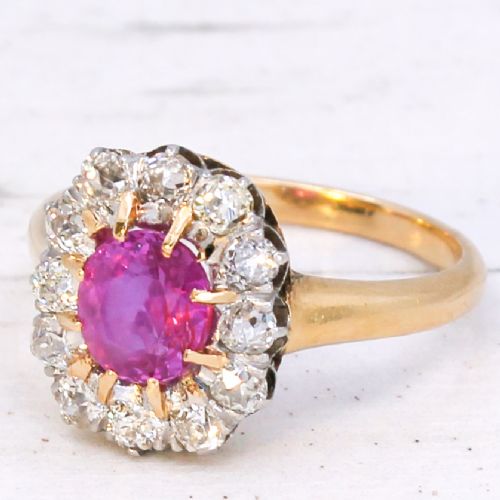
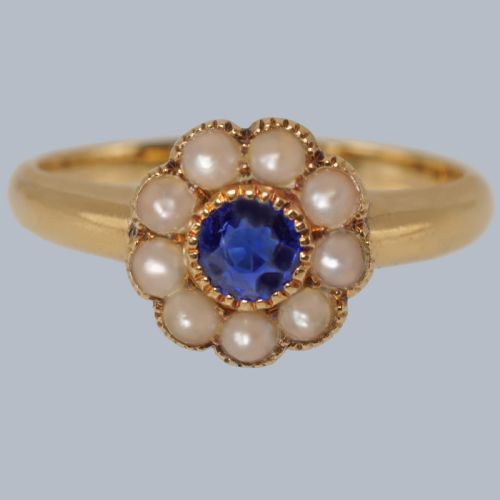
Buyers searching for a late victorian gemstone ring frequently encounter classic multi-stone arrangements, clusters and boat-shaped settings. The surviving examples showcase the enduring popularity of sapphire, ruby and opal alongside traditional diamond accents.
The objects on this page reflect the craftsmanship of the victorian era, incorporating regional hallmarks and varied carat weights of yellow gold, rose gold and platinum settings. Each item provides a tangible link to the jewellery design of the eighteen nineties and nineteen hundreds.
Materials and construction methods
The construction of these pieces relies heavily on eighteen carat and fifteen carat gold, shaped into sturdy bands and detailed settings. Goldsmiths during this period utilised yellow and rose gold alloys to anchor precious stones securely.
Gemstones such as rubies, sapphires and opals were paired with old cut and old mine cut diamonds, hand-set into claw or cluster arrangements. Master jewellers also incorporated split pearls and turquoise to create varied textural contrasts.
The listings span the victorian era into nineteen hundred, featuring eighteen carat gold, fifteen carat gold, platinum, diamonds, rubies, sapphires, opals and split pearls.
Assessing quality in antique rings
Quality in these rings is determined by the natural character and preservation of the central gemstones, alongside the crispness of the surrounding metalwork. Original stone treatments and balanced proportions elevate certain pieces above standard production.
The integrity of the gold band and the security of the settings dictate the overall standard of survival. Clear hallmarks and uncompromised structural mounts distinguish superior examples from heavily worn pieces.
The Late Victorian Gemstone Ring Glossary
- Old cut diamond
- A diamond cut popular in the nineteenth century, characterised by a small table, high crown and open culet. This cut produces a distinctive candlelit sparkle.
- Cluster ring
- A jewellery design featuring a central gemstone encircled by a group of smaller stones, typically diamonds or pearls. This arrangement maximises visual impact and light reflection.
- Boat ring
- A ring setting shaped like a traditional boat hull, curving gently across the finger to house multiple graduated stones. This style was widely favored during the late nineteenth century.
- Split pearl
- A small pearl cut in half and mounted flush against a backing material, commonly utilised in floral and geometric victorian clusters. They offer a softer lustre than faceted gemstones.
- Hallmark
- An official stamp applied to precious metals indicating purity, origin and assay office location. These marks provide reliable evidence of a ring's date and place of manufacture.
Late Victorian Gemstone Ring: Frequently Asked Questions
How do I care for my ring?
Clean these delicate pieces gently using warm soapy water and a soft brush, avoiding harsh chemical ultrasonic cleaners that can damage softer stones like opals and pearls.
Store your jewellery separately in a lined box to prevent scratching between harder diamonds and more vulnerable gems.
Can these rings be resized?
Most gold bands can be adjusted by a skilled jeweller who understands antique construction methods, though care must be taken to preserve exterior hallmarks.
Intricate patterned bands or full gemstone eternity designs require specialist attention to alter the band without compromising the stone settings.
Are the gemstones treated?
Many stones from this period remain unheated or in their natural state, though specific laboratory certifications often detail the exact geological origin of rubies and sapphires.
Evaluating the natural inclusions under magnification helps identify the authenticity and historical character of the mounted gems.
How do I date a ring?
Examination of official hallmarks stamped inside the gold band reveals the specific assay office and year of testing, often supplemented by regional style markers.
Setting styles, such as boat mounts or old cut diamond configurations, provide further clues to narrow down the decade of production.