



Birmingham Hallmarked Gold Ring
A birmingham hallmarked gold ring carries the official guarantee of the Midlands assay office, spanning Victorian, Edwardian and mid-century designs set with precious stones.

Birmingham Hallmarked Gold Ring
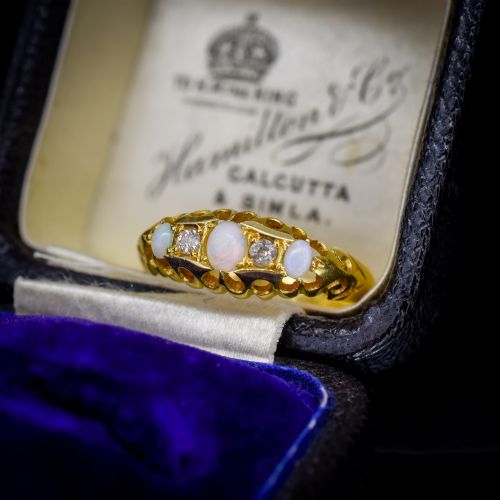
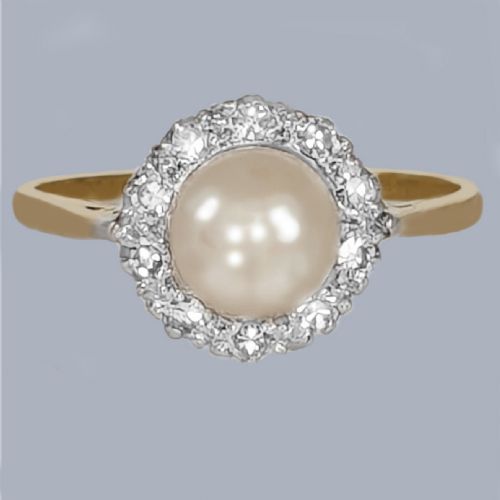
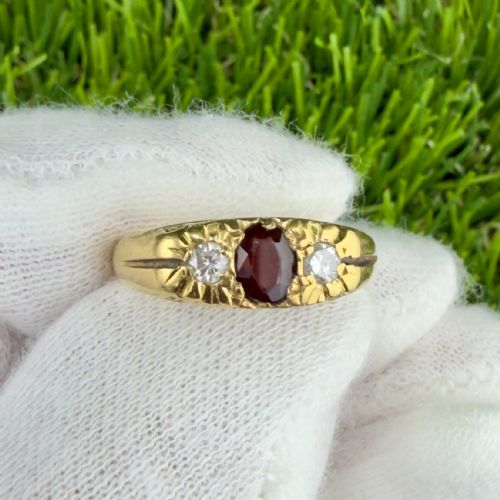
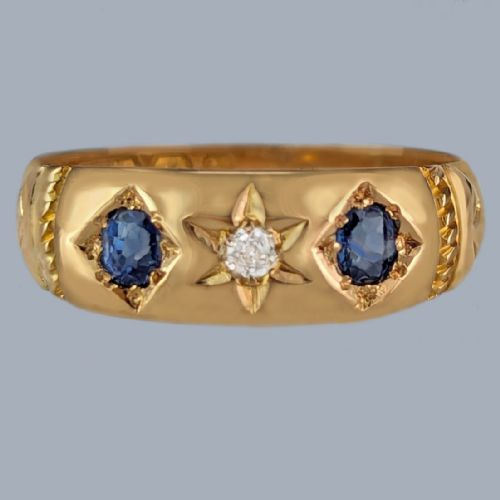
A birmingham hallmarked gold ring encompasses a diverse array of forms originating from the Victorian era through the mid-twentieth century. Buyers encounter traditional multi-stone arrangements, including five-stone configurations and graduated trilogy settings.
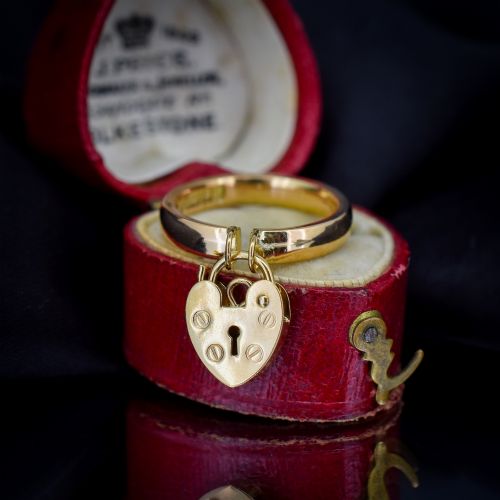
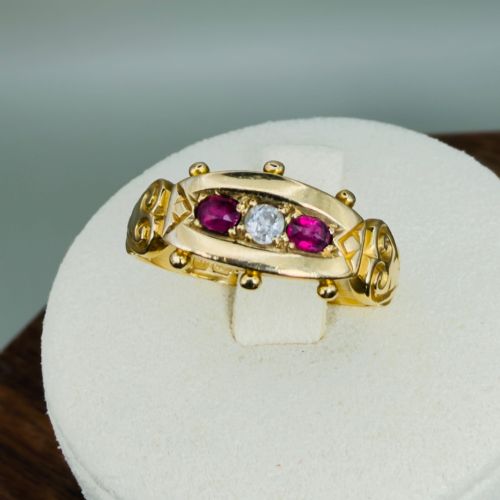
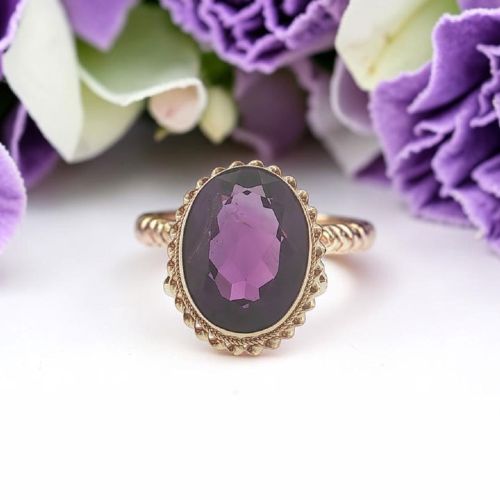
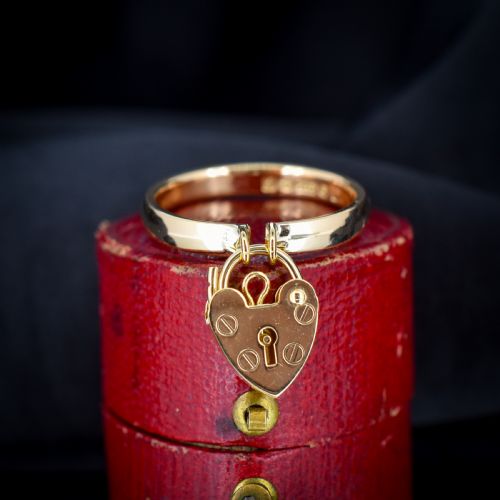
The inventory demonstrates a strong representation of Edwardian boat rings, cluster formations and symbolic band designs. Gemstones such as diamonds, rubies, sapphires, opals and amethysts frequently populate the gold mountings.
Materials and Construction
Metals span standard yellow and rose variations in nine carat, fifteen carat and eighteen carat purities, stamped with the Birmingham anchor mark alongside crown or numerical fineness indicators. Jewellers secured stones using claw settings, gypsy flush mountings and intricate scroll galleries.
Gemstone selections incorporate both old cut diamonds and polished coloured stones, integrated securely into solid gold bands or decorative head assemblies.
Birmingham Hallmarked Gold Ring Retail Price Guide 2026
Typical asking prices for birmingham hallmarked gold ring among the pieces listed under this phrase on Sellingantiques today, from the lower quarter to the upper quarter. They describe what is for sale here now, not the wider market.
Serpent rings coiled around the finger with double ruby eyes remain a charming record of Victorian symbolism.
Distinctions in Quality
Differentiation across the range rests on the crispness of the official assay stamps and the preservation of original claw work. Pieces retaining sharp hallmarks and minimal wear to the metal shanks demonstrate superior craftsmanship.
The selection and matching of set stones, whether luminous opals, deep rubies or brilliant diamonds, dictate the visual impact and overall refinement of the piece.
William Griffiths And Son
The Birmingham Hallmarked Gold Ring Glossary
- Boat ring
- A tapering boat-shaped setting that lifts clustered gemstones above the finger. This distinctive silhouette remains characteristic of Edwardian jewellery.
- Trilogy ring
- A three-stone arrangement traditionally symbolising the past, present and future. These designs pair central diamonds with flanking rubies or sapphires.
- Gypsy ring
- A band style where gemstones are flush-set directly into the thick gold metal. This technique creates a smooth, durable profile popular during the Victorian period.
- Assay mark
- An official stamp verifying the precious metal purity of an item. The Birmingham office utilises an anchor symbol for this purpose.
- Navette ring
- A pointed, boat-shaped cluster design resembling a little ship hull. It stretches lengthwise along the finger for notable presence.
Birmingham Hallmarked Gold Ring: Frequently Asked Questions
How do I read the Birmingham hallmarks?
The hallmarks on these rings typically comprise a maker mark, a purity stamp denoting the gold carat, the Birmingham anchor symbol, and a date letter.
Matching the specific letter font and shield shape to historical assay charts reveals the exact year the piece was tested and certified.
Are these rings suitable for daily wear?
Many of these pieces were built robustly in solid gold, yet older stone settings require mindful handling during everyday tasks.
Softer gems like opals and turquoise demand greater care than diamonds or rubies to prevent surface abrasion.
How do I identify a Victorian example?
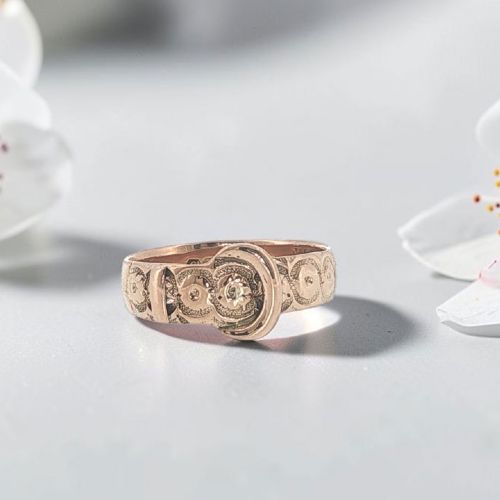
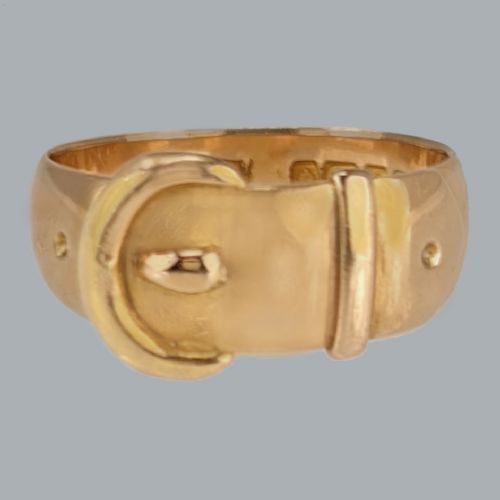
Victorian pieces often utilise higher carat variations such as fifteen carat gold alongside distinct motifs like buckle belts and gypsy flush settings.
The accompanying hallmarks provide the definitive date of creation, tying the ring directly to the nineteenth century.