





Late Victorian Frame
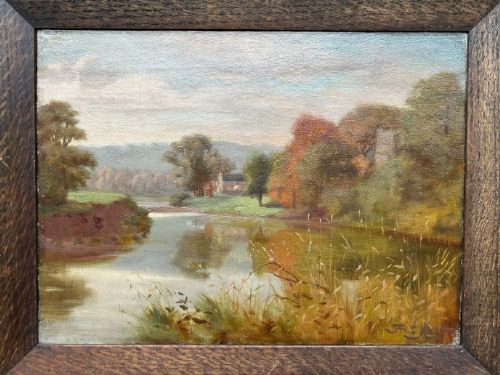
When you search for a late victorian frame, you encounter the decorative borders, protective mountings and enclosures that finished paintings, mirrors and photographs at the turn of the twentieth century.
Late Victorian Frame
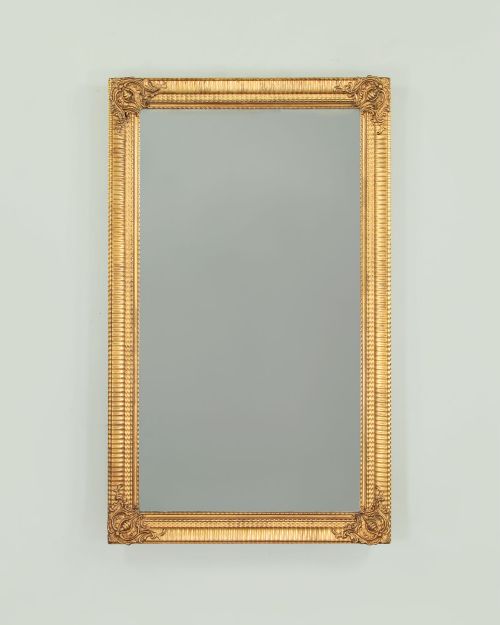
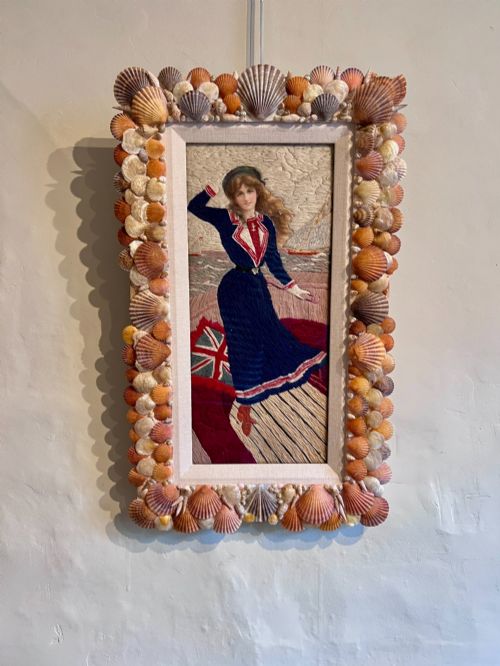
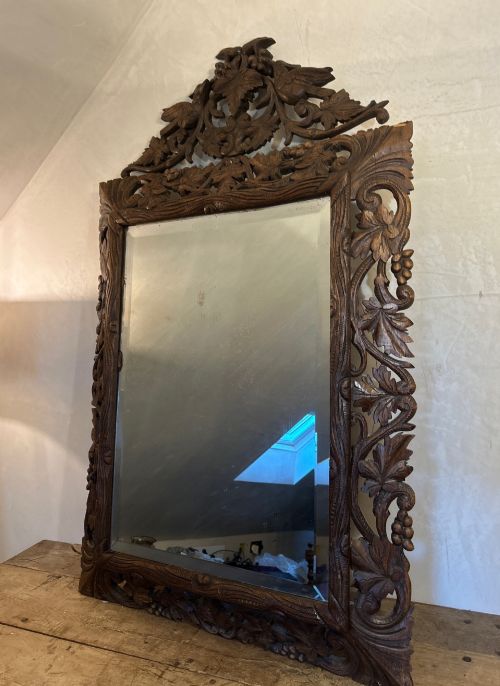
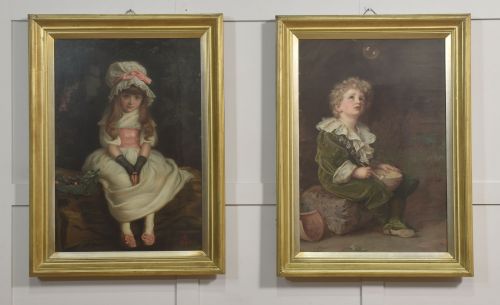
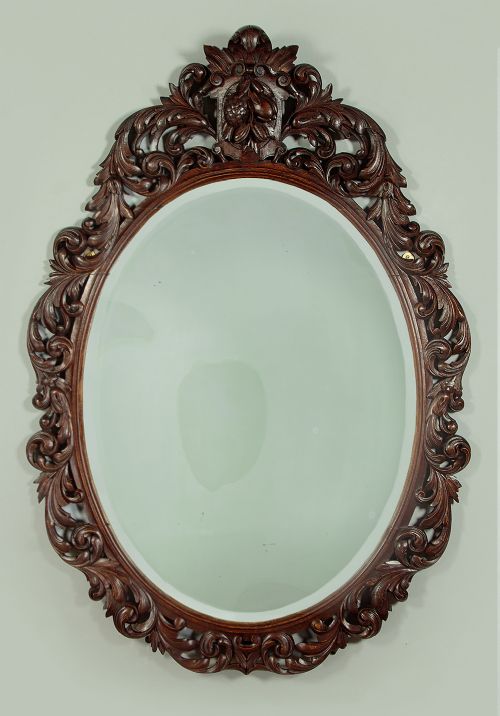
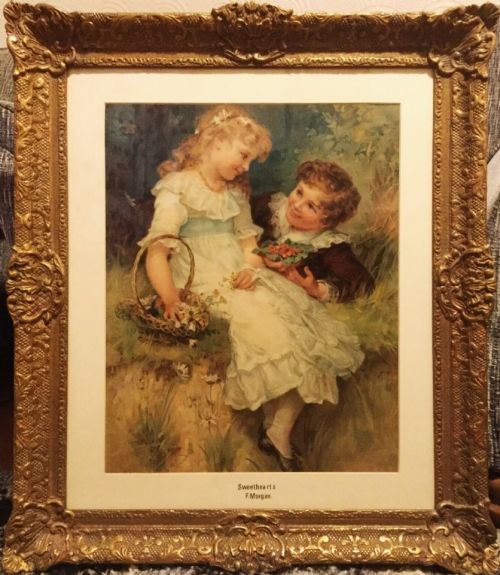
A late victorian frame encompasses a varied group of objects designed to hold mirrors, artwork and photographs, originating from the closing decades of the nineteenth century and the early years of the twentieth. The selection spans domestic interiors, ranging from heavy gilt wall mirrors and carved wooden surrounds to delicate sterling silver desk items.
How they were made
Craftsmen utilised traditional woodworking joints alongside moulded composition ornaments, applying gesso and water gilding to wooden bases for reflective picture and mirror surrounds. Sterling silver versions relied on sheet metal stamping, repoussé embossing and soldered easel backs.
Surfaces were frequently finished with ebonising, walnut or mahogany veneers, carved oak details, or applied bamboo and brass elements. These materials reflected both heavy Victorian ornamentation and the lighter aesthetic movements emerging towards 1900.
Several items combine exotic tastes by mounting Victorian photographs inside authentic carved bamboo and ebonised surrounds.
What varies in quality
The standard of a late victorian frame rests upon the depth and crispness of its carving, the integrity of its mitred joints, and the retention of original gilding or silver hallmarks. Hand-carved wooden details and heavy gauge silver separate finer workshop productions from mass-produced stamped alternatives.
Proportion and decorative harmony also dictate distinction, where balanced sight lines, intact gesso ornament without extensive repair, and original backing materials demonstrate superior original manufacture.
William Comyns·Henry Matthews
The Late Victorian Frame Glossary
- Gesso
- A plaster mixture applied to wood surfaces as a smooth base for gilding or painting. It is moulded or carved into decorative reliefs before metal leaf is laid.
- Giltwood
- Timber carved and coated with gold leaf or metallic powder. It provides the brilliant reflective surfaces seen on formal nineteenth-century wall mirrors and picture mouldings.
- Repoussé
- A metalworking technique where the artisan hammers metal from the reverse side to form raised decorative patterns. This method defines ornamented sterling silver photograph surrounds.
- Rebate
- The recessed groove on the inner reverse edge of a frame designed to hold glass, artwork and backing boards securely in place.
- Patera
- A circular ornamental bas-relief resembling a classical libation dish, frequently applied at the corners of Victorian architectural and mirror frames.
Late Victorian Frame: Frequently Asked Questions
How do I date a late victorian frame?
Dating relies upon stylistic cues, construction methods and, on silver examples, official assay office hallmarks stamped into the metal. These stamps reveal the specific year and town of manufacture.
Secondary indicators include the type of backing wood, screw heads and the composition of the gesso or timber mouldings used in the construction.
Can I replace the glass in an old frame?
Original glass often displays subtle bubbles, ripples and minor distortions characteristic of nineteenth-century manufacturing methods. Preserving this glass maintains the historic integrity of the piece.
When replacement is necessary due to breakage, clear float glass is typically avoided in favour of glass that matches the weight and slight imperfections of the original material.
How should I clean a giltwood frame?
Dust accumulation is best managed using an extremely soft, dry artist brush or ostrich feather duster to avoid disturbing delicate gesso or flaking gold leaf. Moisture and chemical solvents must be strictly avoided.
Water or commercial cleaning products will rapidly dissolve the historical water-gilding size beneath the metal leaf, causing irreversible loss to the finish.
Were these pieces designed for walls or tables?
Late nineteenth-century surrounds served both domestic functions depending on their scale and primary format. Large wooden and gilt examples featured heavy iron rings for wall hanging over mantelpieces.
Smaller formats in silver, leather or ebonised wood incorporated easel struts or folding stands for placement on dressing tables, desks and occasional furniture.