



Late Victorian Fine Art
Late victorian fine art brings together oil paintings, watercolours and bronze sculpture from the closing decades of the nineteenth century.
Late Victorian Fine Art
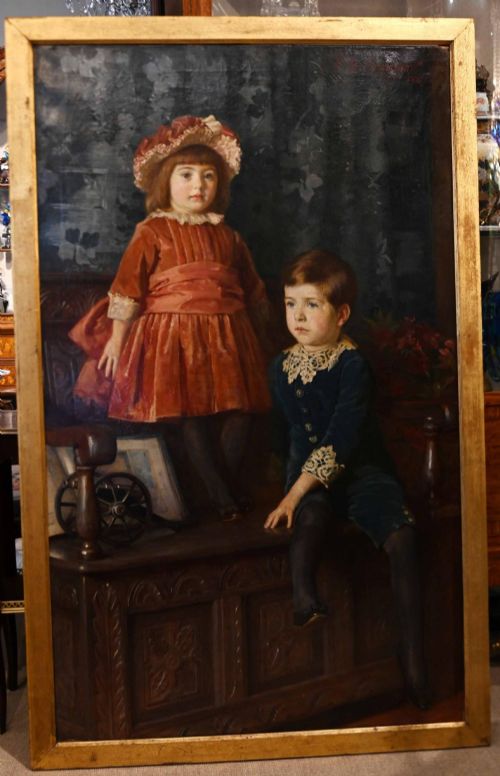
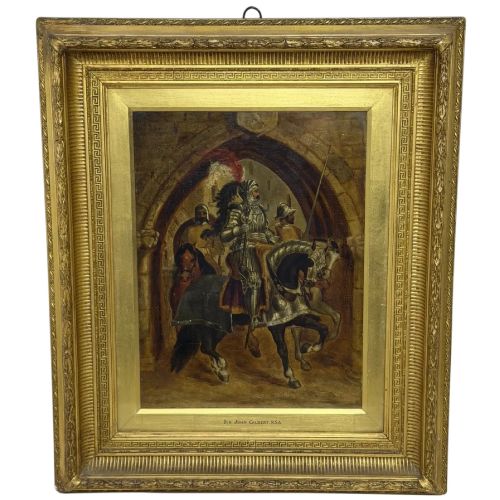
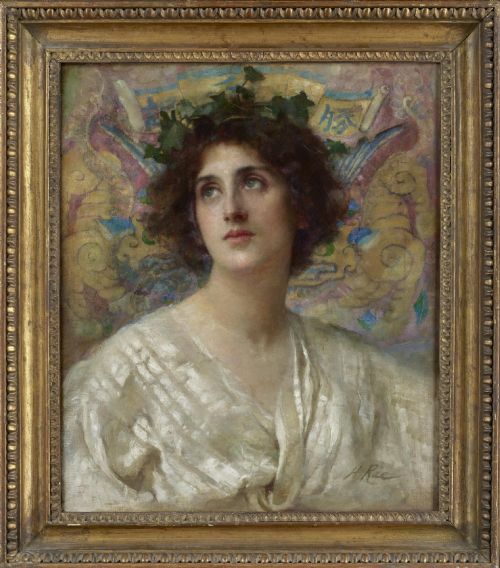
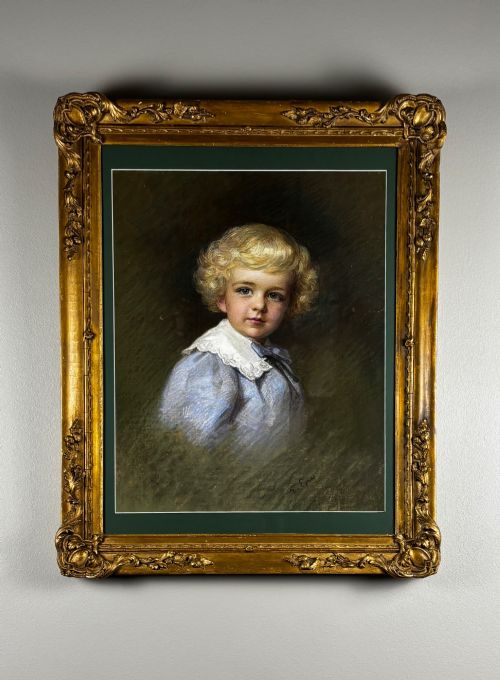
When you search for late victorian fine art, you encounter oil paintings, watercolours and pastels capturing landscapes, portraits and genre scenes. These works originate from British, Irish and continental artists working during the nineteenth century and the early years of the twentieth century.
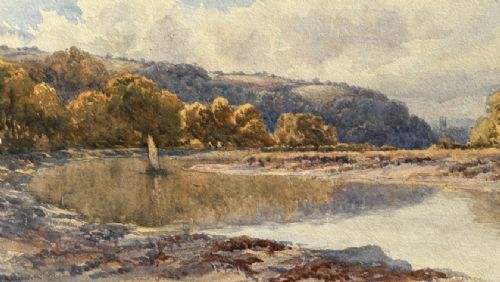
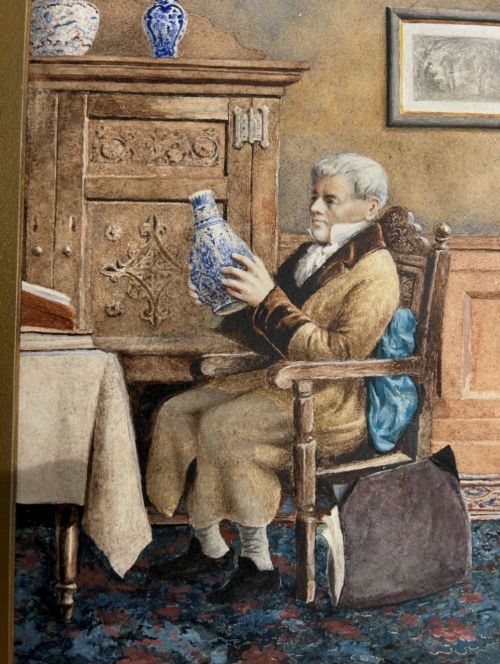
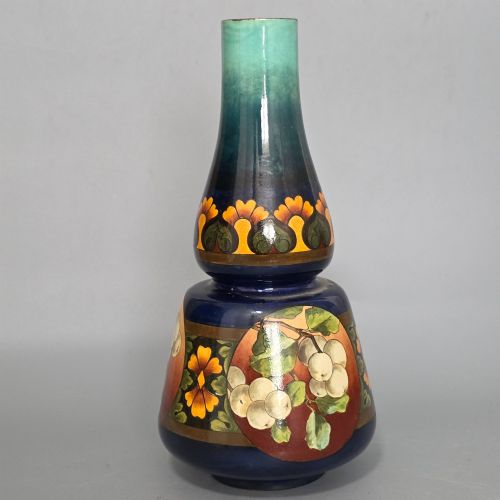
The objects span framed portraits of gentlemen and ladies, river landscapes in oil or watercolour, and figurative studies. Alongside canvases and paper works, the selection includes bronze sculpture, ceramics and glass vessels.
Most pieces date from the 1880s and 1900, reflecting academic portraiture, realism and impressionist tendencies. You also find practical furnishings such as oak refectory dining tables and satinwood desks carrying period character.
Materials and methods
Painters utilised oil paint and watercolour on stretched canvas, wood panel, board and paper. Frames are frequently constructed from gilt wood and gesso, housing the painted surface.
Sculptors cast bronze figures, while ceramicists shaped faience and pottery bodies, applying intarsio decoration. Glassmakers worked with cameo glass and moulded coloured glass to achieve layered optical effects.
Listings feature works executed in oil paint, watercolour, pastel, bronze, cameo glass and faience pottery.
Distinctions in quality
The distinction between standard works and superior pieces lies in the sureness of the draftsmanship and the handling of light. Masterly brushwork and expressive portraiture elevate an oil painting or watercolour above routine studio output.
Material execution dictates the standing of decorative objects, where crisp cameo glass carving or finely chased bronze detail indicates superior studio standards.
David Law·Frederick Marriott·Henry Stacy Marks·Sir John Gilbert·Henrietta Rae·Alice Euphemia Thatcher·Emily Eyres·Arthur Herbert Rigg·Sir Thomas Brock·Alfred Grey·Robert Buchan Nisbet·Baccarat·Kathleen Winifred Molesworth·Frederick William Jackson·William Greaves·Harold Arthur Burke·Walter Emsley·Robert Gemmell Hutchison·John Singer Sargent
The Late Victorian Fine Art Glossary
- Watercolour
- A painting method where fine pigment is suspended in water-based solution on paper. This technique yields translucent washes and delicate tonal shifts.
- Oil on canvas
- Pigment bound in drying oil applied to a woven fabric support stretched over a wooden frame. It remains the principal medium for ambitious nineteenth-century painting.
- Gesso
- A plaster-like mixture applied to wood frames before gilding. It provides a smooth surface for laying gold leaf.
- Intarsio
- A ceramic decoration technique imitating inlaid wood. Doulton Lambeth utilised this method on faience pottery.
- Partners desk
- A large double-sided pedestal desk designed for two people to work opposite one another. These pieces utilise fine timbers such as satinwood.
Late Victorian Fine Art: Frequently Asked Questions
How do I identify a late nineteenth century painting?
Examine the canvas stretcher, framing materials and pigment characteristics alongside any artist signature. Signatures can often be cross-referenced with exhibition records from the period.
Stylistic cues such as brushwork technique and subject matter also help narrow down the decade of creation.
What subjects are common in this period?
Portraits of society figures, children and gentlemen recur frequently alongside pastoral river landscapes. Orientalist themes and genre scenes depicting daily life also appear across the selection.
Artists drew inspiration from both rural Britain and continental travels.
How should I care for antique watercolours?
Keep watercolours away from direct sunlight to prevent the pigments and paper support from fading. Framing should utilise conservation-grade mounting materials to protect the sheet.
Maintain stable indoor humidity levels to preserve both the paper and the period frame.
Are bronze sculptures marked by the artist?
Many bronze studies carry cast signatures or foundry marks on the base or plinth. These inscriptions identify the sculptor and sometimes the workshop responsible for the metal pour.
Documentation of the casting process assists in confirming the period of manufacture.