





Late Victorian Dressing Mirror
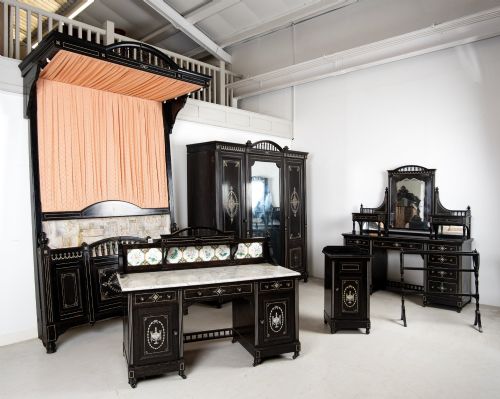
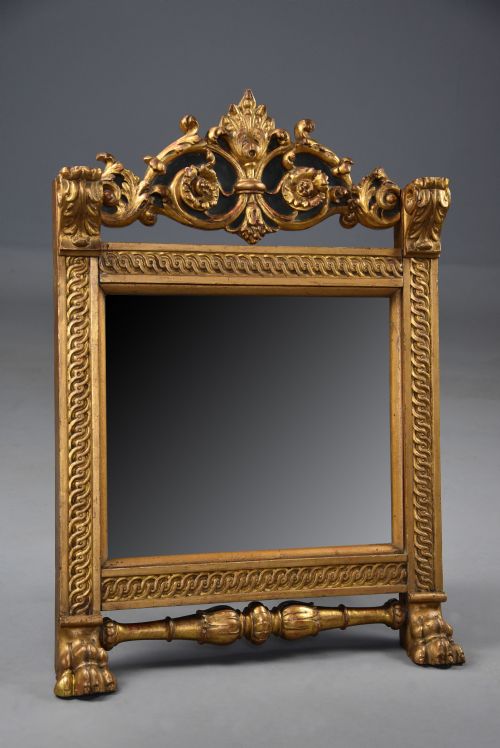
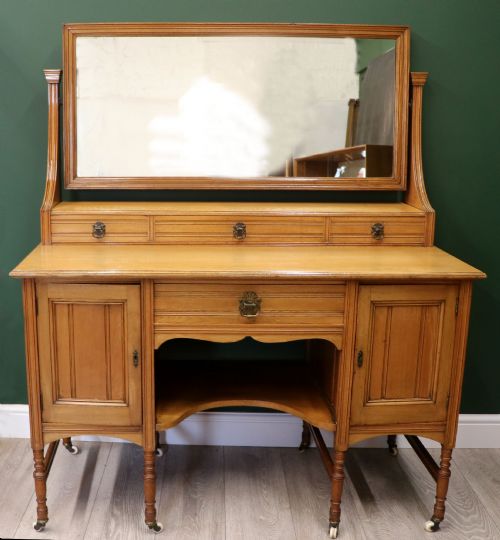
A late victorian dressing mirror brings polished glass and warm timber together on a bedroom surface.
Late Victorian Dressing Mirror
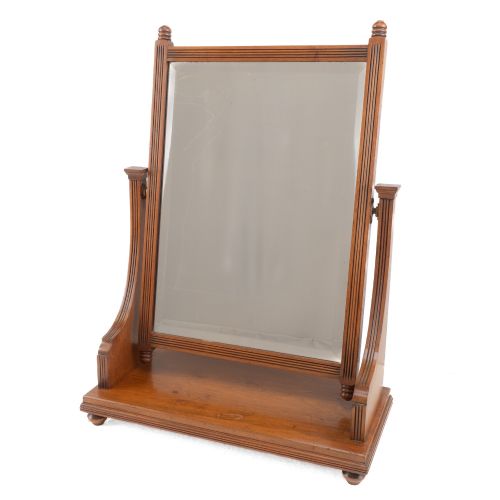
A late victorian dressing mirror sits on tables, chests, or stands independently as a cheval frame to reflect the bedroom.
The pieces listed here span the final decades of the nineteenth century, taking the form of tabletop swing frames, easel-backed silver pieces, and full-length floor mirrors.
Mahogany and oak dominate the selection, often accompanied by brass, gilt bronze, and bevelled glass.
Materials and Construction
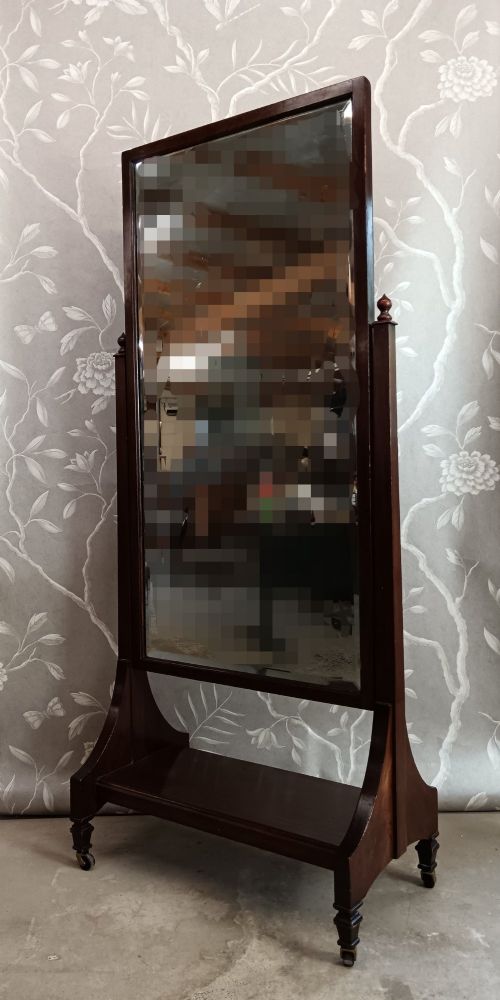
Cabinetmakers worked primarily in solid mahogany, walnut, and oak, frequently employing turned supports and swing pivots to angle the glass.
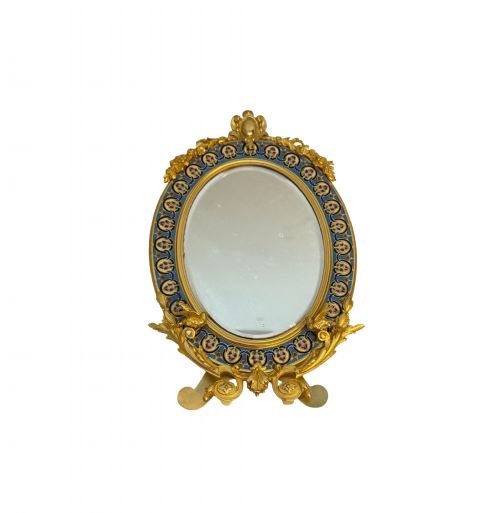
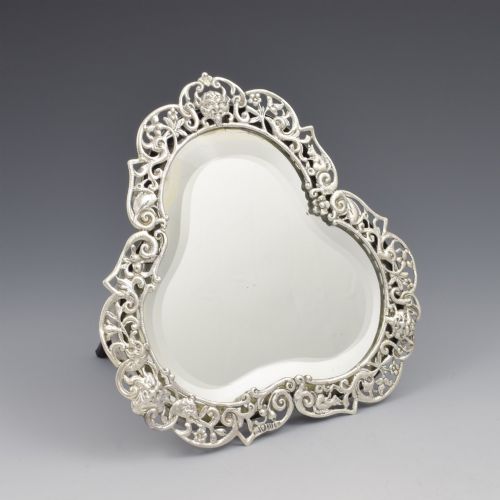
Metal frames relied on cast brass, champleve enamel, and silver mounts, often secured to wooden or easel backs with small pins and hinges.
Glass plates featured bevelled edges, ground by hand to catch the light before setting into carved wood or heavy metal borders.
Late Victorian Dressing Mirror Retail Price Guide 2026
Typical asking prices for late victorian dressing mirror among the pieces listed under this phrase on Sellingantiques today, from the lower quarter to the upper quarter. They describe what is for sale here now, not the wider market.
Some silver dressing mirrors feature tiny embossed birds and animals hiding in the floral scrolls.
Distinctions in Quality
The separation between standard production and superior work lies in the depth of the carving and the weight of the metal mounts.
Finely turned pillars, crisp brass casting, and substantial timber thickness distinguish the best workshops from ordinary commercial output.
Henry Matthews·William Comyns·Wright and Hunter of Belfast·Harris Lebus of London·John Taylor of Edinburgh
The Late Victorian Dressing Mirror Glossary
- Cheval mirror
- A full-length swing mirror supported by a freestanding frame with vertical posts. It allows the user to see their entire outfit.
- Easel mirror
- A smaller mirror held upright on a table by a hinged prop at the back. These often feature silver or brass decorative fronts.
- Swing mirror
- A glass plate hung on pivots between two upright arms, allowing the angle of reflection to tilt.
- Bevelled glass
- A mirror plate with edges cut and polished at an angle to create a framed, prismatic border.
- Champleve
- An enamelling technique where troughs are dug into a metal surface and filled with vitreous paste before firing.
Late Victorian Dressing Mirror: Frequently Asked Questions
How do I clean the mirror plate?
Use a soft cloth and simple glass cleaner, avoiding harsh ammonia on the surrounding timber or silver.
Keep moisture away from the edges where the old backing paint can flake off over time.
Where should I place a tabletop mirror?
Set it on a sturdy chest of drawers or a dedicated dressing table near a natural light source.
Ensure the surface is level so the swing pivots hold their position without slipping.
How do I date a nineteenth-century mirror?
Look at the assembly marks, screw types, and the thickness of the glass plate.
Silver pieces often carry hallmark stamps with assay office letters and dates.
What is the difference between cheval and dressing mirrors?
A cheval mirror stands directly on the floor as a full-length unit.
A dressing mirror rests upon a table or forms part of a larger cabinet piece.