


Late Victorian Decanter
When you handle a late victorian decanter, you hold a tangible piece of late nineteenth-century entertaining designed with exceptional craftsmanship and heavy glass.

Late Victorian Decanter
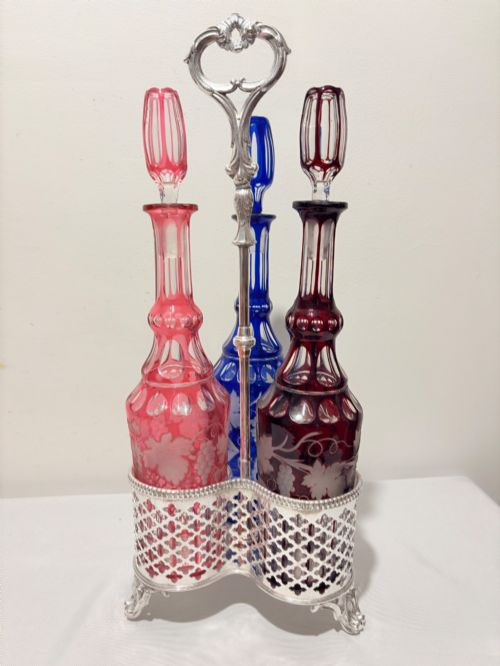
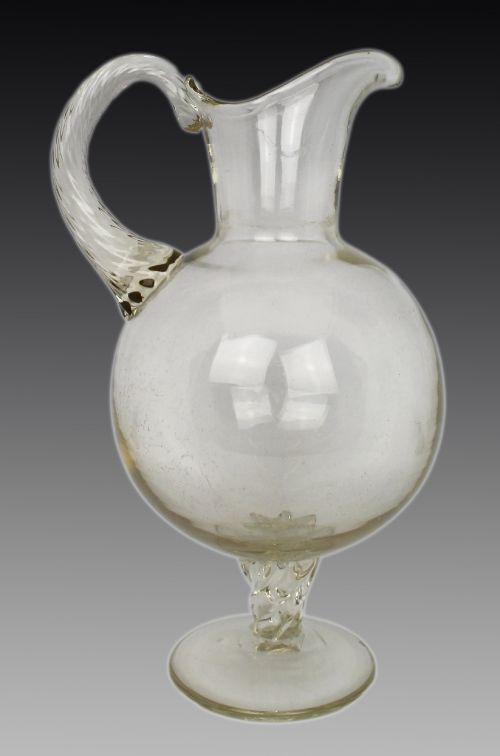
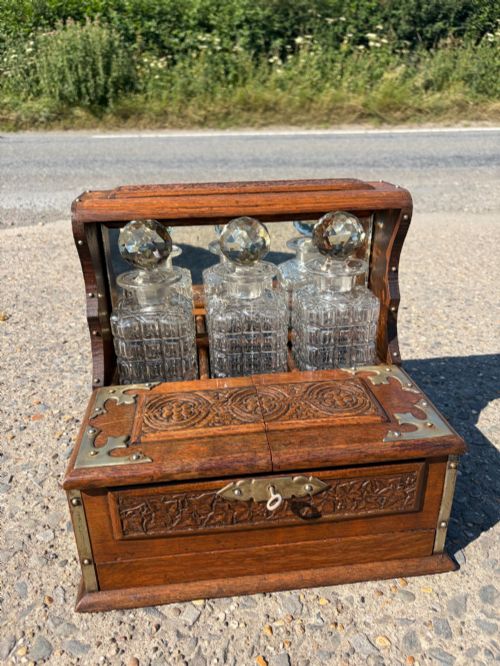
Buyers seeking this phrase encounter both utilitarian vessels for everyday dining and elaborate locking tantalus frames designed to secure fine spirits. The variety spans from simple hand-blown glass ewers to intricate sets housed in oak, coromandel, or mahogany cases.
Materials and construction methods
The construction relies heavily on thick lead crystal and cut glass, often shaped through hand-blowing or optical blowing before receiving deep wheel-cut or intaglio motifs. Etched grape and vine patterns dominate the glass surfaces.
Metalwork forms an integral part of the fabrication, combining sterling silver necks and mounts with silver-plated frames, brass handles, and locking mechanisms. Craftsmen united these glass and metal elements using secure collars, hinges, and fitted wooden cabinetry.
Late Victorian Decanter Retail Price Guide 2026
Typical asking prices for late victorian decanter among the pieces listed under this phrase on Sellingantiques today, from the lower quarter to the upper quarter. They describe what is for sale here now, not the wider market.
Listings feature oak, coromandel, and mahogany alongside cut glass, sterling silver, and brass mounts.
Distinctions in craftsmanship and origin
Quality separates through the weight and clarity of the crystal, the crispness of the hand-cutting, and the integrity of the silver mounts or plated frames. Maker marks and specific hallmarked silver collars elevate a piece considerably.
The sophistication of the housing mechanism, such as a Bramah lock on an oak or burr walnut tantalus, demonstrates superior workmanship compared to standard open stands. Engraved detailing on glass and the presence of matched sets further distinguish finer examples.
James Powell·Betjemann Brothers·Hukin & Heath·The Goldsmith Co.·Henry Wilkinson & Co·Elkington
The Late Victorian Decanter Glossary
- Tantalus
- A locking wooden frame that holds decanters securely while displaying the contents, preventing unauthorized access without a key. These security frames typically feature brass or silver-plated mounts.
- Claret Jug
- A specialised pouring vessel designed specifically for serving red wine, usually featuring a metal lid, handle, and collar mounted onto a glass body. Many examples from this era combine cut crystal with silver-plated mounts.
- Intaglio
- A technique where designs are incised or sunk below the surface of the glass, creating a detailed frosted motif. This method appears frequently on decorative wine jugs.
- Optical Blown
- A method of glassblowing where molten glass is inflated inside a ribbed or patterned mould to create uniform ridges or optical effects across the body. Pieces made this way show distinct tactile patterns.
- Silver Plate
- A thin layer of silver fused to a base metal foundation, widely utilised on nineteenth-century bottle stands, mounts, and hardware. It provided the luxurious appearance of solid silver at a lower production cost.
Late Victorian Decanter: Frequently Asked Questions
What is a tantalus?
A tantalus is a locking wooden stand that holds decanters of spirits securely in place.
It earned its name because the stoppers cannot be removed while the locking bar remains engaged, tantalising guests who wished to pour a drink.
How do you date these pieces?
Dating relies on identifying silver hallmarks, maker stamps, and specific stylistic cues recorded from the period.
Assay office marks and date letters on silver mounts provide the most precise year of manufacture for mounted glass.
Were these used for wine or spirits?
These vessels accommodated a wide variety of alcoholic beverages, ranging from claret and port to whisky and cordials.
Specific shapes, such as narrow-necked claret jugs or broad-bodied spirit decanters, suited the particular drink they contained.
How should glass mounts be cleaned?
Silver mounts require gentle cleaning with a soft cloth to preserve the plating or sterling surface without touching the glass.
Harsh chemical polishes should be kept away from etched or wheel-cut glass designs to prevent scratching.