
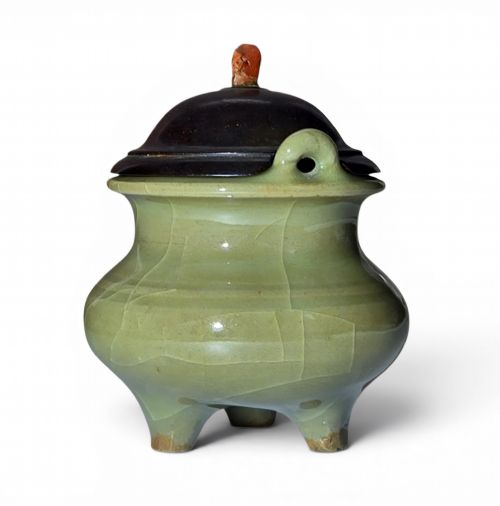


Late Qing Ceramics
When you search for late qing ceramics, you are exploring the vibrant wares produced during a transitional era of imperial China.
Late Qing Ceramics
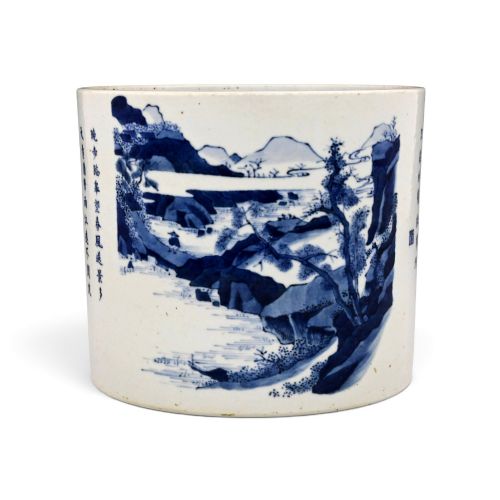
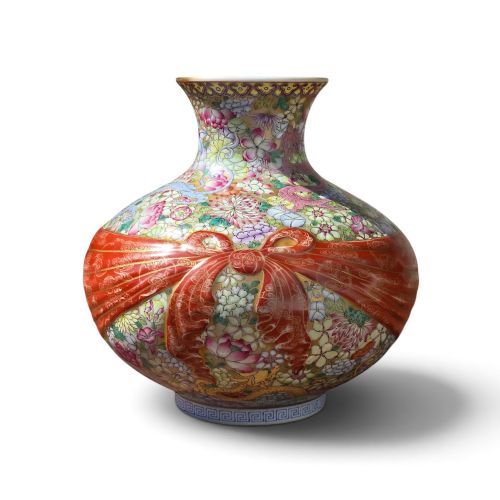
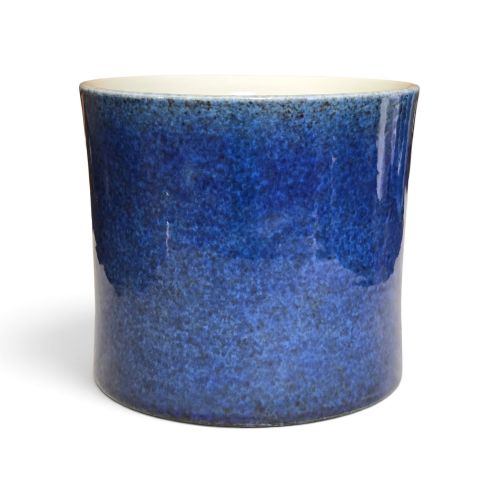
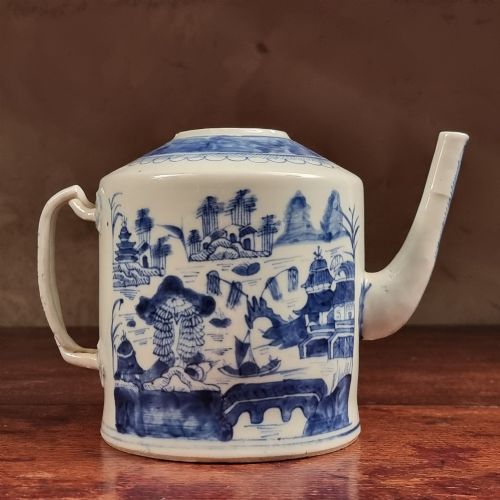
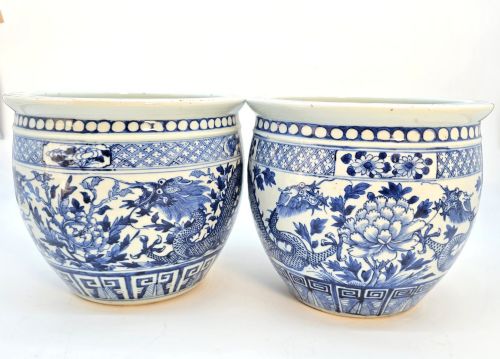
The late qing ceramics available on this page encompass a diverse array of nineteenth-century objects, ranging from utilitarian scholar's brush pots to grand double-gourd vases and decorative bowls. Many pieces originate from the Guangxu period, reflecting the traditional aesthetic output of late imperial workshops.
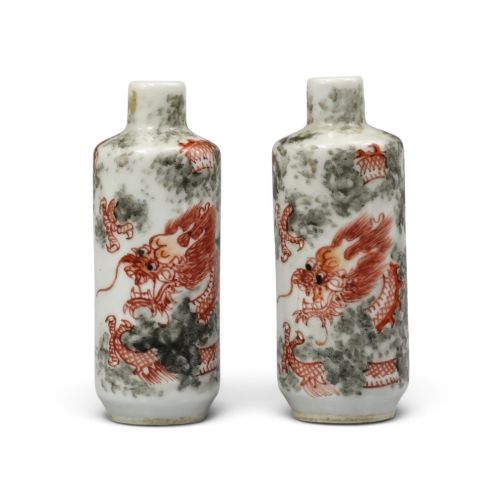
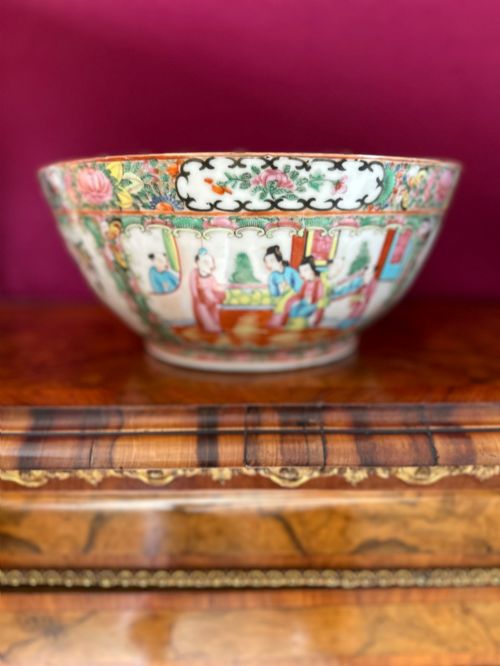
Buyers will encounter familiar forms such as ginger jars, snuff bottles, and punch bowls alongside figural ceramics and garden seats. These items demonstrate the continuity of Qing dynasty craftsmanship well into the Victorian era and toward the early Republic period.
Materials and Techniques
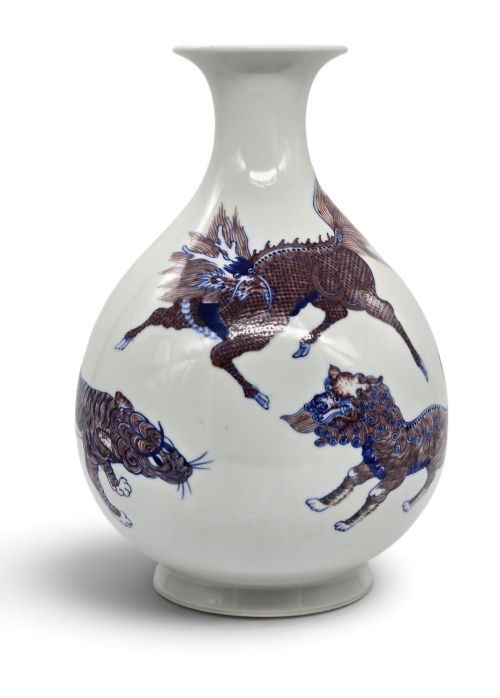
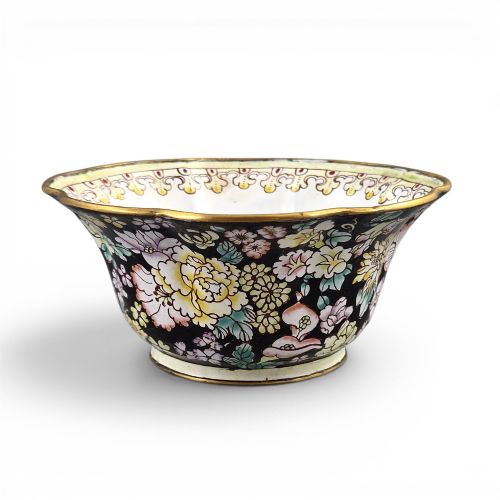
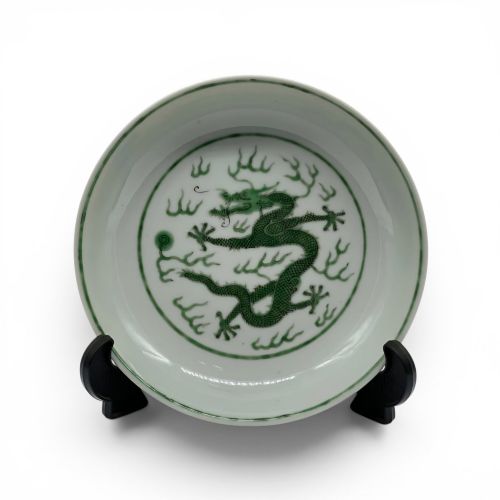
Potters relied heavily on fine porcelain bodies, applying cobalt underglaze, monochrome glazes, and intricate enamel palettes such as famille rose. Artisans also utilised copper-red pigments and gold leaf accents to enrich the surfaces of vases and jars.
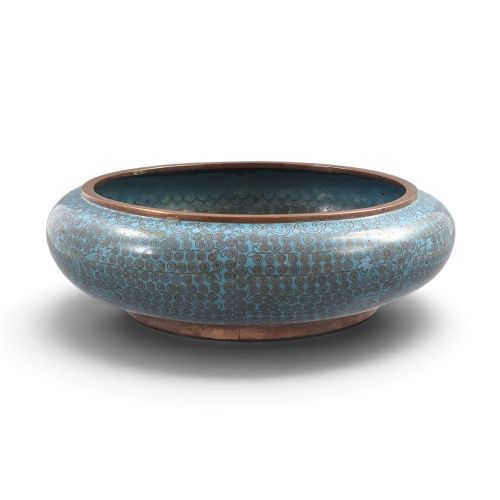
Alternative mediums such as stoneware, earthenware, and cloisonné enamel on copper appear across figures, brush washers, and incense holders. Jingdezhen kilns remained central to porcelain production, while Shiwan kilns produced distinctive glazed pottery figures and animals.
Several listings include watchful Foo dogs and glazed cockerels standing ready to guard the household shelves.
Evaluating Quality
The degree of fineness in painted detail separates standard domestic wares from imperial-style commissions. Mastery of brushwork in underglaze blue, iron-red, and enamel colours dictates the visual depth of floral motifs and mythological figures.
The precision of the potting, the clarity and stability of the glaze, and the crispness of reign marks contribute to the overall execution of each vessel. Pieces displaying careful proportion and deliberate execution command greater attention.
The Late Qing Ceramics Glossary
- Famille rose
- A prominent palette of opaque enamel colours introduced in the Qing dynasty, dominated by pink and rose hues. It was widely used to depict birds, flowers, and figural scenes.
- Guangxu period
- The reign spanning from 1875 to 1908, representing a significant phase of ceramic production documented by numerous marked pieces.
- Bitong
- A traditional cylindrical scholar's brush pot used on desks for holding writing brushes. These items were fashioned from porcelain, pottery, or other materials.
- Meiping
- A high-shouldered vase originally designed for holding plum branches, featuring a narrow neck and small mouth. This classic silhouette appears in blue and white porcelain.
- Shiwan
- A pottery tradition centred in Guangdong province known for heavy stoneware bodies and expressive, thick monochrome or splashed glazes. It produced figural sculptures and animals.
Late Qing Ceramics: Frequently Asked Questions
How were these ceramics used?
Many objects served practical functions within the Qing dynasty scholarly and domestic spheres, such as brush pots for calligraphy tools and teapots for daily service. Other items, including large jardinières, garden seats, and decorative vases, were intended for interior display.
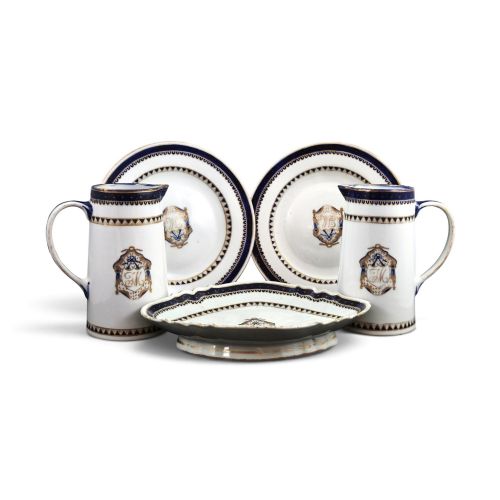
Figural groups and animal sculptures functioned as auspicious ornaments meant to bring good fortune to a household. Punch bowls and service sets were utilised for entertaining guests in both Chinese and export markets.
How do I identify a Guangxu period piece?
Identification often relies on official six-character or four-character reign marks applied to the base of the porcelain. Stylistic indicators, such as specific famille rose palettes and iron-red dragon motifs, also point toward this era.
Comparing the potting style and enamel consistency helps confirm the late nineteenth-century timeframe. Many pieces from this time explicitly reference earlier Kangxi period designs.
How should I care for antique porcelain?
Display these items on stable, flat surfaces away from areas prone to accidental knocks or heavy vibrations. Dust them gently with a soft, dry cloth without applying commercial cleaning agents.
Avoid exposing glazed ceramics to sudden temperature fluctuations or direct sunlight to preserve the integrity of the enamels and gold leaf. Hand-wash only when strictly necessary, using mild soap and lukewarm water.