
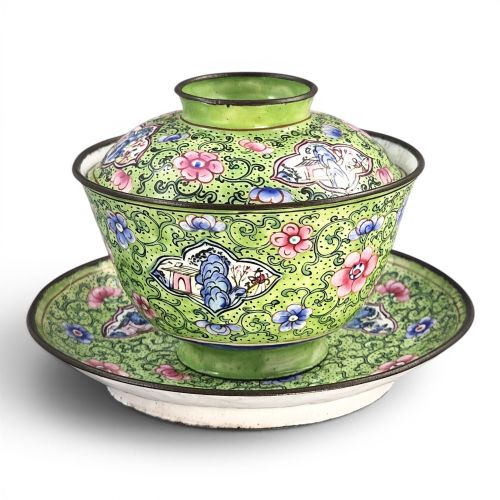


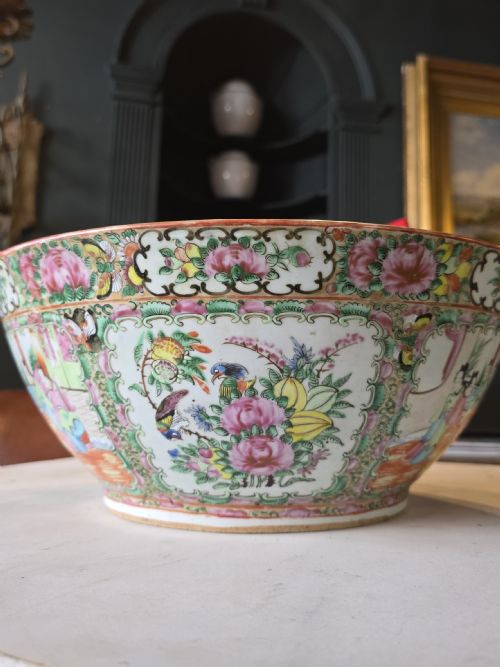


Enamelled Chinese Bowl
These pieces are an enamelled chinese bowl, sought after for their rich polychrome palettes and hand-painted motifs that anchor a room.
Enamelled Chinese Bowl
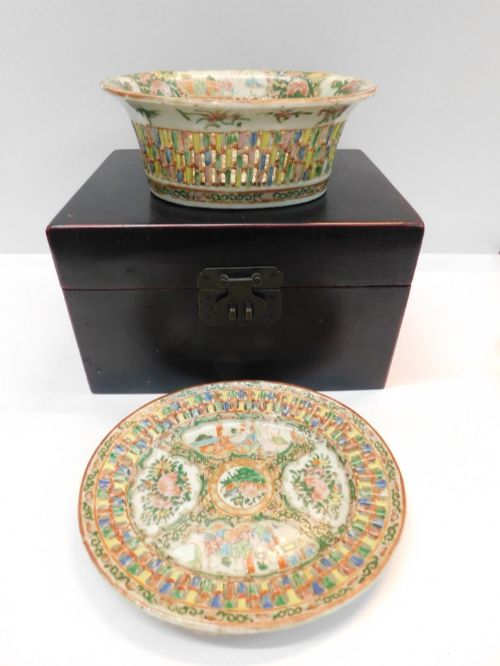
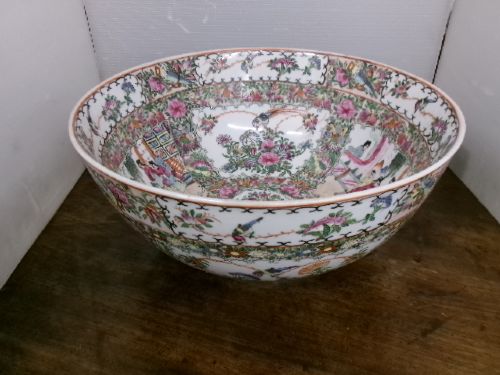
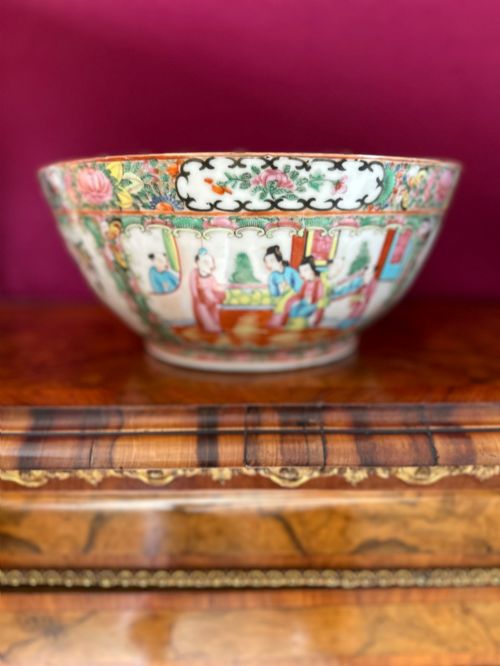
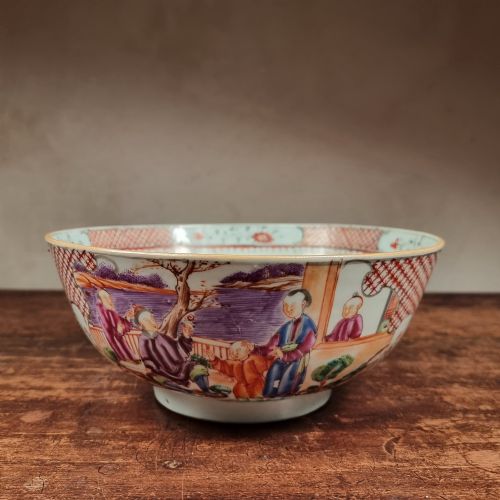
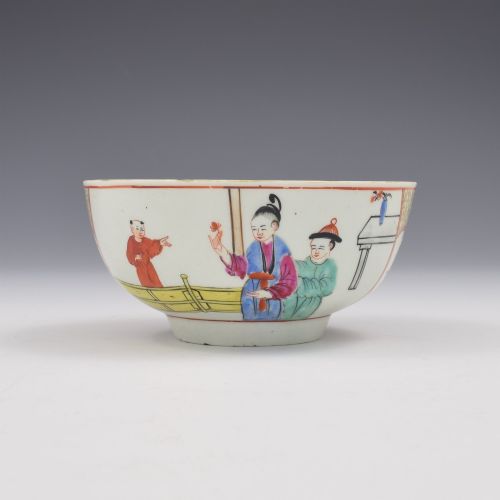
An enamelled chinese bowl brings centuries of decorative tradition to the table, ranging from substantial punch bowls to delicate tea vessels. Collectors often encounter nineteenth-century Canton pieces alongside earlier export wares bearing intricate floral or figural scenes.
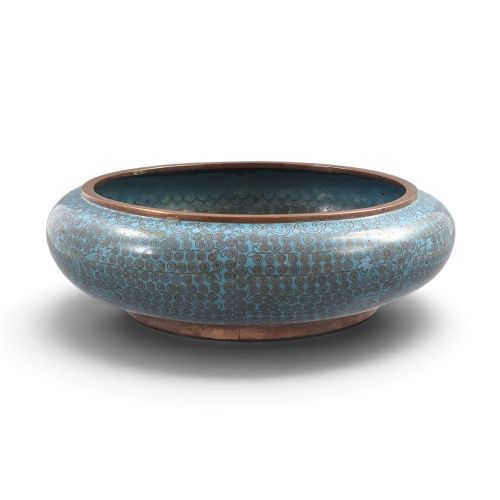
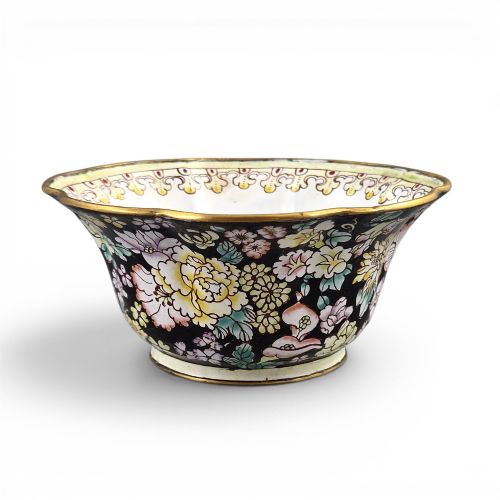
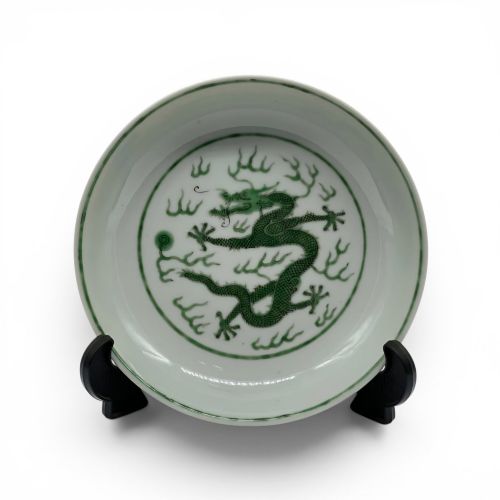
The selection encompasses diverse styles such as Famille Rose and cloisonné, reflecting both imperial commissions and wares made for Western trade. Forms span from deep garden vessels to pedestal dishes and footed bowls.
Objects on display bridge multiple dynasties and Victorian reinterpretations, showing how potters adapted classic forms over generations. These vessels functioned as domestic items and display pieces alike.
How They Were Made
Artisans applied overglaze enamels directly onto fired porcelain bodies, using metallic oxides to achieve vibrant pinks, greens and iron reds. Gilding and gold leaf frequently highlight the rims and key details of the design.
Cloisonné pieces utilised thin copper or bronze wire soldered to metal bases to create compartments for enamel pastes before firing. Copper substrates also served as foundations for painted enamel-on-copper vessels.
Eggshell porcelain techniques produced remarkably thin, translucent walls that required exceptional control during kiln firing. Artisans painted complex scenes by hand, often incorporating cobalt blue underglazes beneath the polychrome layers.
Forms include punch bowls, jardinières, brush washers, tea sets, and tazzas from Qing dynasty makers.
What Varies in Quality
Brushwork precision separates master execution from standard commercial output, visible in the careful delineation of figures, feathers and foliage. Fine shading and registration of the enamel colours indicate superior workshop standards.
The density and purity of the gilding differ across pieces, with higher-tier examples retaining thick gold leaf applied to accents and borders. Metalwork mounts on cloisonné items demonstrate varying degrees of wire uniformity and polishing.
Substrate weight and glaze consistency reveal the care taken during production, from heavy bronze vessels to feather-light eggshell porcelain. Marks denoting reign periods or specific makers add historical context to individual pieces.
The Enamelled Chinese Bowl Glossary
- Famille Rose
- A palette characterised by opaque pink enamels introduced during the Qing dynasty. This grouping includes related ceramic families defined by their dominant colour schemes.
- Cloisonne
- Enamelling technique using metal wires to form cells that hold coloured pastes. The surface is subsequently fired and polished smooth.
- Canton
- Term for export porcelain decorated in Guangdong province with dense panels of figures, birds and flowers. These wares were produced in large quantities for European and American markets.
- Gilding
- Application of gold leaf or powdered gold to the surface of porcelain or metal. It accentuates borders, motifs and rims.
- Export Porcelain
- Ceramics manufactured in China specifically for overseas markets. These designs often blended traditional Eastern shapes with motifs requested by Western buyers.
- Overglaze Enamel
- Pigments fused to a previously fired and glazed ceramic surface during a second, lower-temperature firing. This method allows for a broad spectrum of non-ceramic colours.
Enamelled Chinese Bowl: Frequently Asked Questions
What is a Canton bowl?
A Canton bowl is a nineteenth-century export piece typically decorated with vibrant panels of figures, birds and butterflies amid floral grounds. These large vessels were often used for punch or centrepiece display.
Potters in Guangdong province produced them extensively for Western trade houses. Their distinctive palette relies heavily on rose pinks and greens.
How do I date a Chinese bowl?
Dating relies on examining the reign marks, potting styles, enamel chemistry and decorative motifs present on the piece. Eighteenth-century examples often display thinner bodies and softer pallet colours compared to later Victorian items.
Export records and stylistic shifts between the Qianlong and Guangxu periods provide further clues. Comparing baseline forms helps narrow down the decade of manufacture.
How were cloisonne bowls made?
Cloisonne bowls were constructed by soldering flat metal wires onto a copper or bronze base to outline intricate patterns. Artisans filled the resulting cells with coloured enamel pastes before firing the piece in a kiln.
The surface was then ground down and polished until the metal wires and glass pastes formed a smooth plane. This labour-intensive method produced durable decorative objects.