


Late Georgian Mahogany Chest
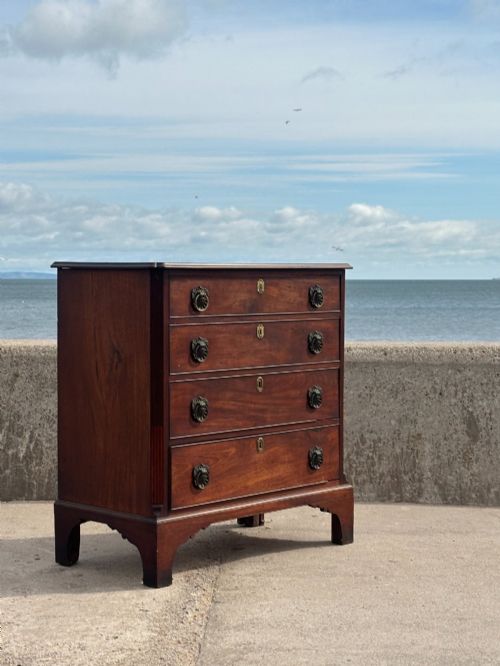
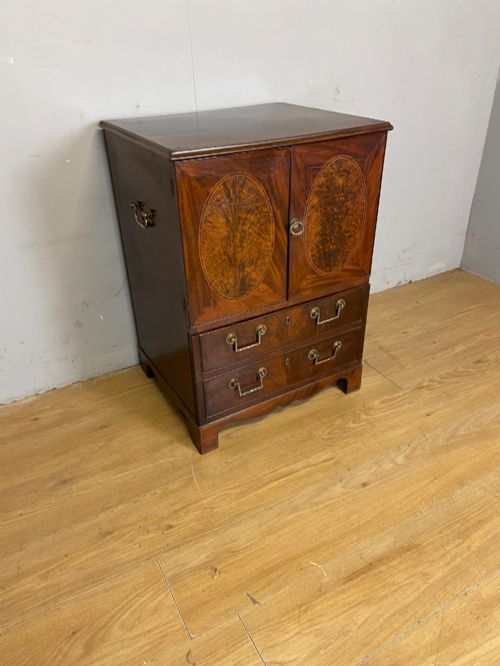
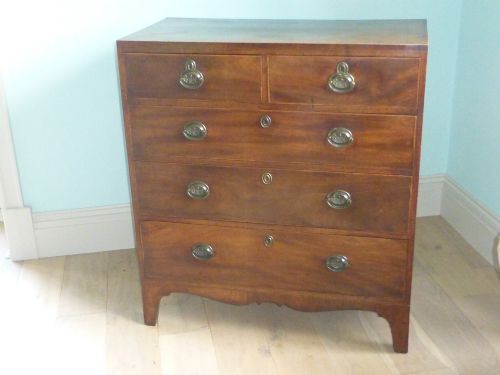
A late georgian mahogany chest offers functional storage paired with rich cabinet-making traditions from the turn of the nineteenth century.

Late Georgian Mahogany Chest
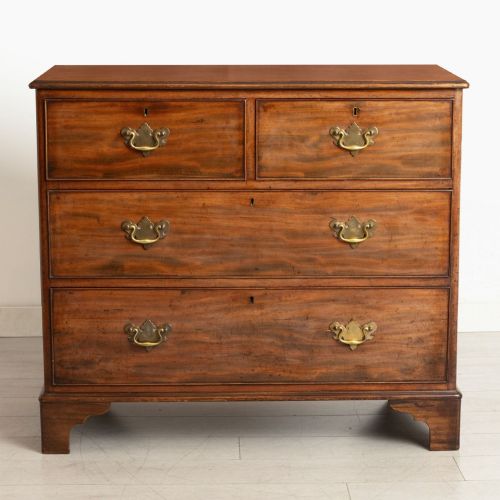
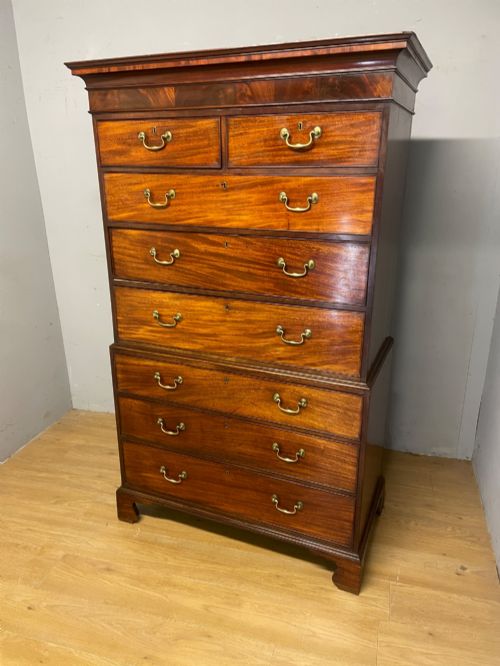
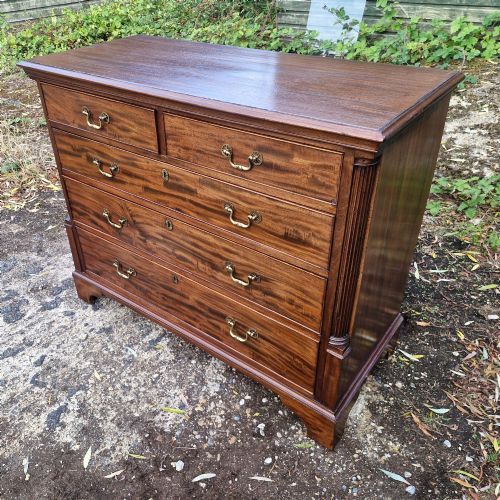
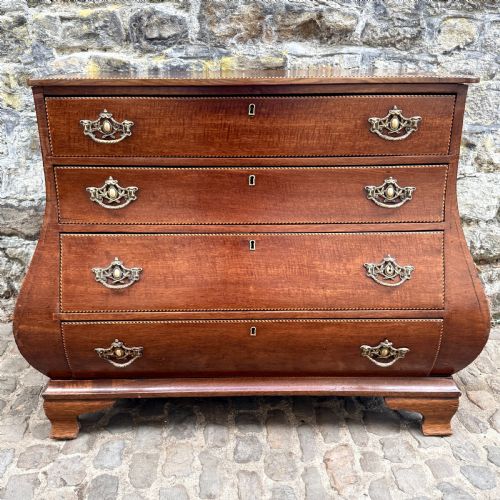
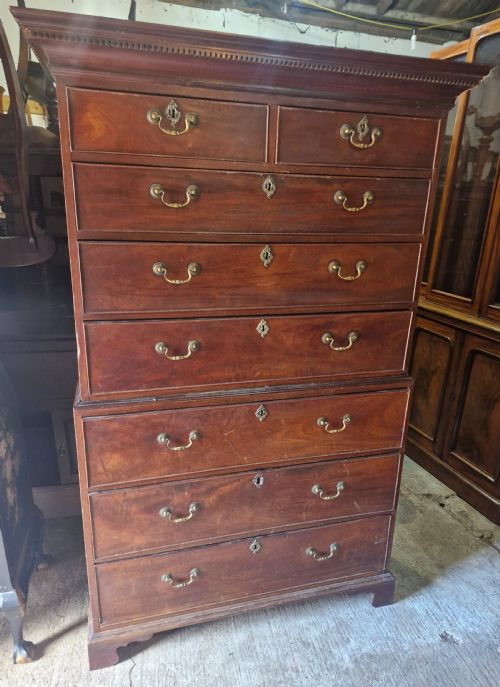
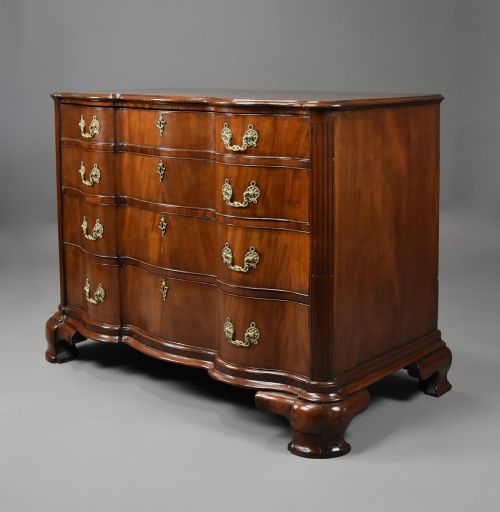
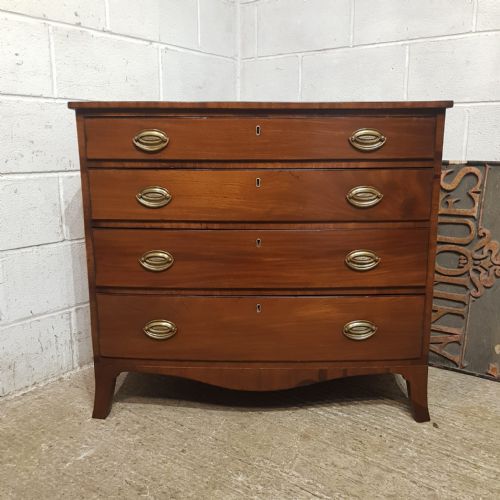
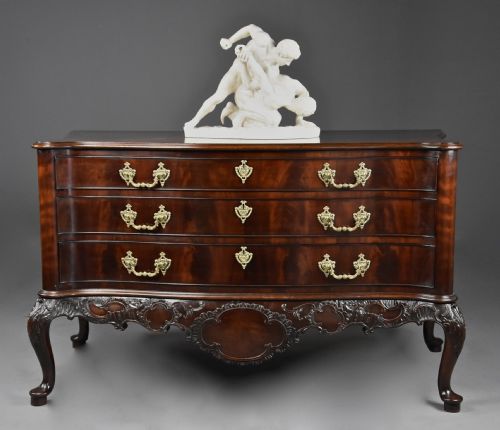
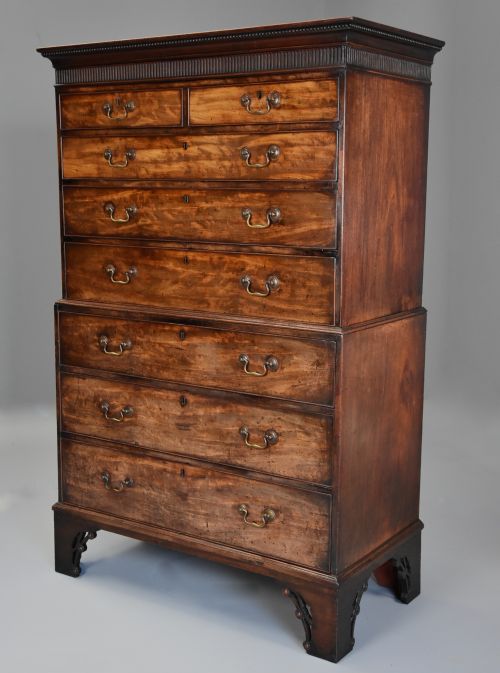
A late georgian mahogany chest is primarily encountered as a rectangular chest of drawers, though variants include tallboys, commodes, and bow-fronted designs.
These pieces emerge predominantly from the late eighteenth and early nineteenth centuries, aligning with the Georgian, George III, and Regency periods.
Makers of the era utilised dense tropical timber to create sturdy domestic furniture intended for bedrooms and living spaces.
Materials and Construction
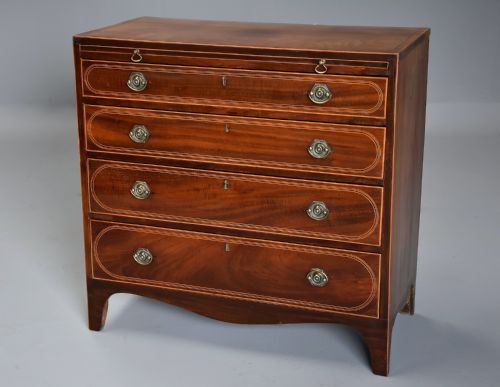
Cabinet makers relied heavily on solid mahogany and mahogany veneers laid over secondary timbers such as pine, often accentuating drawer fronts with decorative boxwood or satinwood inlay.
Drawers were typically joined using hand-cut dovetails, while brass hardware, including drop handles and oval backplates, secured the operational fronts.
Secondary woods line the interiors and drawer bases, revealing regional provincial traits alongside refined London workshop practices.
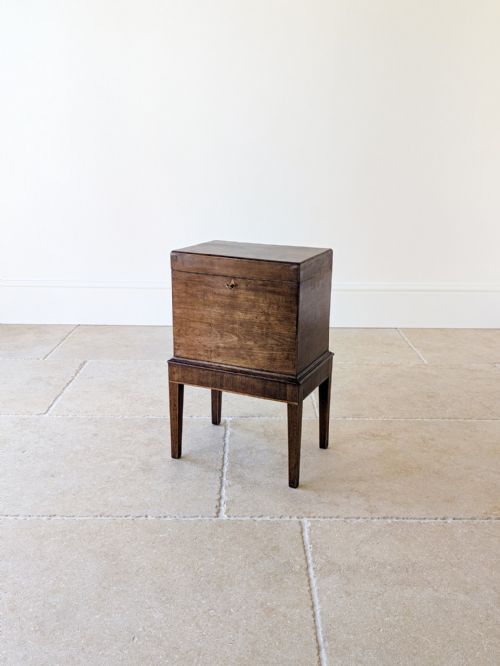
Among the storage pieces, a specialist collectors cabinet houses forty separate small drawers for natural history specimens.
Factors of Quality
Quality rests significantly on the grain selection of the mahogany, with highly figured flame patterns commanding greater attention than plain stock.
The precision of the drawer dovetailing, the retention of original brass mounts, and the preservation of a warm surface patina separate standard utility pieces from finer examples.
Druce & Co
The Late Georgian Mahogany Chest Glossary
- Bow front
- A cabinet front that curves outward in a convex shape. This profile gained popularity during the late eighteenth century.
- Tallboy
- A tall chest of drawers built in two sections, often featuring a smaller chest stacked upon a larger base. It maximises vertical storage.
- Patina
- The deep gloss and surface character developed on wood over decades of handling and polishing. It indicates age and consistent care.
- Dovetail
- A joint formed by interlocking wedge-shaped fingers, used to connect drawer sides securely. Hand-cut variations help date early furniture.
- Caddy top
- A tabletop with a moulded edge that overhangs the carcass, reminiscent of the lid of a tea caddy. It is frequently seen on Georgian case pieces.
Late Georgian Mahogany Chest: Frequently Asked Questions
How do I date a Georgian chest?
Dating relies on examining construction methods, such as the regularity of hand-cut dovetails and the style of brass handles. Secondary woods and overall proportions also offer clues to the specific decade of manufacture.
Early pieces often display different carcass depths and foot styles compared to items produced further into the nineteenth century.
What is a tallboy chest?
A tallboy is a stacked form comprising two distinct sections of drawers, allowing increased storage without expanding floor space. These pieces were frequently placed in bedrooms for linens and garments.
The upper section typically rests on a larger lower chest, sometimes supported on bracket feet.
How should I maintain mahogany furniture?
Maintain the wood by applying natural beeswax occasionally and buffing it with a soft cloth. Avoid placing pieces near direct heat sources or strong sunlight to prevent timber shrinkage.
Consistent indoor humidity protects both the solid timber and the delicate interior veneers.
Are bow front chests authentic?
Curved fronts were a standard design choice during the Georgian and Regency periods, executed by skilled cabinet makers. Inspecting the drawer sides reveals how the curved frame was constructed to fit the carcass.
Original carcasses show consistent ageing between the curved drawer fronts and the supporting internal framework.