

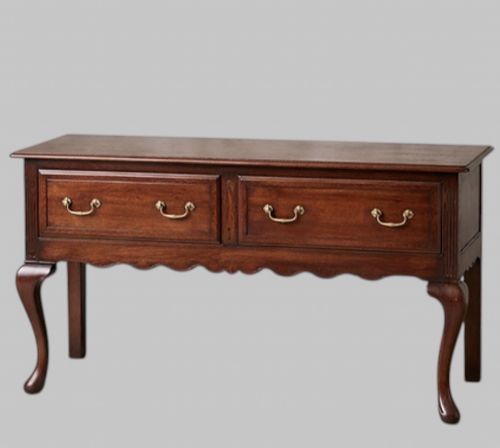


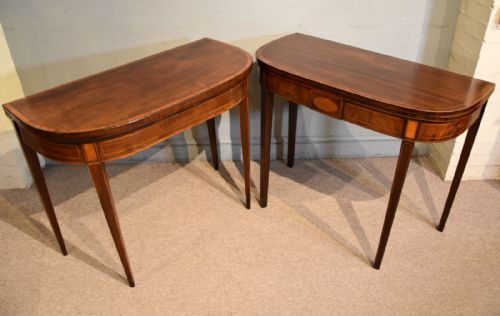
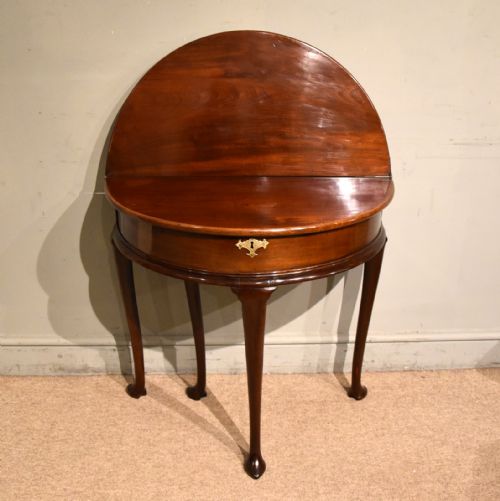


Late Georgian Console Table
A late georgian console table brings architectural grace and refined timberwork to a hallway or drawing room.
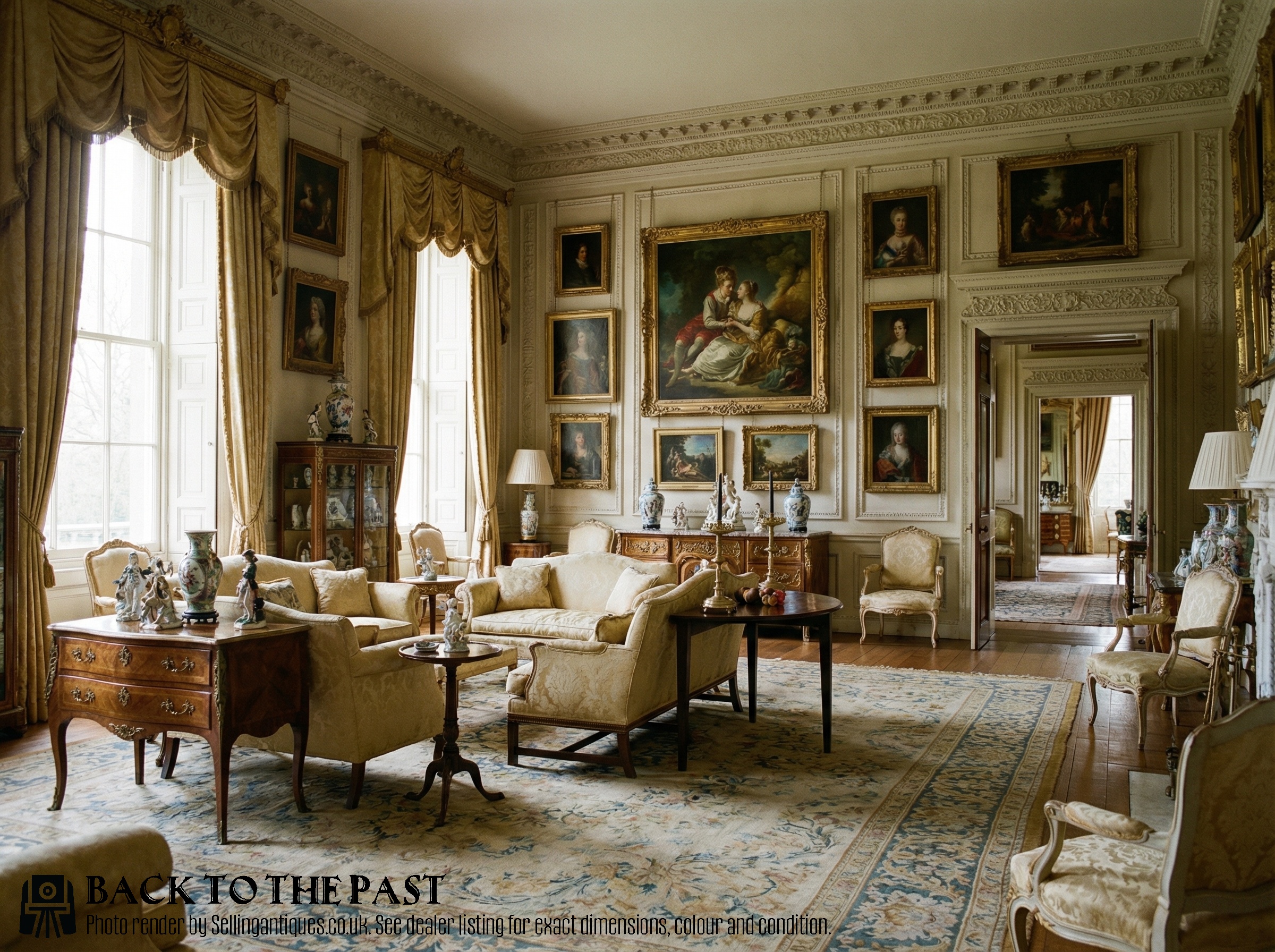
Late Georgian Console Table
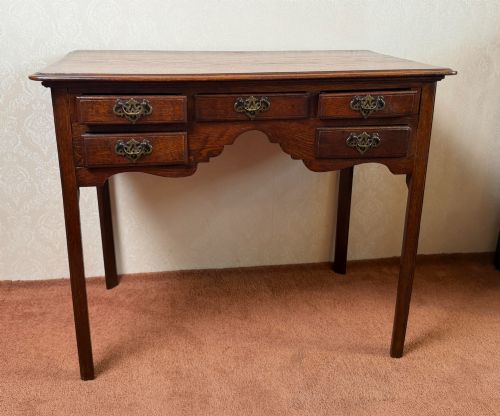
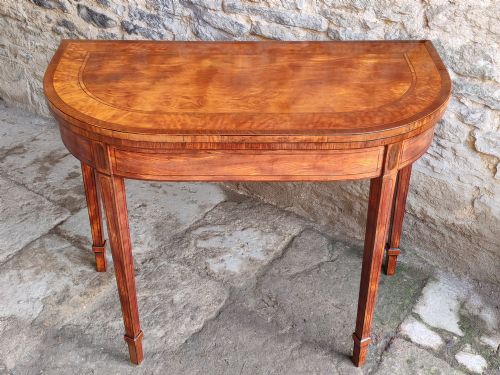
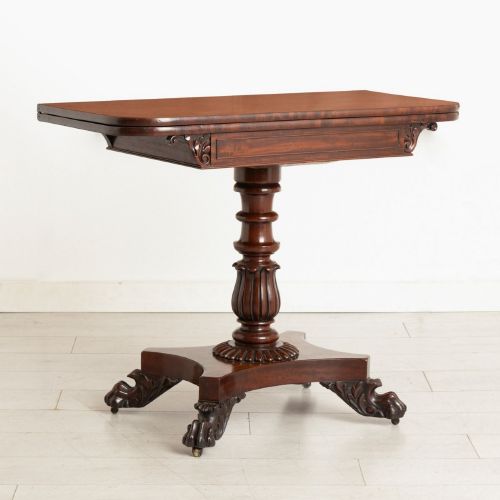
A late georgian console table sits against the wall, often taking the form of a side table, card table, or tea table produced during the late eighteenth or early nineteenth century. The examples met most frequently on this page date from the Georgian and Regency periods, rendered in mahogany, satinwood, or rosewood.
Makers of this era also produced serving tables, pier tables, and library tables that share the narrow profile and restrained height typical of console furniture. Pieces span from the late 1700s through to later revival styles referencing the same classical vocabulary.
Materials and construction
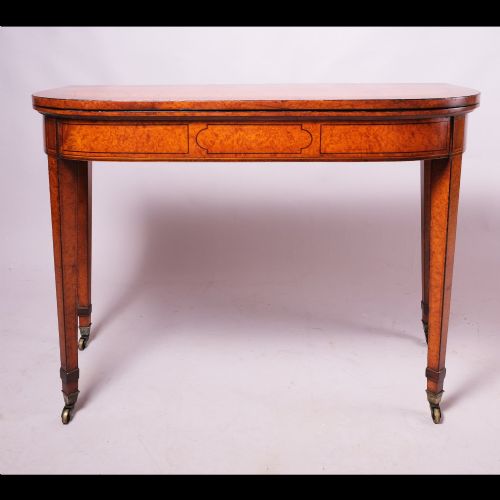
Cabinetmakers utilised dense timbers such as mahogany, rosewood, and oak for structural carcasses, frequently applying finer veneers of satinwood or amboyna across table tops and friezes. Inlaid details incorporate boxwood and ebony stringing, while secondary woods like oak line the interior drawers.
Joinery methods rely on precise hand-cut dovetails for drawer construction and pegged mortise and tenon frames. Some surfaces receive hand-painted geometric or decorative schemes, occasionally applied in later decades to transform plain timber.
Late Georgian Console Table Retail Price Guide 2026
Typical asking prices for late georgian console table among the pieces listed under this phrase on Sellingantiques today, from the lower quarter to the upper quarter. They describe what is for sale here now, not the wider market.
Some tables hide secret compartments inside their folding leaves for stabling clandestine playing cards.
Evaluating the work
Quality rests upon the selection of figured timber and the crispness of inlaid veneers. Grain patterns matched symmetrically across a fold-over top demonstrate greater skill from the workshop.
Construction details distinguish finer examples, such as original brass hardware, secondary oak linings, and hand-carved neo-classical motifs that remain sharp rather than softened by excessive sanding.
Gillows
The Late Georgian Console Table Glossary
- Console table
- A table designed to stand against a wall, historically supported by brackets or legs at the front.
- Card table
- A folding table with a hinged top that opens to reveal a baize-lined surface for playing games.
- Satinwood
- A durable, lustrous yellowish timber imported from the tropics and used extensively for veneering.
- Stringing
- Thin lines of contrasting wood inlaid into the surface of a piece to create geometric borders.
- Frieze
- The horizontal band situated directly beneath the top surface of the table.
Late Georgian Console Table: Frequently Asked Questions
What is a late georgian console table used for?
These tables provide a decorative surface in narrow spaces like hallways, reception rooms, and landings. Their slim proportions allow them to sit flush against a wall without obstructing pathways.
Historically, they held ornamental items, lighting, or served a dual purpose as gaming and tea tables when fitted with folding leaves.
How do I identify a genuine piece?
Examination of the timber, construction methods, and secondary woods helps determine age. Look for hand-cut dovetailing in the drawer construction and signs of age-appropriate wear to the underside.
Period pieces display distinct tooling marks from hand planes rather than the uniform regularity associated with modern machinery.
Where should I place it at home?
A hallway or entrance foyer suits the shallow depth of these tables best. They also function well beneath a mirror in a dining room or drawing room.
Keep them away from direct heat sources and strong sunlight to protect delicate veneers and aged timber finishes.
What distinguishes the various wood types?
Mahogany offers a deep reddish-brown tone that deepens with age, while satinwood presents a bright, golden-yellow appearance with a natural shimmer. Rosewood exhibits darker grain markings and a heavier weight.
Craftsmen often combined these timbers to create contrasting borders and central panels.