



18th Century Campaign Furniture
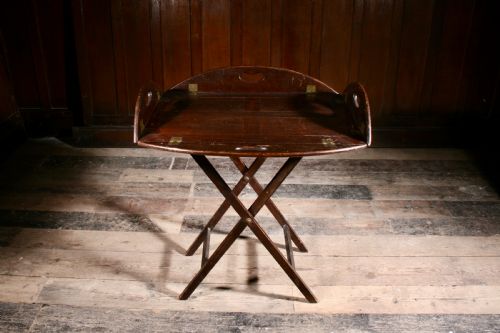
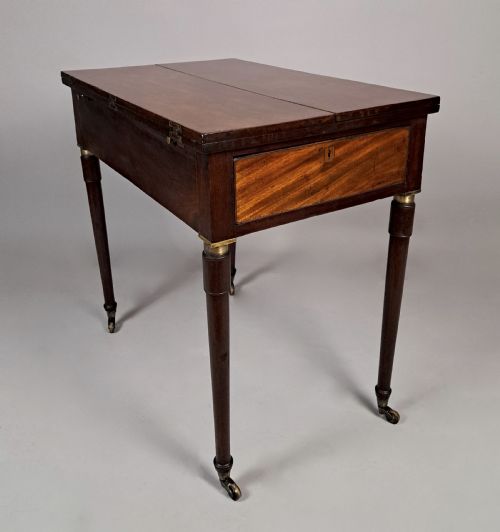
These pieces of 18th century campaign furniture offer portable ingenuity and robust construction, designed for officers on the move.
18th Century Campaign Furniture
When you search for 18th century campaign furniture, you are looking at utilitarian pieces designed to be dismantled, packed and transported across continents for military officers and travellers. The pieces listed here span the Georgian and 18th century periods, originating from English workshops as well as Dutch colonial and Anglo-Indian traditions.
The materials reflect the distant regions where officers served, moving beyond domestic timbers to embrace dense tropical hardwoods suited to changing climates. Such pieces combine austere utility with the refined cabinet-making standards of the Georgian era.
How They Were Made
Makers utilised dense timbers such as Cuban mahogany, padouk, solid teak and walnut to withstand the rigours of transit and humidity. These heavy woods were frequently paired with brass binding, corner plates and flush-fitting hardware to protect vulnerable edges from knocks.
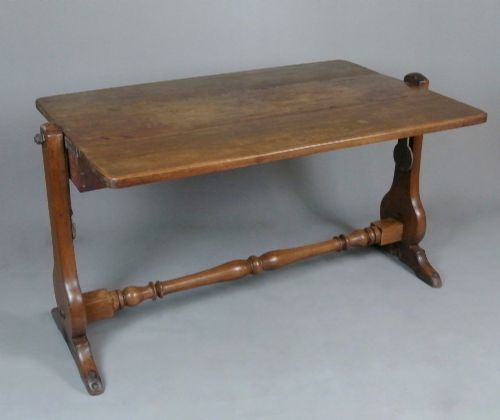
Construction relied on clever dismantling systems, including removable legs, folding X-frames and two-part chests that separated into manageable sections. Joints had to remain stable despite constant assembly and disassembly, requiring precise joinery from the cabinet-maker.
18th Century Campaign Furniture Retail Price Guide 2026
Typical asking prices for 18th century campaign furniture among the pieces listed under this phrase on Sellingantiques today, from the lower quarter to the upper quarter. They describe what is for sale here now, not the wider market.
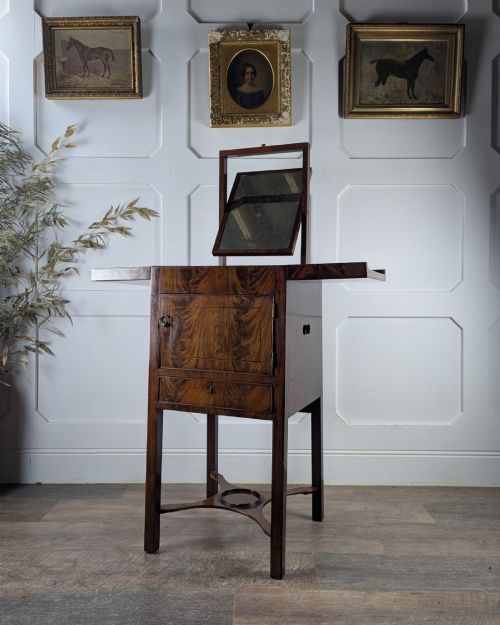
A gentleman could pack his entire morning routine into a folding washstand complete with glass storage and concealable basin.
What Varies in Quality
Quality in these items rests upon the ingenuity of the dismantling mechanism and the precision with which brass hardware is fitted into the timber. Superior pieces exhibit seamless joints when assembled, without any wobble in the folding frames or loose fittings in the brass work.
The choice of timber also dictates the standard of the piece, with richly figured Cuban mahogany or dense padouk sitting at the upper end of the scale. The crispness of the turned legs and the retention of original carrying handles further separate standard field equipment from high-status officer commissions.
Gillows
The 18th Century Campaign Furniture Glossary
- Campaign chest
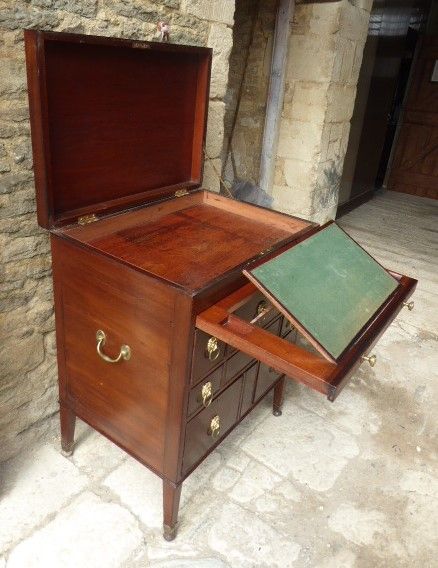
- A chest of drawers built in two separate sections designed to be stacked and secured with side carrying handles for transport.
- Cellarette
- A lockable container used for holding bottles of wine, often lined and fitted with internal partitions.
- Padouk
- A heavy tropical hardwood with a reddish hue, frequently utilised in Anglo-Indian furniture making.
- Baize
- A coarse woollen fabric resembling felt, often used to line the tops of gaming or writing tables.
- Deception table
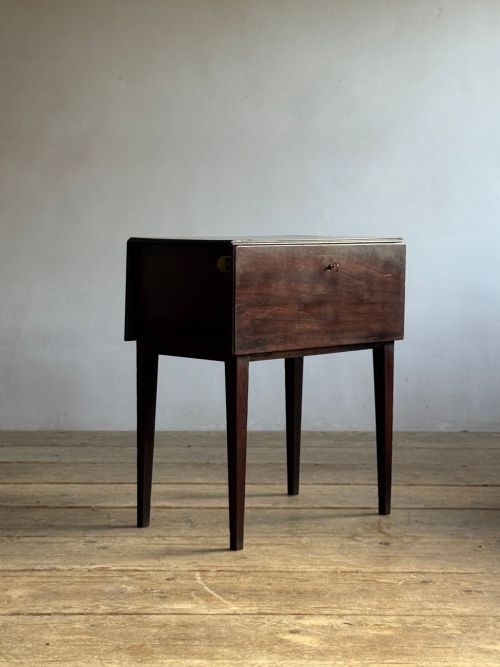
- A multi-functional piece designed to conceal its primary purpose, appearing as a standard side table until opened.
18th Century Campaign Furniture: Frequently Asked Questions
What woods were used?
Cabinet-makers relied on robust timbers such as mahogany, oak, walnut and satinwood for domestic commissions. For pieces made overseas or intended for colonial service, dense tropical woods like solid teak and padouk were preferred.
These foreign timbers resisted shrinking and warping when exposed to humid climates and sea air.
How was it transported?
Items travelled inside wooden packing crates, strapped to pack animals or stowed in the holds of ships during military campaigns. Chests separated into two distinct halves, while tables folded flat or shed their legs entirely.
Brass corners and strapwork absorbed the heavy impacts of rough terrain and frequent loading.
How do you live with it?
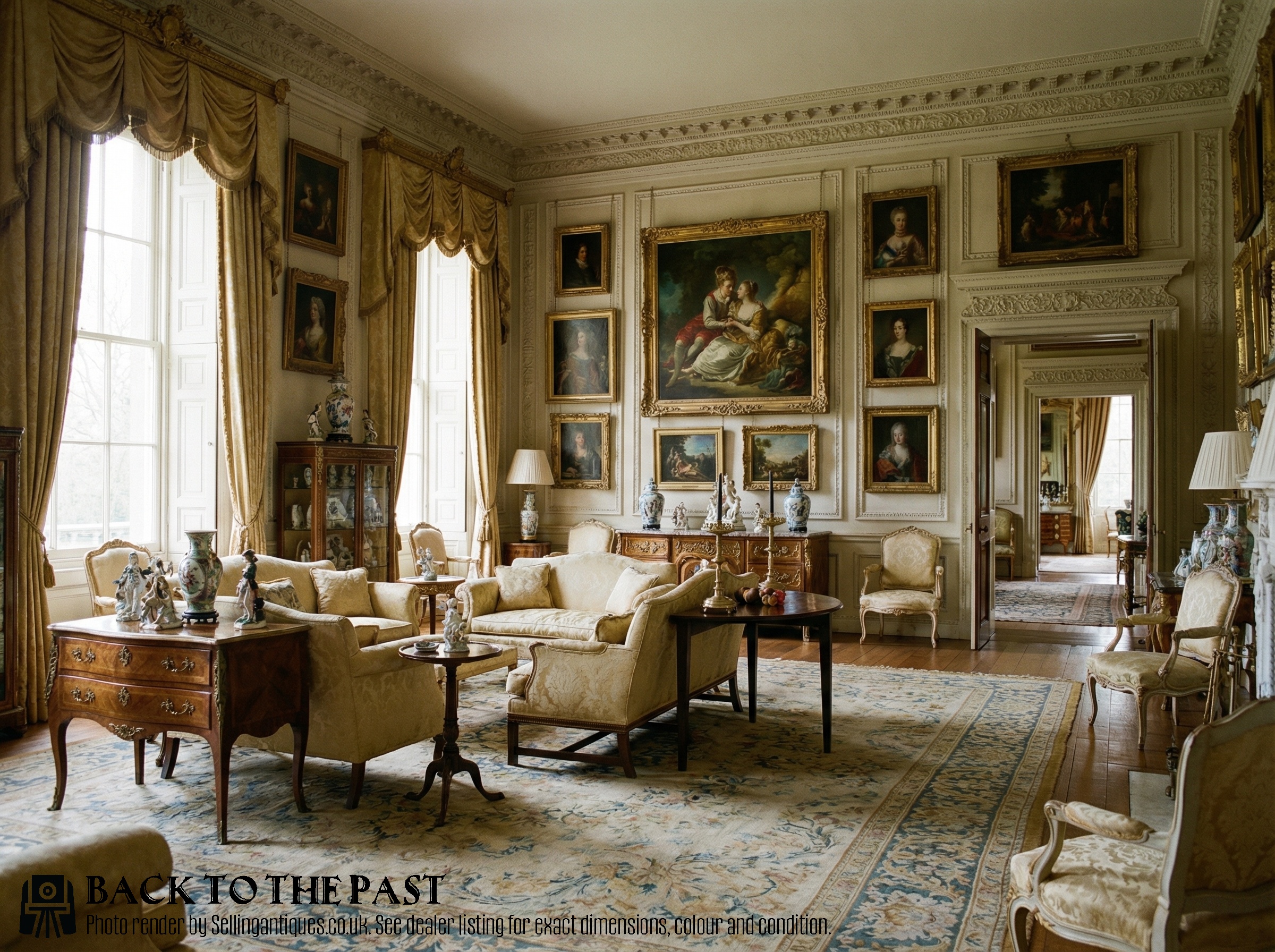
These items suit modern interiors because their folding mechanisms and compact proportions allow them to fit easily into smaller spaces. They function effectively as side tables, washstands or chests of drawers in contemporary rooms.
Their history of travel adds a distinct character without sacrificing everyday practicality.