


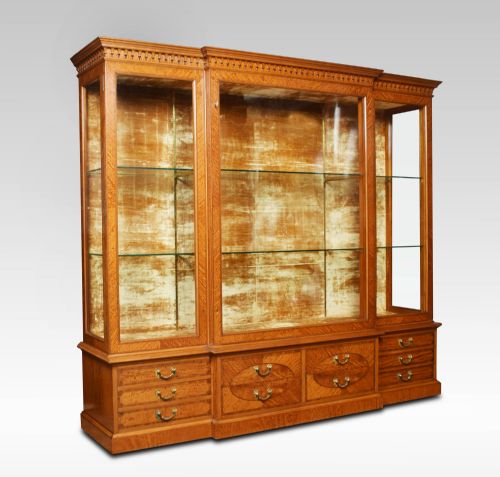

Late 19th Century Vitrine
A late 19th century vitrine brings glass-fronted elegance to rooms, offering a refined stage for cherished collections and curiosities.
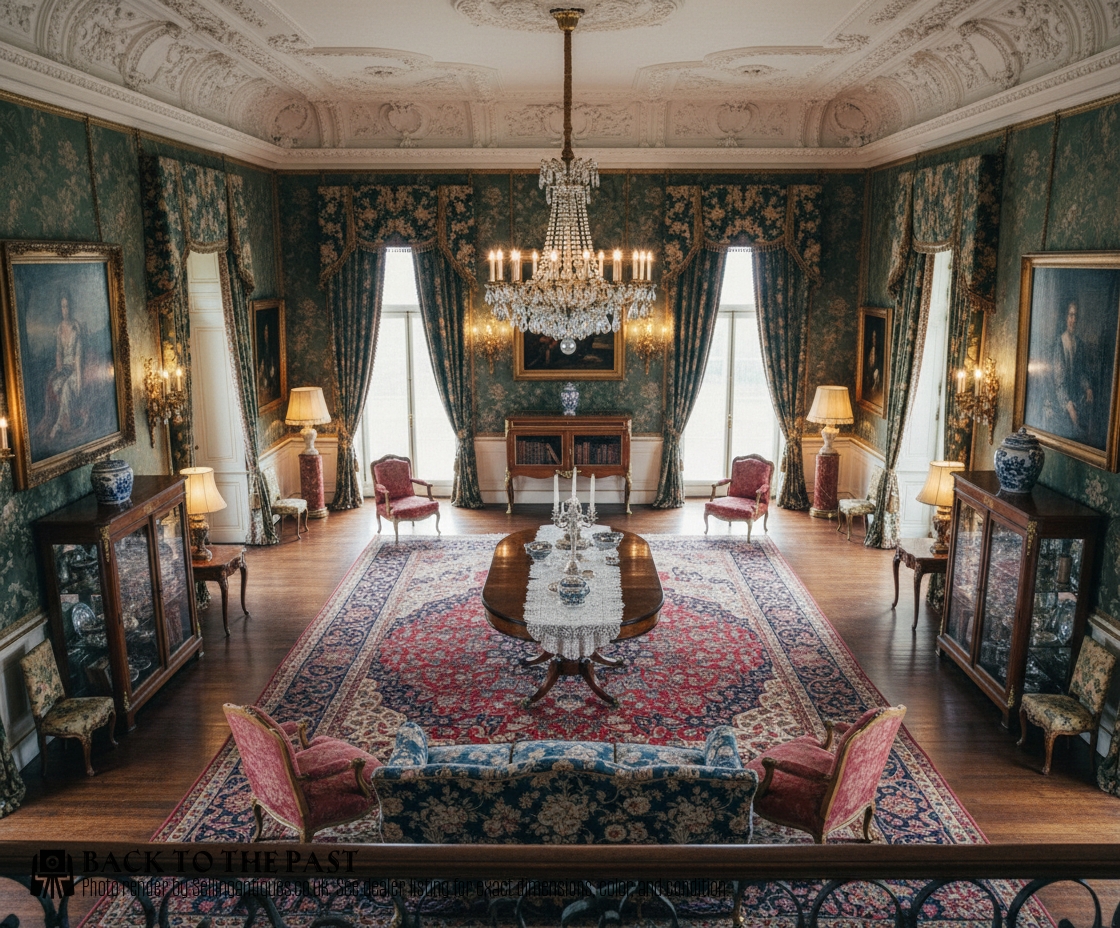
Late 19th Century Vitrine
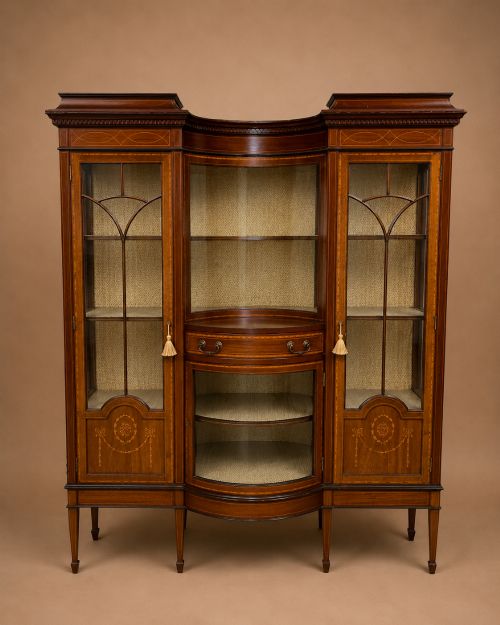
A late 19th century vitrine is primarily a display piece designed to showcase porcelain, books, and small decorative items behind glass panels. These cabinets emerge across styles such as Sheraton Revival, Louis XV Revival, and French Directoire, reflecting the eclectic tastes of the period.
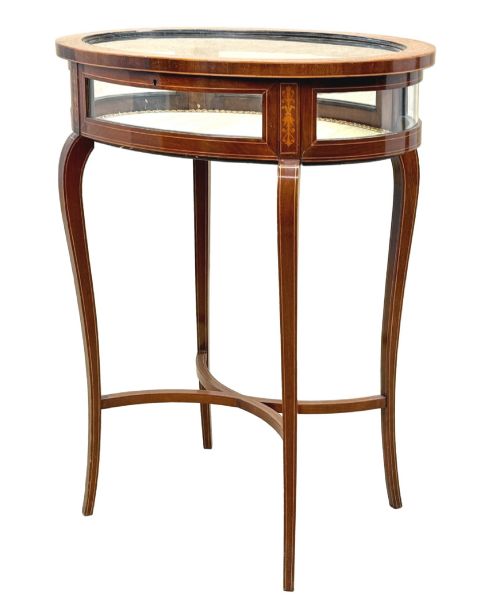
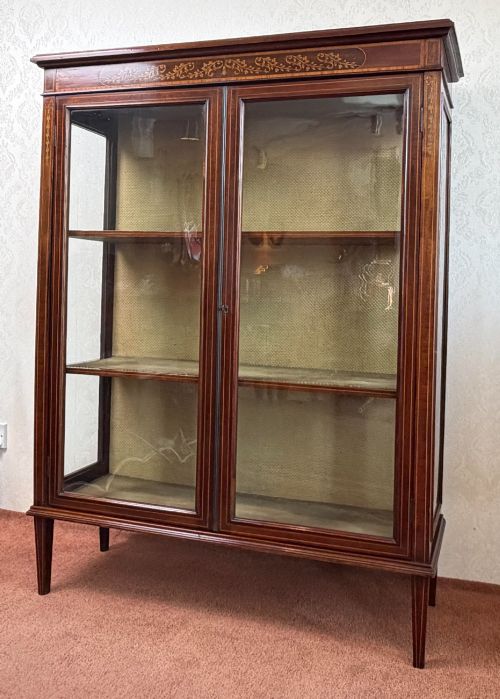
The forms span from tall two-door display cabinets and bookcase hybrids down to low bijouterie tables and oval display cases. Mahogany forms the backbone of these offerings, supplemented by kingwood, satinwood, and oak.
Pieces frequently carry revival labels, drawing on Chippendale, Louis XVI, and French Empire motifs. Buyers encounter both freestanding salon cabinets and specialised museum display cases tailored for intimate collections.
Materials and construction
Makers built these cabinets using dense timbers like mahogany, kingwood, and satinwood, often applying intricate inlay or rich carving to the exterior surfaces. Structural stability required sturdy carcases of oak or walnut beneath decorative veneers.
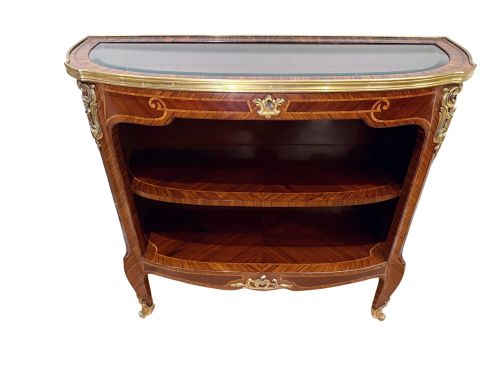
Mounts in ormolu, brass, and gilt metal adorn many examples, framing glass doors and highlighting structural corners. Interiors frequently feature lined shelves of velvet or fabric to cushion displayed objects.
Glazing takes multiple forms, from simple rectangular panes to astragal bars and curved bowfronts. Vernis Martin decoration appears on select French pieces, adding painted pastoral scenes beneath clear varnish.
Mahogany and glass dominate current material records, appearing alongside satinwood, kingwood, and ormolu mounts.
Judging the range
Quality rests on the crispness of the cabinetwork, from the tight mitres of the timber frame to the depth of the carving and inlay. Superior examples integrate cast ormolu mounts with precise finishing rather than simple stamped metal.
The complexity of the glasswork and the choice of cabinet timber set tiers apart, with figured satinwood and kingwood commanding attention over standard mahogany. Interior finishing, including original fabric linings and sound shelving, distinguishes well-preserved originals.
Edwards and Roberts·Angela Kaufman·François Linke
The Late 19th Century Vitrine Glossary
- Vitrine
- A glass-fronted cabinet designed specifically for displaying objects of curiosity or fine porcelain. These pieces rely on extensive glazing to let light reach the contents from multiple angles.
- Bijouterie table
- A glass-topped display table intended for small trinkets, jewellery, and medals. They often stand on slender legs with glazed trays lifting or hinging open.
- Ormolu
- Gilded bronze mounts applied to furniture for decorative contrast. Artisans chased the metal surfaces by hand to create sharp highlights against dark timbers.
- Vernis Martin
- A simulated Japanese lacquer technique developed in France, using translucent varnishes over painted decorations. It appears on elite French display pieces of the era.
- Astragal glazed
- Glass secured within a framework of wooden or metal bars dividing the door. This traditional method creates geometric panes across the front of a bookcase or cabinet.
Late 19th Century Vitrine: Frequently Asked Questions
What is a late 19th century vitrine?
A late 19th century vitrine is a glazed cabinet built to exhibit decorative objects, books, and porcelain behind glass panels. These items range from tall salon display cases to low tables.
They reflect historical revival styles popular towards the end of the nineteenth century, utilising fine timbers and metal mounts.
How do I style a vitrine?
Living with these cabinets involves placing them where natural light enhances the glazed display area without fading interior fabrics. They suit reception rooms and studies as focal points for curated collections.
Consider the scale of the room and match the timber tone, whether mahogany or satinwood, with existing furnishings.
What are bijouterie tables?
Bijouterie tables are specialised display furniture featuring a glazed top and a shallow compartment for small personal items. They act as working tables and showcases combined.
Owners typically use them for medals, coins, and delicate ornaments that benefit from top-down viewing.
How to tell periods apart?
Differentiating periods relies on identifying specific revival motifs, timber choices, and construction methods associated with late Victorian and Edwardian cabinetmakers. French pieces often feature ormolu mounts and Vernis Martin work.
English examples lean towards mahogany carcases with Sheraton or Chippendale revival details.