


Late 19th Century Light
Late 19th century light fixtures illuminate period interiors with the warm glow of brass, bronze, and glass fashioned during the Victorian era.
Late 19th Century Light
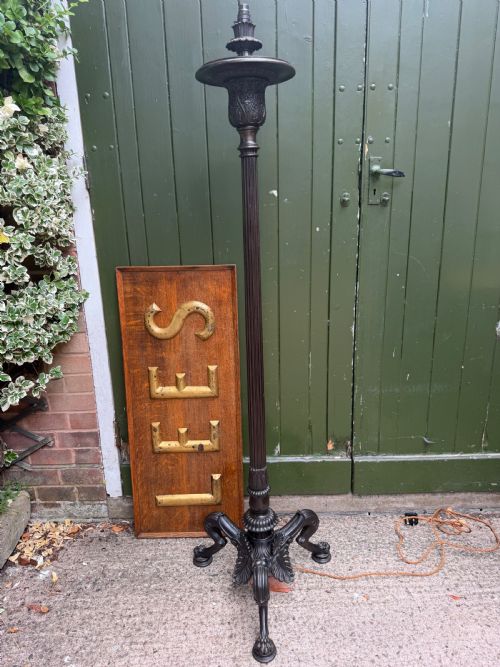
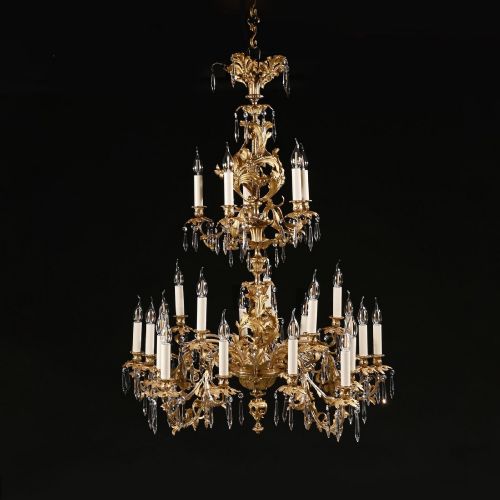
A late 19th century light encompasses a diverse array of domestic illumination, ranging from stately floor standing oil lamps to intricate wall sconces and grand chandeliers. When exploring this phrase, buyers encounter objects designed for both candle power and early electricity across various domestic settings.
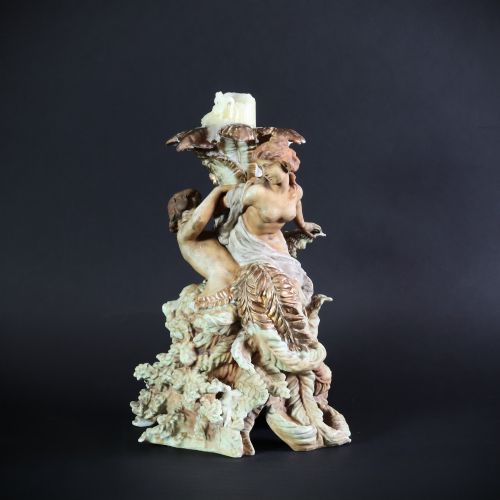
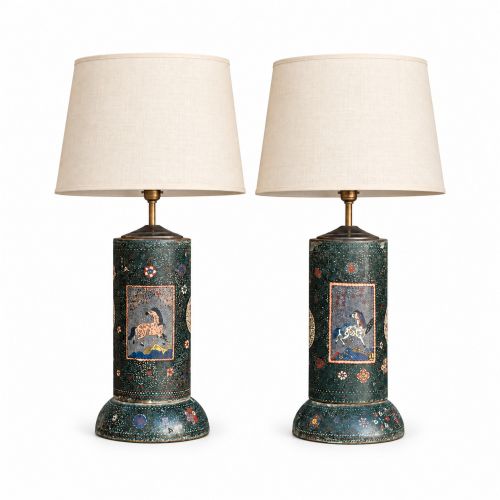
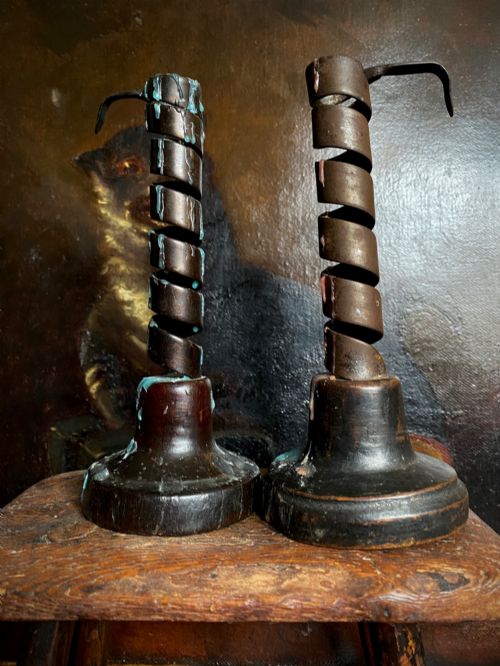
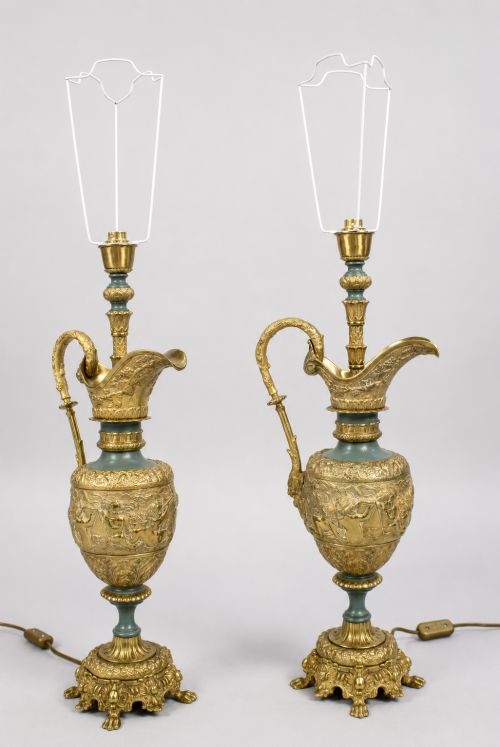
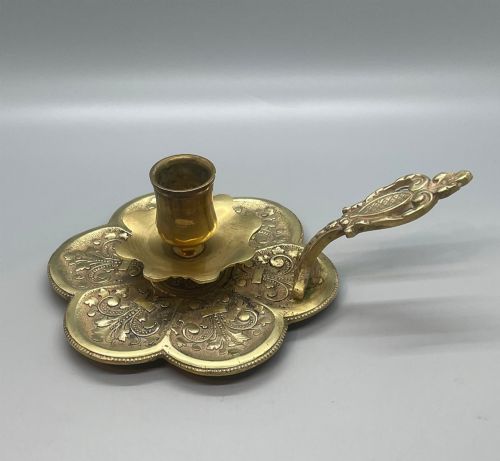
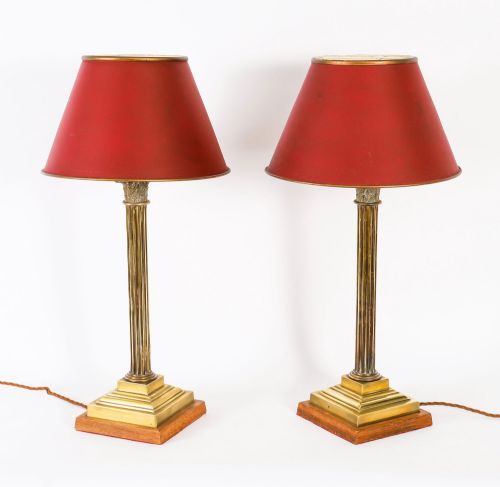
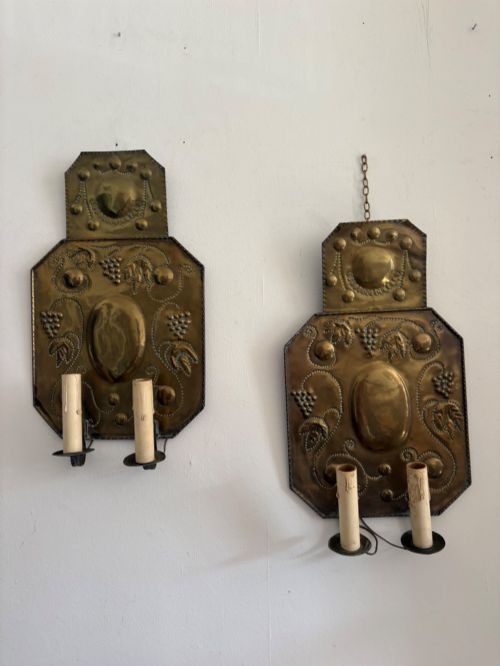
The prevailing examples on this page are table lamps, candlesticks, and wall sconces produced in continental European workshops, particularly in France. These pieces frequently draw upon historical revivals such as French Rococo and Louis XVI styles.
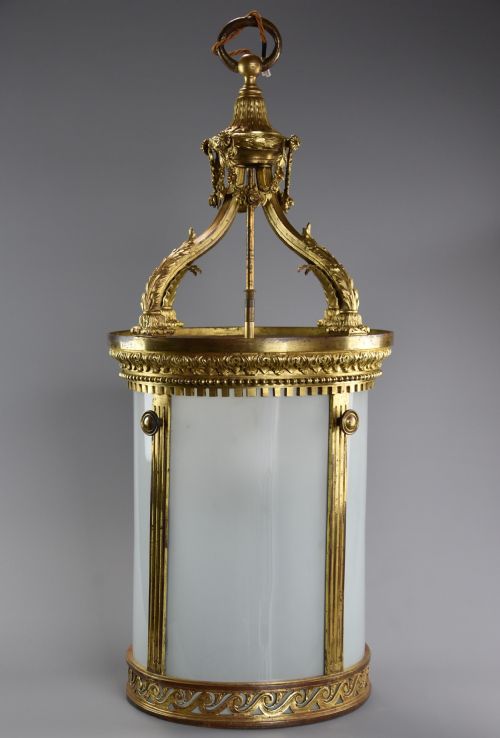
Beyond standard domestic brassware, the selection includes specialised lighting such as hall lanterns, girandoles, and glass lustres. Each form reflects the eclectic aesthetic tastes prevalent towards the end of the Victorian period.
Materials and construction
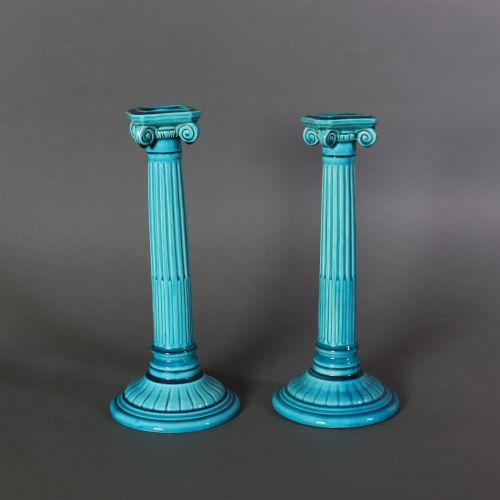
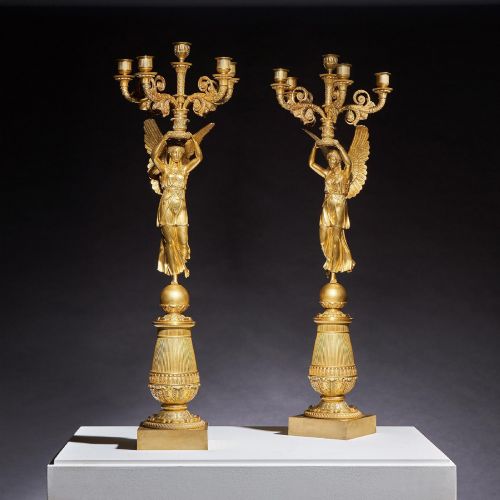
Metalwork dominates the construction of these pieces, utilising cast brass, gilt bronze, and ormolu often shaped through elaborate repoussé or chasing techniques. Foundries combined these metallic mounts with ceramic bodies, cloisonné, or rouge marble to achieve decorative contrast.
Glass and porcelain components, including cranberry glass and pâte-sur-pâte panels, were integrated into lamp bodies and shade fittings. Workshops employed skilled glassblowers and ceramicists to produce decorative elements that complemented the heavy metal mountings.
Late 19th Century Light Retail Price Guide 2026
Typical asking prices for late 19th century light among the pieces listed under this phrase on Sellingantiques today, from the lower quarter to the upper quarter. They describe what is for sale here now, not the wider market.
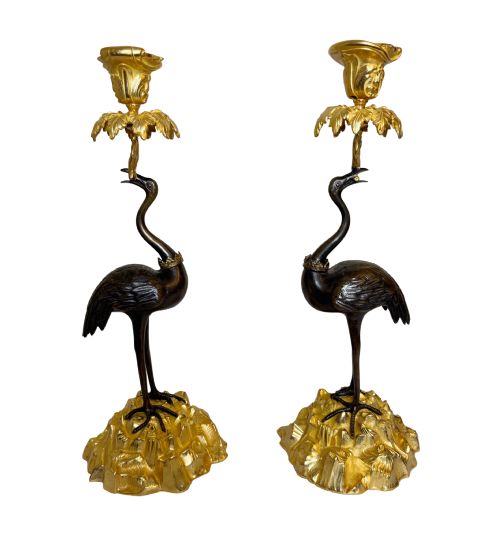
Keep an eye out for a pair of gilt bronze candle sticks featuring an unexpected flamingo motif.
Judging quality and craftsmanship
The hierarchy of quality rests primarily on the crispness of the casting and the depth of the chased detail in the metal mounts. Superior pieces display sharply defined motifs and careful hand-finishing, whereas lesser items show softer edges from worn moulds.
The integration of materials dictates value, distinguishing items where porcelain, marble, or glass are harmoniously fitted to gilt bronze from those with simpler, uniform brass construction. Maker attribution and the complexity of multi-light configurations also separate standard production from exceptional examples.
Burmantofts Faience·Villeroy and Boch·Pierre Philippe Thomire·Wm Tonks and Sons·Dr Christopher Dresser
The Late 19th Century Light Glossary
- Ormolu
- A technique of applying finely ground high-carat gold to an object of bronze, prevalent in French decorative metalwork. This process yields a rich, durable golden finish on decorative mounts.
- Candelabra
- A branched candlestick designed to hold multiple candles simultaneously. These fixtures often feature elaborate figural or botanical stems.
- Girandole
- An ornamental wall-mounted bracket holding candles, typically incorporating a mirror to reflect and amplify the light. They appear frequently in period French and English interiors.
- Pâte-sur-pâte
- A ceramic decorating technique where liquid clay is applied layer by layer to a contrasting background to create a low relief cameo effect. This method produces intricate figurative designs on porcelain lamp bodies.
- Repoussé
- A metalworking technique where a malleable metal is shaped by hammering from the reverse side to create a raised design in relief. This method ornaments many brass wall sconces.
Late 19th Century Light: Frequently Asked Questions
How do I convert a period lamp for modern use?
Rewiring historical lamps requires careful attention to preserve original brass components and surface patination without causing damage to the metalwork or ceramic bodies. Professional electricians can run modern internal wiring safely through standard channels.
Most table lamps and standard lamps accept contemporary bulbs and standard plugs once the original burner or socket mechanisms are gently adapted or replaced with sympathetic fittings.
Can I use standard candles in antique sconces?
Many period sconces and candelabra were engineered for specific historical candle diameters, which often differ slightly from modern standard taper dimensions. Gentle cleaning of the drip pans ensures safe placement.
Using fitted beeswax candles prevents excessive dripping and protects delicate gilt bronze or brass surfaces from heat damage during prolonged evening use.
How do I clean antique brass lighting?
Dusting with a dry, soft microfibre cloth prevents the accumulation of grime in recessed chased details without wearing away the historic surface patination. Harsh chemical metal polishes should be avoided entirely.
If deeper cleaning is necessary, mild soapy water applied sparingly and dried immediately preserves the natural oxidation accumulated over the decades.