
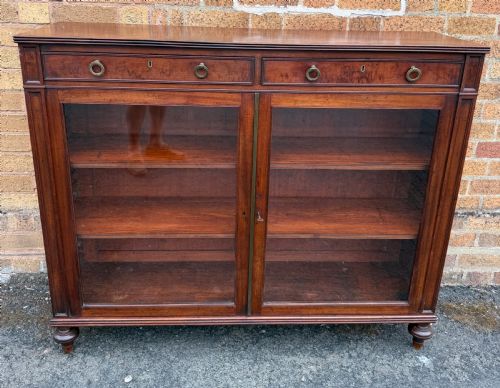
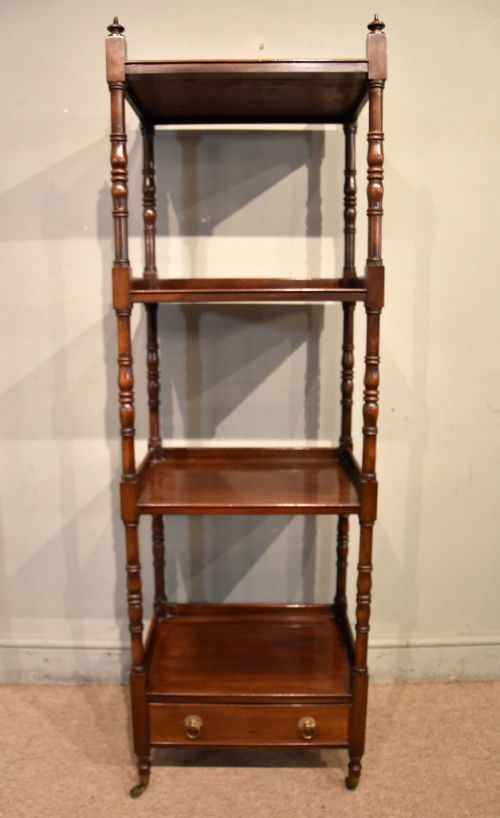
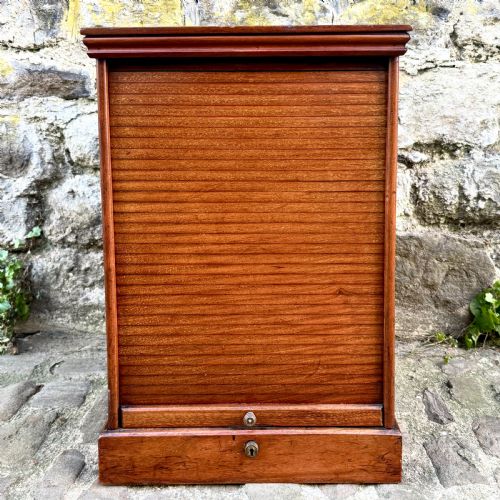
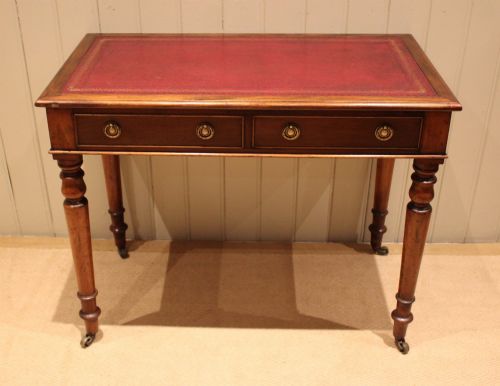
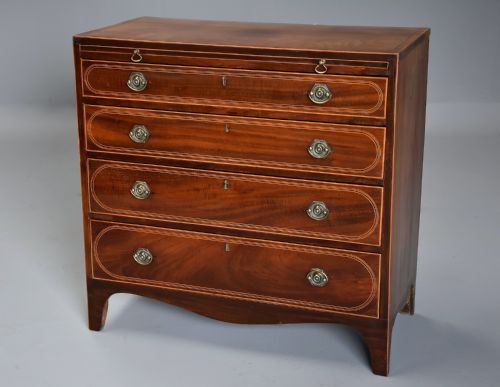
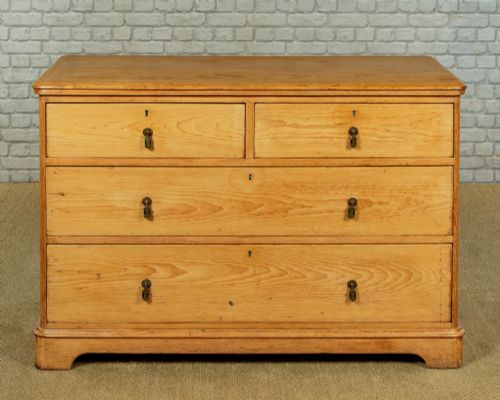
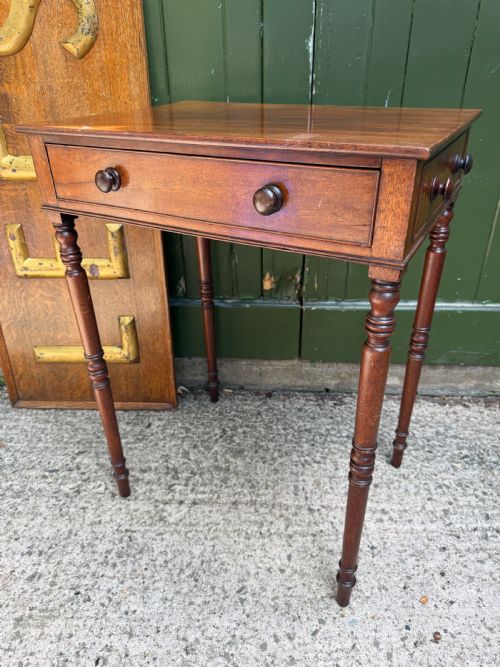
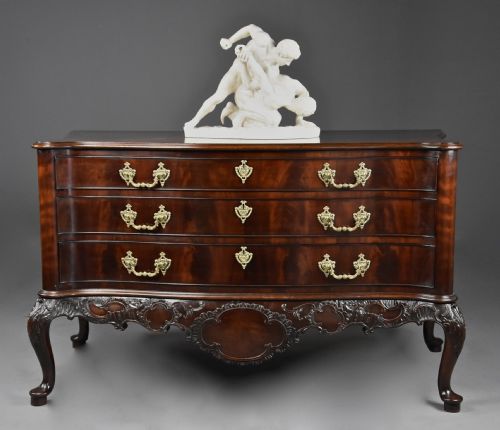
Late 19th Century Drawers
These late 19th century drawers combine utility with period craftsmanship, offering sturdy storage solutions in timber and paint.
Late 19th Century Drawers
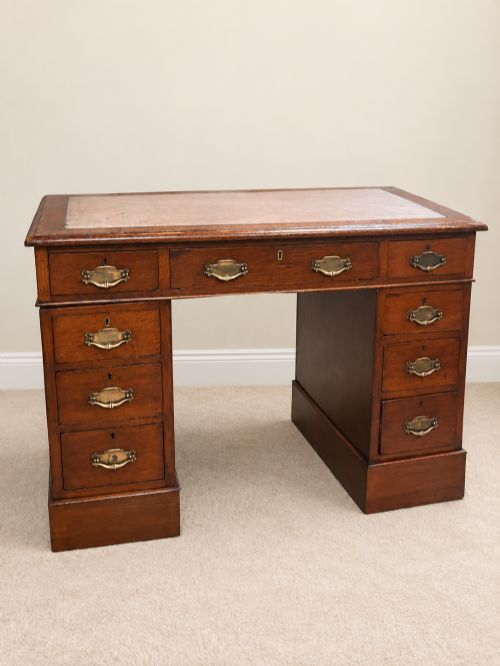
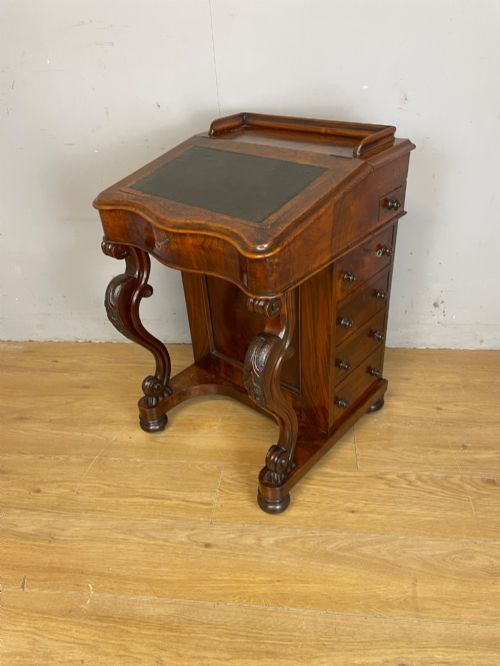
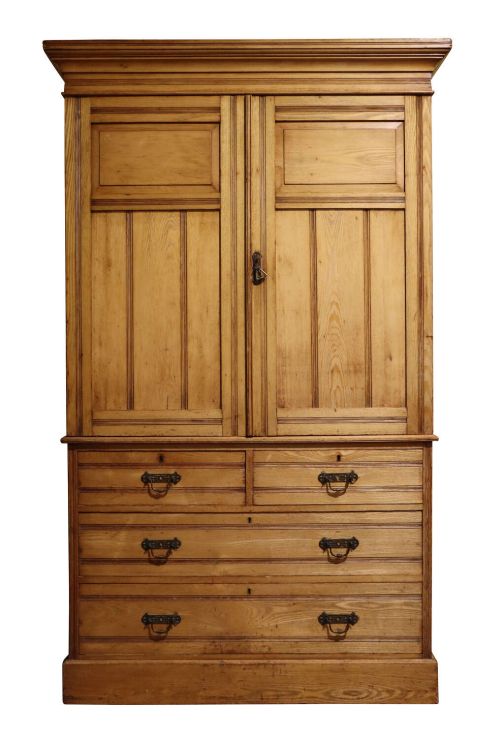
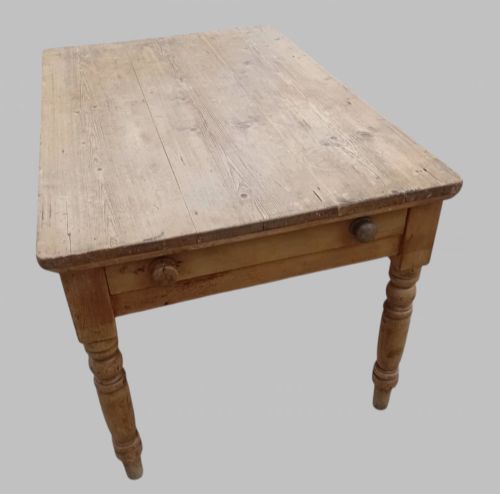
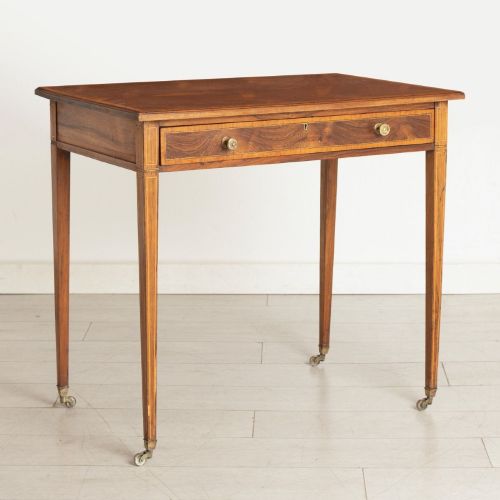
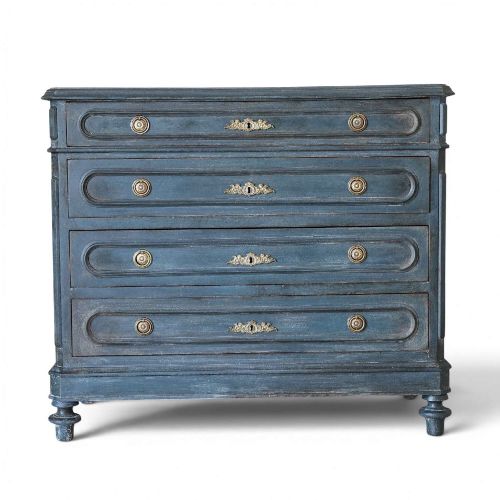
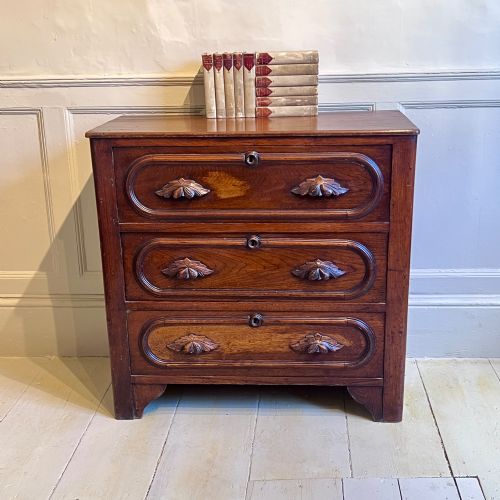
When searching for late 19th century drawers, buyers encounter pieces spanning the Victorian and Edwardian eras, produced in various regional timbers and painted finishes. The selection ranges from dedicated chests of drawers and commodes to multi-drawer apothecary cabinets, writing desks with internal compartments, and occasional tables fitted with single drawers.
Mahogany, walnut, oak, and pine dominate the forms, reflecting both formal British cabinet-making and utilitarian domestic workshop production. Pieces appear in distinct stylistic revivals, including Chippendale, Louis XVI, and Arts and Crafts designs, alongside vernacular farmhouse tables and campaign filing units.
How they were made
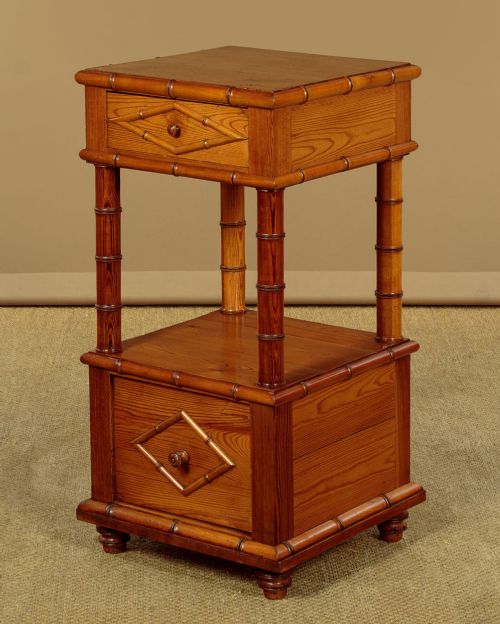
Cabinet-makers constructed these pieces using solid timbers like mahogany, walnut, oak, ash, and pine, frequently applying veneers such as burr walnut, tulipwood, and satin birch to primary surfaces. Structural elements relied on traditional joinery, while decorative details incorporated marquetry inlay, hand-painted Venetian scenes, faux bamboo turnings, and stencilled motifs.
Fitted interiors often utilised secondary woods like beech, while hardware included brass handles, original porcelain knobs, and inset locks. Surfaces were finished with polished clear lacquers or left in original paint finishes, occasionally paired with inset marble tops on continental commodes.
Listings feature oak, mahogany, walnut, pine, and ash, alongside specialised forms like apothecary cabinets, campaign filing units, and Wellington chests.
What varies in quality
The standard of a piece depends heavily on the selection of timber, evidenced by figured mahogany, matching veneer grains, and solid secondary woods used for drawer linings. Superior examples exhibit precise joinery, well-proportioned cornices, and intact original hardware without extensive timber replacement.
Regional vernacular items lean toward robust utility with simpler pine construction, whereas metropolitan workshop pieces display refined carving, marquetry panels, and sophisticated revival styling that elevate the cabinet-making standard.
Maple & Co.·Druce & Co·Liberty
The Late 19th Century Drawers Glossary
- Commode
- A low chest of drawers or cabinet, often of French or Italian origin, frequently featuring decorative veneer work or marble tops.
- Wellington chest
- A tall, narrow chest of drawers secured by a hinged locking stile that fastens over the right-hand edge of the drawers.
- Apothecary chest
- A multi-drawer cabinet originally designed for storing medicinal herbs, powders, and remedies in small partitioned compartments.
- Marquetry
- The art of forming decorative patterns on woodwork by fitting together small pieces of coloured veneers, wood, or shell.
- Campaign furniture
- Portable pieces designed for military officers, typically featuring brass corner braces, recessed handles, and sectional construction.
Late 19th Century Drawers: Frequently Asked Questions
How do I identify a late 19th century chest of drawers?
Examine the construction methods, timber choices, and secondary woods visible within the drawer linings and carcase backs. The period often combines traditional dovetailed drawer construction with Victorian revival styles, machine-sawn timber components, and standard brass or porcelain hardware.
Look for distinctive stylistic markers associated with the 1880s and 1890s, such as Arts and Crafts simplicity, aesthetic movement faux bamboo turnings, or heavy walnut and mahogany revival proportions. Maker marks, trade labels, or registration stamps can also confirm the date.
What woods were commonly used for these drawers?
Mahogany, walnut, oak, and pine form the foundation of most pieces from this era, utilised according to the intended function and workshop origin. Formal cabinet-makers favoured dense hardwoods and decorative veneers like burr walnut and satin birch, while utilitarian or provincial pieces relied on solid pine, ash, and elm.
Secondary timbers inside drawers and behind carcases typically include beech, deal, or oak. Painted pine and decorated satinwood finishes were also widespread, particularly in domestic farmhouse and continental commode production.
Are painted pine chests of drawers original?
Many pine and softwood chests feature original paint finishes, stencilled decoration, or simulated graining applied during manufacture to imitate costlier hardwoods. Surviving examples retain authentic surface patination, wear patterns, and layered pigments that distinguish period decoration from later overpainting.
Inspecting the underlying timber around hinges, drawer runners, and interior surfaces helps verify whether a painted finish dates to the original period of production. Original decorative paint often shows expected craquelure and minor surface abrasions consistent with domestic use.
How do I care for antique wood furniture?
Maintain stable environmental conditions by keeping wooden pieces away from direct heat sources, radiators, and prolonged direct sunlight that can dry out timber. Regular dusting with a soft, dry cloth prevents particulate accumulation without introducing moisture or chemical residues.
Apply a microcrystalline wax polish sparingly when the wood appears dry to nourish the surface and protect the historic finish. Avoid silicon-based commercial sprays, which can penetrate open grain and complicate future conservation work.