

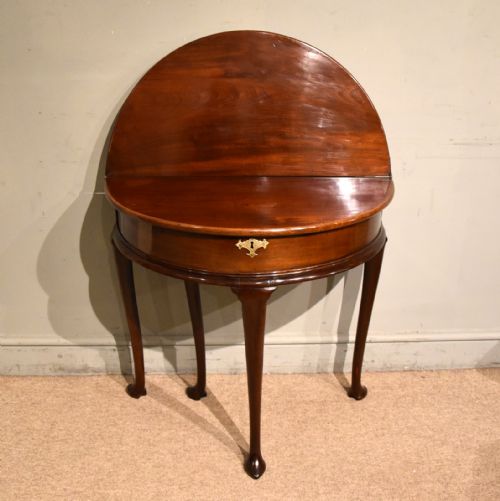


Late 18th Century Side Table
A late 18th century side table brings adaptable surface space and architectural elegance into a room.
Late 18th Century Side Table
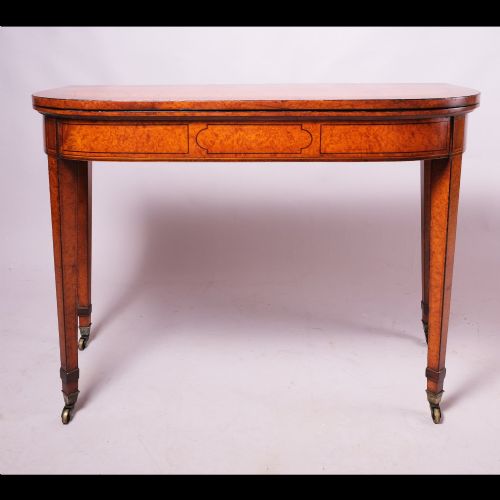
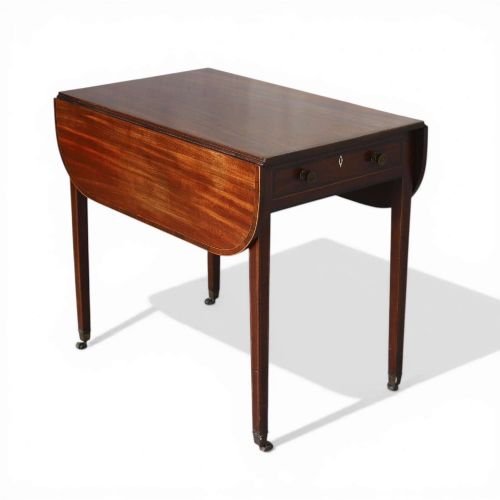
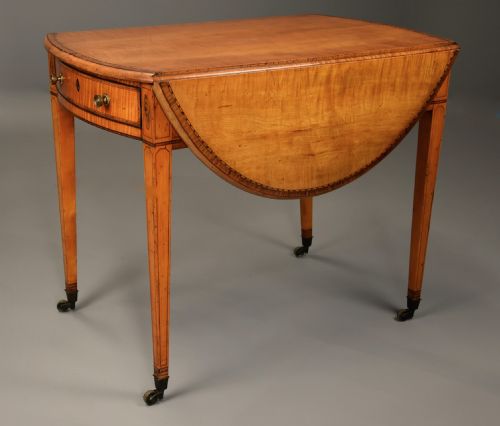
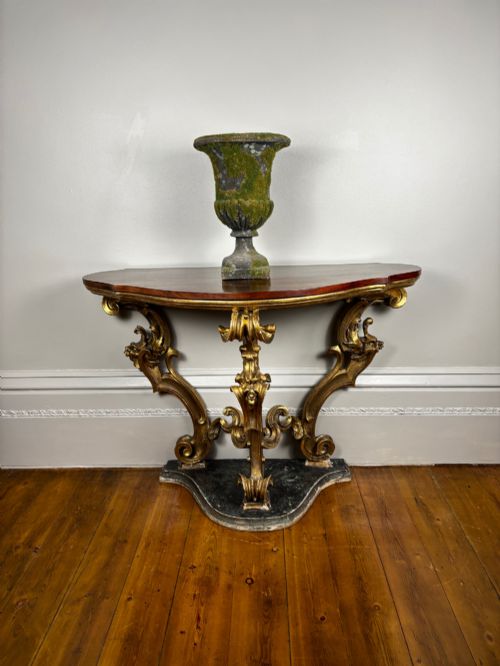
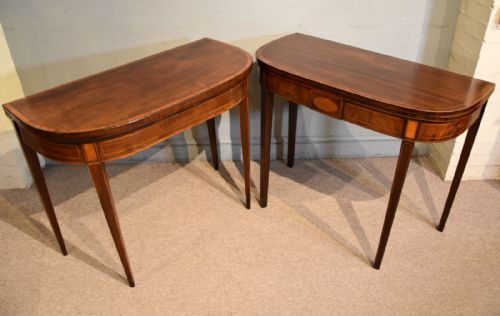
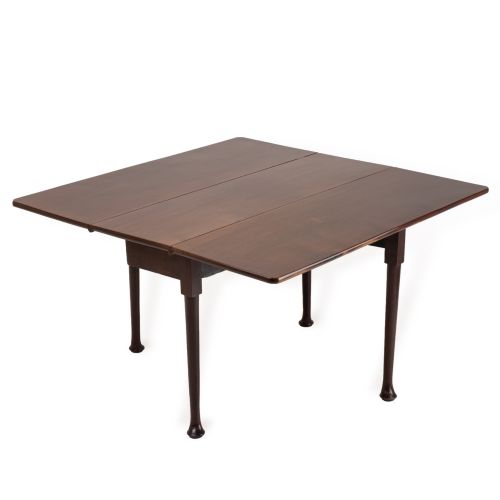
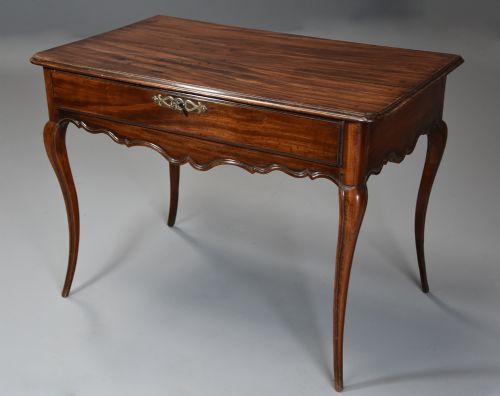
A late 18th century side table encompasses versatile domestic furnishings including Pembroke tables, console tables, tea tables, and occasional stands. These pieces originate predominantly from the Georgian period, alongside continental European examples displaying French Rococo, Baroque, and Neoclassical design influences.
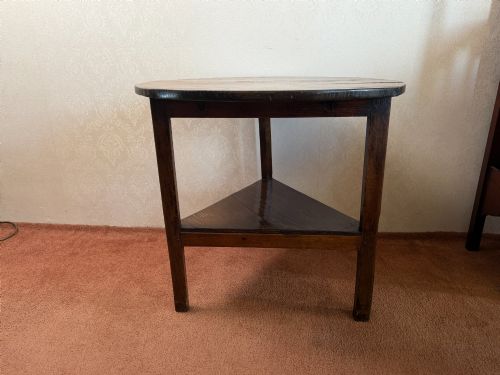
Buyers seeking this phrase encounter a heavy representation of mahogany furniture, often produced in straightforward rectangular formats with single drawers or drop leaves. Alongside formal dining and drawing room pieces, sturdy oak and elm country examples appear regularly in the listings.
Materials and Technique
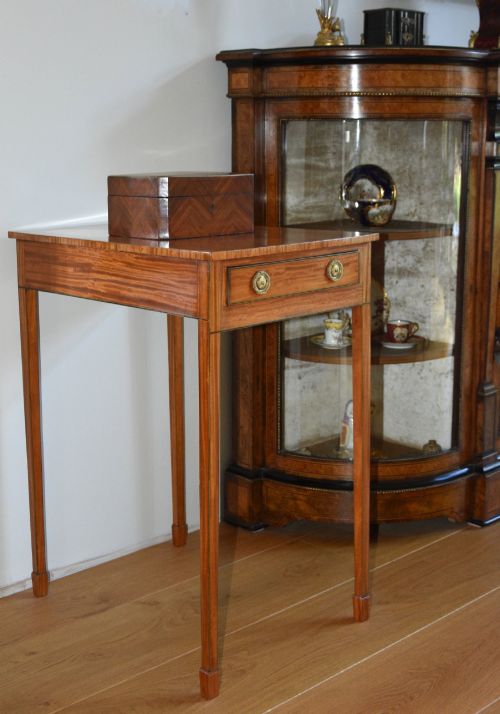
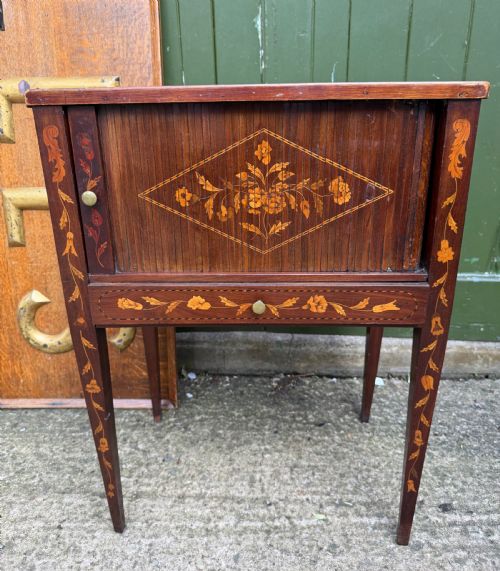
Cabinetmakers utilised dense timbers such as mahogany, walnut, and oak, frequently pairing primary woods with decorative veneers like satinwood, amboyna, and partridge wood. Crossbanding and floral marquetry inlay provide ornamental contrast to table tops and friezes.
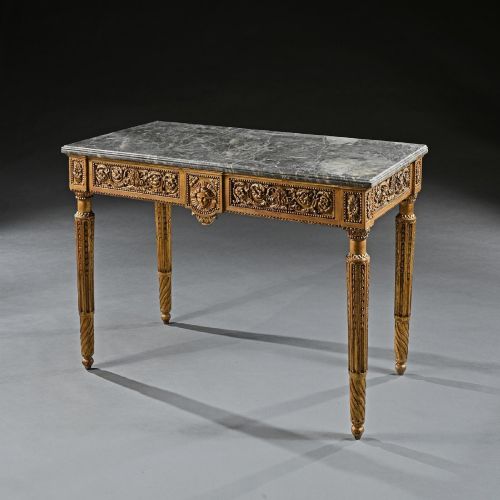
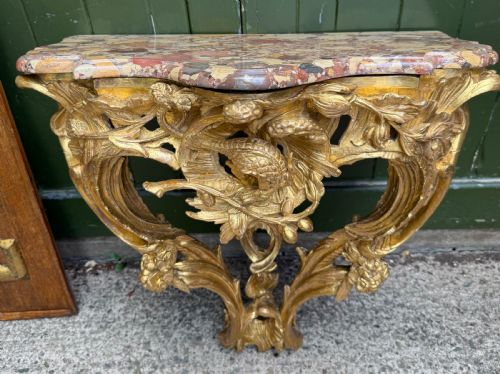
Carved structural elements appear in giltwood and walnut, particularly on console tables featuring marble tops. Joinery methods rely upon traditional techniques to accommodate folding leaves, drop-down flaps, and tilting tripod mechanisms.
Eagle consoles peer out with fierce carved gazes, holding up heavy marble tops without a single complaint.
Assessing the Standard
The degree of refinement in timber selection distinguishes standard domestic items from finer examples. Figured veneers, fiddleback sycamore, and carefully matched grain patterns indicate higher workshop standards during the Georgian period.
Execution of carved ornamentation marks another division in quality. Crisp, deep relief work in giltwood or mahogany separates ambitious decorative pieces from simpler vernacular items.
Gillows Lancaster
The Late 18th Century Side Table Glossary
- Pembroke table
- A small occasional table with hinged drop leaves on either side. These tables typically include a single drawer and slender legs.
- Console table
- A wall-mounted or bracket-supported table designed to stand flush against a surface. They frequently feature elaborate carved framing and marble tops.
- Marquetry
- Decorative inlay work using various woods to create pictorial or geometric patterns on furniture surfaces. Craftsmen assemble these patterns within the primary veneer.
- Crossbanding
- A strip of veneer applied to the border of a table top with the grain running perpendicular to the centre panel. This technique creates a distinct framing effect.
- Tripod table
- A small freestanding table supported by a central pillar resting on three legs. Many examples feature a tilting mechanism for storage convenience.
Late 18th Century Side Table: Frequently Asked Questions
What is a Pembroke table?
A Pembroke table is a small, versatile table featuring two hinged drop leaves on opposing sides. It often includes a single drawer and was designed for flexible use in sitting rooms.
Cabinetmakers produced them extensively during the late eighteenth century in various timbers including mahogany and satinwood.
How are tea tables used?
Tea tables served during the evening meal service for hosting porcelain tea sets. Many examples feature fold-over tops that double the surface area when opened.
They stood against walls when not in use and were moved into the centre of the room for social gatherings.
How do I spot mahogany furniture?
Mahogany displays a dense, reddish-brown grain that deepens in tone over centuries. Eighteenth-century pieces often exhibit a smooth patina developed through handling and waxing.
Makers utilised both solid boards and figured veneers over secondary woods.
Where should I place a console table?
A console table fits well against a hallway or living room wall, particularly beneath a mirror or painting. Because many historical examples feature flat backs, they anchor securely against vertical surfaces.
Marble-topped versions provide a durable, heat-resistant surface for lamps and decorative objects.