



Late 18th Century Cupboard
A late 18th century cupboard delivers practical storage through period craftsmanship, offering everything from corner cabinets to dressers in native and imported timbers.
Late 18th Century Cupboard
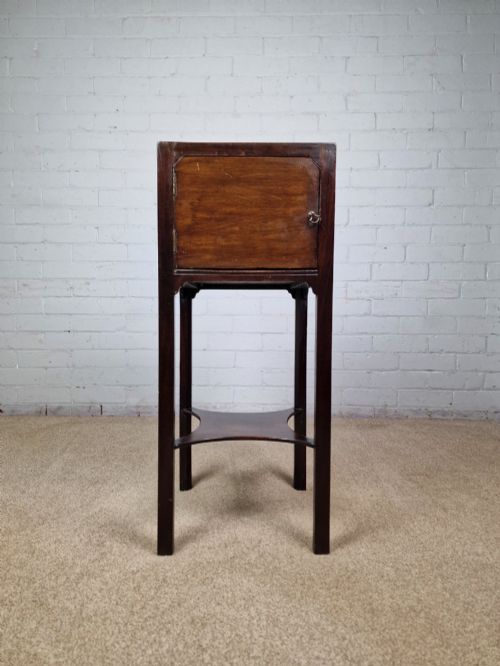
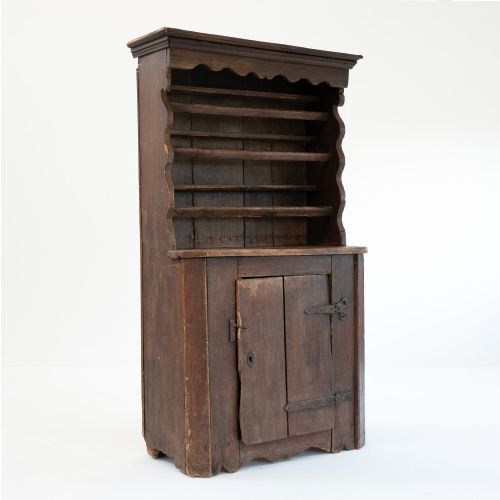
When you search for a late 18th century cupboard, you meet a diverse selection of storage furniture originating from Georgian Britain, France, Wales, and the Netherlands. These pieces include corner cabinets, bedside commodes, linen presses, and kitchen dressers designed for domestic organisation.
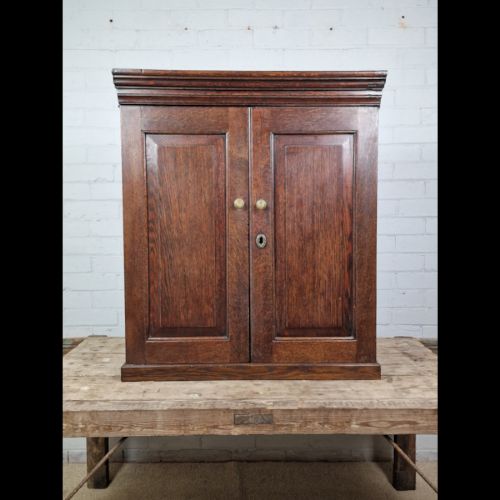
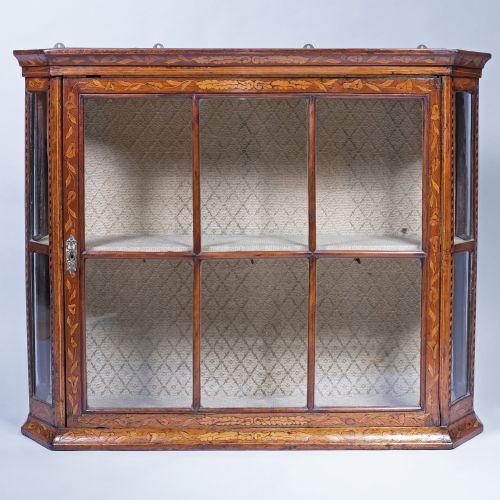
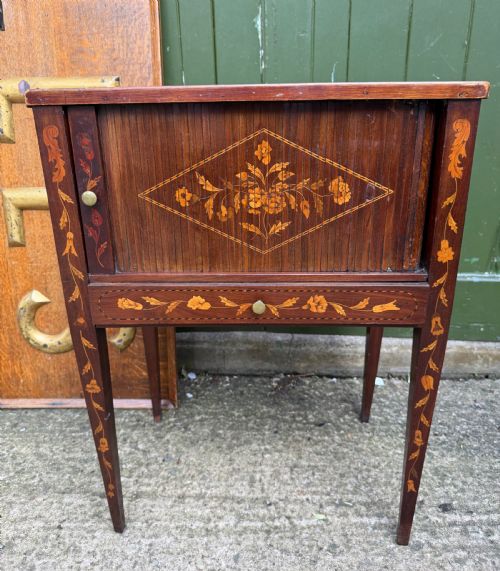
The version you are most likely to encounter on this page is constructed from oak or mahogany, often taking the form of a wall-hanging or floor-standing corner cupboard. Regional variations such as Irish painted dressers and Dutch floral marquetry side cabinets also appear regularly.
Makers of the period utilised solid timbers and clever internal configurations like tambour fronts, secret compartments, and adjustable shelving. Each piece reflects the specific domestic requirements of late Georgian households, whether housed in a grand estate or a country farmhouse.
How They Were Made
Cabinet makers constructed these pieces primarily using solid oak and mahogany, often applying veneers of satinwood and flame mahogany to visible surfaces. Crossbanding and floral marquetry inlay embellished finer items, while painted pine and local fruitwoods served for regional country pieces.
Joinery techniques relied on dovetailed construction for drawers and frame-and-panel assembly for doors to accommodate natural timber movement. Hardware such as brass drop handles, escutcheons, and wrought iron hinges secured the functional aspects of each cabinet.
Several cupboards hide secret compartments designed to safeguard family ledgers, hidden currency, or private correspondence from prying eyes.
What Varies in Quality
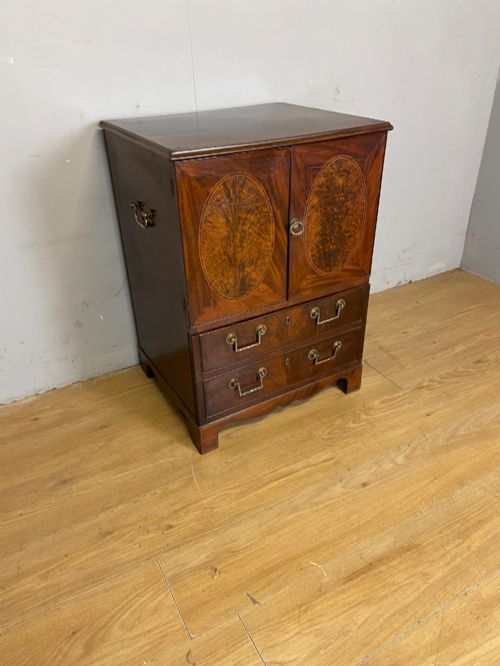
The distinction between a standard utility piece and a superior example rests on timber selection and decorative restraint. Highly figured flame mahogany and intricate satinwood inlay elevate a simple bedside commode into a piece of high-status furniture.
Originality of surface finish and hardware dictates much of the enduring appeal. Pieces retaining their original gilded lettering, brass feet, and polished patination command greater interest than those altered or stripped in later centuries.
The Late 18th Century Cupboard Glossary
- Crossbanding
- A decorative border technique where thin strips of veneer are laid across the grain of the primary wood. This method creates a contrasting frame around drawer fronts or cabinet doors.
- Marquetry
- The art of forming decorative patterns using thin pieces of wood veneer and other materials. Dutch makers utilised floral marquetry extensively on late Georgian mahogany carcasses.
- Commode
- A low cabinet or chest of drawers designed for domestic use. Eighteenth-century examples frequently served as bedside tables or washstands.
- Press Cupboard
- A large storage furniture piece featuring upper doors enclosing shelves and lower drawers or cupboards. Welsh and English examples in oak provide substantial linen storage.
- Tambour
- A flexible shutter made from narrow strips of wood glued to canvas, allowing curved doors to slide open smoothly. This mechanism appears on specialised late Georgian writing and side cabinets.
- Etagere
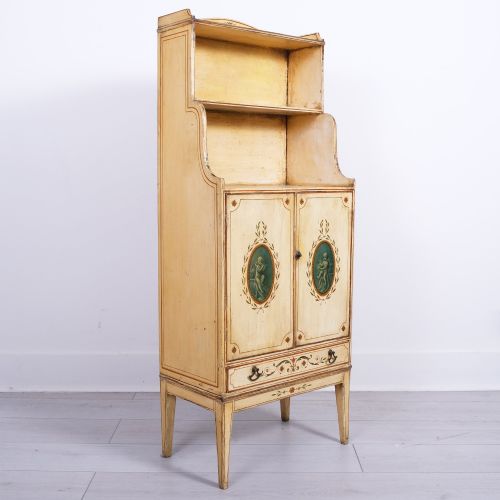
- An open tiered shelving unit used for displaying decorative objects. Surviving 18th century examples often display unusual formats tailored to specific estate interiors.
Late 18th Century Cupboard: Frequently Asked Questions
How do I date a late 18th century cupboard?
Dating relies on examining construction methods, timber choices, and stylistic details typical of the Georgian era. Dovetailing tightness, secondary woods, and hardware fixings offer reliable clues to the decade of manufacture.
Makers working between seventeen-seventy and eighteen-hundred employed specific regional techniques. Comparing the carcass construction against dated archival examples helps narrow the period of origin.
Where were these cupboards placed in period homes?
Corner cupboards utilised dead space in dining rooms and parlours to display ceramics and glassware. Larger linen presses and wardrobes stood in bedrooms or dedicated dressing rooms for textile storage.
Kitchen dressers and food cupboards functioned in domestic workspaces to hold provisions and tableware. Bedside commodes sat adjacent to sleeping quarters for nocturnal convenience.
Are oak and mahogany cupboards cared for differently?
Both timbers require stable indoor humidity away from direct heat sources to prevent wood splitting and veneer lifting. Regular dusting with a dry lint-free cloth preserves the polished surface.
Application of traditional beeswax feeds the grain and maintains the natural patination built up over centuries. Avoid silicone-based polishes which damage historic finishes.
What is the difference between a press and a wardrobe?
A press cupboard typically incorporates sliding shelves or linen trays behind upper doors, paired with deep drawers below. Wardrobes feature vertical hanging space with clothes rails or pegs.
Late Georgian linen presses often combined both functions with elaborate swan-neck pediments and crossbanded doors. Many were dismantled for transport due to their substantial height.