


Large Woven Wool Carpet
A large woven wool carpet brings grounding colour and rich historic texture to a room, offering durability alongside centuries of regional design tradition.
Large Woven Wool Carpet
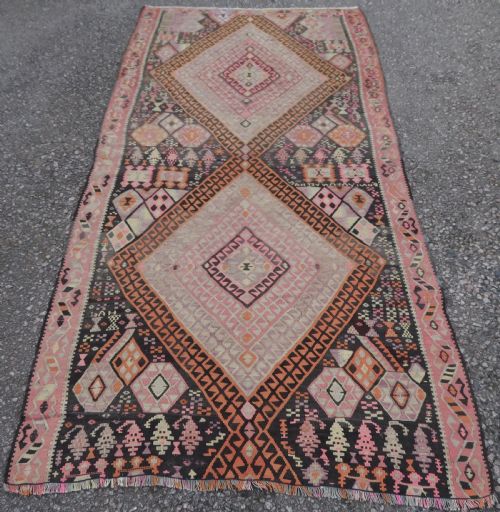
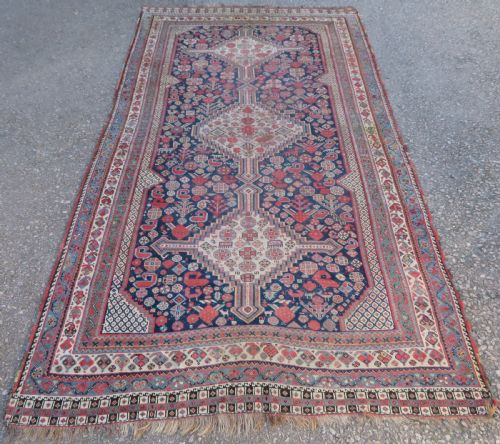
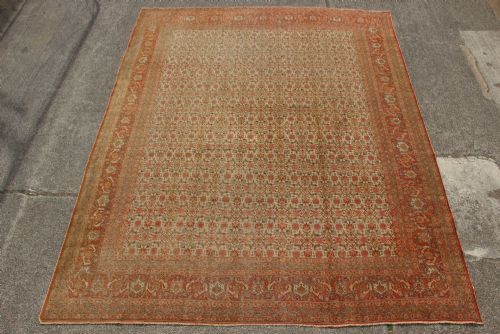
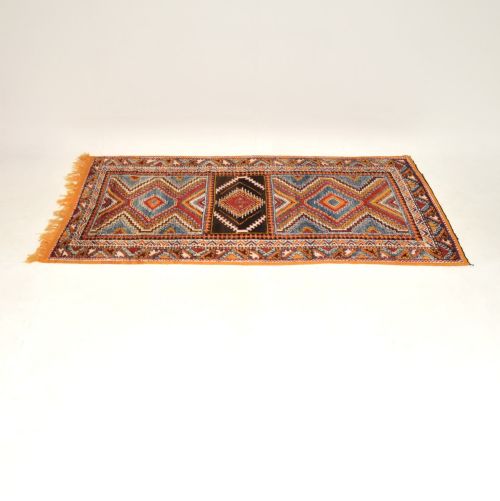
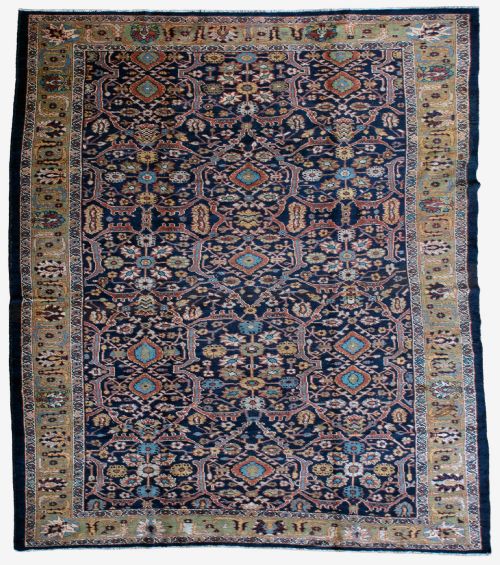
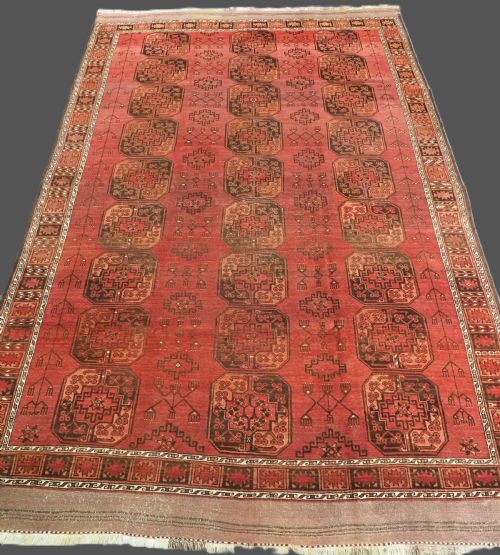
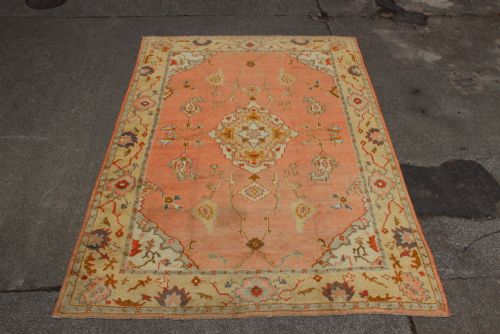
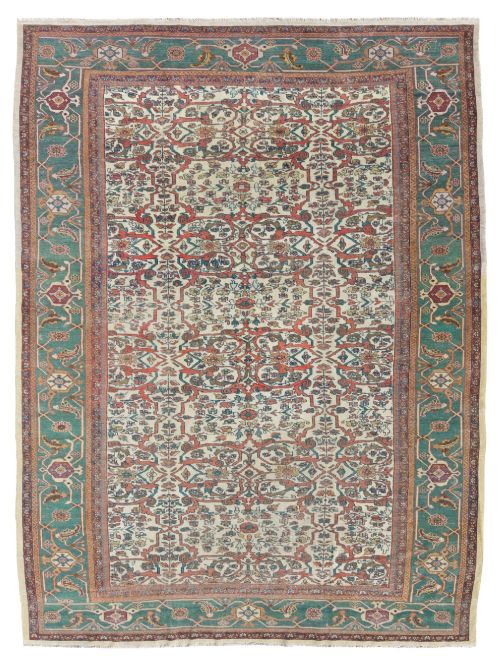
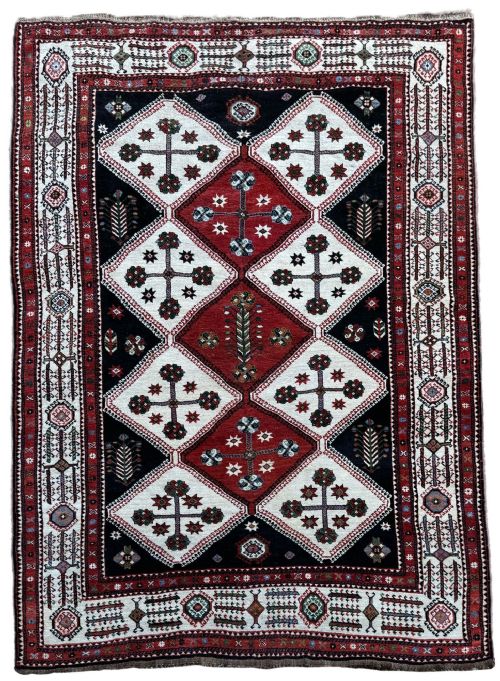
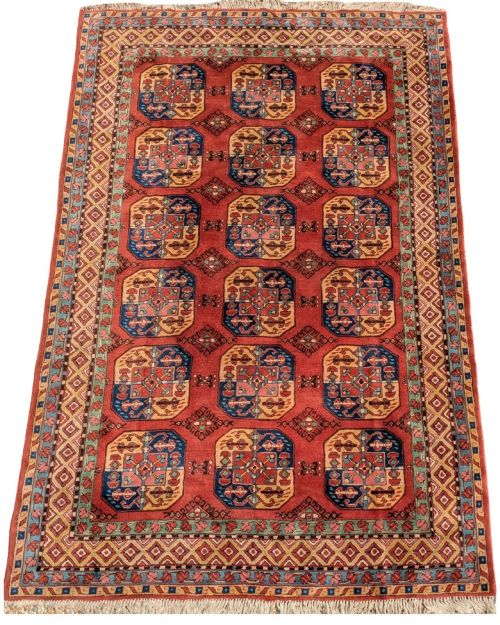
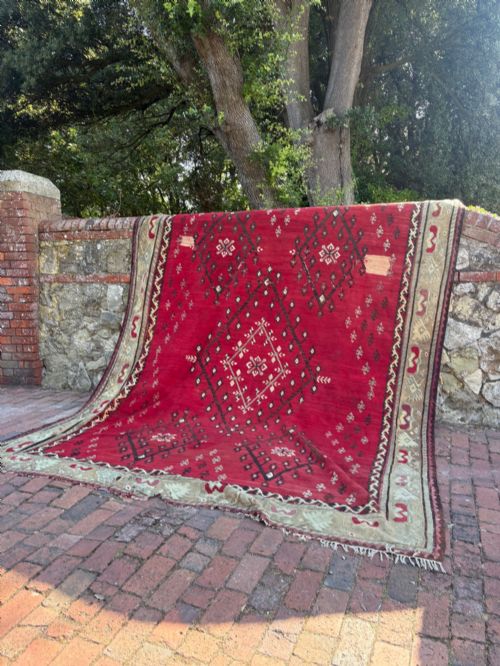
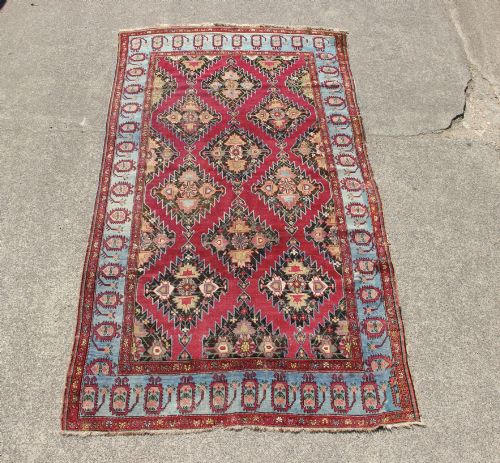
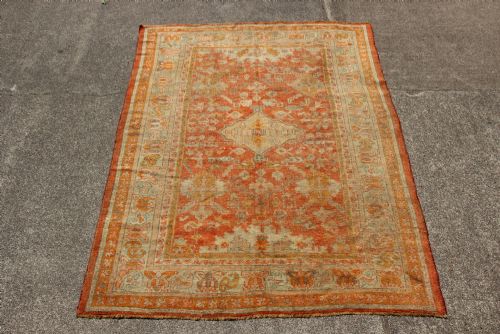
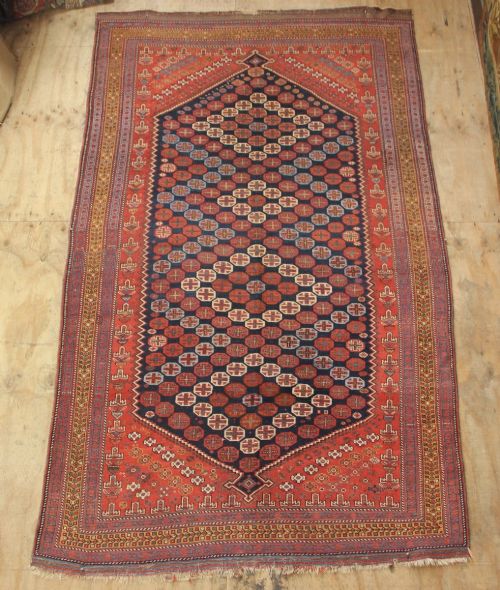
A large woven wool carpet spans significant floor areas, often measuring several metres across to anchor principal rooms in a home. When you search for a large woven wool carpet, you encounter room-sized floor coverings originating from traditional weaving centres across Persia, Turkey, Central Asia and the Caucasus.
The selection here encompasses diverse regional traditions including Heriz, Oushak, Sultanabad, Ersari Turkmen and Tabriz designs. These pieces date from the mid-nineteenth century through the early twentieth century, reflecting the distinct knotting techniques and local aesthetics of their respective origins.
How They Were Made
These floor coverings utilise wool, hand-spun wool and cotton foundation threads, combined with natural dyes to achieve enduring depth of colour. Artisans knotted the pile by hand onto warp and weft structures, or constructed flatweave kilims using interlocking weft techniques.
Makers sourced regional dyestuffs from plants and insects, producing rich terracotta, indigo and madder tones that soften gracefully over decades of use.
A nomadic weaver's small weaving mistakes remind us these grand carpets were born in bustling tents, not sterile factories.
What Varies in Quality
Knot density and structural integrity distinguish the finest examples from simpler utility pieces, dictating how sharply the geometric or floral motifs resolve. Tighter knotting supports intricate curvilinear designs and provides greater resilience under heavy foot traffic.
The choice of materials and the quality of the wool fleece influence tactile softness and longevity, while the stability of the cotton or wool foundation dictates how flat the carpet rests on the floor.
The Large Woven Wool Carpet Glossary
- Wool
- The primary pile fibre used in traditional carpet production, prized for its natural lanolin content, elasticity and durability. It takes dye exceptionally well and retains warmth underfoot.
- Natural Dyes
- Colourants derived from organic sources such as madder root, walnut husks and indigo plants rather than synthetic chemicals. These dyes produce complex, harmonious hues that age with a characteristic patina.
- Warp
- The vertical foundation threads stretched tightly on the loom before knotting begins, which form the fringe at either end of the finished carpet.
- Weft
- The horizontal threads passed back and forth between the warp threads to secure the knots in place and add structural stability to the textile.
- Kilim
- A flatweave carpet or rug produced without a pile by tightly interweaving warp and weft threads to create geometric patterns.
- Pile
- The dense, cut or uncut surface of yarn that stands up from the foundation, forming the visible and tactile layer of the carpet.
Large Woven Wool Carpet: Frequently Asked Questions
How do I clean a wool carpet?
Regular gentle vacuuming without a beater bar removes surface dust and prevents grit from settling into the pile. For deeper attention, professional rug cleaning preserves the natural wool fibres and dye stability.
Avoid soaking the foundation or using harsh chemical detergents, as these can damage natural dyes and weaken the wool yarn over time.
Where should I place a large carpet?
These large floor coverings suit principal living spaces, dining rooms and large hallways where their substantial dimensions can anchor furniture arrangements. Placing them in rooms with moderate foot traffic helps balance daily enjoyment with long-term preservation.
Using a suitable underlay beneath the carpet prevents slipping, cushions the wool pile against hard subfloors and reduces wear.
How do I identify regional carpet designs?
Regional styles reveal themselves through specific palette choices, border arrangements and characteristic medallion or all-over field motifs. For instance, Heriz carpets often display bold geometric centre medallions, while Oushak carpets favour softer floral compositions and muted terracotta tones.
Comparing knot direction, fringe construction and wool texture provides further clues regarding the specific origin and weaving tradition of the piece.
What is the difference between knotted and flatweave?
Knotted carpets feature a plush pile created by tying individual strands of wool yarn around the warp threads before cutting them to length. This technique produces a thick, textured surface with high durability and warmth.
Flatweave textiles lack this raised pile, instead relying on the interlocking of warp and weft threads to create a smooth, lighter fabric suitable for layering or summer use.