






Authentic Persian Floor Carpet
An authentic persian floor carpet brings substance and historical character to a room, offering traditional woven artistry from the late nineteenth and early twentieth centuries.
Authentic Persian Floor Carpet
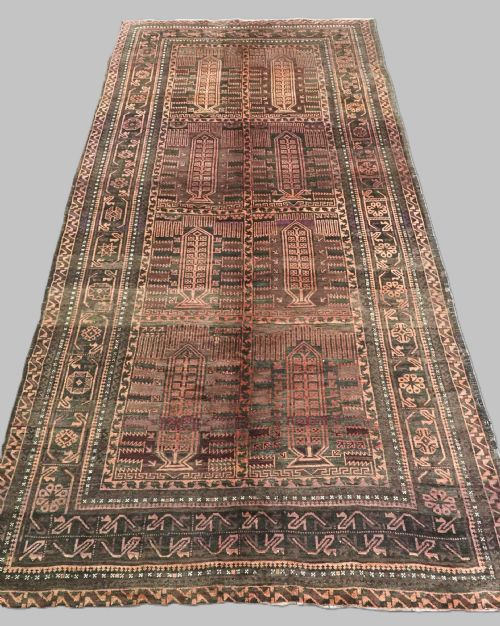
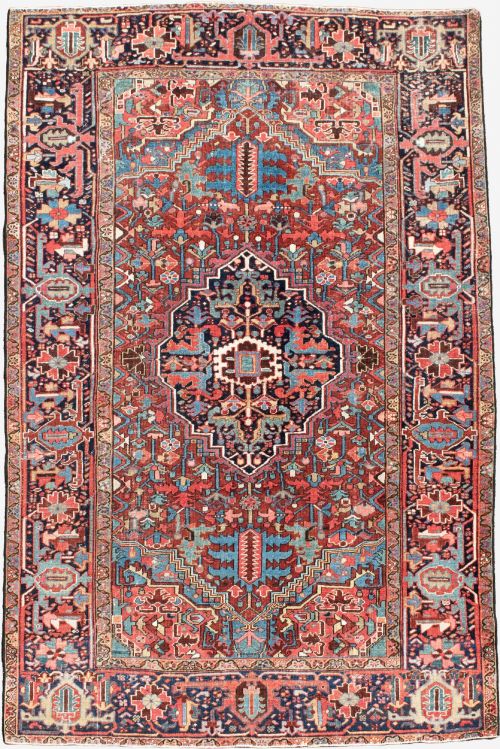
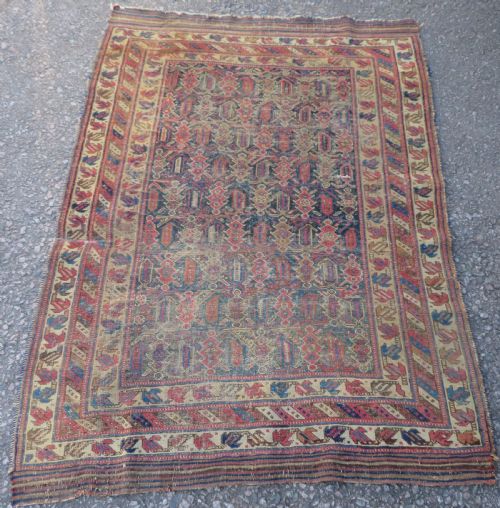
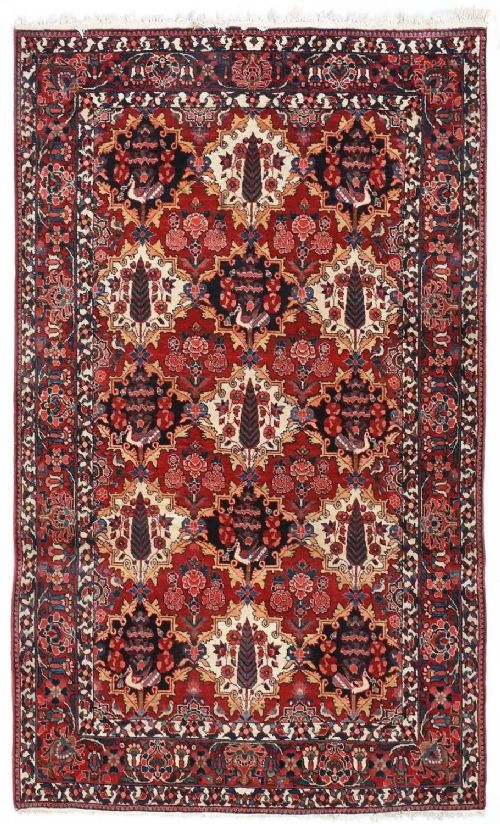
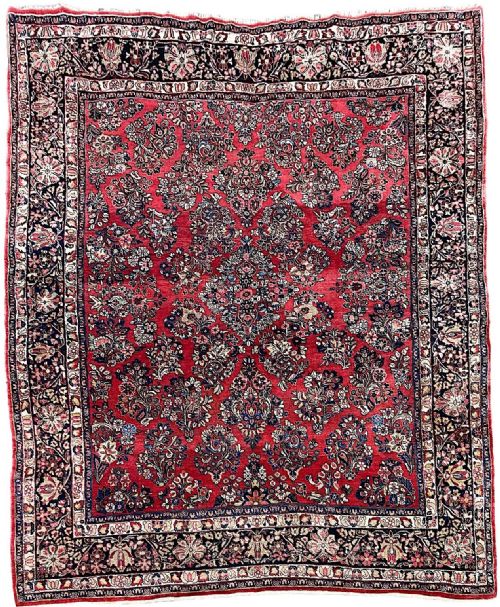
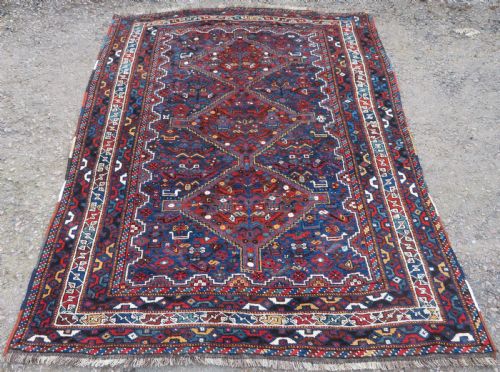
An authentic persian floor carpet encompasses floor coverings originating from various regions and nomadic or town traditions in Persia, dating from the late nineteenth century through to the early decades of the twentieth century. These pieces include large room-sized Heriz carpets, smaller tribal rugs, hallway runners, and specific regional types such as Bakhtiar, Sarouk, Afshar, Khamseh, Gabbeh, Tabriz, and Qum.
The pieces on this page are most frequently encountered as Heriz carpets and various tribal rugs created in wool and cotton during the decades around nineteen hundred. Buyers searching for an authentic persian floor carpet will find formats ranging from compact scatter sizes up to substantial room dimensions suited to anchoring large living spaces.
How they were made
The construction of an authentic persian floor carpet relies fundamentally on natural materials, utilising wool for the pile and cotton for the foundation warps and wefts. These traditional organic materials provide the structural durability necessary for heavy foot traffic while allowing the pile to age with a soft texture.
Weavers knotted the wool pile onto sturdy cotton foundations by hand, employing regional patterns that dictated the geometric or floral layouts. Natural dyes and hand-spun fibres account for the rich colour variations seen across the different styles represented here.
Listings span multiple decades from the late nineteenth century to the early nineteen thirties, featuring wool and cotton materials across Heriz, Bakhtiari, Sarouk, and tribal styles.
What varies in quality
Quality in an authentic persian floor carpet relates to the density of the knotting, the integrity of the wool foundation, and the overall balance of the regional design. Tighter knot counts and resilient wool fibres produce a more durable textile that holds its shape and pattern definition over decades of use.
The character of the dye work and the preservation of the original borders and edges also distinguish finer examples. Pieces that retain their balanced proportions and uncompromised structural foundations demonstrate superior craftsmanship from their respective periods.
The Authentic Persian Floor Carpet Glossary
- Heriz carpet
- A durable room-sized floor covering originating from the Heriz region, typically characterised by bold geometric medallions and robust wool construction.
- Tribal rug
- A nomadic or village weaving produced outside major urban centres, often featuring spontaneous geometric motifs and expressive use of colour.
- Pile
- The vertical or inclined yarn loops that form the upper surface of a carpet, shorn to a uniform height to display the woven design.
- Warp
- The stationary lengthwise threads stretched on a loom upon which the vertical knots of wool are tied.
- Weft
- The horizontal threads passed across the warp threads to secure each row of knots in place.
Authentic Persian Floor Carpet: Frequently Asked Questions
How do I clean my carpet?
Vacuum gently without using a rotating brush roll to protect the wool pile from unnecessary friction and wear. Professional specialist cleaning is recommended for deep maintenance.
Avoid chemical spot treatments or soaking the cotton foundation, as excess moisture can destabilise the organic dyes and fibres.
Are these carpets suitable for heavy traffic?
Traditional wool and cotton construction provides natural resilience that withstands regular walking in domestic spaces. Placing a quality underlay beneath the textile prevents slipping and reduces fibre compression.
Rotating the placement periodically ensures even wear patterns across the surface over years of daily use.
How do I identify a Heriz?
Heriz carpets typically feature prominent geometric central medallions set against contrasting fields, often woven in substantial room sizes. The wool quality is traditionally robust and firm to the touch.
Originating from north-west Persia around nineteen hundred, these pieces display distinct regional colour palettes and sturdy cotton foundations.
What is a tribal rug?
Tribal rugs are produced by nomadic or village groups rather than city workshops, resulting in less formal and more expressive geometric designs. Types such as Afshar, Khamseh, and Gabbeh show distinct regional characteristics.
These pieces often utilise simpler looms and feature spontaneous motifs that reflect the cultural heritage of the makers.