


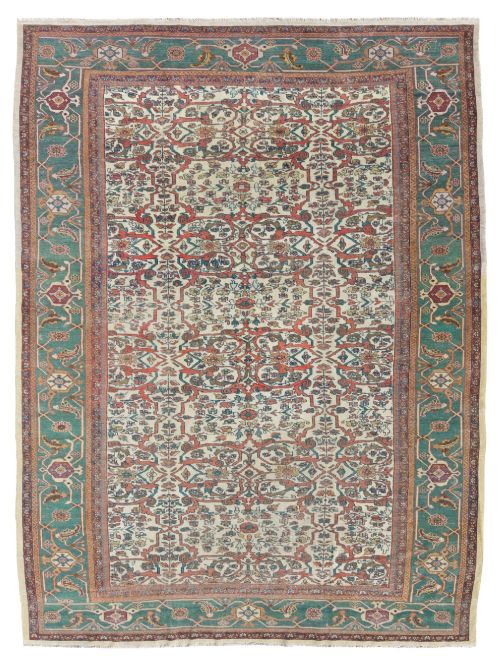
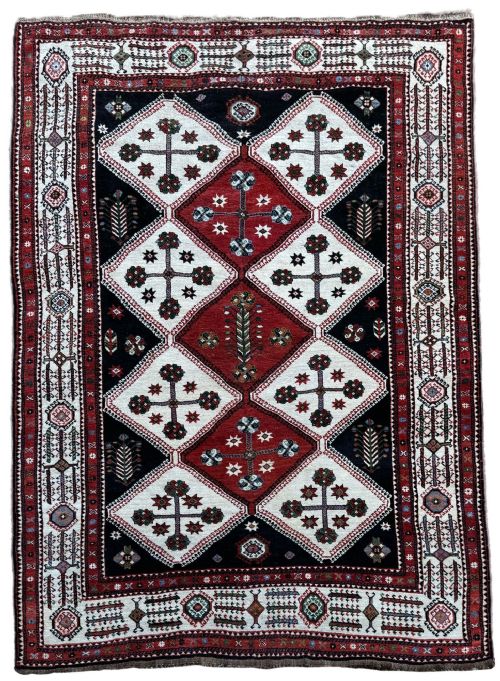
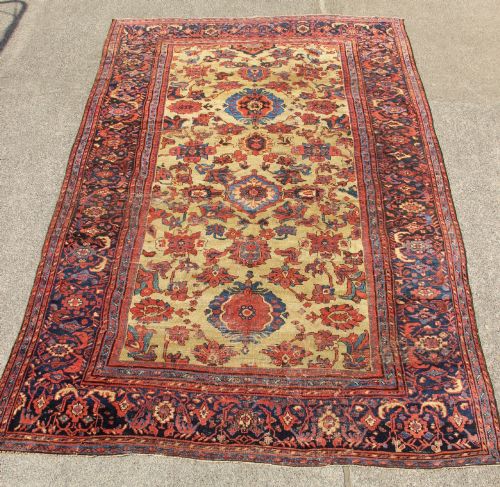
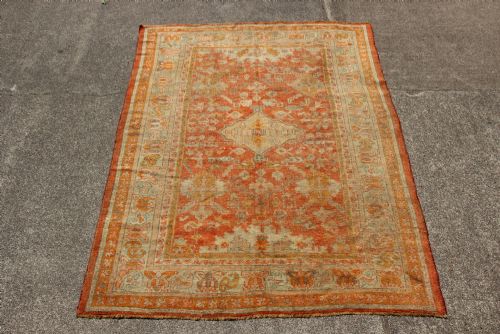

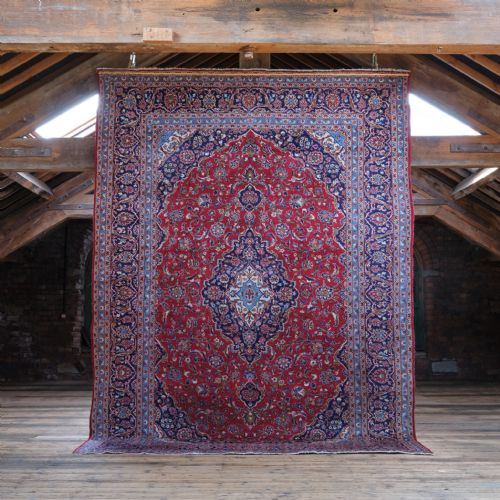
Large Woven Floor Rug
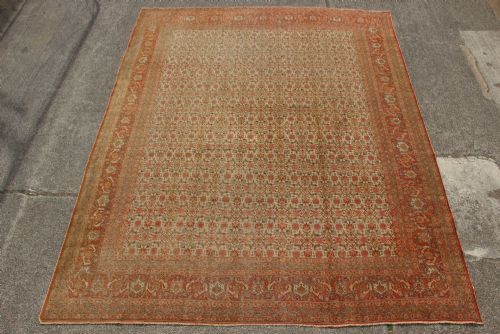
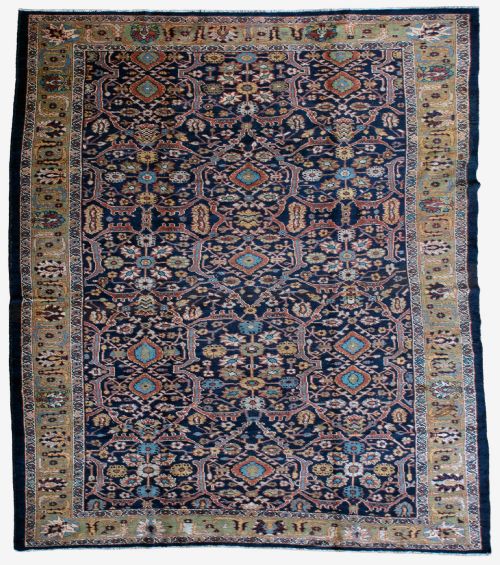
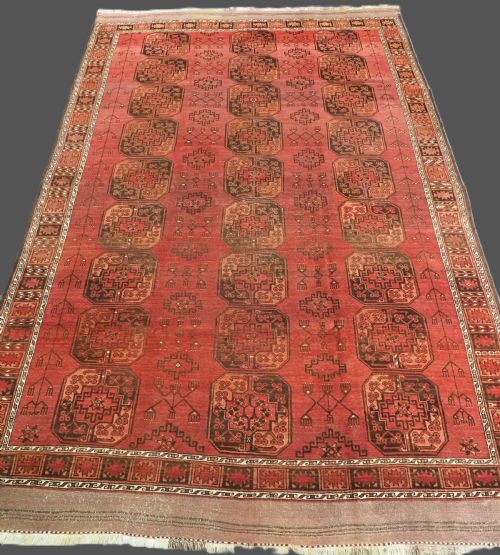
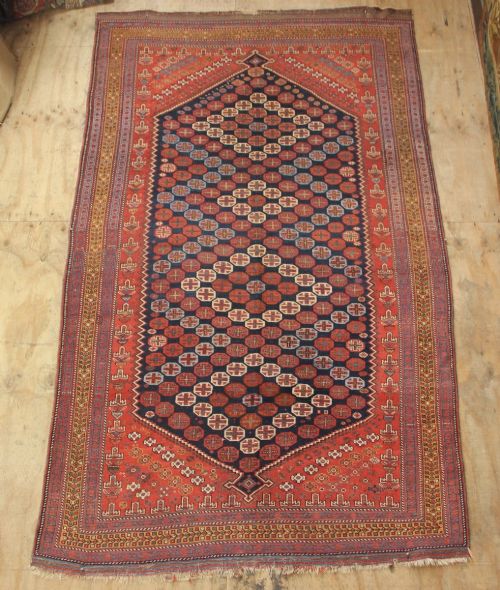
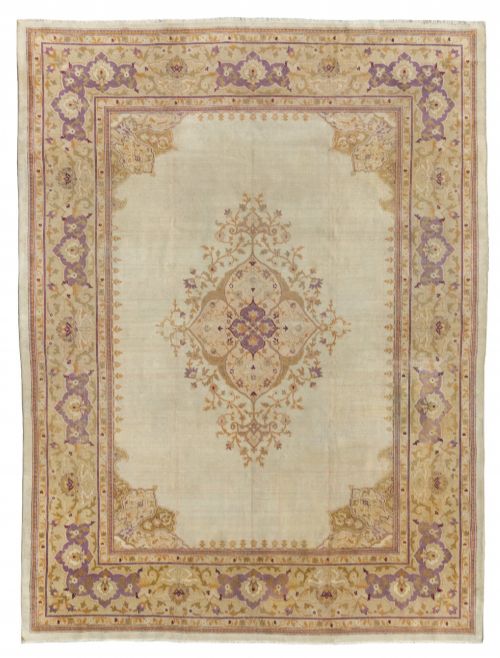
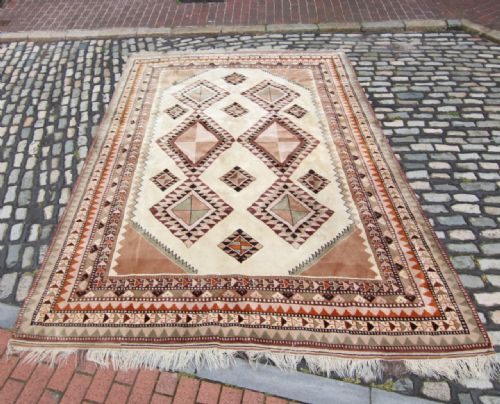
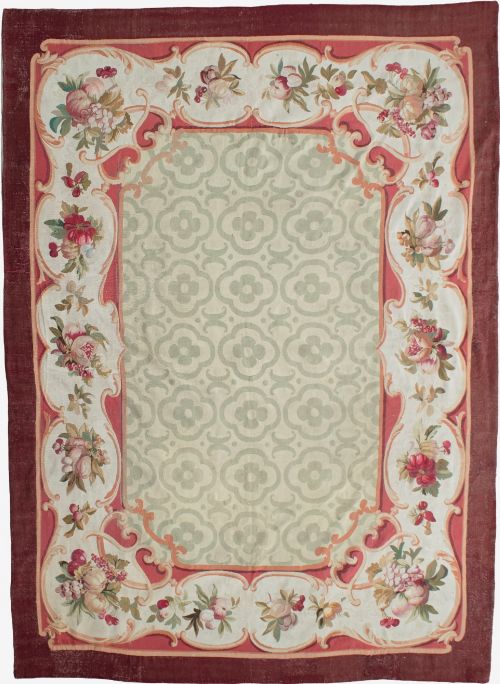
A large woven floor rug anchors a room with substantial scale, traditional Persian design and heavy wool or cotton substance.
Large Woven Floor Rug
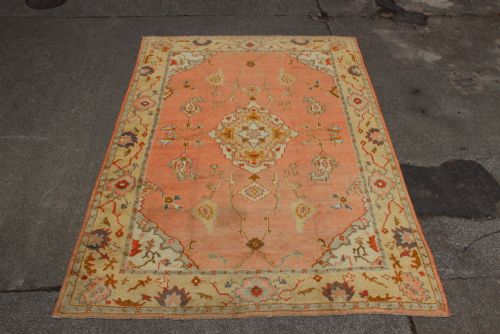
A large woven floor rug delivers major floor coverage through room-sized carpets dating from the mid-nineteenth century up to the nineteen-forties. These pieces originate predominantly from Persian city workshops and tribal weaving centres, alongside Ottoman and Central Asian traditions.
The selection here leans heavily towards substantial Heriz, Tabriz, and Oushak carpets. Buyers encounter room-scale formats designed to sit beneath major furniture groupings or anchor expansive hallways and drawing rooms.
How They Were Made
These floor coverings rely on natural wool and cotton foundations hand-knotted or hand-woven by skilled artisans. Silk and angora wool also appear within specific regional weaving traditions to add textural variation.
Natural dyes provide the enduring palette underpinning these carpets. The interaction of traditional vegetable and insect dyes creates rich, saturated tones that mature steadily over decades of use.
Listings feature traditional Persian designs spanning Heriz, Tabriz, Oushak, and Mahal styles.
What Varies in Quality
Quality rests upon knot density and the precision of the underlying geometric or floral cartoon. Tighter knotting supports finer detail execution across intricate medallions and border systems.
Material selection dictates the tactile and visual outcome. Superior animal fibres combined with stable natural dye batches yield greater depth of colour and longevity under foot traffic.
The Large Woven Floor Rug Glossary
- Heriz carpet
- A durable room-sized floor covering from north-west Persia known for bold geometric medallions and robust structural wool. These rugs handle heavy domestic traffic exceptionally well.
- Oushak carpet
- A large textile originating from western Anatolia defined by softer pastel palettes and large-scale floral motifs. They offer a relaxed aesthetic compared to formal Persian court designs.
- Natural dyes
- Organic colourants derived from plants, roots and insects rather than synthetic chemical compounds. They yield complex, shifting hues that develop a pleasing patina over time.
- Medallion
- The central ornamental motif dominating the field of many traditional carpets. It serves as the visual focal point around which corner brackets and border guards arrange themselves.
Large Woven Floor Rug: Frequently Asked Questions
How do I place a large rug in a room?
Position the piece so that at least the front legs of major seating furniture rest upon the wool surface. This anchors the furniture arrangement and unifies the living space.
Ensure adequate clearance around the edges of the carpet so the surrounding floorboards remain visible as a framing border.
What underlay should I use underneath?
Place a breathable, high-friction rug pad beneath the textile to prevent sliding on smooth wooden or stone floors. This protects the cotton foundation from abrasion.
A quality pad also provides additional cushioning under foot while absorbing the daily impact of walking across the room.
How do I clean an antique wool carpet?
Vacuum the surface regularly using standard suction without rotating brush rolls that catch and pull individual wool knots. Lift the nozzle rather than dragging it across fringe ends.
Professional specialist cleaning remains necessary for deep washing to protect the natural dye stability and structural integrity of the weave.
How do I identify a Heriz from a Tabriz?
Heriz carpets feature strong geometric corner spandrels and prominent anchor medallions woven with thick, durable wool. Their designs prioritize bold structure over fine curved lines.
Tabriz carpets display much finer knot counts with intricate floral sprays, vases and central medallions executed in refined curvilinear detail.