
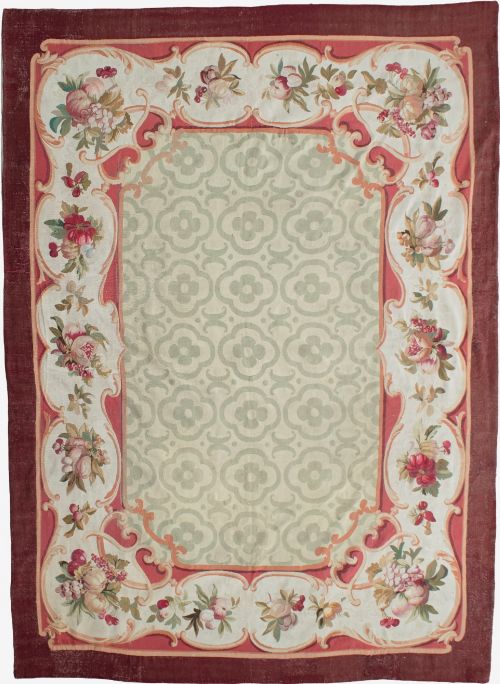

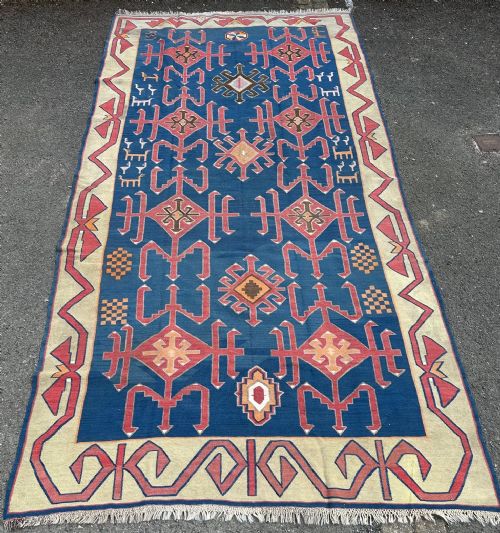


Flat Weave Wool Carpet
Flat weave wool carpet works as a versatile textile, offering tribal patterns and historical workshops to transform floors with flat structures.
Flat Weave Wool Carpet
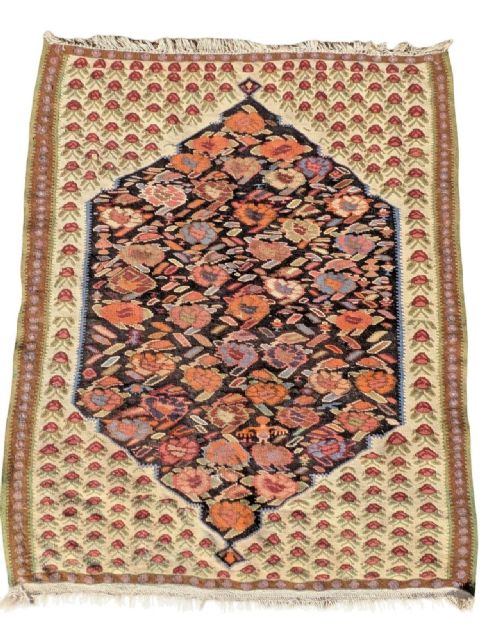
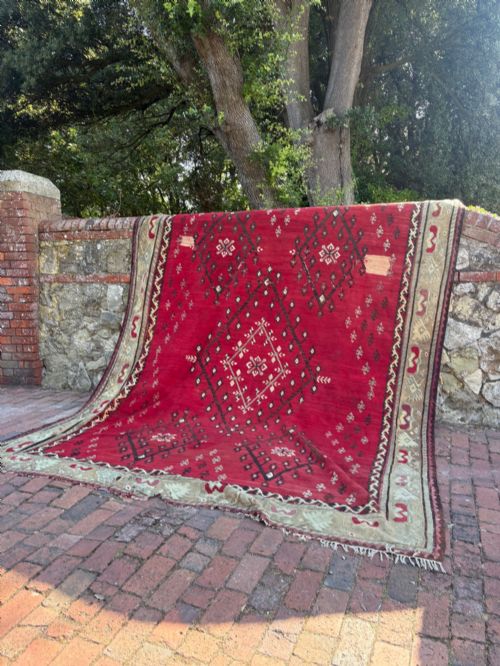
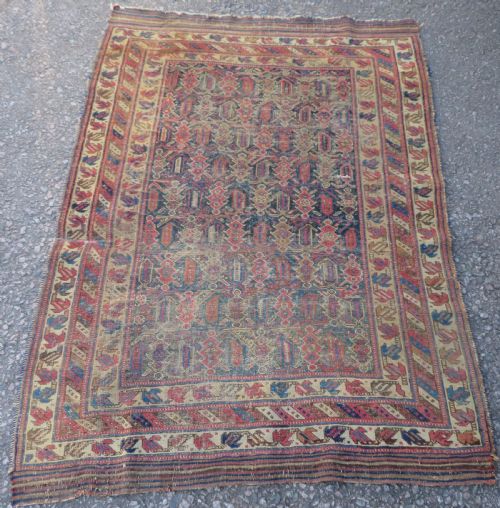
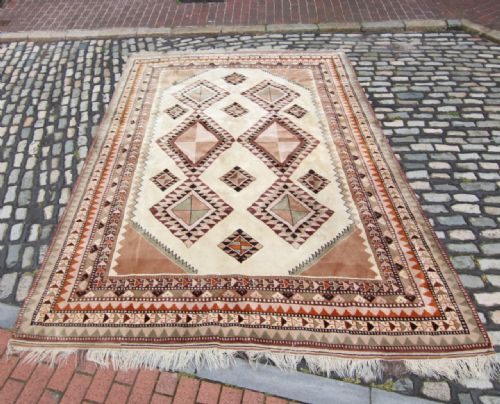
A flat weave wool carpet encompasses traditional flatwoven textiles, kilims, and storage bags originating from tribal and regional centres spanning the Caucasus, Anatolia, Central Asia, and Eastern Europe.
Buyers exploring this selection encounter pieces produced across distinct periods, stretching from the mid-nineteenth century through to the mid-twentieth century.
The prevalent forms on this page include room-sized carpets, runner rugs, prayer rugs, and functional nomadic storage bags constructed without a traditional pile.
Materials and construction
These textiles rely predominantly on wool and hand-spun wool, often combined with cotton foundations to provide structural stability during weaving.
Weavers utilised natural dyes to achieve rich colour palettes across traditional styles such as Bessarabian, Caucasian tribal, and Anatolian tribal designs.
Some nomadic storage bags still retain their original backings after a century.
Assessing quality in flat weave wool carpet
Quality rests upon the precision of the flat weave structure and the integrity of the natural dyes used across the field.
The sophistication of tribal iconography and the preservation of original dimensions distinguish finer examples from heavily repaired or altered textiles.
The Flat Weave Wool Carpet Glossary
- Kilim
- A flatwoven carpet or rug produced in countries of the former Ottoman Empire, Persia, and Central Asia. They lack a pile and feature slit-tapestry weaving techniques.
- Soumak
- A flatweave technique employing a wrapping stitch over warp threads, creating a sturdier structure with raised texture. This method often appears in Caucasian and Turkmen pieces.
- Mafrash
- A large storage bag used by nomadic tribes for bedding and household goods, typically constructed in parts and later opened into flat panels.
- Pile
- The vertical tufts of yarn that form the soft surface of knotted carpets, which flat weave wool carpet entirely lacks.
Flat Weave Wool Carpet: Frequently Asked Questions
What is a flat weave wool carpet?
A flat weave wool carpet is a textile constructed without a pile by interlacing warp and weft threads together. These pieces encompass traditional kilims, prayer rugs, and nomadic storage bags.
Originating from regions including Anatolia, the Caucasus, and Central Asia, these floor coverings rely on wool and hand-spun wool fibres. They provide a lightweight alternative to knotted carpets while displaying intricate tribal motifs.
How were these carpets used?
Nomadic and village communities utilised these flatwoven textiles as functional floor coverings, wall hangings, and blankets within tents and homes. Storage bags served practical transport needs during seasonal migrations.
Over time, many surviving examples transitioned into decorative items for domestic interiors. Their flat structure made them practical for layering or placing in high-traffic spaces.
How do I care for a flat weave wool carpet?
Regular gentle vacuuming without a rotating brush helps remove embedded dust and preserves the delicate flatweave structure. Professional cleaning tailored for antique wool textiles ensures the longevity of natural dyes.
Protecting the piece from prolonged direct sunlight prevents colour fading across natural dye wools. Using a suitable underlay prevents slipping and reduces friction against hard flooring.
How do regional designs differ?
Caucasian and Anatolian pieces often exhibit geometric medallions, sharp angles, and bold tribal iconography. Central Asian and Persian tribal works tend to feature repeating guls, rich reds, and distinct border arrangements.
European examples from regions like Bessarabia frequently incorporate floral patterns influenced by local weaving traditions. These stylistic variations help attribute pieces to specific groups and nineteenth or twentieth-century periods.