


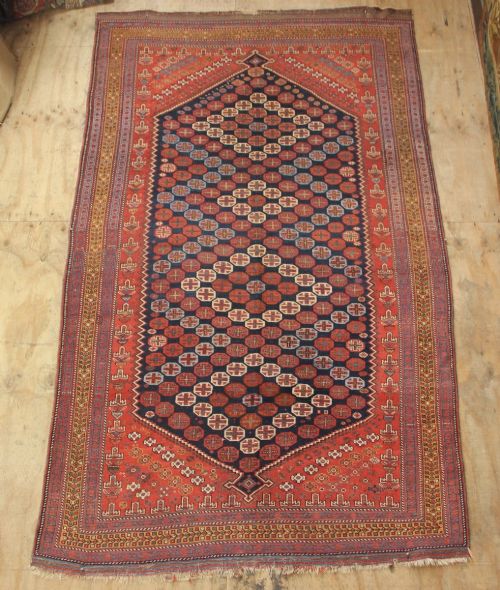

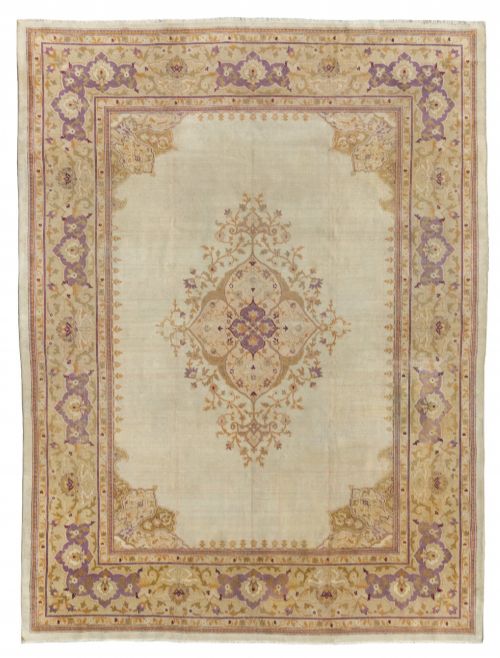
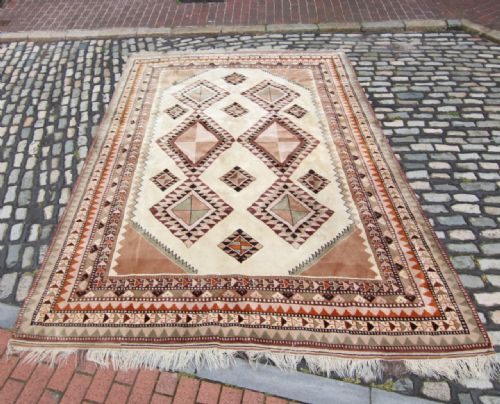
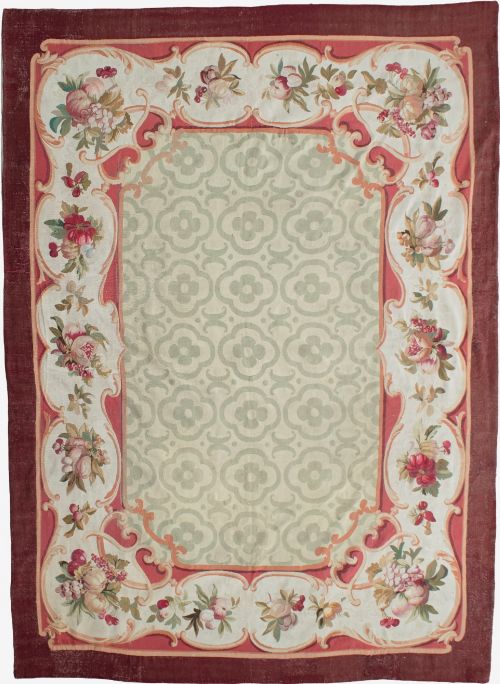
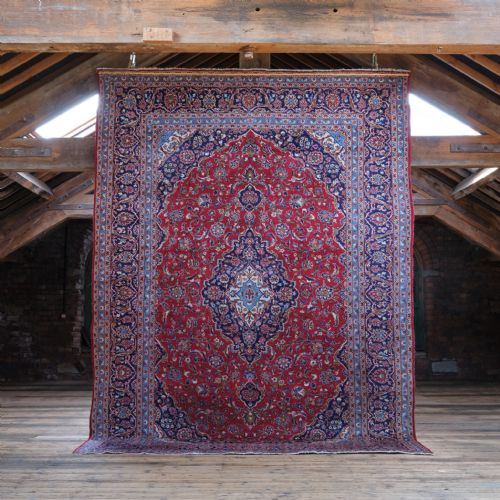
Large Woven Floor Carpet
A large woven floor carpet anchors a room with substantial regional character, bringing historic Persian, Turkish and Central Asian knotting directly beneath your feet.
Large Woven Floor Carpet
A large woven floor carpet encompasses substantial room-sized floor coverings originating from nineteenth and early twentieth-century weaving traditions. These textiles serve as major decorative foundations, historically produced in workshops and villages across Persia, Anatolia, and Central Asia.
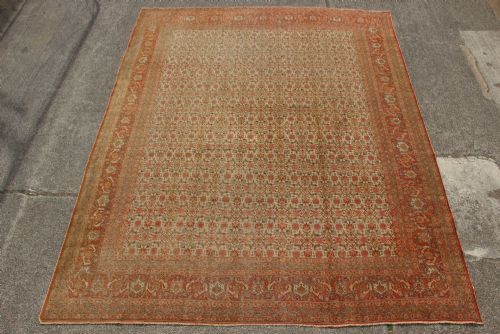
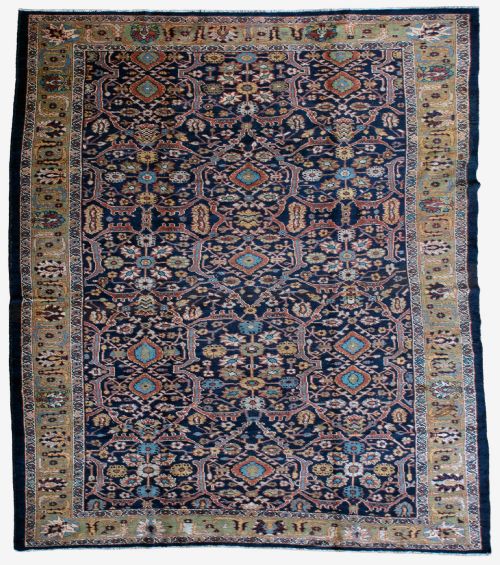
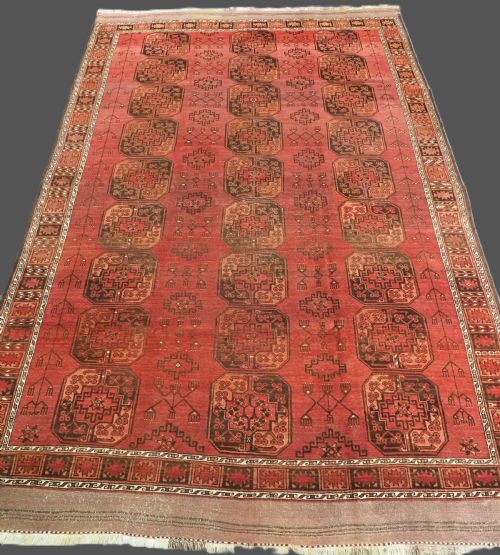
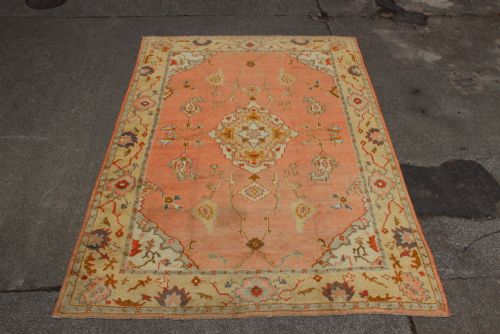
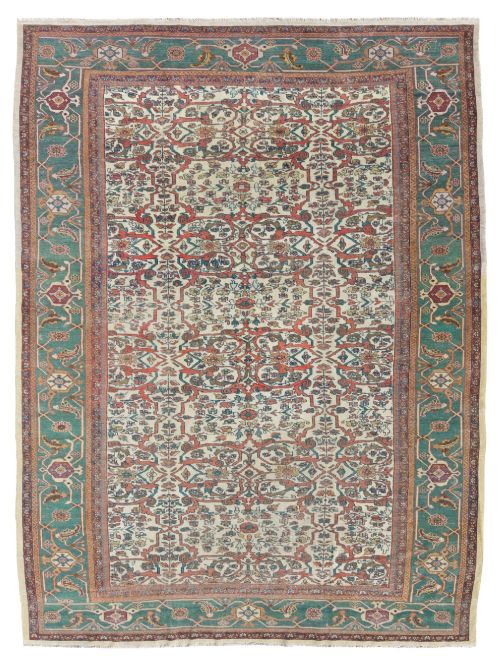
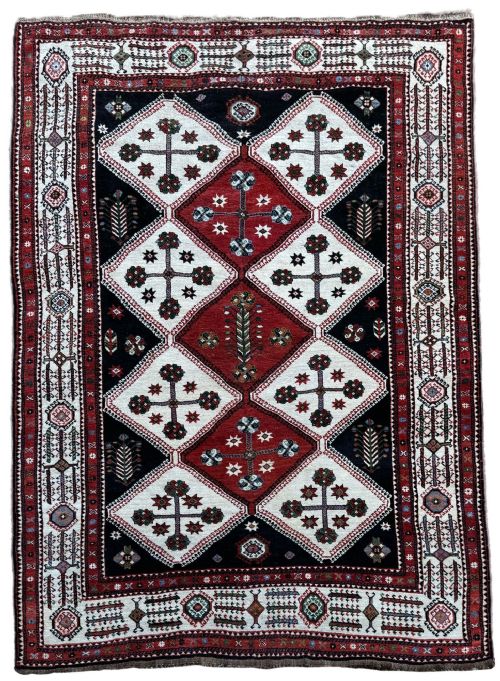
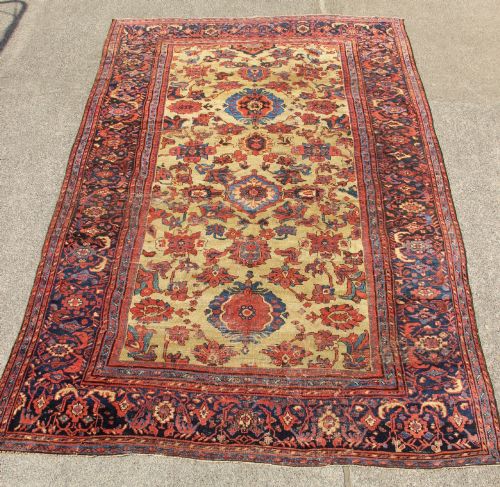
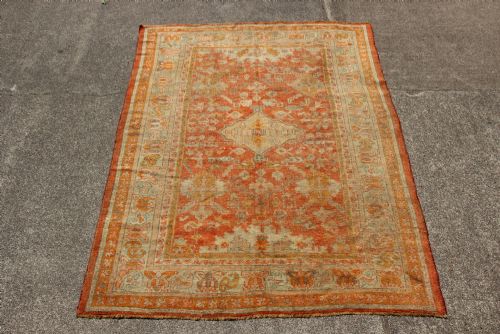
The specimens met on this page span diverse regional styles including Heriz, Tabriz, Oushak, and tribal Turkmen weaves. Each piece reflects the specific aesthetic vocabulary of its origin, ranging from geometric village designs to intricate city workshop medallions.
Formats extend from room-scale dimensions to palace-size carpets, accommodating expansive interiors. The prevalent examples demonstrate traditional hand-knotted and woven construction methods passed down through generations of artisans.
Materials and construction methods
Construction relies primarily on natural wool foundations and pile, often combined with cotton for warp and weft threads. Artisans utilise durable hand-knotting and weaving techniques to secure the pile firmly against heavy foot traffic.
Natural dyes provide the foundational palette, yielding rich tones that age with considerable depth. Selected pieces incorporate finer silk elements or angora wool to articulate specific details within the overall pattern.
Several carpets retain the small asymmetric irregularities woven by village artisans to ward off the evil eye.
Distinctions in quality
Quality rests upon the density of the knotting and the precision of the woven structure. Tighter knots allow for sharper delineation of intricate medallion and floral motifs across the surface.
The purity and depth of the natural dyes influence the visual longevity of the piece. Finer examples display harmonious colour saturation that matures gracefully across decades of exposure.
Benlian
The Large Woven Floor Carpet Glossary
- Warp
- The vertical threads stretched upon the loom that form the structural skeleton of the carpet. Fringe ends typically emerge from these parallel foundation threads.
- Weft
- The horizontal threads passed across the warp strands to lock the knots firmly in place. This process secures the structural integrity of each woven row.
- Pile
- The upright yarn surface formed by individual knots sheared to a uniform height. This layer receives direct contact during daily use.
- Medallion
- A large central ornamental design motif placed symmetrically in the middle of the field. Many traditional room-sized floor carpets anchor their composition around this focal point.
- Natural Dyes
- Colourants derived from plant, insect, and mineral sources prior to the widespread adoption of synthetic alternatives. These substances produce subtle variations in tone across the wool.
Large Woven Floor Carpet: Frequently Asked Questions
How do I clean a large woven floor carpet?
Professional dusting and specialist low-moisture washing preserve the wool pile and natural dyes. Avoid harsh chemical treatments and excessive water.
Regular gentle vacuuming without a rotating brush bar prevents dirt accumulation within the foundation fibres between professional maintenance sessions.
Can I place these carpets in high-traffic areas?
Traditional room-sized floor carpets utilise durable wool and sturdy cotton foundations built for heavy daily use. Placing a quality underlay beneath the textile prevents slippage and cushions the pile against hard flooring.
Rotating the textile periodically ensures even wear across the surface when exposed to directional sunlight and heavy foot traffic.
How do I identify the regional origin?
Stylistic markers such as geometric Heriz medallions, curvilinear Tabriz floral sprays, or tribal Ersari guls indicate specific geographic provenances. Examining the knotting density and palette reveals the workshop or village tradition.
Structural details in the selvedges and fringe construction further clarify whether a piece originates from an urban workshop or a nomadic tribal setting.