



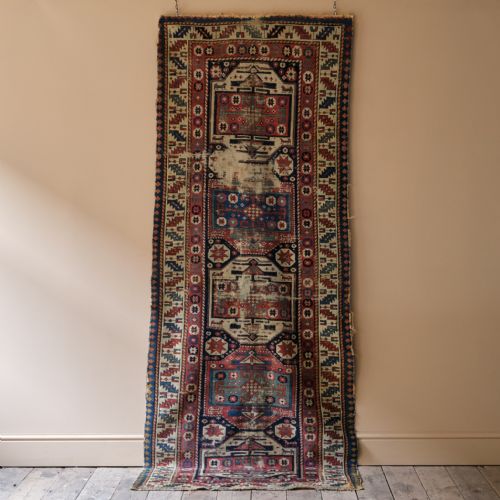


Large Wool Runner
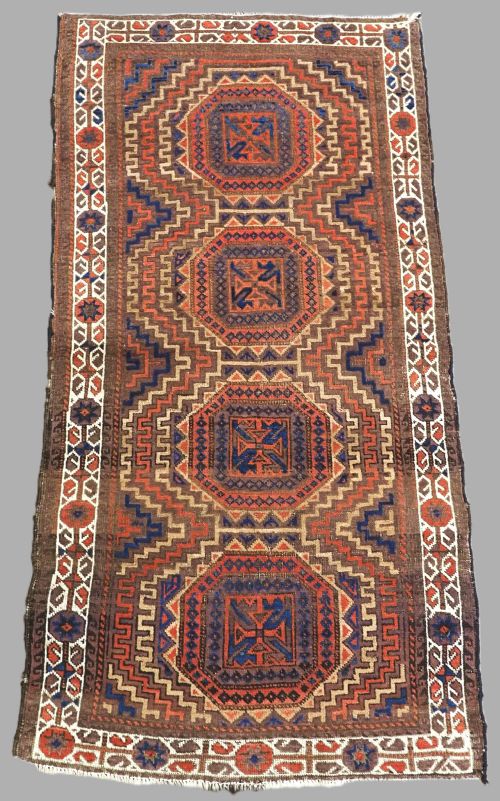
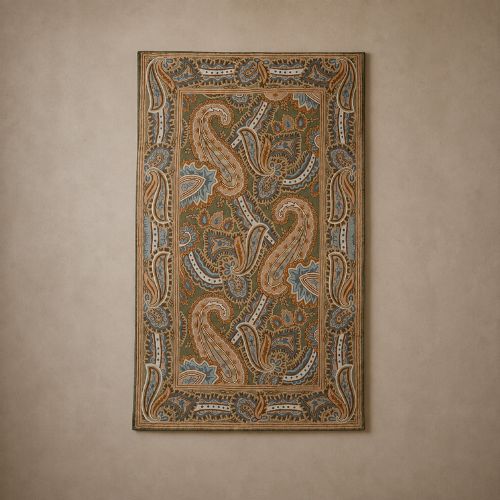
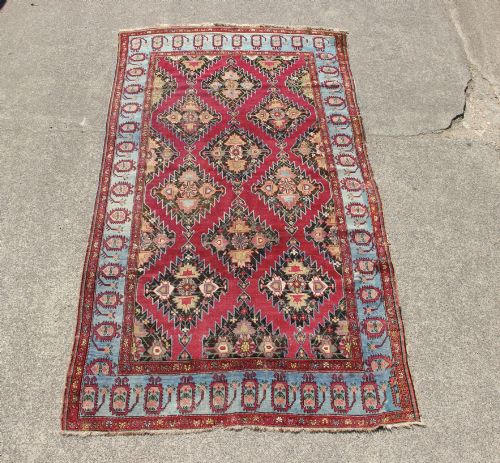
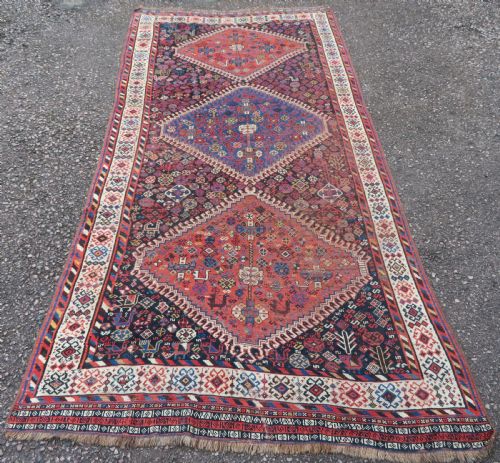
When you search for a large wool runner, you are looking at substantial antique floor coverings woven for long hallways and gallery spaces.
Large Wool Runner
A large wool runner serves as an elongated floor covering, designed specifically to traverse corridors, halls, and expansive interior pathways. These antique textiles bring warmth and pattern to narrow architectural spaces that might otherwise remain bare.
The selections available span various tribal and regional traditions, predominantly originating from Persian, Caucasian, and Central Asian workshops. Pieces date across the nineteenth and early twentieth centuries, reflecting the distinct weaving practices of nomadic and village communities.
Formats range from traditional hallway runners to long carpets and kelims, utilising durable materials suited for high-traffic areas. Buyers encounter structured geometric patterns alongside organic tribal motifs created by generational weavers.
Materials and construction methods
Construction relies primarily on natural wool, frequently hand-spun to create resilient piles and flatweave structures. Cotton and linen frequently provide the foundational warps and wefts that support the dense wool surface.
Natural dyes impart the rich colour palettes observed across these textiles, sourced from local plants and minerals. Certain examples incorporate metallic thread alongside wool to add subtle reflective details to the woven design.
Listings feature pieces spanning from the eighteenth century through the 1930s, utilising wool, cotton, linen, and natural dyes.
Distinctions in quality and execution
Quality reveals itself in the density of the knotting and the precision of the geometric or curvilinear layout. Tighter foundations and carefully prepared hand-spun wool yield greater durability and sharper definition in the motifs.
The depth and clarity of natural dyes distinguish superior examples, as well-executed botanical colour extraction retains vibrancy over generations of use. The harmony of the palette and the fluidity of tribal designs indicate the weaver's mastery.
The Large Wool Runner Glossary
- Runner
- A long, narrow carpet format traditionally utilised for hallways, corridors, and staircases.
- Gul
- A medallion or repeating octagonal motif frequently found in Turkmen and Baluch tribal weaving.
- Kelleh
- A large, elongated carpet format that is longer than a standard room-size rug but wider than a typical corridor runner.
- Kelims
- Flatwoven rugs and carpets produced without a raised pile by tightly interweaving warp and weft strands.
- Natural Dyes
- Colourants derived from organic sources such as plants, insects, and minerals rather than synthetic chemical compounds.
Large Wool Runner: Frequently Asked Questions
Where should I place a large wool runner?
These elongated floor coverings suit narrow hallways, long entrance galleries, and connecting corridors where linear decoration enhances the floor plan.
They also function effectively alongside large furniture pieces in long rooms to anchor specific pathways.
How do I care for antique wool runners?
Regular gentle vacuuming without a rotating brush roll prevents dust accumulation within the wool pile. Professional cleaning by specialists in antique textiles ensures the preservation of natural dyes and foundational fibres.
What is the difference between a kelim and a pile runner?
Kelims are flatwoven without any raised pile, resulting in a lighter and thinner textile structure. Pile runners feature knotted wool fibres that create a thick, plush surface underfoot.
How do I identify tribal and village designs?
Tribal designs often feature repeating geometric guls, stepped medallions, and asymmetrical motifs drawn from memory rather than precise cartoons. Village pieces display local regional traditions and stylized floral elements handed down through generations.