




Large Wool Persian Carpet
When you want a large wool persian carpet, you are looking at substantial floor coverings woven in Iran from wool and cotton.
Large Wool Persian Carpet
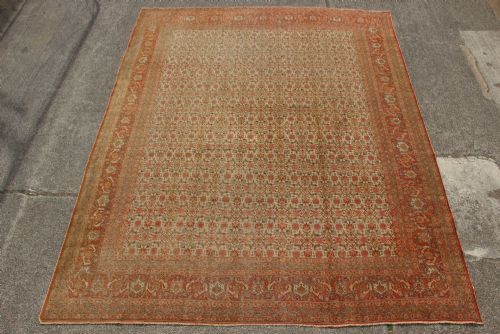
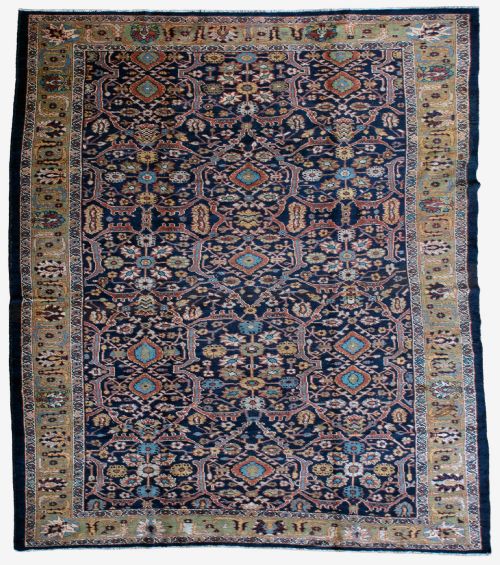
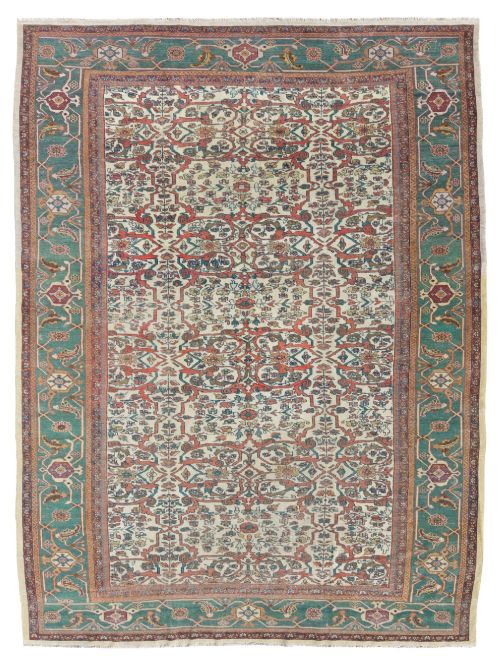
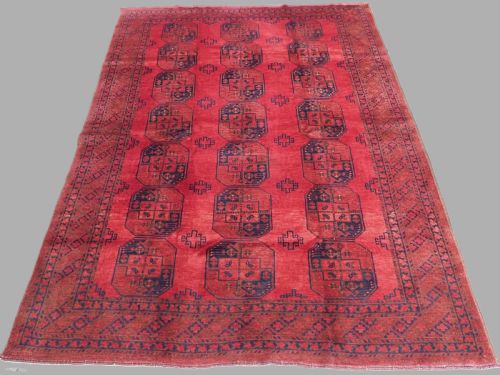
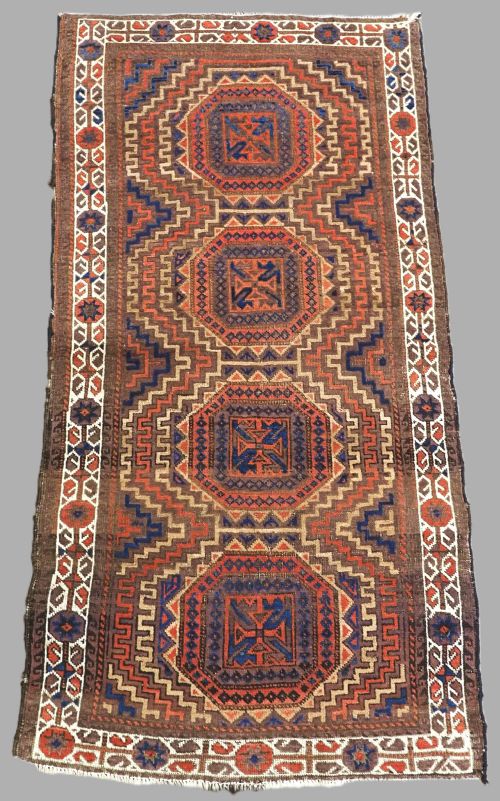
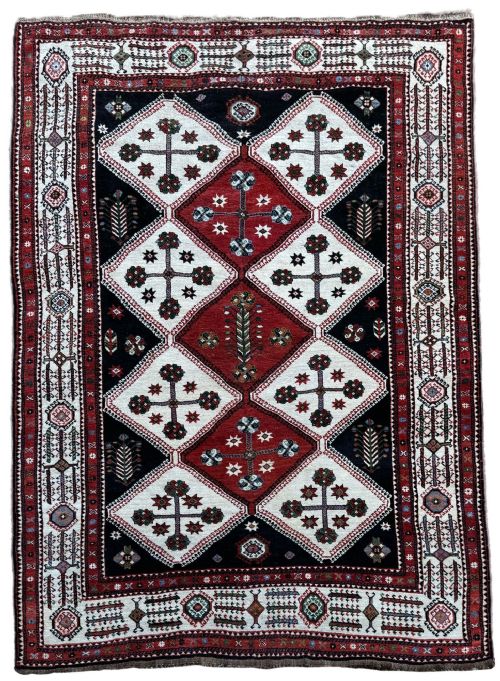
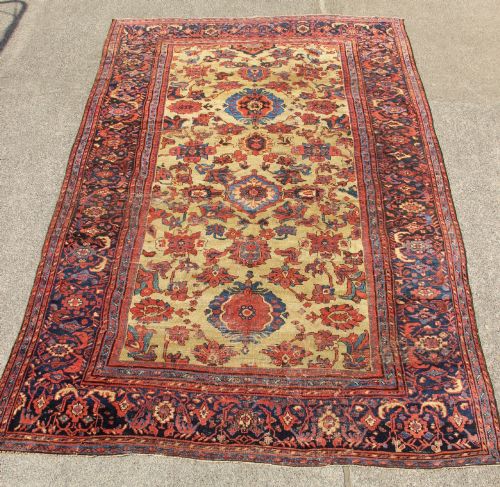
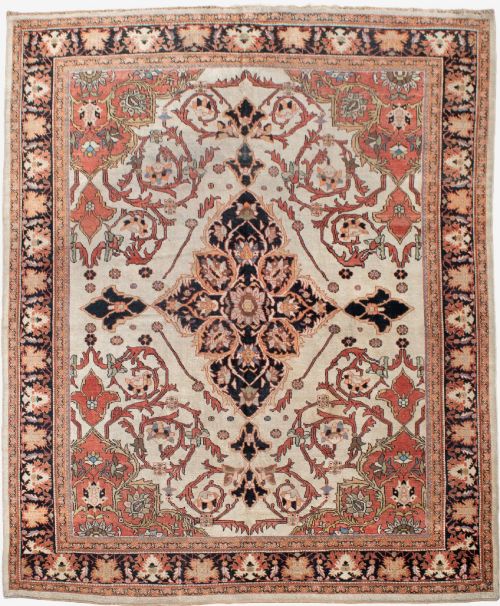
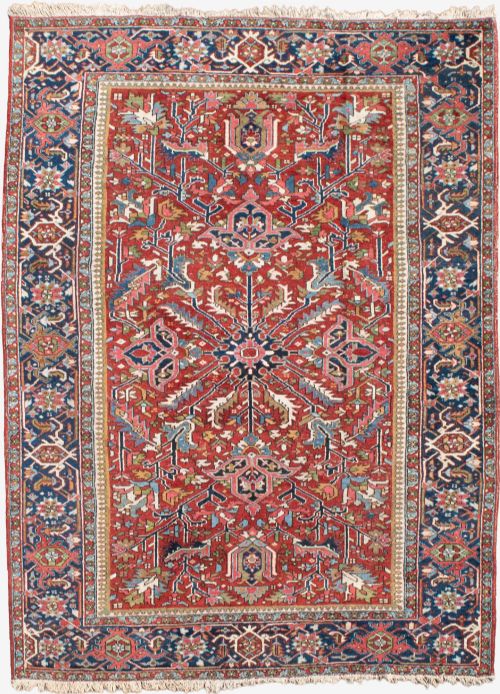
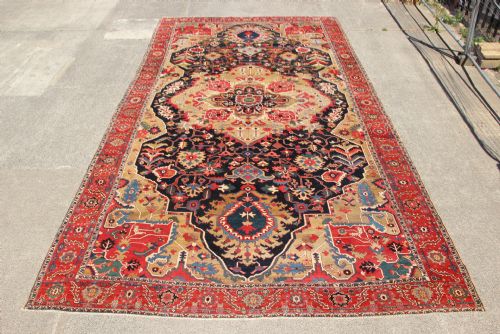
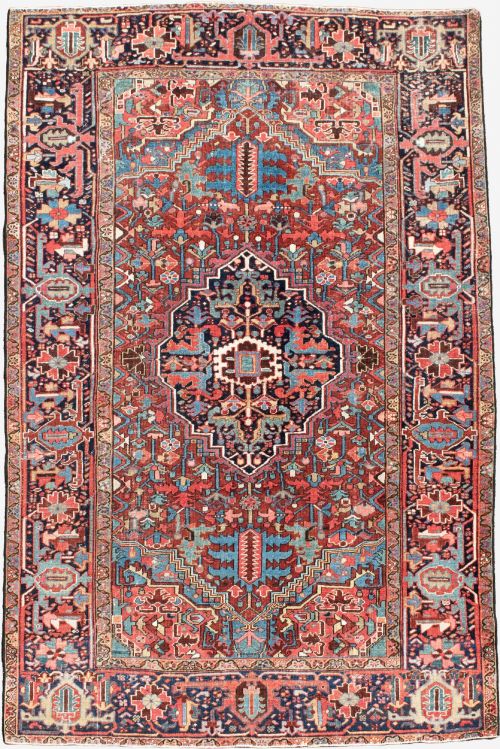
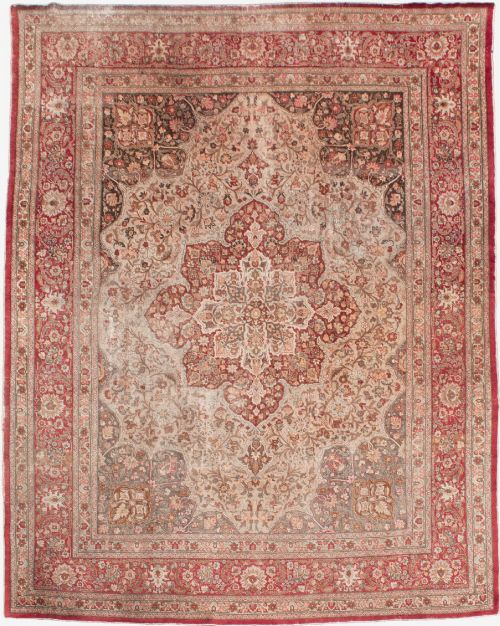
A large wool persian carpet covers generous floor spaces in rooms, taking the form of traditional room-sized carpets and country house carpets. These pieces emerge from weaving traditions across various Persian districts and villages, spanning periods from the nineteenth century into the twentieth century. The examples seen on this page include Heriz, Mahal, Sultanabad, Tabriz, Ferahan, and Kirman origins.
Buyers meet specimens with diverse design schemes, ranging from geometric Heriz medallions to all-over patterns and detailed pictorial compositions. Many pieces incorporate robust village structures, while others present city workshop refinements with intricate floral details. The palette stretches from warm reds and ivory grounds to sky blue and multicoloured configurations.
Distinctions in Quality
The fineness of the knotting and the complexity of the design define the upper tiers of these carpets, alongside the precision of the drawing. City workshop pieces often display greater intricacy in floral motifs compared to village counterparts.
The handling of the wool and the depth of the palette contribute to the overall visual impact of each carpet. Condition and integrity of the original foundation edges also influence the standing of an individual piece.
Many village weavers worked from memory, letting geometric patterns evolve organically across the loom without drawn paper cartoons.
Heriz·Tabriz·Sultanabad·Kirman
The Large Wool Persian Carpet Glossary
- Heriz
- A style of carpet originating from north-west Persia, known for bold geometric medallion designs and robust construction. These pieces frequently feature large central motifs flanked by stylised corner pieces.
- Mahal
- A category of room-sized carpets produced in the Mahallat region, typically displaying relaxed, large-scale floral patterns and softer wools. They often utilise muted or earthy colour palettes.
- Tabriz
- A major weaving centre in north-west Persia producing city carpets with refined designs, ranging from classic medallions to pictorial hunting scenes. The knotting is generally fine and tightly packed.
- Sultanabad
- A nineteenth-century commercial weaving classification associated with large-scale decorative carpets exported to Western markets. They are characterised by bold, sprawling patterns and substantial dimensions.
- Warp
- The vertical foundation threads stretched lengthwise on the loom, onto which the wool pile is knotted. Cotton is the standard material used for these structural elements in Persian weaving.
Large Wool Persian Carpet: Frequently Asked Questions
How do I care for a large wool persian carpet?
Vacuum gently without using a beater bar to prevent pulling the wool pile. Rotate the carpet periodically to ensure even wear across high-traffic areas.
Keep the piece away from direct, prolonged sunlight to protect the natural dyes. Consult a specialist professional cleaner experienced in antique textiles for washing.
Where were these carpets originally made?
These floor coverings originated in various towns, villages, and tribal regions across Persia, now modern Iran. Different districts developed distinct visual vocabularies and structural techniques.
City workshops like Tabriz and Kirman produced refined, detailed pieces, while regions such as Heriz and Sarouk yielded bolder, geometric or village-style compositions.
How can I tell different regional styles apart?
Examine the central motifs and background patterns for clues about origin. Heriz carpets typically feature geometric medallions and angular corners, whereas Tabriz pieces often display curvilinear floral designs and fine work.
Palette choices also help distinguish types, with certain villages favouring warm reds and blues while others utilise ivory or light grounds.
What materials make up these antique carpets?
The soft surface pile consists entirely of natural sheep wool, which provides resilience and warmth. Foundation threads running beneath the pile utilise cotton for structural stability.
These traditional materials allow large room-sized carpets to maintain their integrity over many decades of domestic use.