
Large Wooden Table
A large wooden table anchors a room with presence, offering enduring utility across centuries of dining and gathering.
Large Wooden Table
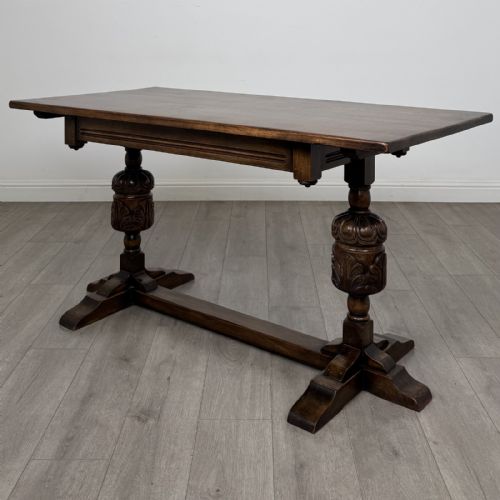
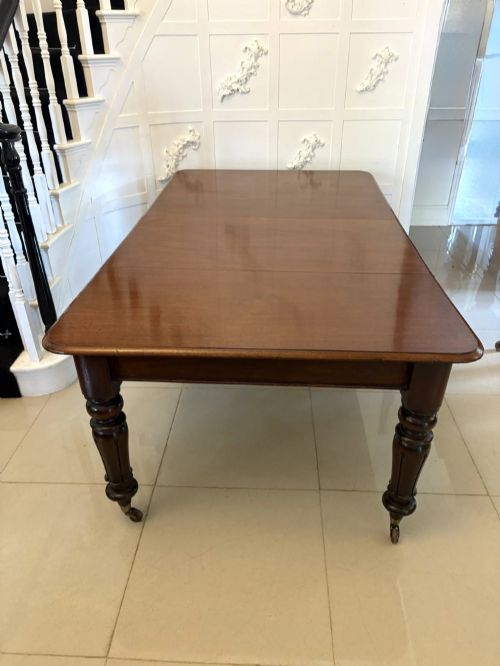
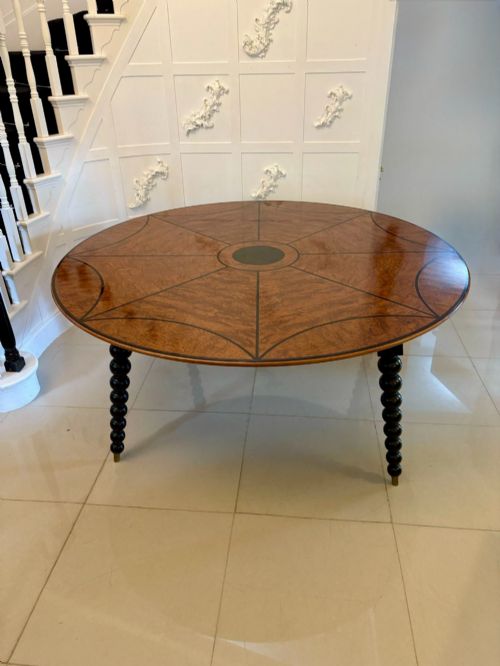
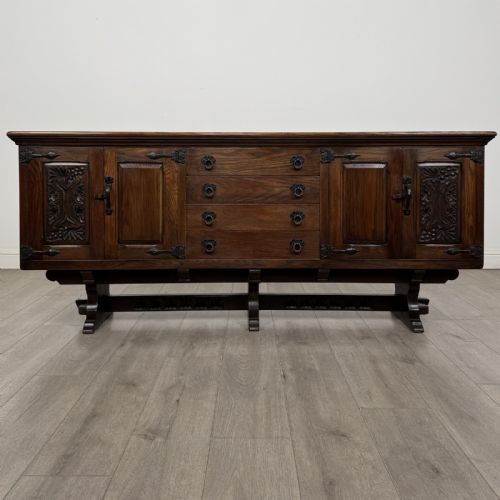
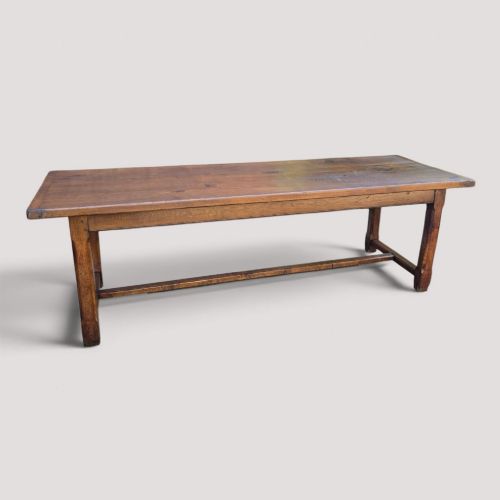
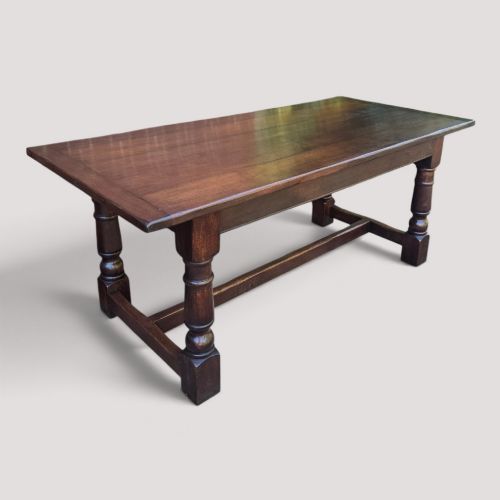
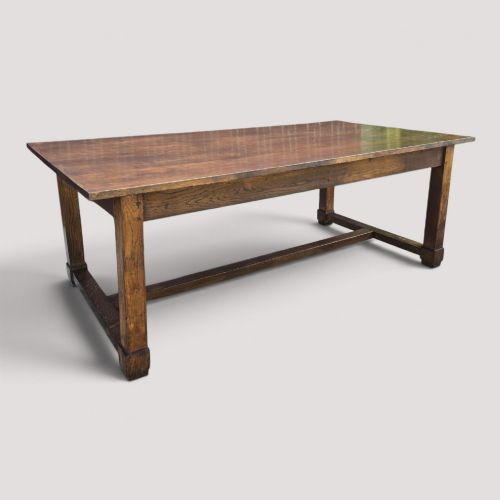
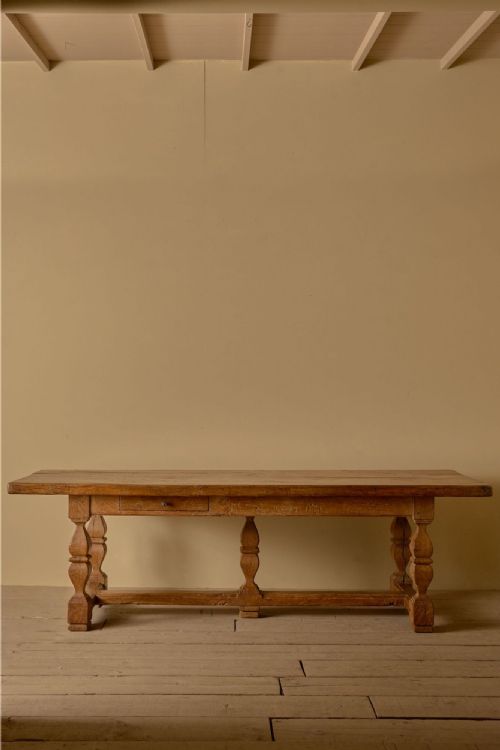
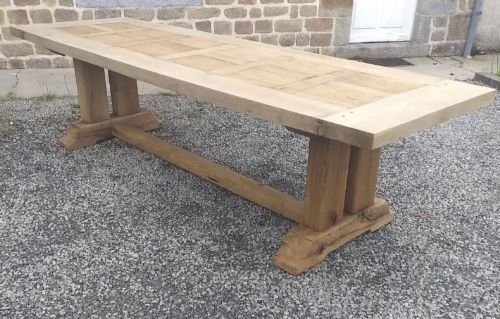
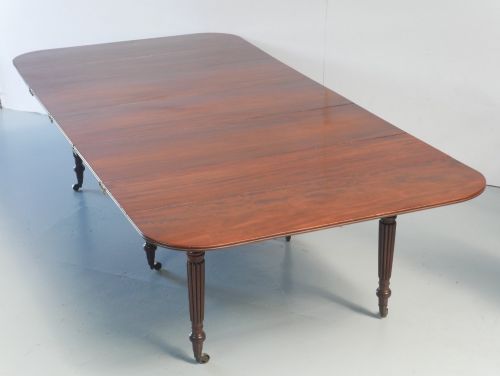
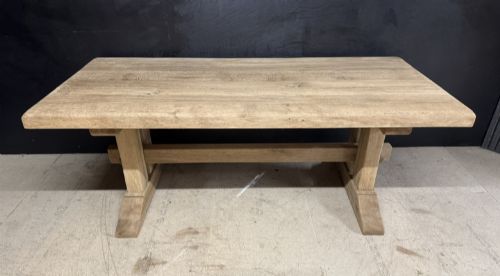
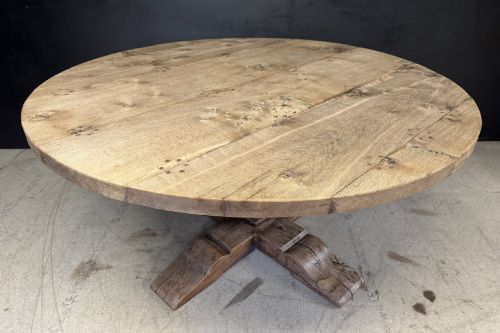
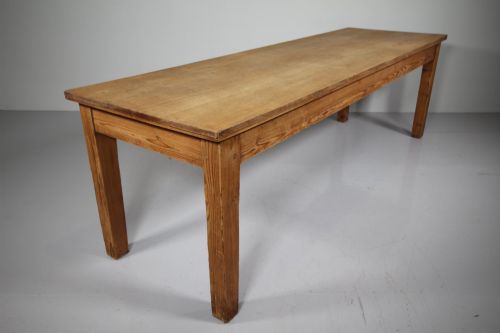
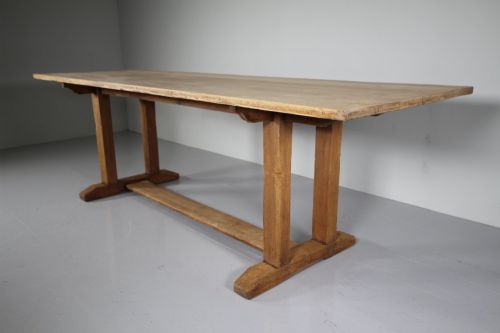
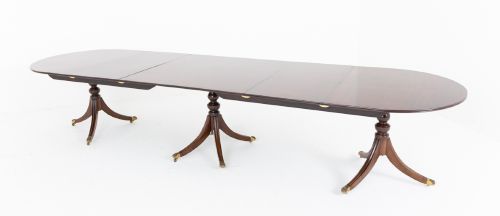
A large wooden table serves as the primary gathering surface in homes, taking forms such as extending dining tables, refectory tables, and kitchen tables. When searching for a large wooden table, buyers encounter heavy oak refectory examples, mahogany pedestal dining pieces, and substantial pine or fruitwood farmhouse tables.
The selection spans periods from the Georgian era through the Victorian period, Edwardian times, and into the early twentieth century. These pieces originate from English workshops, French provincial makers, and wider international sources, reflecting diverse domestic and institutional uses.
How they were made
Cabinet makers and joiners utilised native and imported hardwoods like oak, mahogany, walnut, and pine, frequently combining timbers such as oak and beech for structural strength. Construction involved traditional joinery techniques, turning for pedestal bases, and trestle supports for heavy refectory forms.
Surfaces were finished with wax, polish, or paint, while extending mechanisms relied on sturdy wooden runners and multiple leaves to accommodate large numbers of diners.
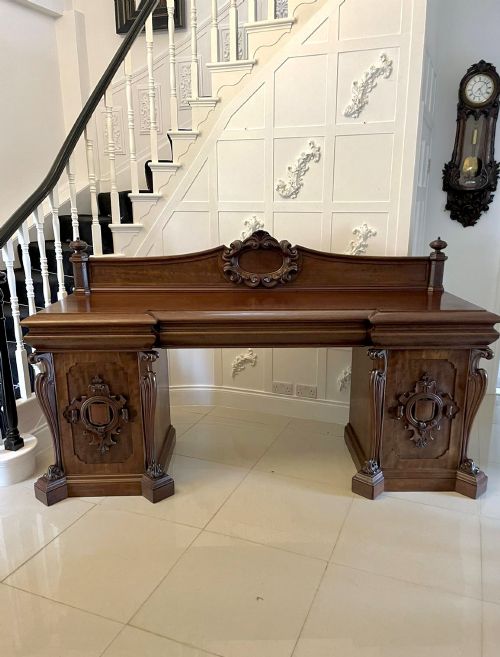
Object forms span dining tables, refectory tables, console tables, desks, centre tables, and dining sets.
What varies in quality
Quality rests in the selection of figured timber, the integrity of the structural joinery, and the proportion of the base to the top. Tables featuring multiple original extending leaves, sophisticated pedestal carvings, or substantial refectory trestles represent higher tiers of craftsmanship.
The distinction between standard utility items and exhibition pieces lies in the refinement of the carved details, the stability of the extending mechanisms, and the purity of the period style.
Widenham of London
The Large Wooden Table Glossary
- Refectory table
- A long narrow table traditionally used for dining in monastic or institutional settings. These pieces feature sturdy trestle ends or heavy legs linked by low stretchers.
- Pedestal table
- A table supported by one or more central pillars rather than four corner legs. These pillars often branch into carved feet to support heavy extending dining tops.
- Extension leaf
- A removable board inserted into a table top to increase its length. Multiple leaves allow the table to seat large numbers of guests.
- Figured mahogany
- Mahogany timber exhibiting attractive natural grain patterns such as flame or fiddleback. Cabinet makers utilised this timber on prominent surfaces for decorative effect.
- Console table
- A table designed to stand against a wall, frequently featuring elaborate carved decoration or a mirror back. These pieces served decorative and functional roles in reception rooms.
Large Wooden Table: Frequently Asked Questions
How do I choose the right size table?
Consider the dimensions of your room and leave adequate space around the perimeter for chairs to pull out comfortably. Account for the maximum seating capacity when using all extension leaves.
Measure doorways and stairwells to ensure safe delivery of large timber pieces into your home.
How do I care for a antique wooden table?
Maintain timber surfaces by dusting regularly with a soft, dry cloth and applying traditional beeswax periodically to nourish the wood. Avoid placing tables in direct sunlight or near heat sources to prevent timber splitting.
Use coasters and placemats to protect polished or waxed finishes from moisture and heat damage.
How do I identify the period of a table?
Examine the construction methods, tool marks beneath the top, and timber characteristics to determine the era of manufacture. Georgian and Victorian pieces often display distinct joint types and hardware consistent with their respective periods.
Compare the leg styles, turning details, and overall proportions against established design motifs from the eighteenth and nineteenth centuries.
Can I use an antique table daily?
Solid hardwood tables built from oak, mahogany, or walnut possess robust construction suitable for daily family use. Sturdy refectory and farmhouse tables withstand regular dining and kitchen activities.
Treat the surface with reasonable care to preserve the patina and finish developed over generations of use.