

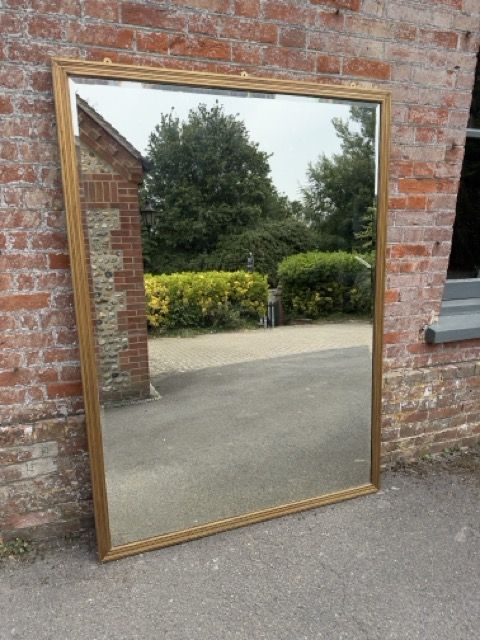
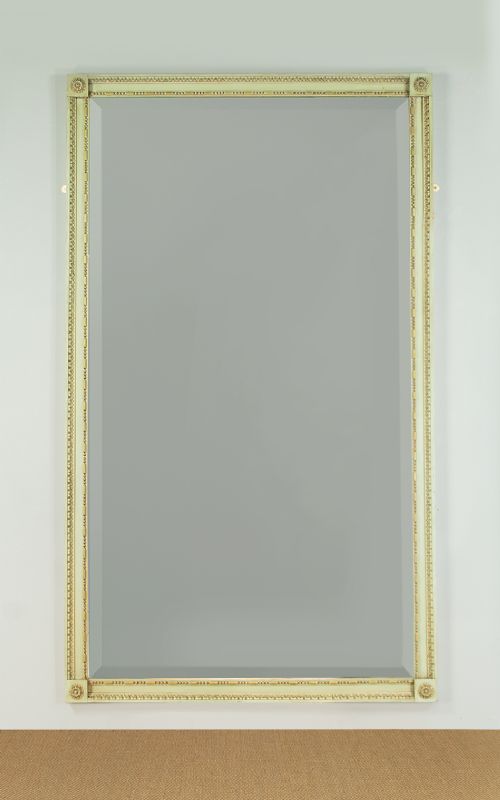
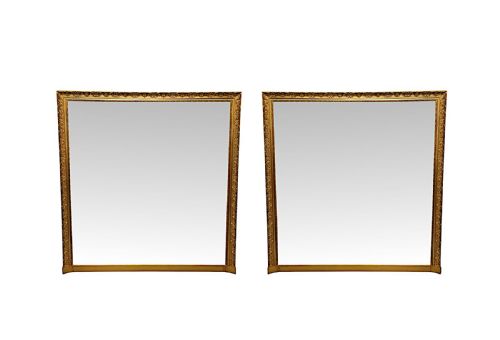
Large Wooden Framed Mirror
A large wooden framed mirror anchors a room, bringing light and depth through substantial timber and glass fashioned across the nineteenth and twentieth centuries.
Large Wooden Framed Mirror
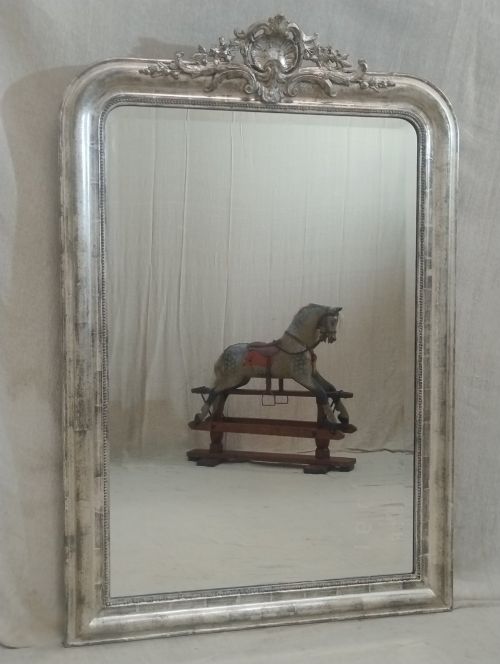
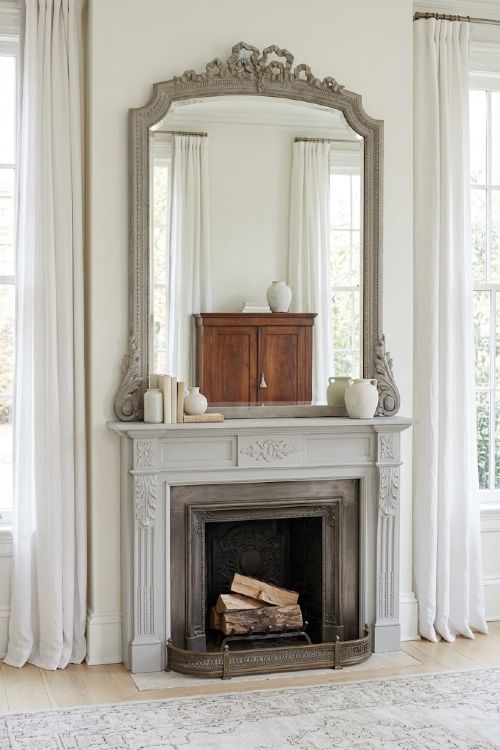
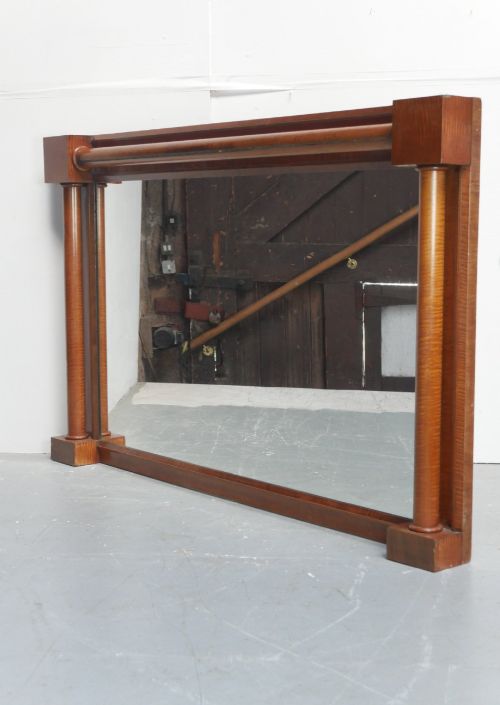
When you search for a large wooden framed mirror, you encounter substantial wall-hanging and overmantel forms constructed primarily in oak, mahogany, walnut, and giltwood. These pieces serve functional and decorative roles, originating from nineteenth-century English country houses, French chateaux, and Edwardian domestic interiors.
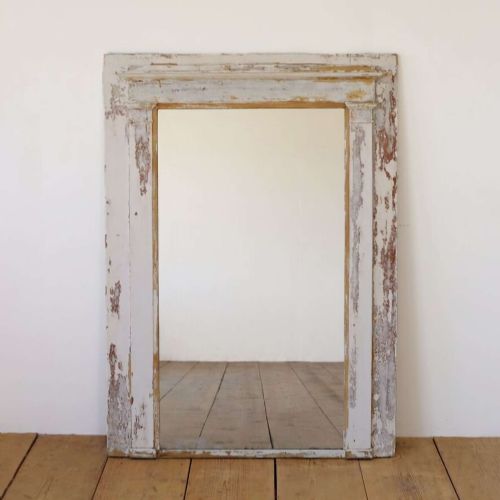
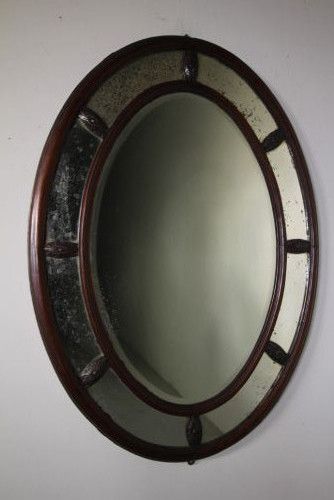
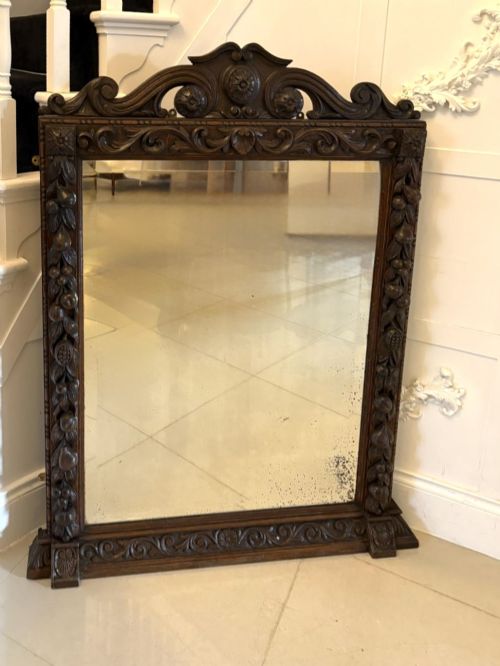
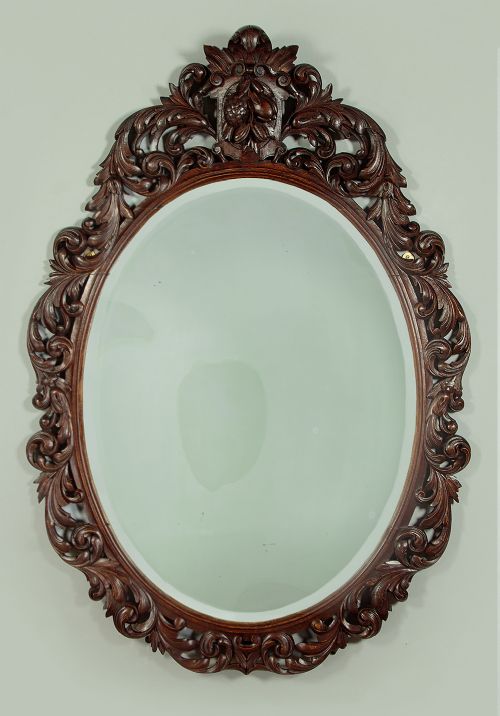
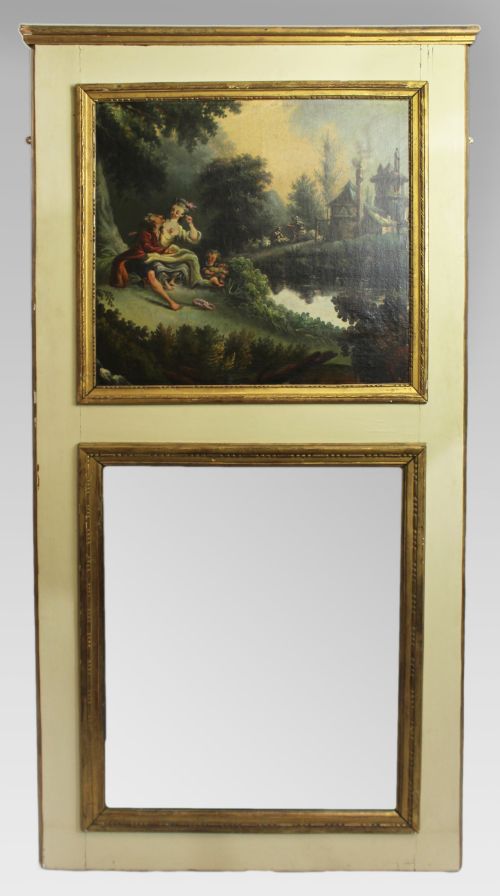
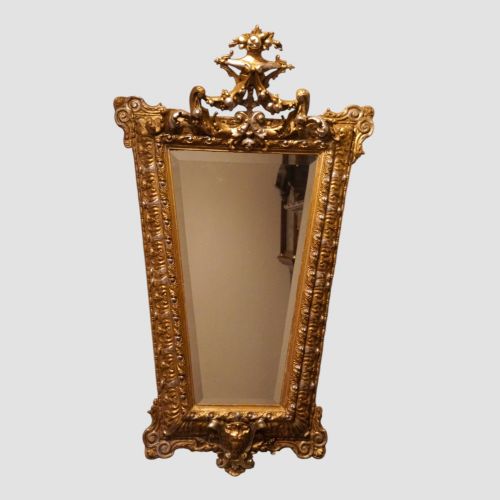
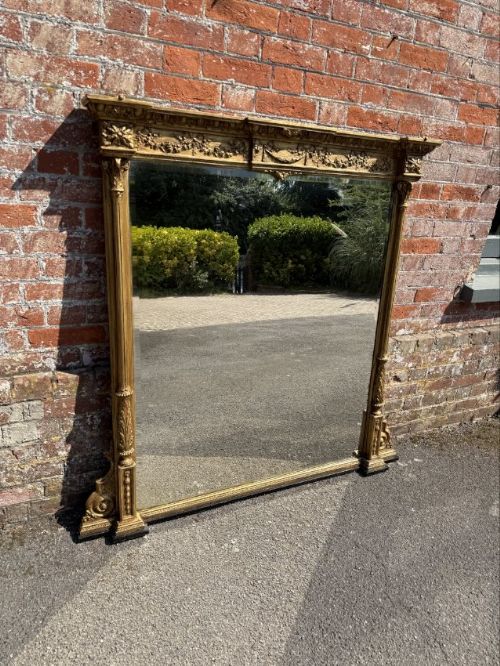
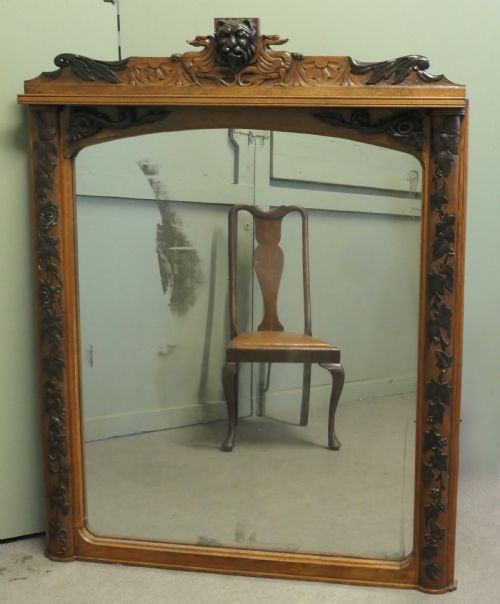
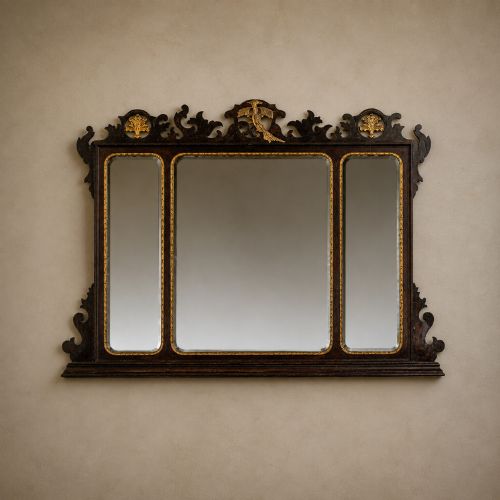
The most common versions met on this page include Victorian and later oak wall mirrors, heavily carved overmantels, and taller French trumeau designs incorporating pastoral paintings or aged gilt finishes. The selection ranges from plain moulded timber frames to elaborate Rococo, Arts and Crafts, and Gothic revival styles.
How they were made
Makers constructed these frames using solid hardwoods like oak, walnut, and mahogany, frequently applying carved gesso and gold leaf or silver-gilt surface treatments to softer woods. Joinery techniques varied from traditional mortise and tenon frames to complex applied mouldings and hand-carved crestings.
Surfaces often show applied paint, ebonising, or parcel gilt highlights over timber substrates, housing heavy glass plates secured with traditional wooden backs.
What varies in quality
The depth and crispness of hand-carved detail separate superior examples from routine production, particularly in ornamental elements like fruitwood swags, crestings, and gesso relief work. Timber selection also dictates grade, with dense figured mahogany, quarter-sawn oak, and rich walnut marking out finer commissions.
Originality of the glass plate and surface finish determines the standing of a piece, alongside the architectural integrity of the frame joints and the retention of original gilding.
The Large Wooden Framed Mirror Glossary
- Overmantel mirror
- A large mirror designed specifically to hang above a fireplace mantelpiece. These often feature horizontal proportions to span the width of the hearth.
- Giltwood
- Timber, typically carved gesso over wood, coated with gold leaf. This finish produces a bright metallic sheen common on nineteenth-century decorative frames.
- Trumeau
- A decorative wall mirror combined with an oil painting or panel above the glass. Originating in France, these tall vertical pieces fit between windows.
- Ebonised
- Wood finished to resemble ebony through staining or painting dark black. This treatment gained popularity during the Victorian period for dramatic contrast.
Large Wooden Framed Mirror: Frequently Asked Questions
How do I hang a heavy mirror safely?
Substantial frames require heavy-duty wall fixings anchored directly into masonry or secure stud work. Professional mirror hangers utilise split battens or robust steel brackets rated for the total weight.
Position the fixings to distribute the load evenly across the upper frame structure, ensuring the wall type supports the specific downward force.
Can I place these mirrors in a bathroom?
High humidity and fluctuating temperatures can damage historic gilt surfaces, gesso, and unsealed timber frames. Moisture penetrates old wood and accelerates silver degradation behind the glass plate.
Keep these pieces in dry reception rooms, hallways, or bedrooms where environmental conditions remain stable.
How do I date a wooden mirror?
Examine the construction methods visible on the reverse, including the type of screws, backing boards, and joinery. Wood species, carving styles, and the manufacturing traits of the glass plate provide further chronological markers.
Styles such as heavy oak Gothic revivals or delicate Arts and Crafts motifs align with specific decades between the early nineteenth and early twentieth centuries.
What is the difference between an overmantel and a wall mirror?
Overmantel mirrors are traditionally built to sit directly on or immediately above a fireplace, often featuring wide horizontal formats designed to match mantel widths. Standard wall mirrors hang independently at various heights across different rooms.
Overmantels frequently incorporate architectural elements suited to hearth settings, whereas wall mirrors serve general decorative and reflective purposes.