

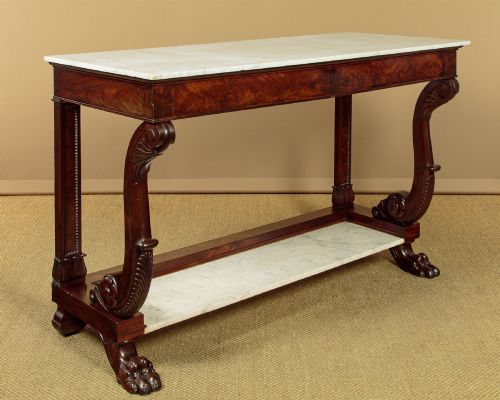

Large Wood Table
A large wood table anchors a room, offering generous proportions for gathering or serving.
Large Wood Table
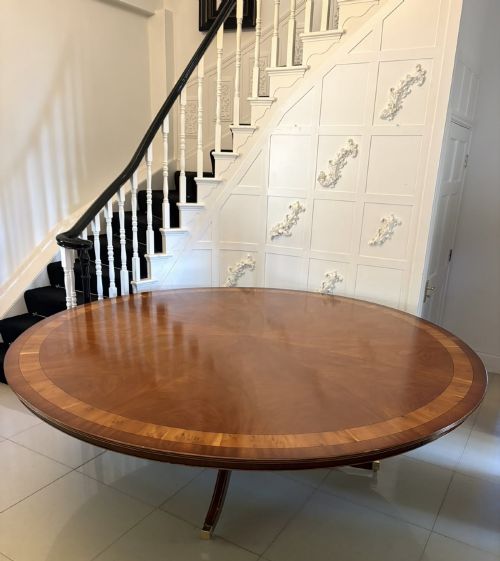
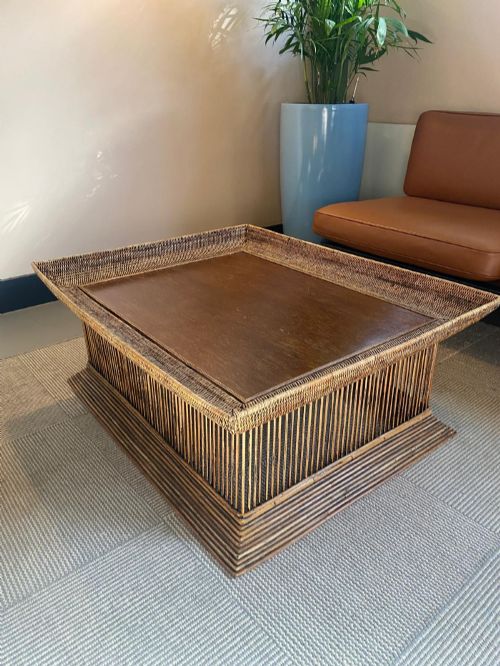
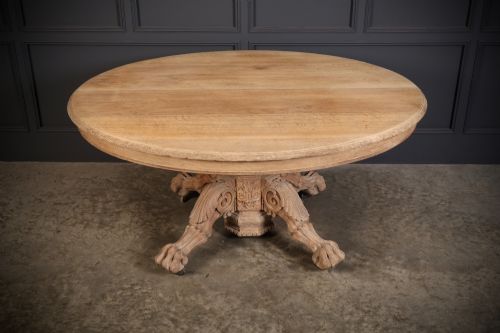
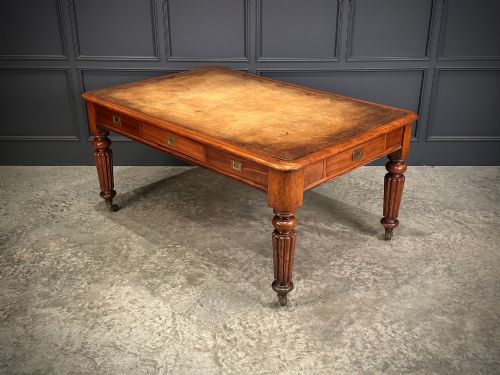
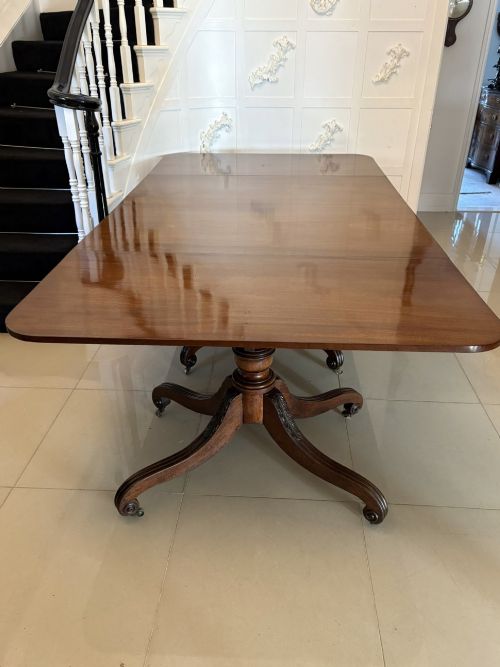
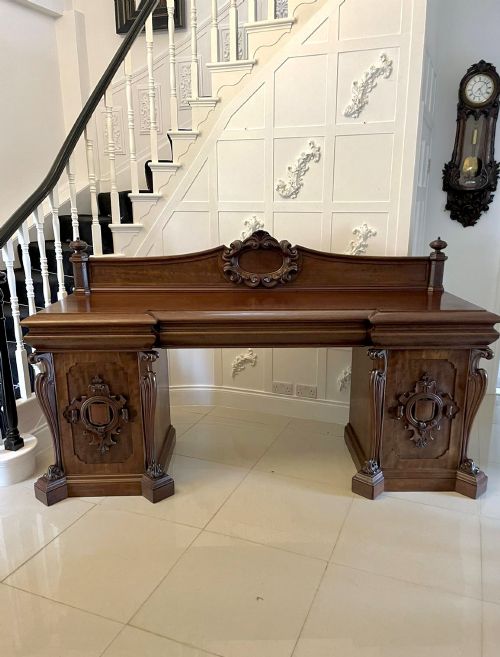
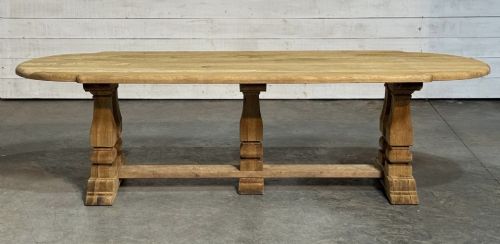
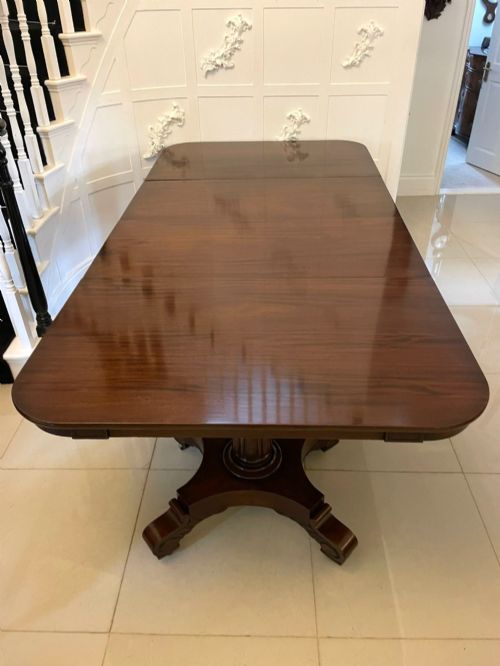
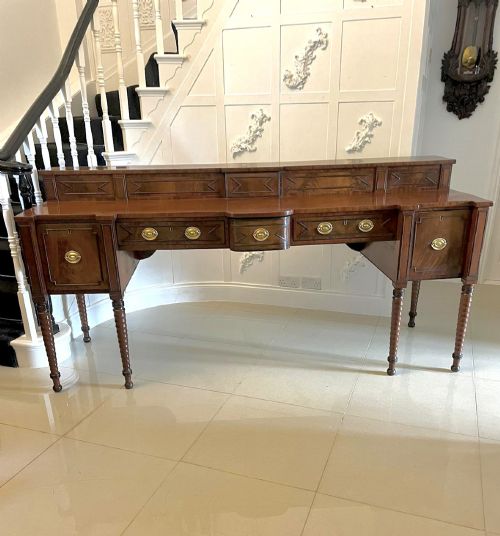
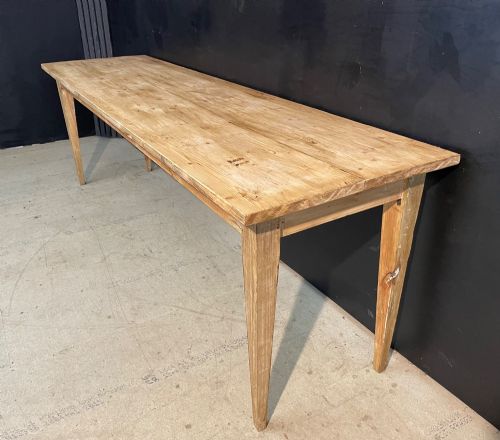
A large wood table serves primarily as a dining surface or central gathering point within a home. These substantial pieces appear in various forms, including refectory tables, pedestal dining tables, and farmhouse tables.
The selections span multiple historical periods, ranging from the eighteenth century through the nineteenth century and into the early twentieth century. Mahogany and oak dominate the offerings, alongside pine, elm, and cherrywood.
Buyers encounter numerous regional styles, such as French Provincial, Georgian, Regency, and Victorian. Many pieces incorporate extension mechanisms to accommodate large numbers of diners.
Materials and Construction
Cabinet makers utilised dense hardwoods like figured mahogany and oak for structural integrity and refined surfaces. Pine and fruitwoods such as cherrywood served frequently in provincial kitchen and farmhouse contexts.
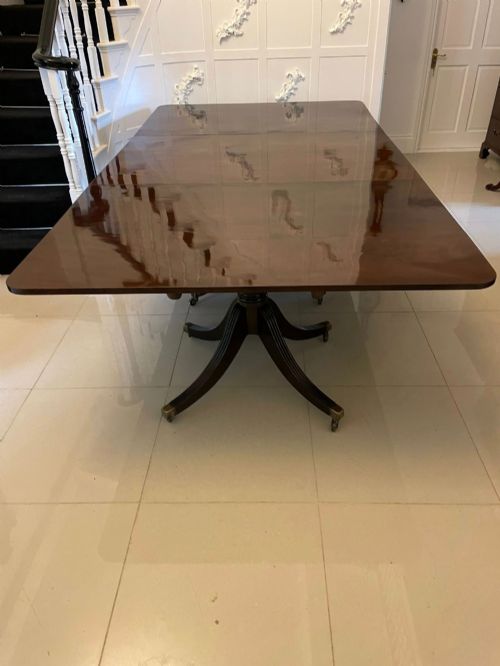
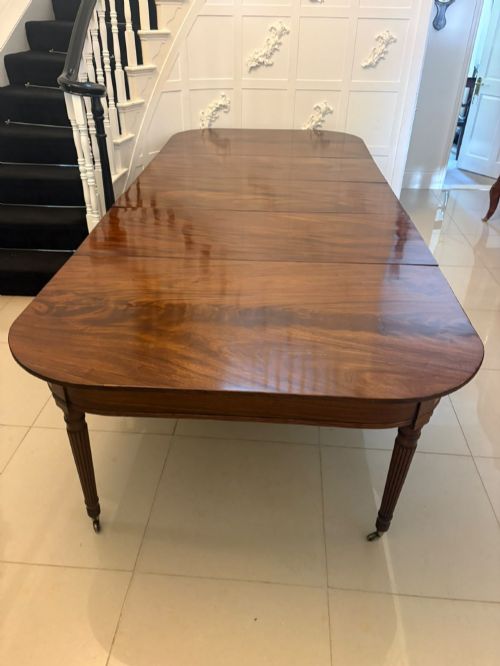
Extension systems relied on sturdy timber runners and removable leaves, while pedestal bases utilised turned pillars and mahogany legs with brass fittings.
Surface treatments included polished finishes on formal dining tables and simpler treatments on plain plank tops.
Large Wood Table Retail Price Guide 2026
Typical asking prices for large wood table among the pieces listed under this phrase on Sellingantiques today, from the lower quarter to the upper quarter. They describe what is for sale here now, not the wider market.
Listings feature woods including mahogany, oak, pine, elm, and cherrywood across eighteenth, nineteenth, and twentieth-century periods.
Assessing Quality
The selection of timber dictates the visual impact, with figured mahogany and single-plank oak representing superior material choices. Grain patterns and the matching of timber across extended leaves demonstrate the maker's skill.
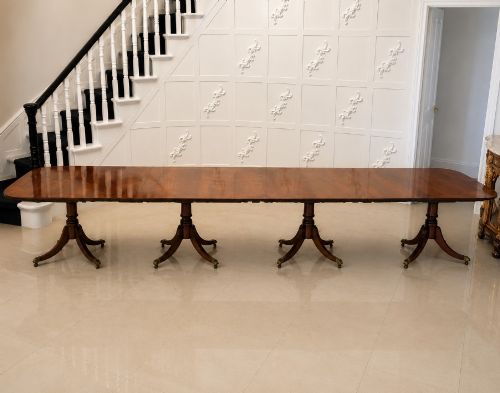
Proportion and structural complexity distinguish standard domestic items from grand banquet tables featuring multiple pedestals and carved details. Original components, including leaves and turning, maintain the integrity of the piece.
The Large Wood Table Glossary
- Refectory table
- A long, narrow dining table traditionally used in communal dining halls and constructed with sturdy wooden legs connected by low stretchers.
- Pedestal table
- A table supported by one or more central columns standing on a weighted base or feet rather than four corner legs.
- Figured mahogany
- Mahogany timber displaying decorative natural grain patterns such as flame, fiddleback, or curl, prized for high-end furniture.
- Extending table
- A table designed with internal mechanisms or loose leaves to increase its overall surface length for seating additional guests.
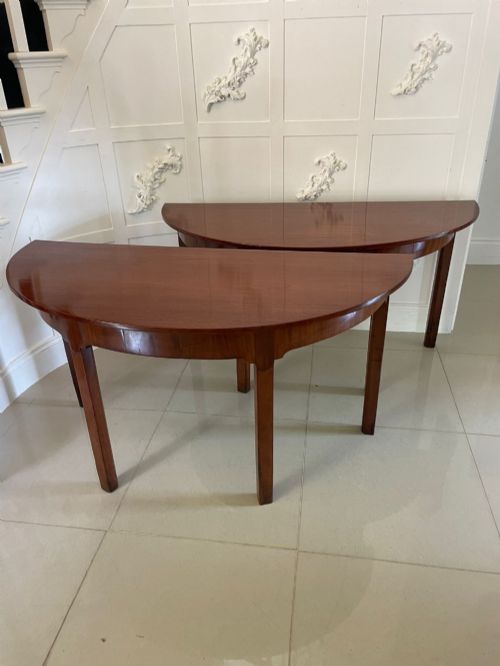
- Demi-lune
- A half-moon shaped furniture form often utilised for console tables or modular dining arrangements.
Large Wood Table: Frequently Asked Questions
How do I measure for a large wood table?
Measure the intended room dimensions carefully, ensuring adequate clearance around all sides for chairs and movement.
Account for any additional leaves if the table extends, so the space remains functional when fully opened.
What periods do these tables come from?
The pieces span the eighteenth, nineteenth, and early twentieth centuries, including Georgian, Regency, and Victorian eras.
Each period exhibits distinct stylistic traits in its timber selection, leg turning, and edge profiles.
Are these tables suitable for everyday dining?
These robust tables were constructed from durable hardwoods like oak and mahogany specifically for regular daily use.
Routine maintenance with appropriate wood care preserves the surface polish against daily wear and spills.
How do pedestal and refectory tables differ?
Refectory tables feature linear stretcher bases running near the floor, offering a traditional rustic or formal appearance.
Pendestal tables place support columns under the centre of the top, which maximises legroom for seated guests.