





Large White Wall Mirror
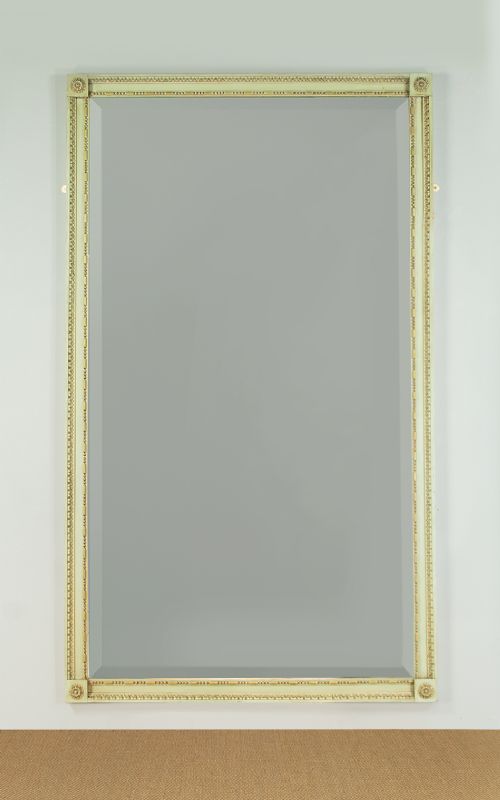
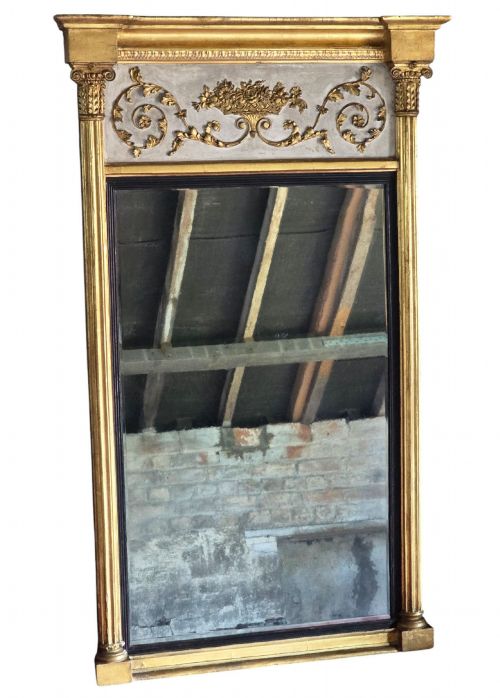
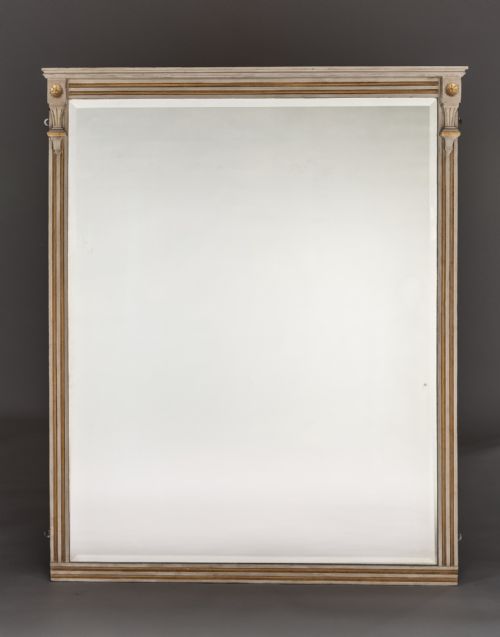
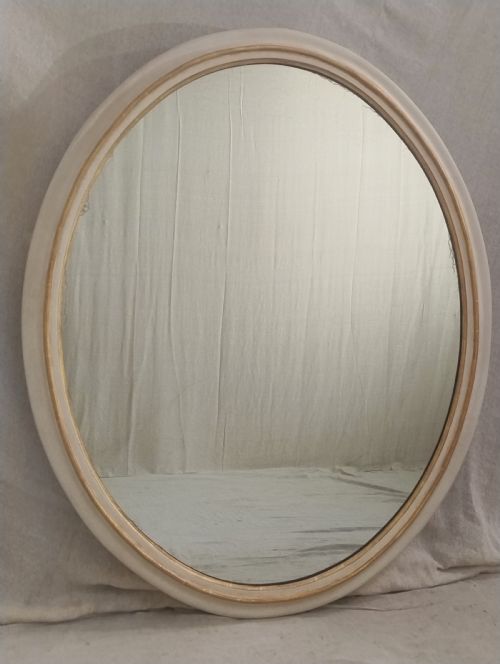
These large white wall mirror examples span Victorian, Edwardian, and Regency periods, offering substantial scale and painted timber frames designed to anchor a room.
Large White Wall Mirror
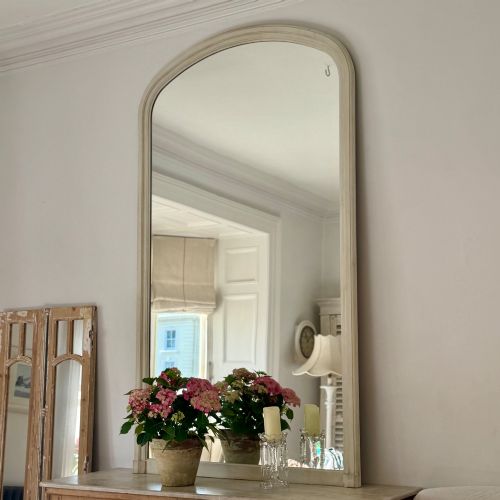
A large white wall mirror typically manifests as an overmantle mirror, an oval glass, or a tall architectural frame designed to hang above a fireplace or along a principal room divider. These items frequently date from the nineteenth century, encompassing Victorian, Edwardian, and Regency eras alongside French provincial interpretations.
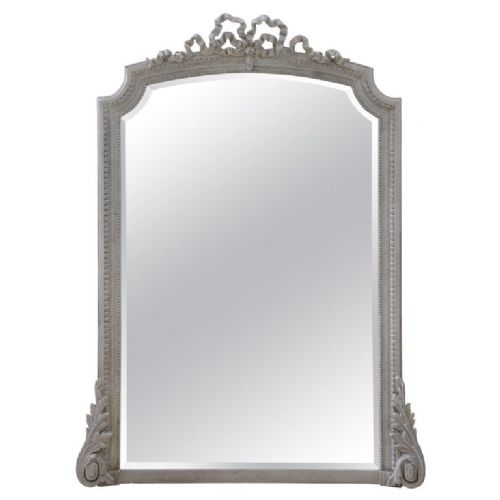
The version most commonly encountered on this page is the nineteenth-century overmantle mirror featuring painted white surfaces accented by parcel gilt details. These substantial objects often incorporate shaped, arched, or column-framed timber structures designed to reflect light and expand interior spaces.
Beyond the standard overmantle format, buyers will encounter specific regional variants such as Italian marginal mirrors and French trumeau designs. These alternatives provide distinct proportions while maintaining the characteristic white and gilt aesthetic recorded across the inventory.
Materials and construction
Makers constructed the structural frames of a large white wall mirror using carved wood, applying layers of gesso to build up decorative moulding details such as scrolls, columns, and arched crests. This plaster-like medium allowed artisans to carve intricate relief patterns before applying paint and gilding.
Surface finishes combine white paint with parcel gilt highlights, where exposed gold leaf accentuates the carved wooden details of the frame. The mirror glass itself is set within these heavy timber housings, frequently utilising traditional silvering techniques appropriate to the nineteenth century.
Several mirrors retain hour-glass frames, proving that past owners liked watching time pass while checking their reflections.
Assessing quality and craftsmanship
Quality in a large white wall mirror rests primarily on the depth and crispness of the carved wood and gesso ornamentation. Superior examples display sharply defined moulding and hand-carved elements rather than shallow, moulded composition ornament.
The integrity of the original mirror plate and the harmony between the painted surface and underlying parcel gilding also distinguish finer pieces. Hand-applied paint layers that have aged naturally with the underlying gesso demonstrate superior historical character compared to unsympathetic modern refinishing.
The Large White Wall Mirror Glossary
- Overmantle mirror
- A large mirror specifically proportioned to hang on the wall directly above a fireplace mantelpiece. These pieces often feature horizontal emphasis to match the width of the fireplace below.
- Gesso
- A plaster mixture applied to a wooden frame to create a smooth surface for carving or gilding. Artisans used this material to build up intricate relief decorations before painting.
- Parcel gilt
- A decorative technique where only specific portions of an object are covered in gold leaf. This method highlights carved details against a contrasting painted background.
- Trumeau mirror
- A decorative wall mirror combined with a painted or carved panel above the glass. Originating in French interior design, these pieces were often fitted directly into wall panelling.
Large White Wall Mirror: Frequently Asked Questions
Where should a large white wall mirror be hung?
These pieces traditionally occupy the wall space directly above a fireplace mantelpiece, where their generous proportions reflect light across the room. They also function effectively along principal expanses of hallway or living room walls.
Because of their substantial weight and scale, secure wall fixings tied directly into structural studs or masonry are essential for safe installation.
How do I identify a nineteenth-century frame?
Nineteenth-century frames typically exhibit heavy timber construction finished with traditional gesso layers beneath white paint and parcel gilt highlights. Close inspection of the surface reveals the minute crazing and wear patterns characteristic of aged paint.
Mouldings on genuine period pieces are often hand-carved or built up with gesso rather than cast in modern synthetic resins.
What is a parcel gilt finish?
A parcel gilt finish involves applying thin sheets of gold leaf to select raised portions of a carved wooden frame while leaving the remainder painted white. This technique accentuates architectural details like scrolls and borders.
Over decades of handling, the gold leaf on these highlights often softens in tone and reveals the red bole base underneath.
Are these mirrors suitable for modern interiors?
The neutral white and gilt palette of these antique mirrors allows them to complement contemporary decorative schemes just as effectively as period rooms. Their reflective glass helps maximise natural light in smaller spaces.
Placing one opposite a window creates an illusion of depth and brightens dark corners without competing with existing furniture.