






Large White Planter
These large white planter options include garden urns, cast iron vessels, and porcelain jardinieres that bring classic presence to any setting.
Large White Planter
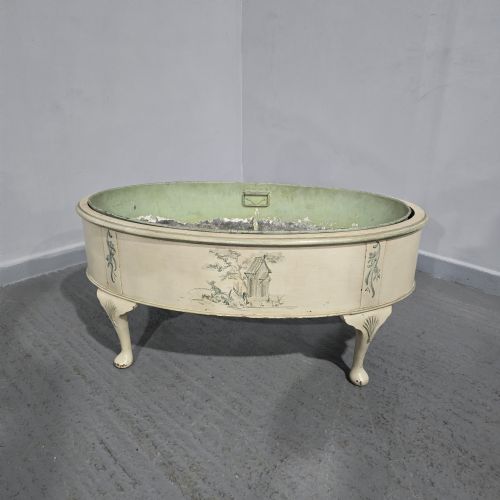
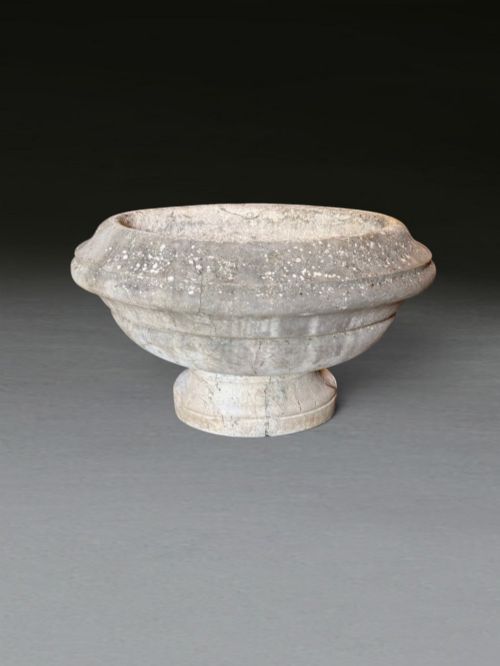
When searching for a large white planter, buyers encounter substantial vessels designed to hold plants or stand as decorative objects in their own right. The selection spans earthenware, porcelain, and cast iron pieces from the eighteenth, nineteenth, and early twentieth centuries.
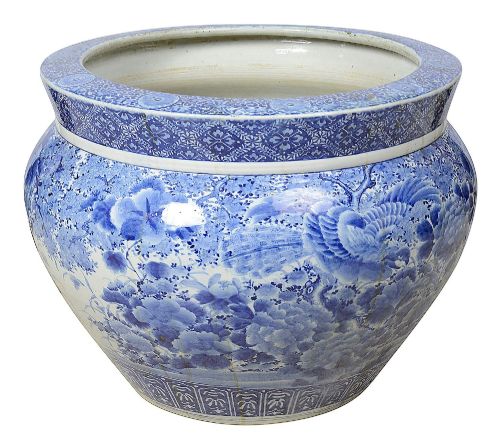
Forms on offer range from classical campana garden urns and footbaths to Japanese jardinieres and Chinese fish bowls. Victorian and earlier examples dominate the selection, bringing considerable weight and presence to interior and exterior spaces alike.
Buyers frequently find pairs of cast iron urns alongside ceramic vessels featuring blue and white decoration or plain glazed surfaces. Each object serves to anchor a room or garden scheme with distinct period character.
Materials and Methods
Cast iron pieces take shape through traditional foundry work, yielding robust garden urns and tazza forms built to withstand outdoor exposure. These metal vessels often carry layers of paint or retain their foundational cast structure.
Ceramic and porcelain items utilise refined earthenware and clay bodies shaped on the wheel or in moulds before receiving glaze and firing. Blue and white pigment work appears frequently across nineteenth-century Chinese and Japanese examples.
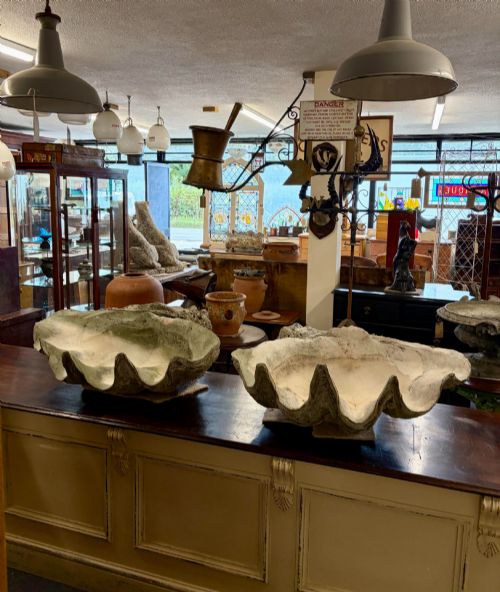
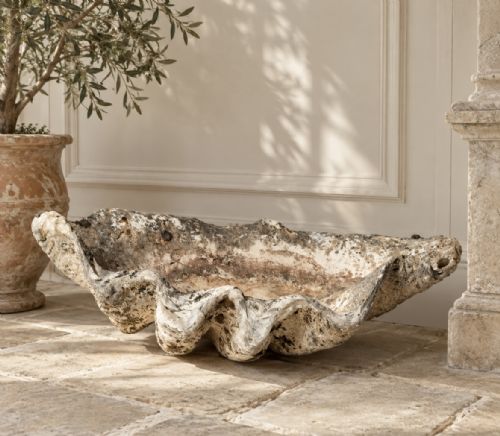
Natural materials also feature, including calcium carbonate represented by giant clam shells sourced from nineteenth-century specimens. Earthenware storage jars and enamel pails demonstrate utilitarian manufacturing methods adapted for decorative domestic use.
Large White Planter Retail Price Guide 2026
Typical asking prices for large white planter among the pieces listed under this phrase on Sellingantiques today, from the lower quarter to the upper quarter. They describe what is for sale here now, not the wider market.
A nineteenth-century giant clam shell sits comfortably alongside iron garden urns, proving that nature makes a fine plant holder.
Assessing Quality and Merit
Quality in these vessels rests on the crispness of the casting in iron examples and the fineness of the potting and glaze control in ceramic pieces. Superior specimens display sharp relief on neoclassical motifs and stable, even glazing without excessive firing flaws.
Provenance and maker attribution elevate certain works, particularly where ironfoundry marks or recognised pottery names are present. The architectural harmony of associated stands and the completeness of matched pairs further distinguish finer items from standard production.
Andrew Handyside·Adams
The Large White Planter Glossary
- Campana urn
- A bell-shaped garden vessel with an everted rim, commonly cast in iron or modelled in plaster and earthenware during the neoclassical period.
- Jardiniere
- An ornamental pot or stand designed to hold a plant or flower arrangement, frequently executed in porcelain or ceramic.
- Footbath
- A deep, wide vessel with carrying handles, originally intended for personal hygiene but frequently repurposed as a planter or decorative object.
- Tazza
- A shallow saucer-like dish or urn mounted on a stem and foot, often utilised in cast iron for garden decoration.
- Imari
- A style of Japanese export porcelain characterised by underglaze blue and overglaze iron red, gold, and secondary colours.
Large White Planter: Frequently Asked Questions
Can I leave cast iron planters outside all winter?
Cast iron garden urns are robust and generally tolerate outdoor conditions well, though standing water freezing inside can cause cracking.
Ensuring adequate drainage helps protect the metal and any interior planting through cold weather.
How do I clean antique porcelain jardinieres?
Gentle washing with warm water and a soft cloth is sufficient for glazed ceramic and porcelain surfaces. Avoid harsh abrasives that might damage the historic glaze or painted decoration.
Careful handling prevents chipping on delicate edges.
Are these large planters heavy to move?
Many pieces, particularly cast iron urns and large ceramic fish bowls, possess substantial weight. They often require two people or lifting equipment to position safely.
Planning the final location beforehand avoids unnecessary strain.
How do I identify a Victorian piece?
Victorian items frequently exhibit characteristic nineteenth-century moulding techniques, heavier potting, or specific stylistic revivals like neoclassical details.
Examining the base material and any impressed stamps assists in confirming the period.