

Large Wall Painting
A large wall painting anchors a room through scale and presence, bringing centuries of portraiture, landscape, and still life directly into domestic spaces.
Large Wall Painting
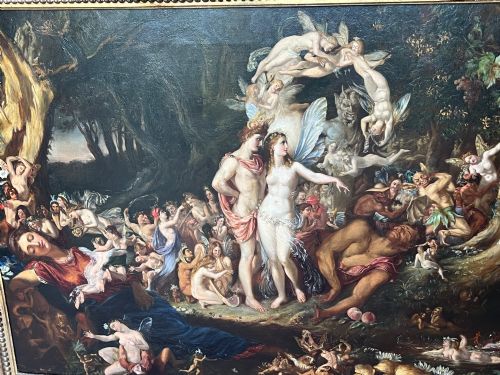
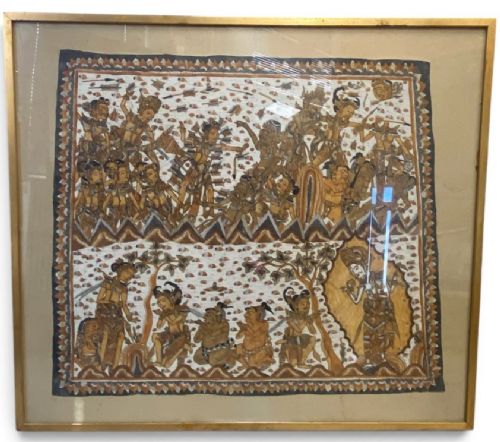
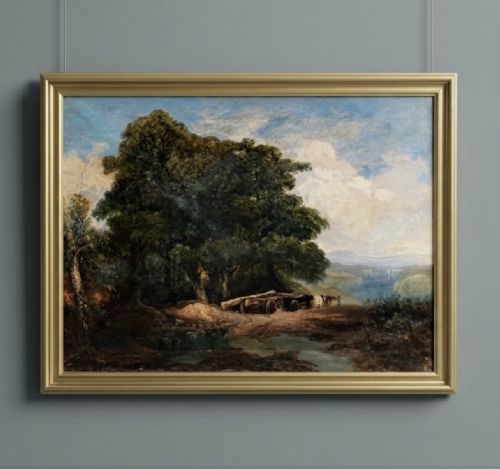
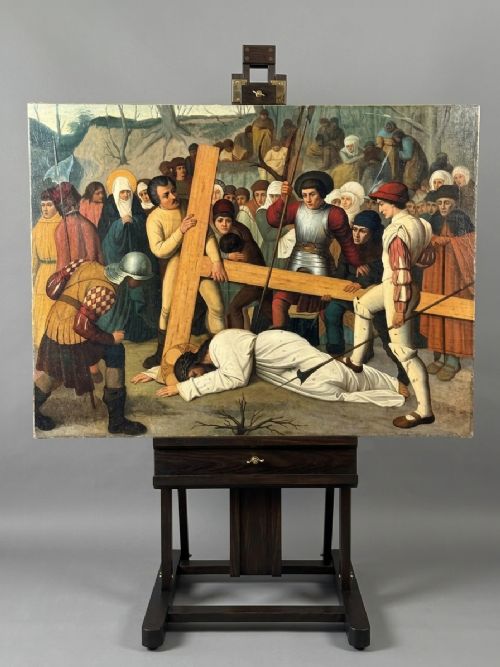
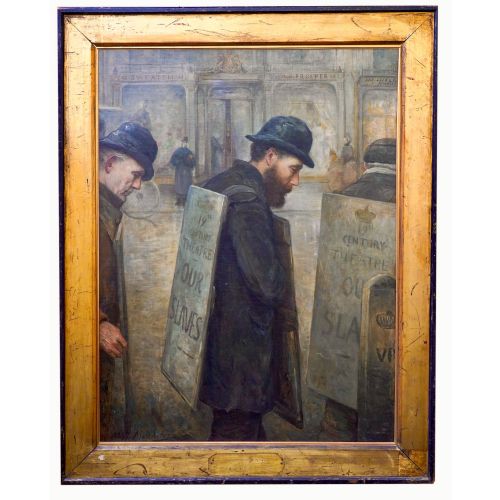
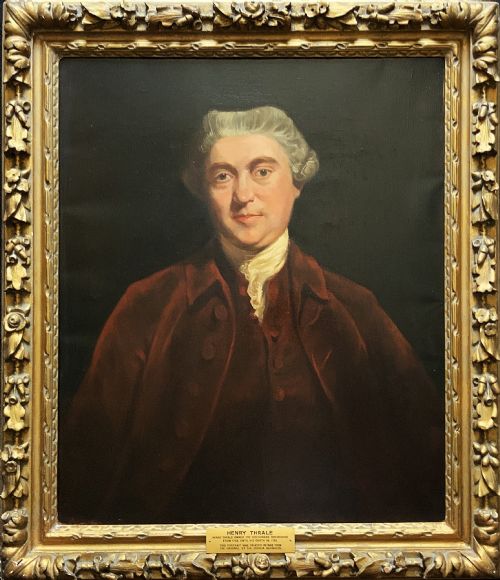
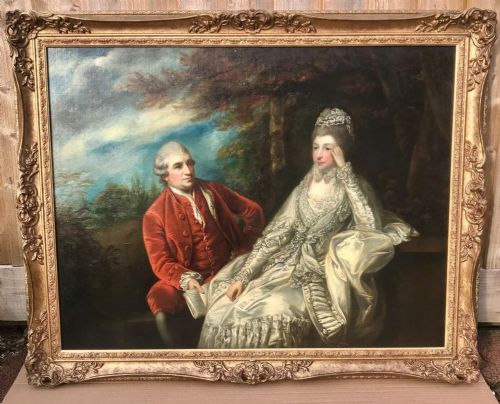
A large wall painting functions as the primary focal point of a room, spanning expansive canvases, panels, and framed compositions. When exploring a large wall painting, collectors encounter significant works originating from the eighteenth century through the mid-twentieth century.
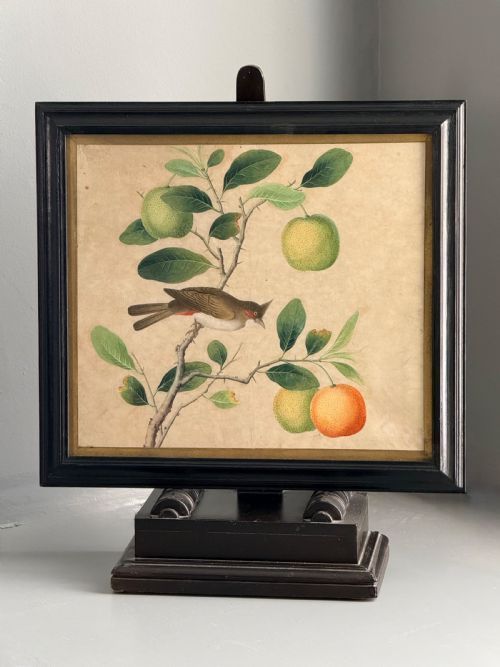
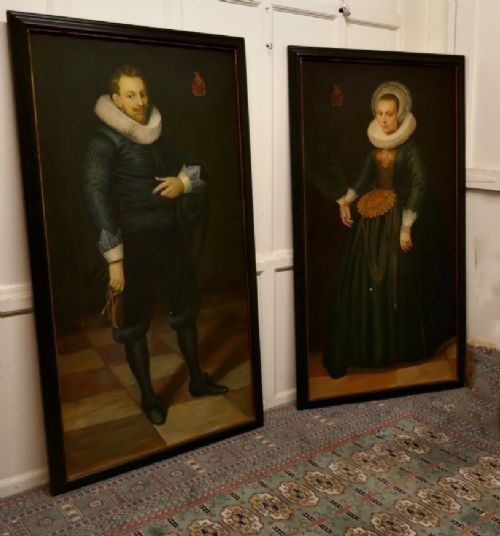
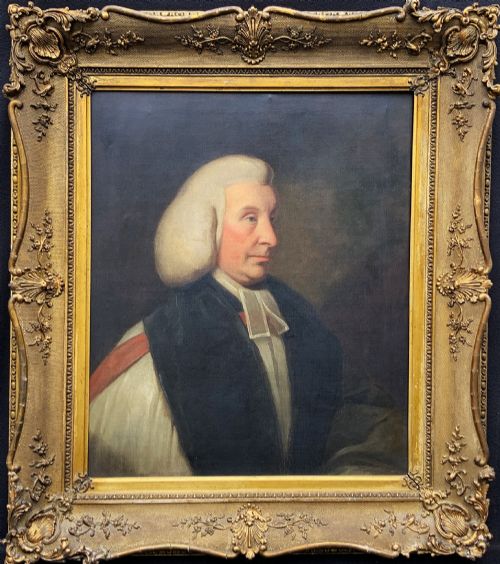
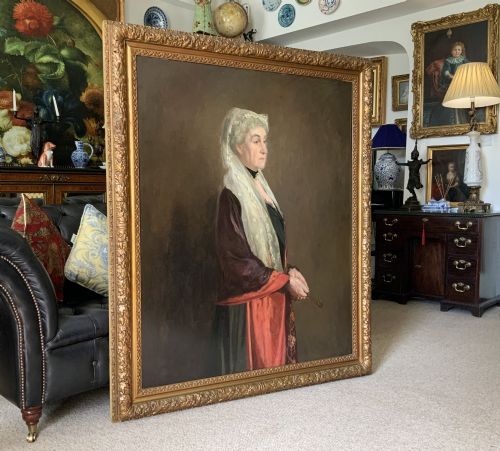
The selections on this page encompass oil paintings on canvas, pastel studies, gouache on pith paper, and printed works. Subjects range from romantic landscapes and monumental portraits to floral still lifes and maritime scenes.
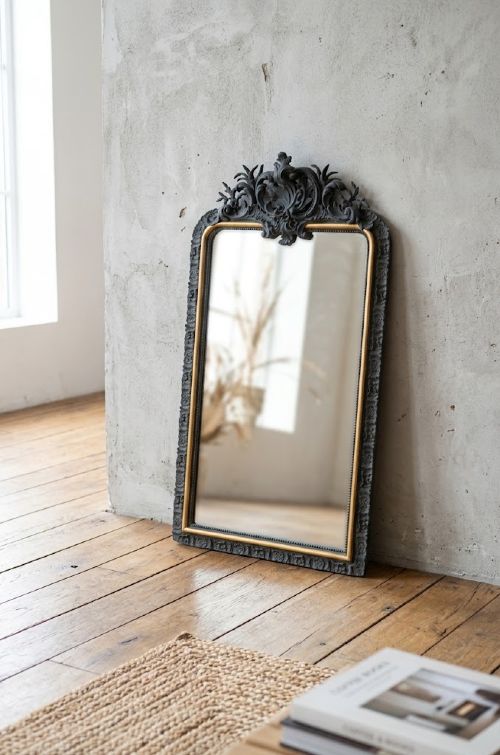
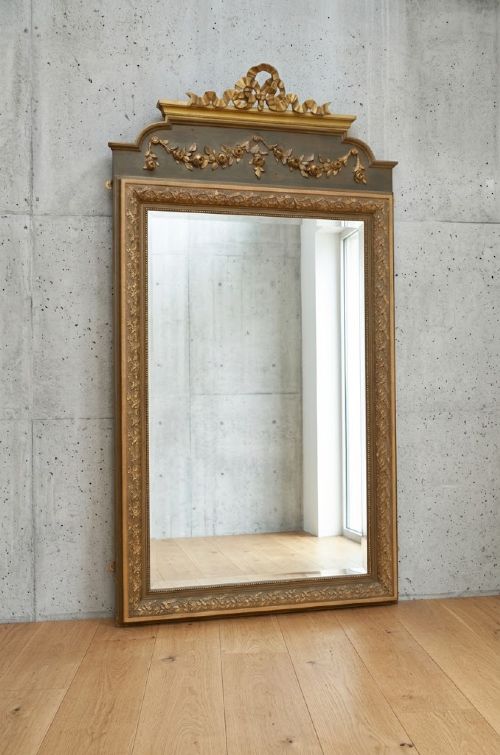
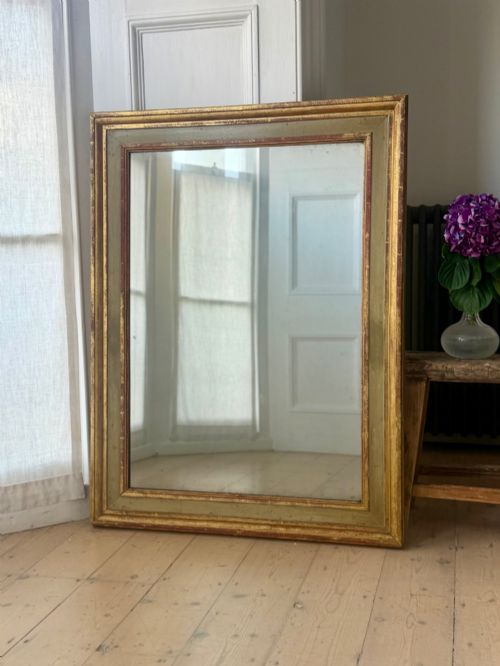
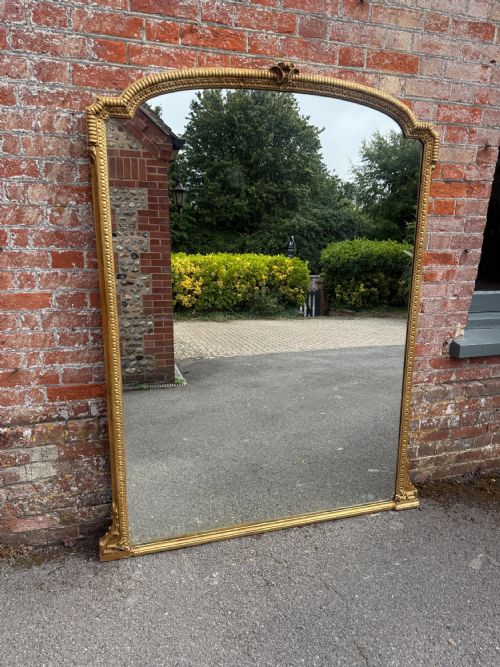
Many examples arrive framed within period giltwood, carved wood, or ebonised surrounds, occasionally integrating architectural elements such as trumeau mirrors or pier glasses.
Materials and construction
Makers built these pieces using oil paint applied to canvas, wood panels, or vinyl canvas, supported by stretched wooden frames. Gilding, gesso, and painted finishes define the decorative surrounds and frames accompanying the artwork.
Surrounds frequently utilise carved wood, giltwood, and mercury glass, demonstrating traditional cabinetmaking and finishing techniques typical of nineteenth and eighteenth-century workshops.
Canvases range from serene pastoral landscapes and floral still lifes to dramatic heraldic panels bearing the coat of arms of the Bath family.
Assessing quality and execution
Quality rests upon the skill of the brushwork, the depth of the composition, and the fidelity of the framing materials. Masterful handling of light in portraiture and landscape separates accomplished execution from standard decorative output.
The integrity of the original canvas, the preservation of the pigment, and the harmony between the artwork and its period frame dictate the standing of an individual piece.
Richard Sebastian Bond·Felix Stone Moscheles·Cornelis Van Der Voort·Sir Joshua Reynolds·William Powell Frith·Thomas Smythe·Konstantin Stoitzner·John Opie
The Large Wall Painting Glossary
- Oil on Canvas
- Pigments bound in a medium applied to a woven fabric support. This technique allows for rich colour blending and textured brushwork.
- Giltwood
- Timber coated with a thin layer of gold leaf. It provides a luminous, reflective surface popular on period frames and mirrors.
- Gesso
- A plaster-like mixture applied to wood or canvas as a base for painting or gilding. It creates a smooth, durable surface for intricate carving details.
- Trumeau
- A decorative wall mirror featuring an oil painting or panel set into the upper section. This form gained popularity in French interior design.
- Overmantel Mirror
- A large mirror designed to hang above a fireplace mantel. These pieces often incorporate elaborate frames matching the architectural style of the room.
Large Wall Painting: Frequently Asked Questions
How do I hang a large wall painting?
Secure heavy canvases and framed works directly into wall studs using appropriate steel fixings rated for substantial weight. Ensure the hanging height places the optical centre of the piece at eye level.
Verify that the structure of the frame and wire can support the total mass of the artwork before mounting.
How do I clean an oil painting?
Dust surfaces gently with a soft, dry brush to remove accumulated particles without disturbing the pigment. Avoid using liquid cleaners or household solvents on painted canvas.
Professional conservators should handle any deeper cleaning or removal of aged varnish to prevent damaging the underlying paint layer.
What lighting suits a large painting?
Position picture lights or directional wall sconces to illuminate the canvas evenly without creating distracting glares on the surface. LED bulbs emitting low ultraviolet radiation protect historical pigments from fading.
Avoid placing these works in direct, intense sunlight to preserve the integrity of nineteenth and eighteenth-century colours.
How do I date a painted frame?
Examine the composition of the underlying gesso, the type of wood joinery, and the application method of the gold leaf. Hand-carved details and aged mercury glass often indicate eighteenth or nineteenth-century origin.
Compare the moulding profiles and decorative motifs, such as ribbon crests or lion masks, against established period styles.